Rajeev Shukla left red-faced as toxic Lucknow smog forces 4th T20I abandonment
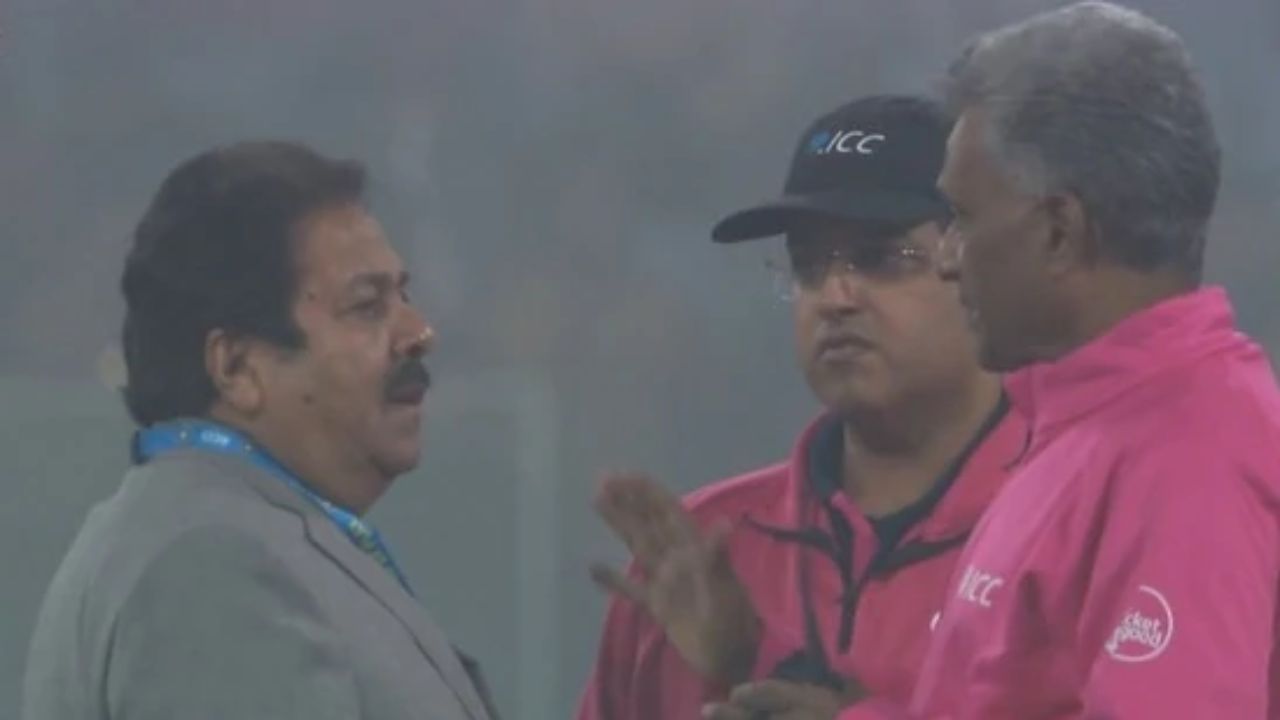
Lucknow Smog Forces Abandonment of India vs South Africa T20I
The recent abandonment of the fourth T20I match between India and South Africa in Lucknow has sparked controversy and criticism towards the Board of Control for Cricket in India (BCCI). The match was scheduled to start at 7 pm, with the toss at 6:30 pm, but poor visibility due to smog led to the delay and eventual cancellation of the game.
Visibility Issues and Frustration on the Field
As conditions worsened in Lucknow, umpires conducted multiple inspections to assess the situation. Despite several checks throughout the evening, the visibility did not improve, leading to the decision to call off the match at 9:30 pm. Fans in the stadium and those watching from home expressed their disappointment and frustration at the turn of events.
BCCI Vice-President Rajeev Shukla was seen on the field in discussions with officials, visibly frustrated by the situation that was out of their control. The abandonment of the match in Lucknow has reignited the debate about scheduling international fixtures in northern India during winter, especially in areas prone to smog and adverse weather conditions.
Player Challenges and Fan Disappointment
The challenging conditions also surprised the players, with India spinner Varun Chakravarthy admitting that playing in such cold weather was a new experience for him. The uncertainty over the match start time led to many spectators leaving the stadium as the wait dragged on, impacting the overall fan experience.
Reactions from the Cricket World
The abandonment of the match in Lucknow has drawn reactions from various quarters, including Congress leader and cricket enthusiast Shashi Tharoor. Tharoor expressed his disappointment on social media over the situation, highlighting the need for better planning and decision-making when scheduling international matches.
Tharoor suggested that the game could have been scheduled in Thiruvananthapuram, where the Air Quality Index (AQI) was significantly lower compared to the smoggy conditions in northern India. His comments reflect the growing concerns about the impact of environmental factors on sporting events and the need for proactive measures to ensure the safety and well-being of players and fans alike.
Looking Ahead
The abandonment of the India vs South Africa T20I in Lucknow serves as a reminder of the challenges posed by environmental factors like smog in hosting international cricket matches. It also underscores the importance of careful planning and consideration when selecting venues, especially during seasons when weather conditions are less favorable.
As the cricketing community reflects on the recent events in Lucknow, there is a growing call for greater awareness and preparedness to address issues related to air quality and visibility that could impact the outcome of matches. Moving forward, stakeholders in the sport will need to collaborate and strategize to ensure that such situations are minimized, allowing players and fans to enjoy the game in a safe and conducive environment.
The unexpected abandonment of the India vs South Africa T20I in Lucknow due to smog highlights the unpredictable nature of environmental factors on sporting events. While the BCCI faced criticism for the decision-making process, it also sheds light on the broader issue of climate considerations in scheduling international matches.
The incident in Lucknow serves as a wake-up call for cricket boards worldwide to factor in environmental conditions when planning fixtures. As the effects of climate change become more pronounced, the impact on sports events, especially outdoor games like cricket, cannot be ignored. The growing concern over air quality, visibility, and player safety necessitates a proactive approach in venue selection and scheduling.
Incorporating climate data and pollution forecasts into the decision-making process can help mitigate the risks of last-minute cancellations and disruptions. By prioritizing venues with better air quality and optimal weather conditions, cricket boards can minimize the chances of matches being affected by smog or other environmental challenges.
Moreover, the incident in Lucknow underscores the need for innovation in predicting and managing environmental risks in sports. Advanced technologies like predictive modeling, real-time air quality monitoring, and adaptive scheduling algorithms can aid in anticipating potential disruptions and taking timely preventive measures.
Collaboration between meteorological agencies, environmental experts, and sports authorities is crucial in developing strategies to address climate-related challenges in sports. By leveraging data-driven insights and adopting sustainable practices, cricket boards can enhance the resilience of the sport to environmental uncertainties and ensure a smoother experience for players and fans.
Moving forward, the focus should be on building resilience and adaptive capacity to navigate the complexities of hosting international matches in changing environmental conditions. Embracing a proactive approach to environmental risk management can safeguard the integrity of the game and uphold the well-being of all stakeholders involved.
While the abandonment of the India vs South Africa T20I in Lucknow was a disappointing turn of events, it serves as a valuable lesson for the cricketing community. By learning from this experience and integrating climate considerations into future planning, the sport can evolve towards a more sustainable and environmentally conscious future. The challenges posed by smog in Lucknow may just be the beginning, prompting a broader conversation on climate resilience in cricket and sports as a whole.
Latest News
Mumbai Indians suffer blow! Mitchell Santner, Will Jacks ruled out of IPL 2026 games
MI vs KKR Match Prediction – Who Will Win Match No.2? | IPL 2026
Mumbai Indians Playing XI vs Kolkata Knight Riders Playing XI- Match No. 2 | IPL 2026
MI vs KKR Match 2 Preview: Free Live Streaming, Pitch & Weather Report, Head-to-Head | IPL 2026
Not English cricket! Jos Buttler credits IPL for his success as a cricketer
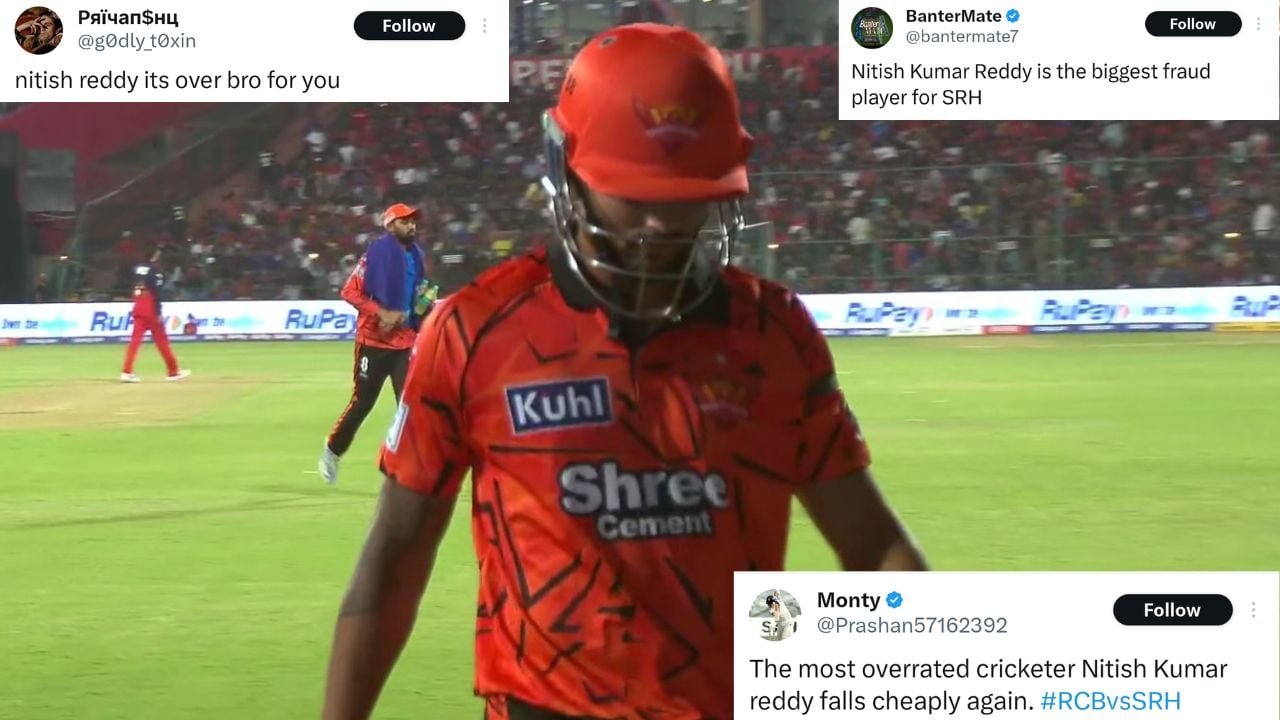
“Nitish Kumar Reddy is biggest fraud”: Fans fume as SRH star fails vs RCB in IPL 2026 opener
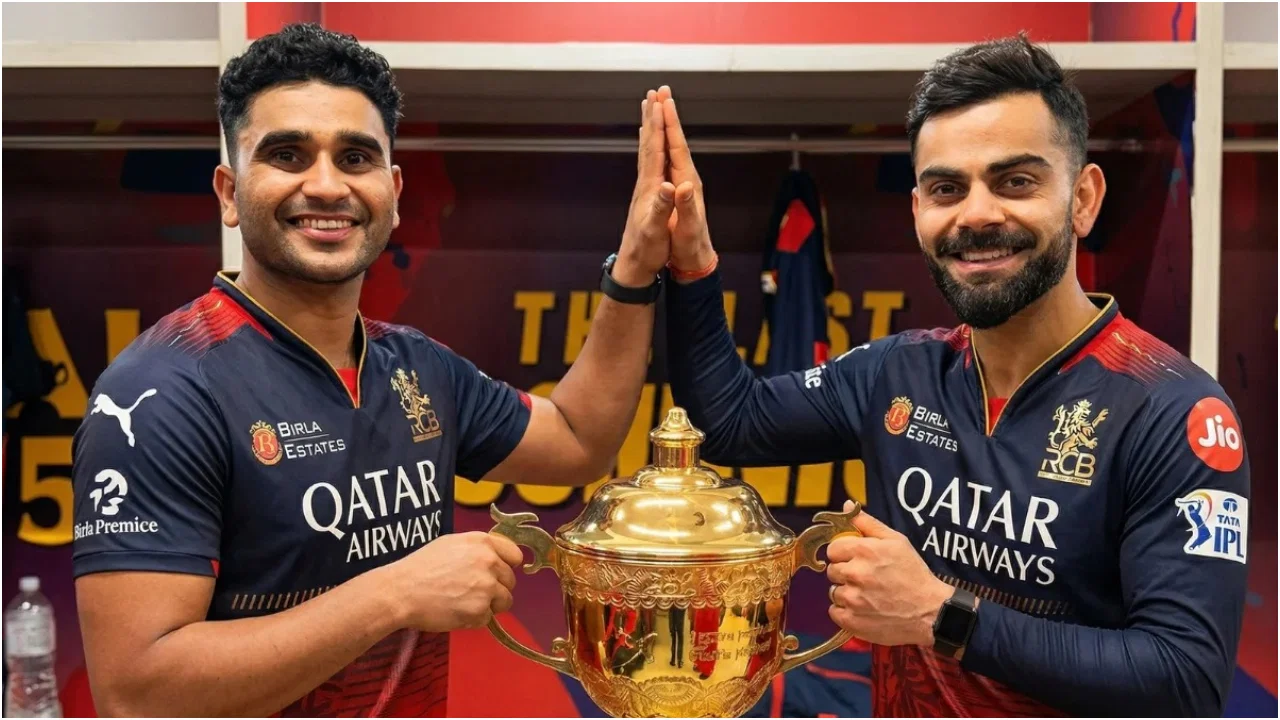
Who is Abhinandan Singh? The Virat Kohli troublemaker who made his IPL debut for RCB vs SRH
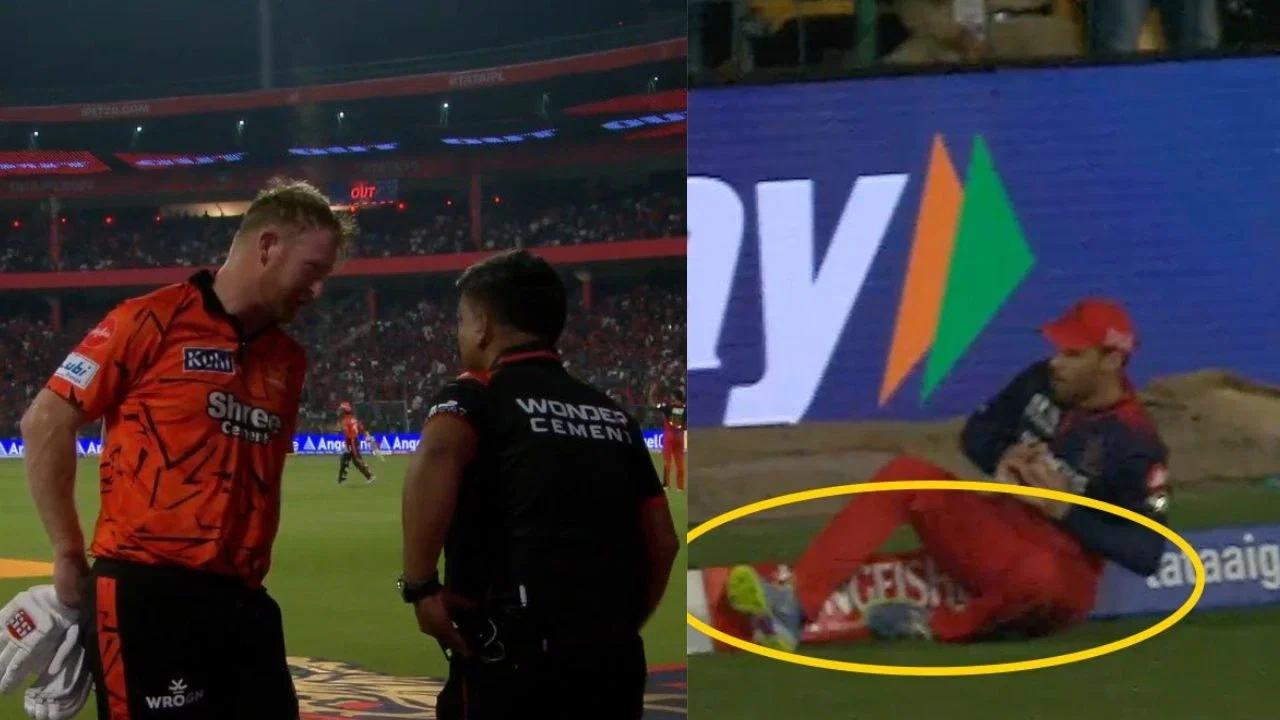
Heinrich Klaasen engages in heated chat with 4th umpire after Phil Salt’s controversial catch in IPL 2026
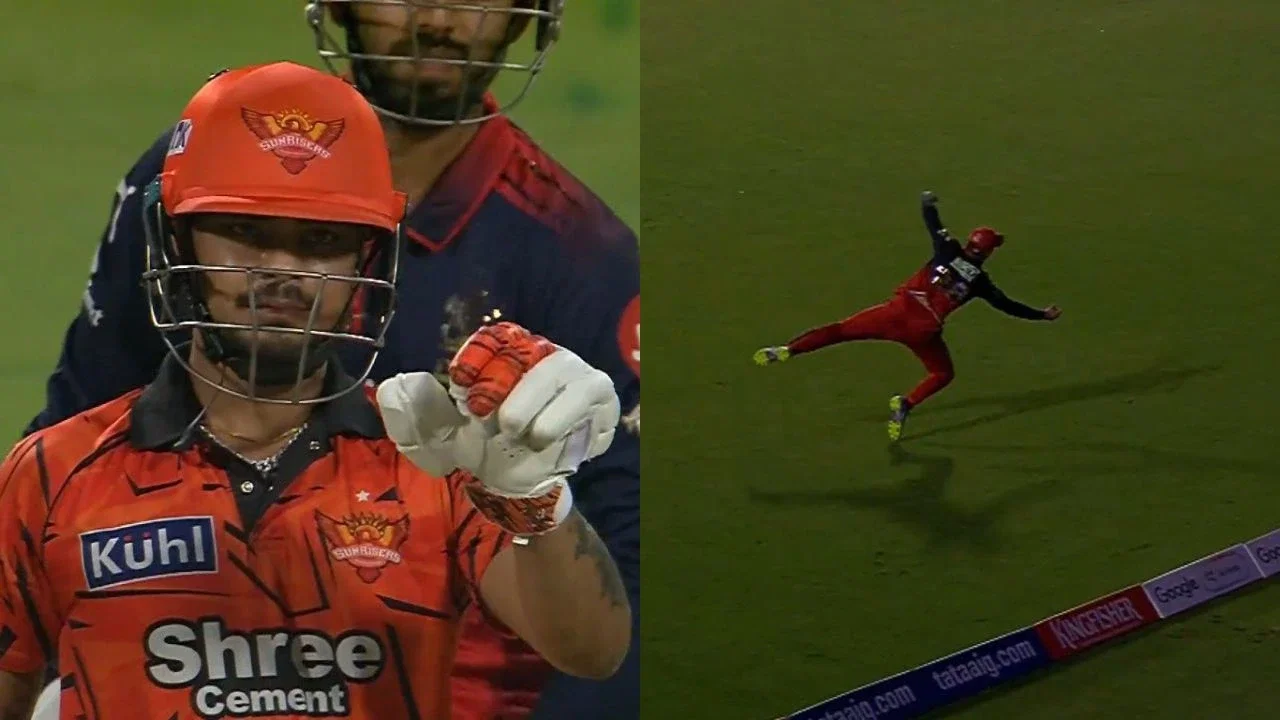
Phil Salt grabs one of the greatest catches in IPL history to dismiss Ishan Kishan
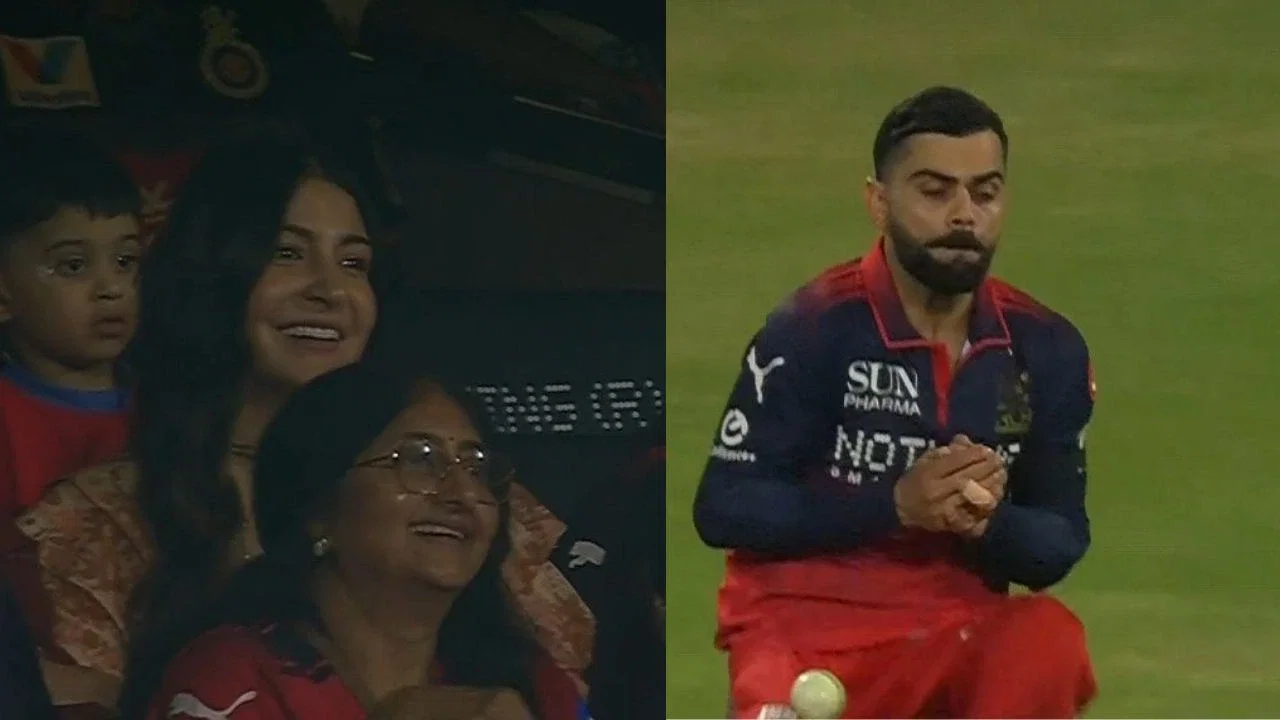
Anushka Sharma laughs as Virat Kohli drops a sitter in RCB vs SRH clash (Watch Video)
Anushka Sharma laughs as Virat Kohli drops a sitter in RCB vs SRH clash (Watch Video)
Anushka Sharma laughs as Virat Kohli drops a sitter in RCB vs SRH clash (Watch Video)
Anushka Sharma laughs as Virat Kohli drops a sitter in RCB vs SRH clash (Watch Video)
Anushka Sharma laughs as Virat Kohli drops a sitter in RCB vs SRH clash (Watch Video)