Rajeev Shukla left red-faced as toxic Lucknow smog forces 4th T20I abandonment
Lucknow Smog Forces Abandonment of India vs South Africa T20I Match
The recent T20I match between India and South Africa in Lucknow faced criticism after being abandoned due to poor visibility, sparking fresh debate about the timing and location of international fixtures in northern India during winter.
Match Abandonment
The match, scheduled to start at 7 pm with the toss at 6:30 pm, was delayed as conditions worsened. Umpires conducted multiple inspections, but visibility failed to improve. After nearly six checks, the match was finally called off at 9:30 pm, disappointing fans at the stadium and watching from home.
Hardik Pandya was seen wearing a surgical mask during the warm-up, while players eventually stopped warming up and spectators began leaving the stadium as uncertainty loomed over the start of play.
Rajeev Shukla’s Frustration
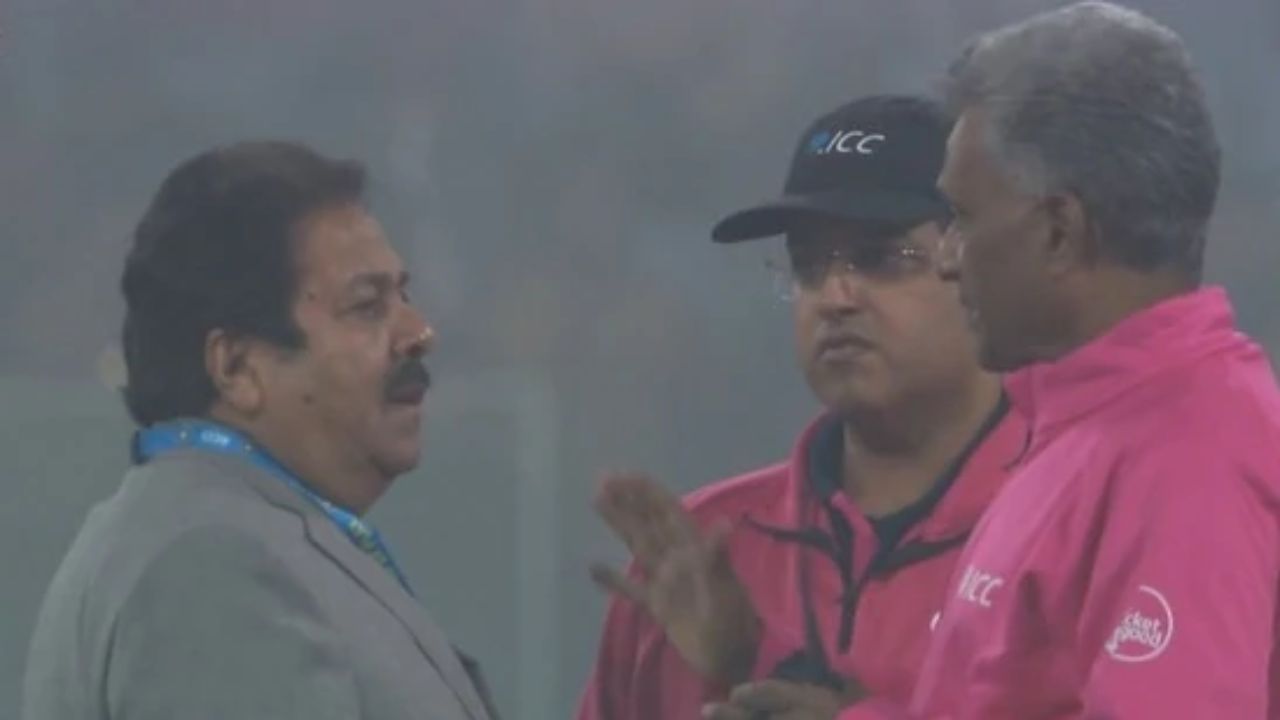
BCCI vice-president Rajeev Shukla was visibly frustrated during the visibility checks, highlighting the challenging conditions faced by officials, players, and fans. India spinner Varun Chakravarthy expressed his struggle with the cold weather, emphasizing the unique challenges posed by the venue.
Public Reaction
The abandonment led to widespread reactions, with Congress leader Shashi Tharoor expressing disappointment over the situation. Tharoor criticized the decision to host the match in Lucknow under such circumstances, suggesting that it could have been scheduled in Thiruvananthapuram where air quality was significantly better.
His tweet highlighted the frustration of cricket fans waiting for the match to start amidst dense smog and poor air quality, emphasizing the need for better planning and consideration of environmental factors in scheduling international fixtures.
Conclusion
The abandonment of the India vs South Africa T20I match in Lucknow due to poor visibility serves as a reminder of the challenges faced by cricket authorities in ensuring optimal playing conditions. The incident has reignited discussions about the impact of environmental factors on cricket matches, prompting calls for better planning and consideration of venues with favorable conditions.
The Impact of Weather on Cricket Matches
Weather conditions have always played a significant role in cricket matches, with rain delays being a common occurrence in many parts of the world. However, the issue of poor air quality and smog affecting gameplay is relatively new and poses unique challenges for players and officials.
In recent years, countries like India have faced increasing concerns over air pollution, especially during the winter months when crop burning and other factors contribute to poor air quality. This has led to instances where cricket matches have had to be rescheduled or abandoned due to smog, as witnessed in the India vs South Africa T20I match in Lucknow.
Player Health and Safety
One of the primary concerns when it comes to playing cricket in smoggy conditions is the health and safety of the players. Breathing in polluted air can have detrimental effects on respiratory health, affecting performance and overall well-being. Players wearing masks, as seen with Hardik Pandya, is a clear indication of the risks involved in playing in such conditions.
Cricket authorities must prioritize the health of the players and ensure that matches are not held in locations where air quality poses a threat. This may involve considering alternative venues or scheduling matches during times of the year when pollution levels are lower.
Environmental Considerations in Venue Selection
The incident in Lucknow has brought to light the importance of considering environmental factors when selecting venues for international cricket matches. While northern India may offer passionate cricket fans and vibrant stadiums, the potential health risks associated with poor air quality should not be overlooked.
Cricket boards and authorities should work closely with environmental agencies to monitor air quality in potential host cities and make informed decisions about where matches should be held. This proactive approach can help avoid last-minute cancellations and disappointments for fans and players alike.
Future Planning and Adaptation
As climate change continues to impact weather patterns and air quality around the world, cricket authorities must be prepared to adapt and plan for these changes. This may involve incorporating smog forecasts into match scheduling, exploring technologies to improve air quality in stadiums, or even considering indoor facilities for high-profile matches.
By staying proactive and responsive to environmental challenges, cricket can continue to thrive as a global sport while ensuring the well-being of everyone involved. The incident in Lucknow serves as a wake-up call for the cricketing world to prioritize environmental sustainability and player safety in all aspects of the game.
In conclusion, the abandonment of the India vs South Africa T20I match in Lucknow sheds light on the intersection of sports and environmental factors, highlighting the need for better planning and consideration in hosting cricket matches. By addressing these challenges head-on, cricket can continue to evolve and thrive in a changing world.
Latest News

Mumbai Indians suffer blow! Mitchell Santner, Will Jacks ruled out of IPL 2026 games
MI vs KKR Match Prediction – Who Will Win Match No.2? | IPL 2026
Mumbai Indians Playing XI vs Kolkata Knight Riders Playing XI- Match No. 2 | IPL 2026
MI vs KKR Match 2 Preview: Free Live Streaming, Pitch & Weather Report, Head-to-Head | IPL 2026
Not English cricket! Jos Buttler credits IPL for his success as a cricketer
“Nitish Kumar Reddy is biggest fraud”: Fans fume as SRH star fails vs RCB in IPL 2026 opener
Who is Abhinandan Singh? The Virat Kohli troublemaker who made his IPL debut for RCB vs SRH
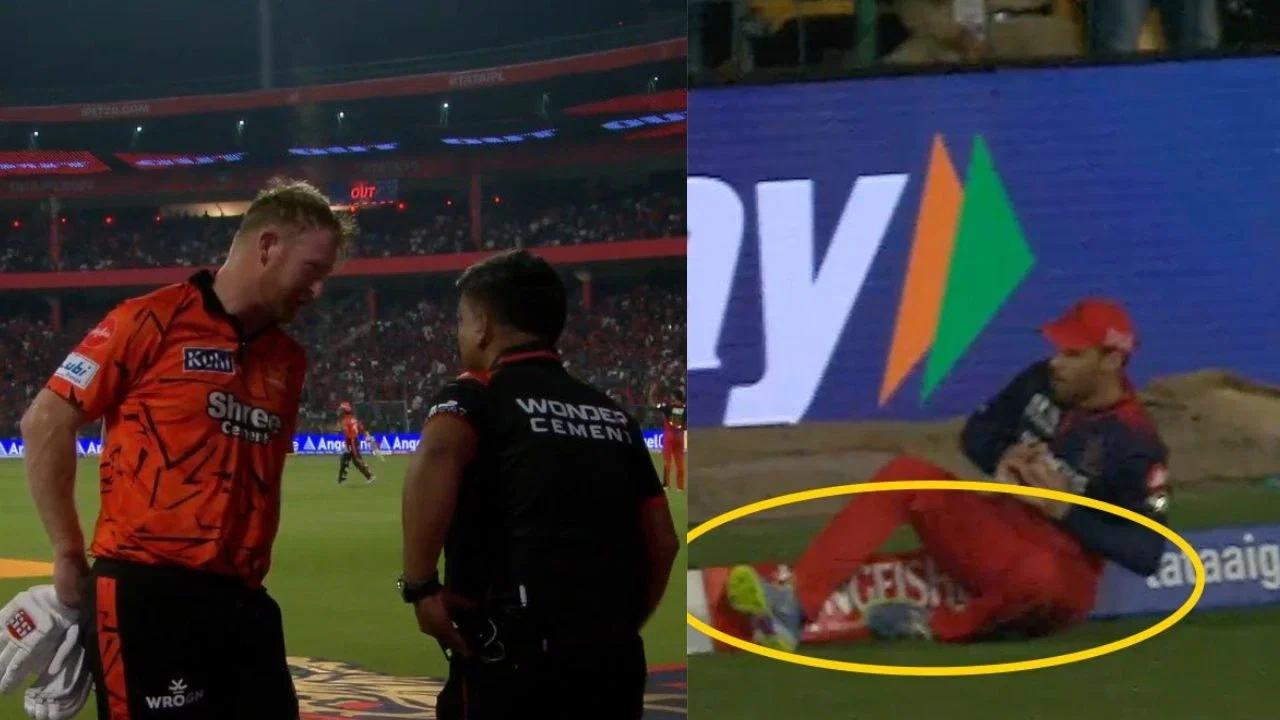
Heinrich Klaasen engages in heated chat with 4th umpire after Phil Salt’s controversial catch in IPL 2026
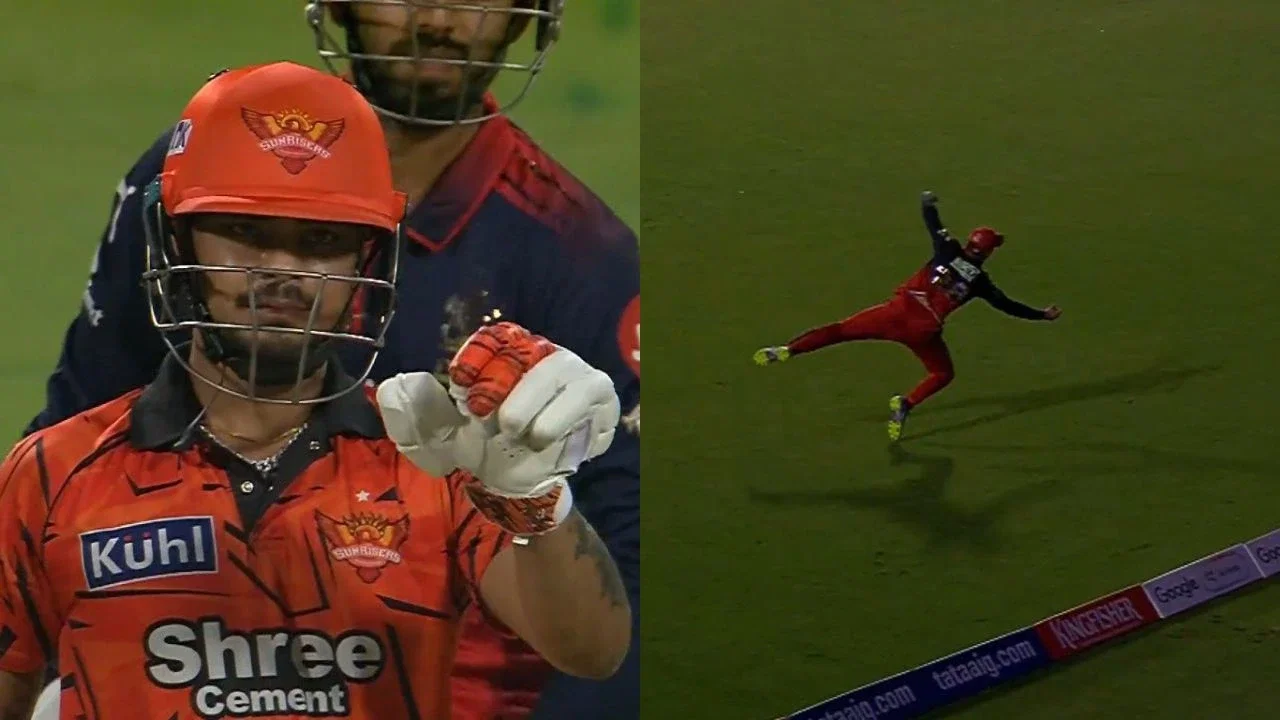
Phil Salt grabs one of the greatest catches in IPL history to dismiss Ishan Kishan
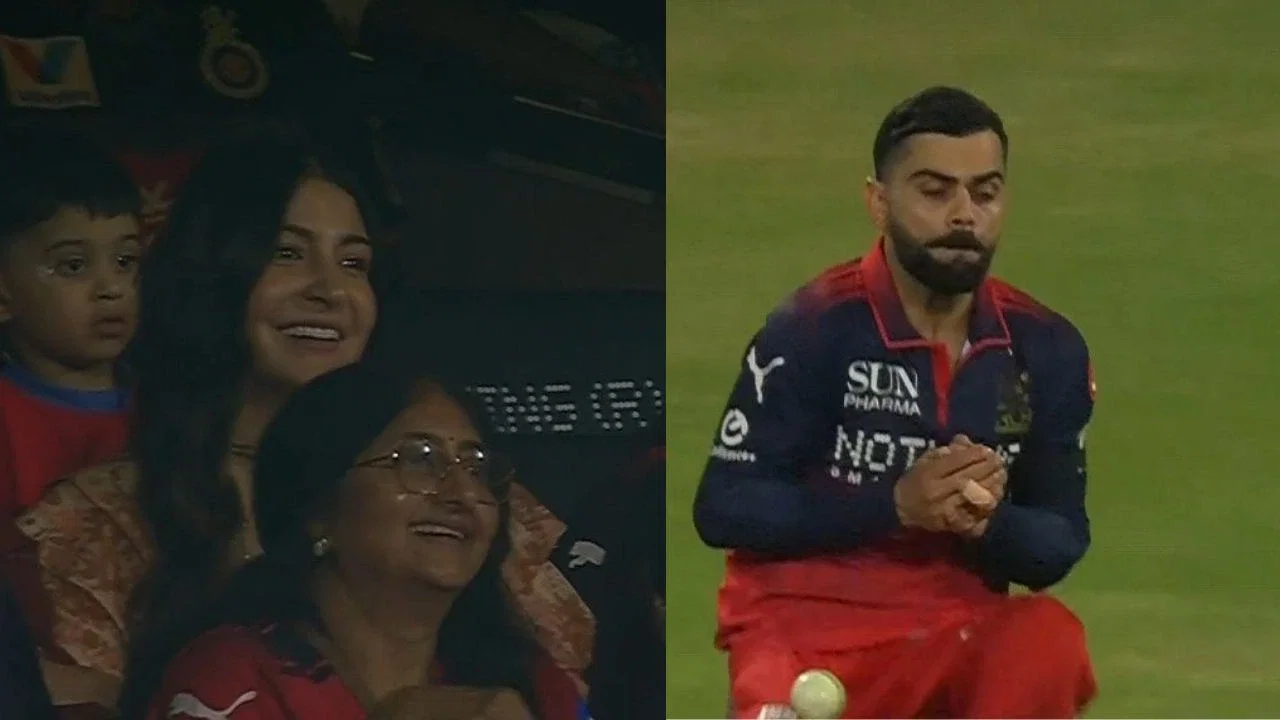
Anushka Sharma laughs as Virat Kohli drops a sitter in RCB vs SRH clash (Watch Video)
Anushka Sharma laughs as Virat Kohli drops a sitter in RCB vs SRH clash (Watch Video)
Anushka Sharma laughs as Virat Kohli drops a sitter in RCB vs SRH clash (Watch Video)
Anushka Sharma laughs as Virat Kohli drops a sitter in RCB vs SRH clash (Watch Video)
Anushka Sharma laughs as Virat Kohli drops a sitter in RCB vs SRH clash (Watch Video)