Rajeev Shukla left red-faced as toxic Lucknow smog forces 4th T20I abandonment

Lucknow Smog Forces India vs South Africa Match Abandonment
Lucknow T20I Match Abandoned Due to Poor Visibility
The recent fourth T20I match between India and South Africa in Lucknow faced an unfortunate abandonment due to poor visibility caused by smog. The Board of Control for Cricket in India (BCCI) received criticism following the decision to call off the match, raising questions about the scheduling of international fixtures in northern India during the winter season. This incident marked the third match in the series played in the region, despite known risks of smog and adverse weather conditions.
Timeline of Events
The match, which was scheduled to begin at 7 pm with the toss at 6:30 pm, faced delays as the visibility worsened. Umpires conducted multiple inspections throughout the evening, with nearly six checks carried out before the decision was made to abandon the match at 9:30 pm. Spectators inside the stadium and those watching from home expressed frustration as the situation unfolded.
Indian all-rounder, Hardik Pandya, was seen wearing a surgical mask during the initial warm-up, highlighting the severity of the conditions. Players eventually stopped warming up and returned to the dressing rooms after the second delay. The uncertainty surrounding the match start time led to many spectators leaving the stadium before the final decision was made.
Reactions and Criticism
BCCI vice-president Rajeev Shukla was visibly frustrated during the visibility checks on the field, reflecting the challenges faced by officials in managing the situation. Indian spinner Varun Chakravarthy also expressed his struggle with the unfamiliarly cold conditions, emphasizing the difficulties faced by the players.
The abandonment of the match sparked reactions from various quarters, with Congress leader Shashi Tharoor expressing disappointment over the handling of the situation. Tharoor criticized the decision to host an international match in Lucknow under such circumstances and suggested that the game could have been scheduled in a city with better air quality, like Thiruvananthapuram.
Looking Ahead
As the cricket world reflects on the recent abandonment of the Lucknow T20I match, there is a growing emphasis on the need for better planning and consideration of environmental factors when scheduling international fixtures. The incident serves as a reminder of the impact of air quality on sports events and the importance of prioritizing the well-being of players and spectators.
In conclusion, the abandonment of the India vs South Africa T20I match in Lucknow due to poor visibility caused by smog has reignited discussions about the scheduling of international cricket matches in northern India during the winter. The incident has raised concerns about the impact of environmental factors on sports events and the need for better planning to ensure the safety and well-being of all involved.
Environmental Impact on Sporting Events
The abandonment of the India vs South Africa T20I match in Lucknow due to smog highlights the broader issue of the environmental impact on sporting events. Poor air quality not only affects the visibility for players and officials but also poses serious health risks to everyone involved. Players exert themselves physically during matches, leading to increased inhalation of pollutants present in the air. This can have long-term consequences on their respiratory health and overall well-being.
While the incident in Lucknow may have been a stark example of how environmental factors can disrupt sports events, it is not an isolated case. Across the globe, events like marathons, cycling races, and outdoor competitions have been affected by air pollution, prompting organizers to reconsider the locations and timings of these events. The focus on sustainability and environmental consciousness in sports is growing, with stakeholders increasingly recognizing the need to prioritize the health of athletes and spectators.
Adapting to Changing Climate Conditions
Climate change is exacerbating weather patterns and air quality issues around the world, impacting the feasibility of hosting outdoor sporting events in certain regions. As temperatures rise and extreme weather events become more frequent, sports organizations are faced with the challenge of adapting to these changing conditions. Strategies such as implementing air quality monitoring systems, establishing guidelines for playing in adverse weather, and considering alternative locations for matches are becoming crucial aspects of event planning.
Furthermore, the emergence of new technologies and innovations, such as air purifiers for stadiums and advanced weather forecasting tools, can aid in mitigating the risks associated with poor air quality and inclement weather. Collaborations between sports bodies, environmental agencies, and health experts are essential in developing comprehensive strategies to ensure the sustainability and safety of sporting events in the face of climate change.
Community Engagement and Awareness
Engaging with local communities and raising awareness about the environmental impact of sporting events is key to fostering a culture of sustainability and responsibility. By involving residents, businesses, and authorities in discussions about air quality, waste management, and energy consumption, sports organizations can create positive change that extends beyond the confines of the stadium.
Educating fans and participants about the importance of environmental conservation and the role they can play in reducing their carbon footprint during events can lead to sustainable practices becoming ingrained in the sporting culture. Encouraging initiatives such as carpooling, waste recycling, and energy-efficient operations can contribute to minimizing the environmental footprint of sports events and promoting a greener approach to sports tourism.
Conclusion
The abandonment of the India vs South Africa T20I match in Lucknow serves as a poignant reminder of the challenges posed by environmental factors on sports events. As the sporting world navigates the complexities of climate change and air quality issues, there is a growing imperative to prioritize sustainability, health, and community engagement in event planning. By embracing innovation, collaboration, and awareness, sports organizations can create a more resilient and environmentally conscious future for sporting events worldwide.
Latest News

Mumbai Indians suffer blow! Mitchell Santner, Will Jacks ruled out of IPL 2026 games
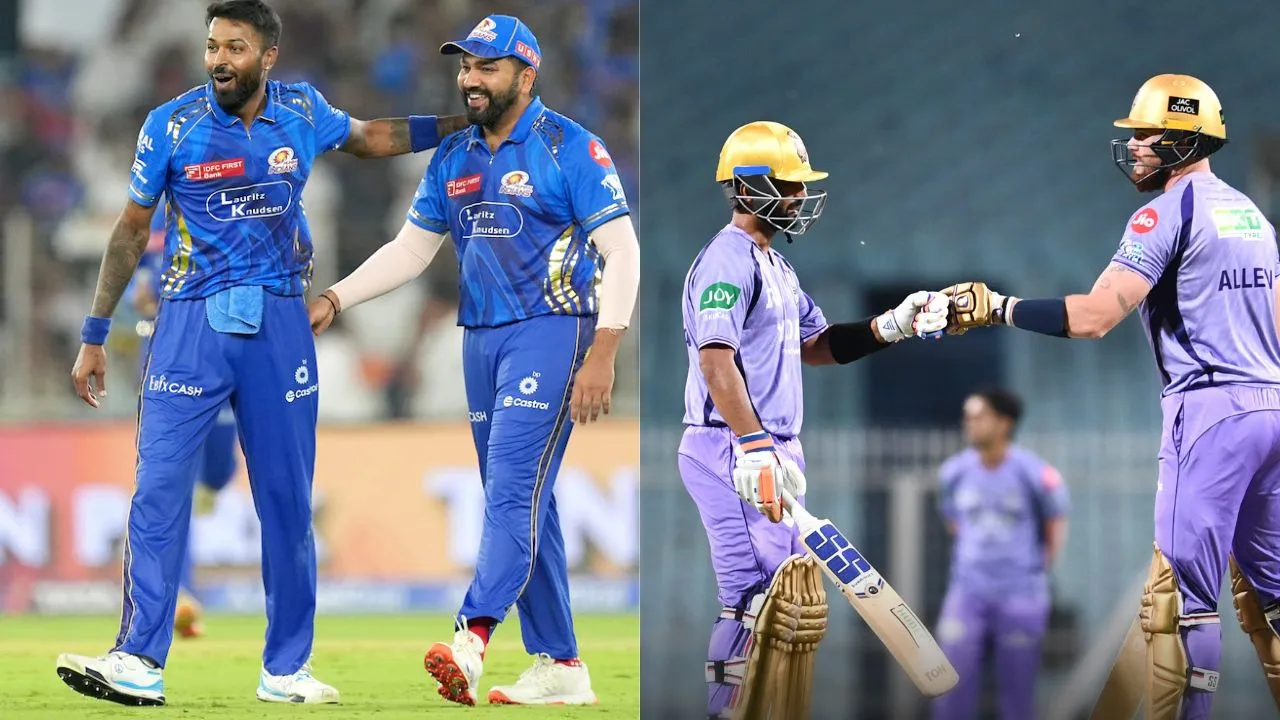
MI vs KKR Match Prediction – Who Will Win Match No.2? | IPL 2026
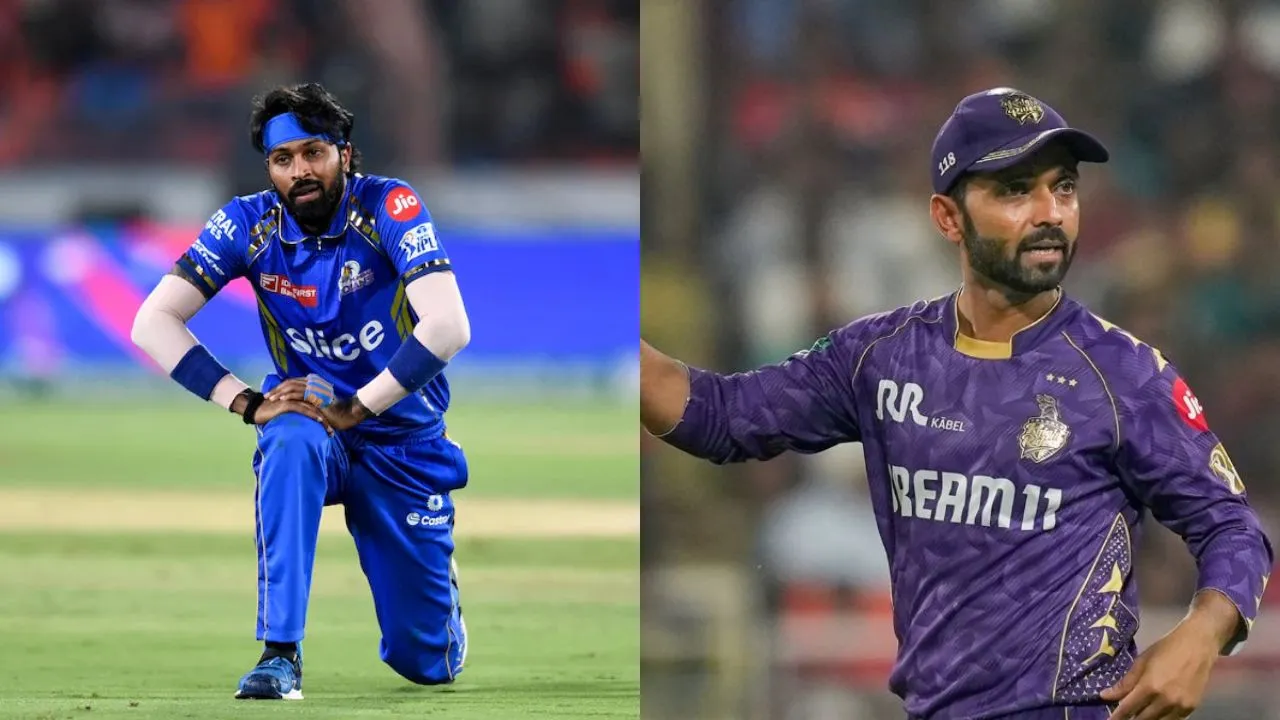
Mumbai Indians Playing XI vs Kolkata Knight Riders Playing XI- Match No. 2 | IPL 2026
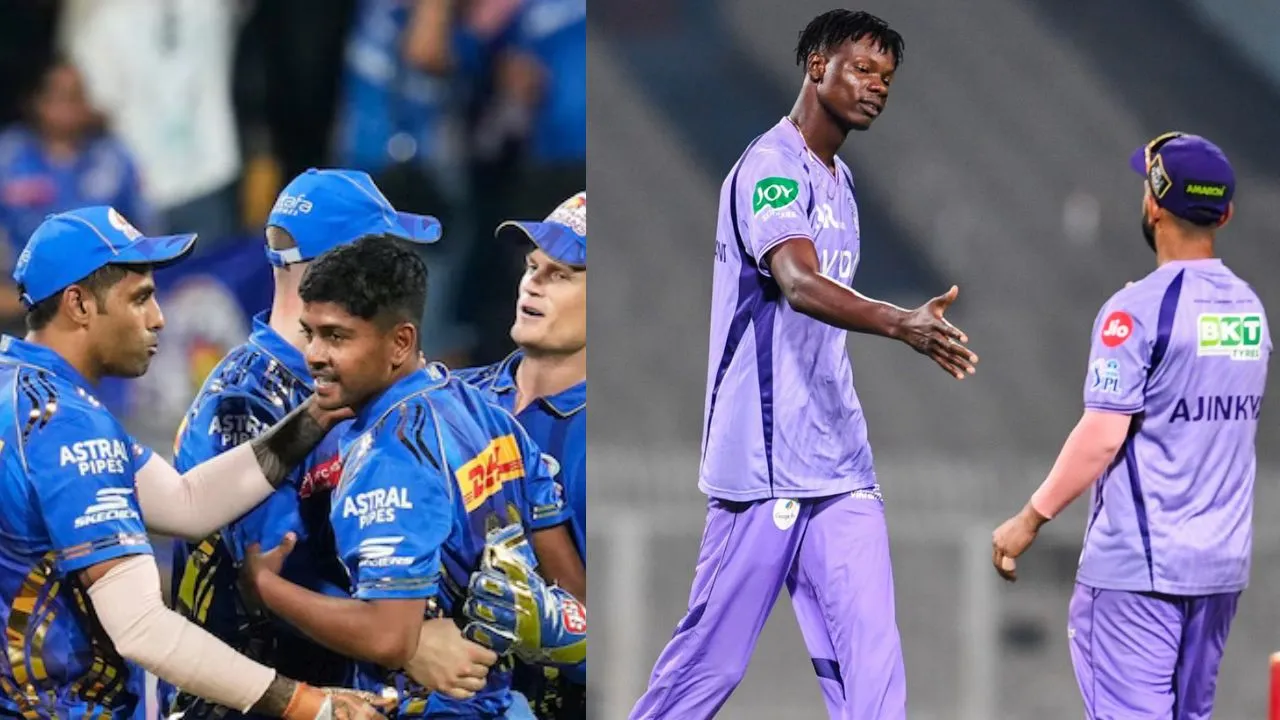
MI vs KKR Match 2 Preview: Free Live Streaming, Pitch & Weather Report, Head-to-Head | IPL 2026

Not English cricket! Jos Buttler credits IPL for his success as a cricketer
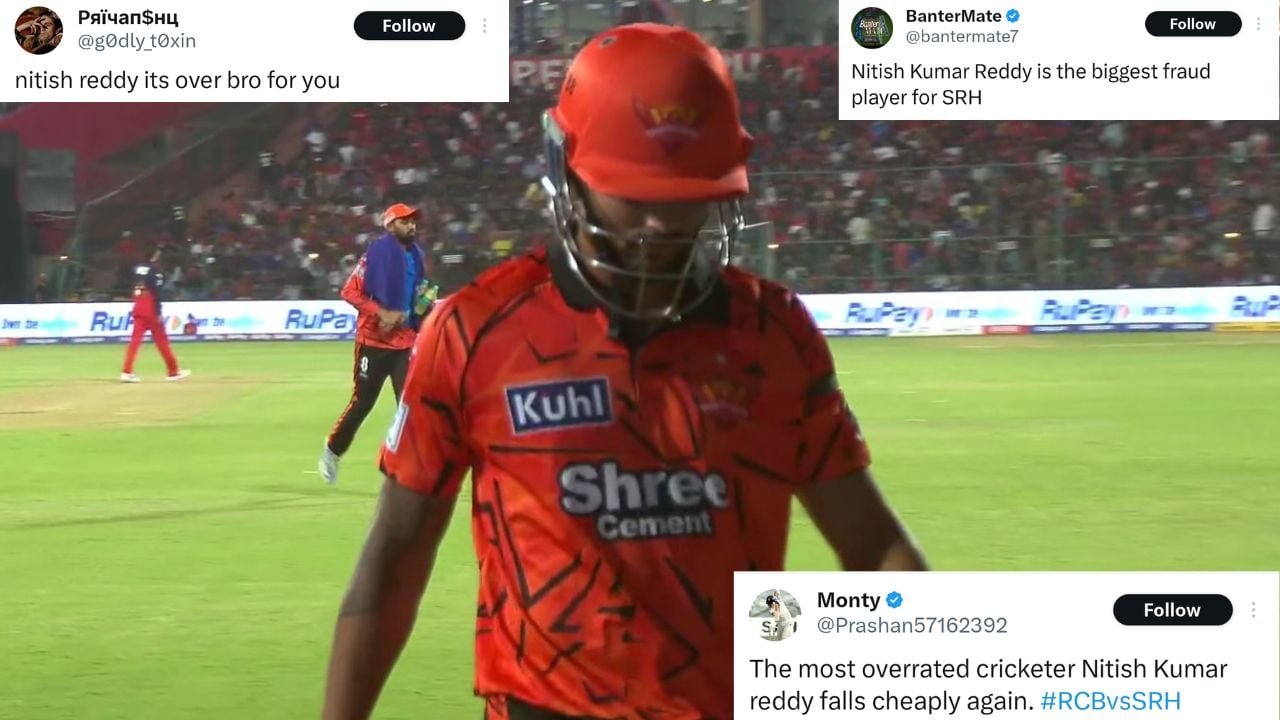
“Nitish Kumar Reddy is biggest fraud”: Fans fume as SRH star fails vs RCB in IPL 2026 opener
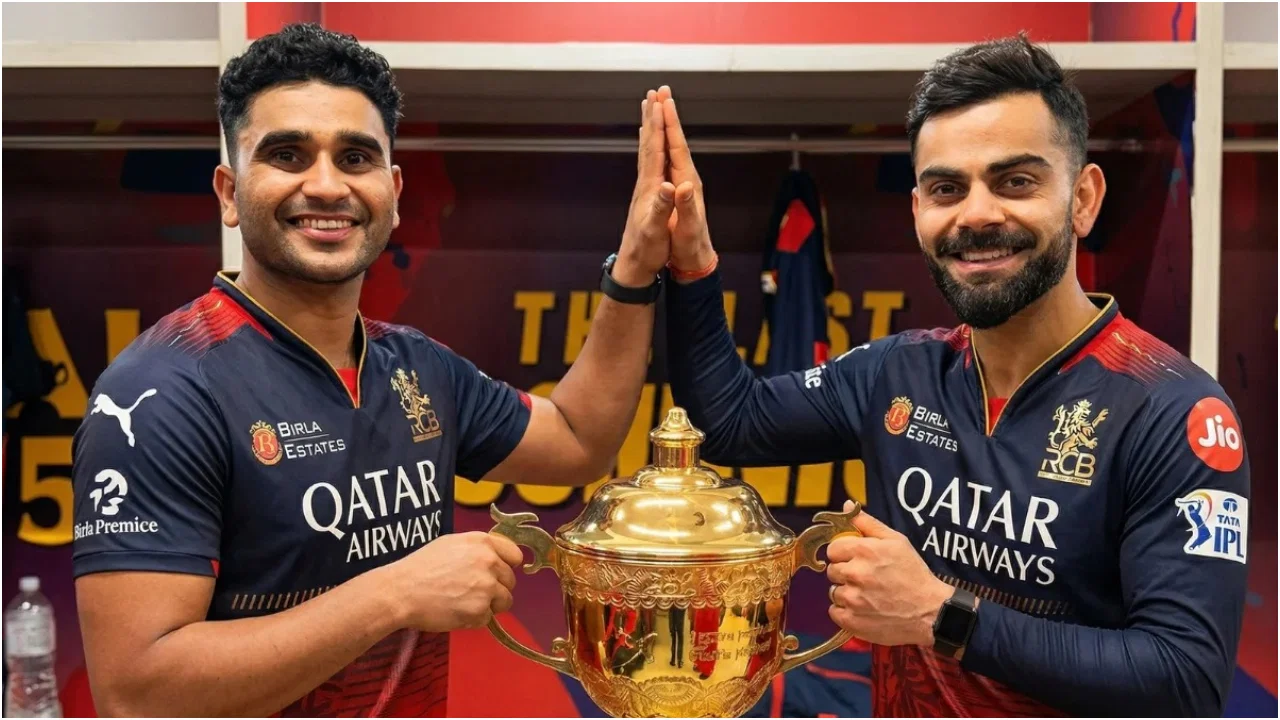
Who is Abhinandan Singh? The Virat Kohli troublemaker who made his IPL debut for RCB vs SRH
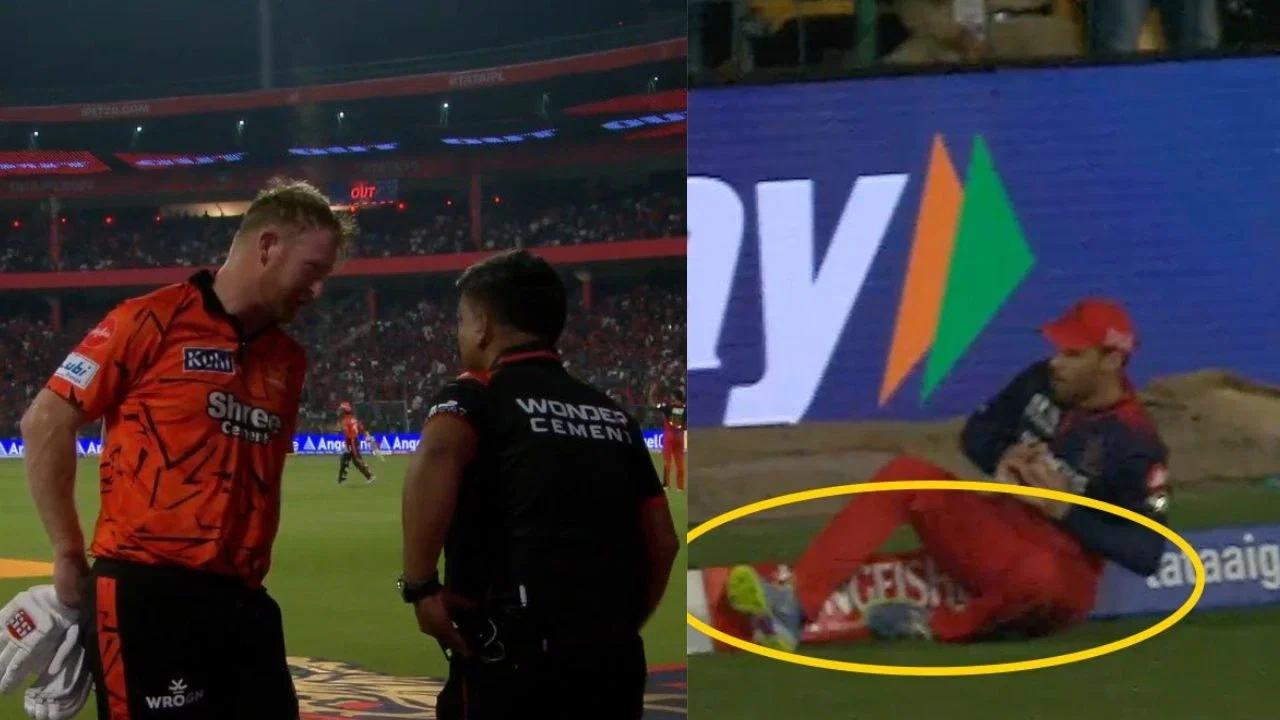
Heinrich Klaasen engages in heated chat with 4th umpire after Phil Salt’s controversial catch in IPL 2026
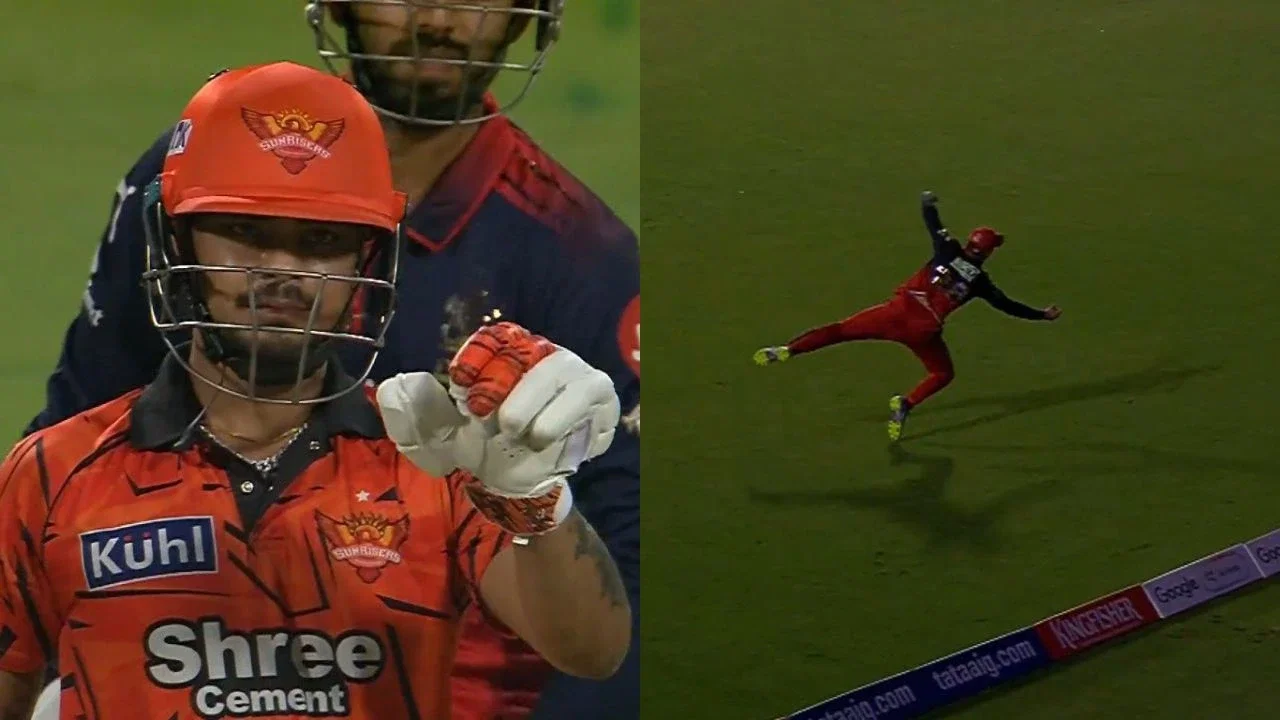
Phil Salt grabs one of the greatest catches in IPL history to dismiss Ishan Kishan
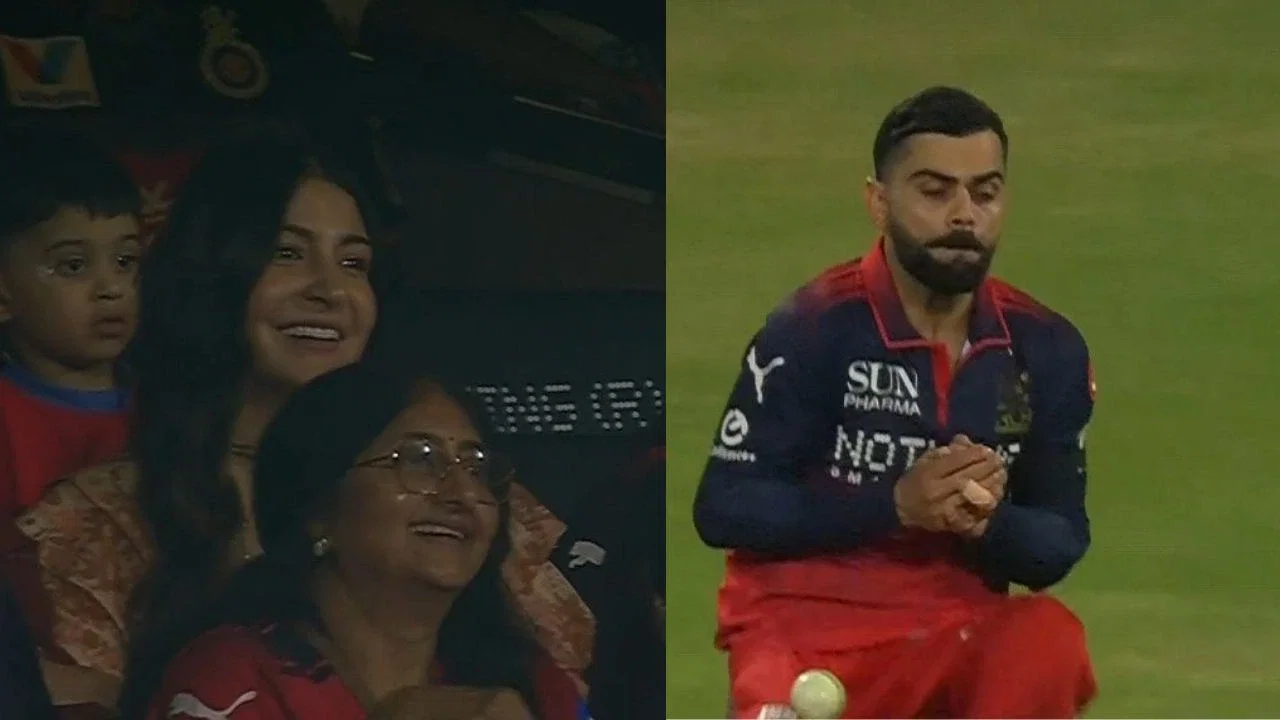
Anushka Sharma laughs as Virat Kohli drops a sitter in RCB vs SRH clash (Watch Video)
Anushka Sharma laughs as Virat Kohli drops a sitter in RCB vs SRH clash (Watch Video)
Anushka Sharma laughs as Virat Kohli drops a sitter in RCB vs SRH clash (Watch Video)
Anushka Sharma laughs as Virat Kohli drops a sitter in RCB vs SRH clash (Watch Video)
Anushka Sharma laughs as Virat Kohli drops a sitter in RCB vs SRH clash (Watch Video)