Rajeev Shukla left red-faced as toxic Lucknow smog forces 4th T20I abandonment
Lucknow Smog Forces Abandonment of India vs. South Africa T20I Match
The Board of Control for Cricket in India (BCCI) faced backlash following the abandonment of the fourth T20I match between India and South Africa in Lucknow due to poor visibility. The incident, which occurred on a winter evening, raised concerns about the timing and location of international fixtures in northern India during the colder months.
Match Delay and Abandonment
The match was scheduled to commence at 7 pm, with the toss set for 6:30 pm in Lucknow. However, as conditions worsened, officials were forced to delay the proceedings. Umpires conducted multiple visibility checks throughout the evening after the scheduled toss time. Despite their efforts, visibility did not improve, leading to the match being called off at 9:30 pm.
Fans both inside the stadium and watching from home grew increasingly frustrated as images and videos circulated on social media showcasing the smog-covered ground. The Air Quality Index remained above 400 throughout the night, prompting concerns for the players’ health and safety.
Players and Officials React
Indian all-rounder Hardik Pandya was seen wearing a surgical mask during the initial warm-up, highlighting the challenging conditions. As the delays persisted, players eventually returned to the dressing rooms, and many spectators began leaving the stadium around 9 pm due to uncertainty over the match start time.
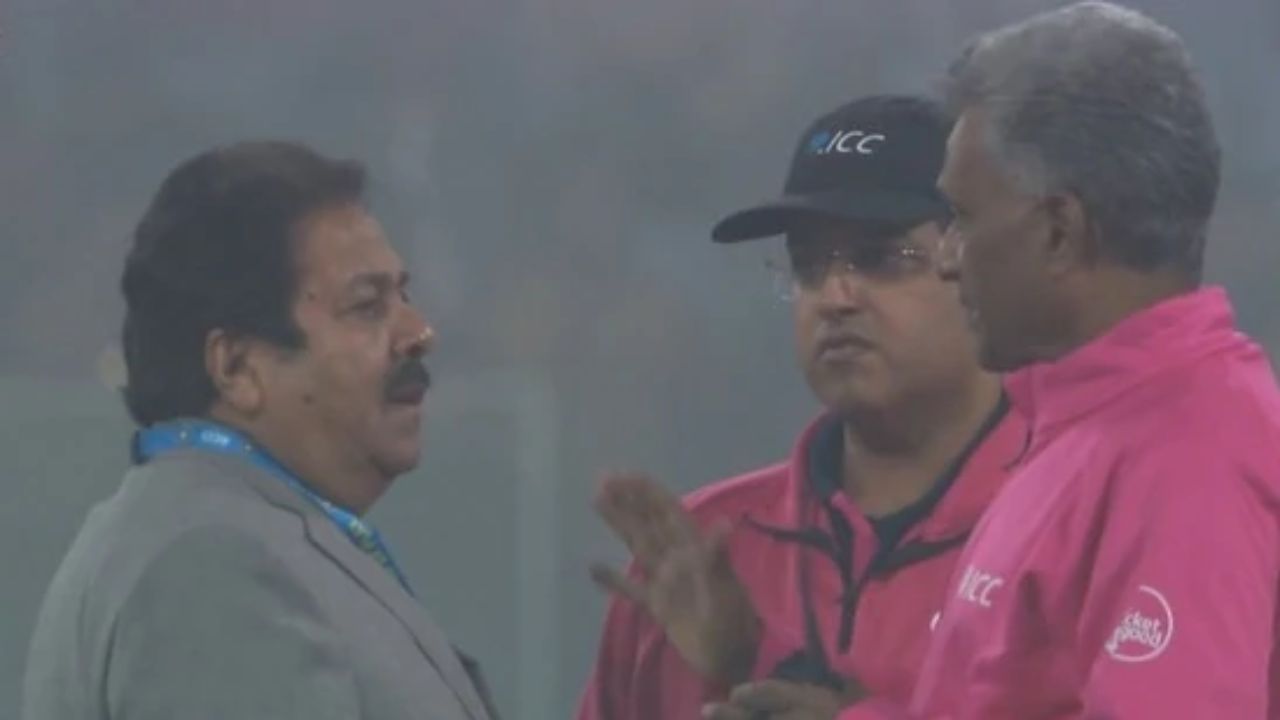
BCCI vice-president Rajeev Shukla was visibly frustrated during the visibility checks, as he engaged in discussions with officials in a bid to salvage the match. The challenging conditions also surprised the players, with spinner Varun Chakravarthy expressing his struggle to cope with the cold weather in Lucknow, a new experience for him.
Reactions to the Abandonment
The abandonment of the match in Lucknow drew criticism and disappointment from various quarters. Congress leader Shashi Tharoor took to social media to express his frustration, suggesting that the game could have been scheduled in Thiruvananthapuram, where air quality was significantly better.
Tharoor’s sentiments resonated with many cricket fans who were left waiting in vain for the match to start. The incident reignited debates about the BCCI’s planning and decision-making processes when it comes to scheduling international matches, especially in regions prone to smog and adverse weather conditions.
Conclusion
The abandonment of the India vs. South Africa T20I match in Lucknow due to poor visibility served as a stark reminder of the challenges faced by cricket authorities in hosting matches during the winter season in northern India. The incident highlighted the need for careful planning and consideration of environmental factors to ensure the safety and well-being of players and spectators alike.
Environmental Considerations in Scheduling International Matches
The abandonment of the India vs. South Africa T20I match in Lucknow due to poor visibility brings to light the importance of considering environmental factors when scheduling international cricket matches. The incident underscores the need for cricket boards and governing bodies to prioritize player safety and well-being over commercial interests and convenience.
With the increasing awareness of environmental issues such as air quality and climate change, cricket authorities must take proactive measures to mitigate risks associated with hosting matches in regions prone to smog and adverse weather conditions. This includes conducting thorough assessments of air quality, visibility, and weather forecasts before finalizing match venues and timings.
Impact on Players’ Health and Performance
The smog-covered conditions in Lucknow not only led to the abandonment of the match but also raised concerns about the potential health implications for players. Poor air quality can have serious effects on respiratory health, leading to breathing difficulties and decreased performance on the field.
Cricket boards and team management must prioritize the health and well-being of players by providing them with adequate support and resources to cope with challenging environmental conditions. This may include implementing guidelines for playing in polluted environments, ensuring access to proper medical care, and educating players on how to protect themselves from the harmful effects of air pollution.
Lessons Learned and Future Precautions
The incident in Lucknow serves as a valuable learning opportunity for cricket authorities and organizers to reassess their approach to scheduling matches in regions with environmental challenges. Moving forward, steps must be taken to incorporate environmental assessments into the venue selection process and establish clear protocols for handling situations where air quality poses a risk to player safety.
Additionally, cricket boards can explore alternative solutions such as investing in air purification systems for stadiums, reserving backup venues with better air quality, or adjusting match timings to avoid peak pollution hours. By taking proactive measures and prioritizing player welfare, cricket authorities can ensure that matches are conducted safely and responsibly, even in regions with environmental constraints.
Community Engagement and Advocacy
As awareness of environmental issues continues to grow, there is an opportunity for cricket boards and players to engage with fans and the broader community in advocating for sustainable practices and cleaner air. By leveraging their platform and influence, cricket stakeholders can raise awareness about the impact of pollution on public health and the environment, inspiring collective action towards cleaner air and healthier communities.
Through partnerships with environmental organizations, public awareness campaigns, and initiatives to reduce carbon footprint, cricket can contribute to a greener and more sustainable future. By aligning with global efforts to combat climate change and promote environmental stewardship, cricket can position itself as a leader in sports sustainability and inspire positive change on a larger scale.
Latest News
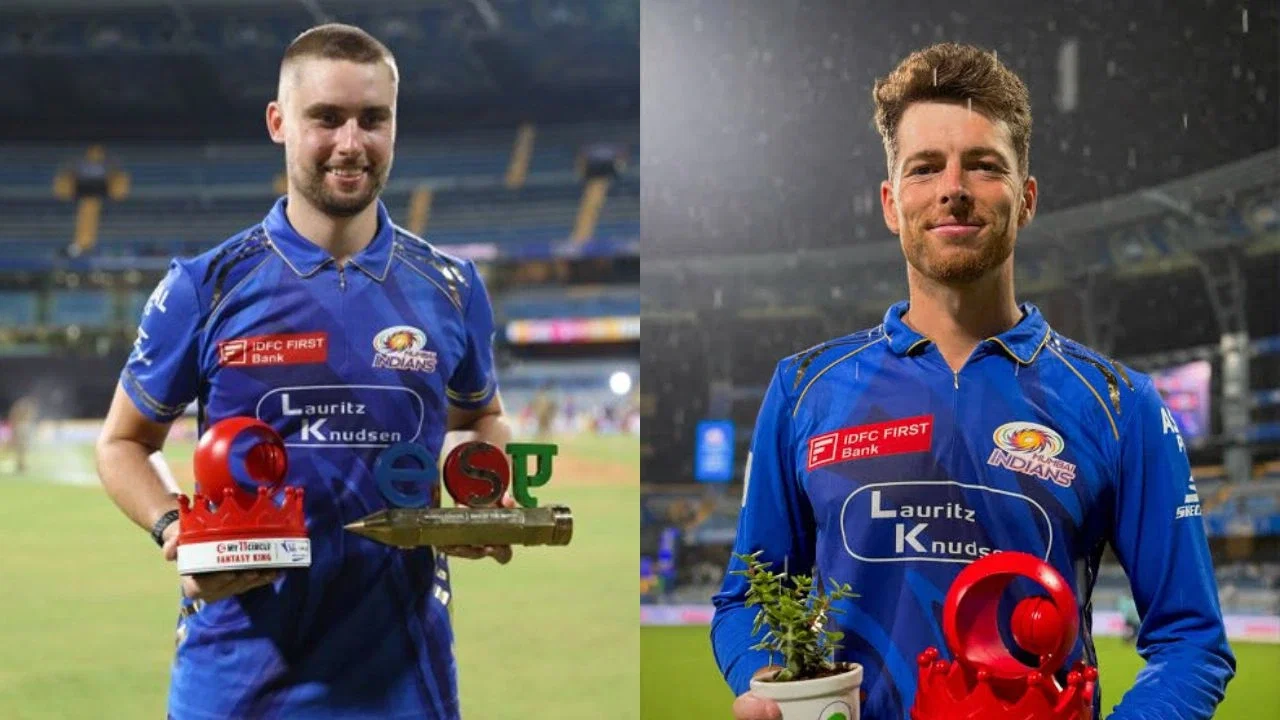
Mumbai Indians suffer blow! Mitchell Santner, Will Jacks ruled out of IPL 2026 games
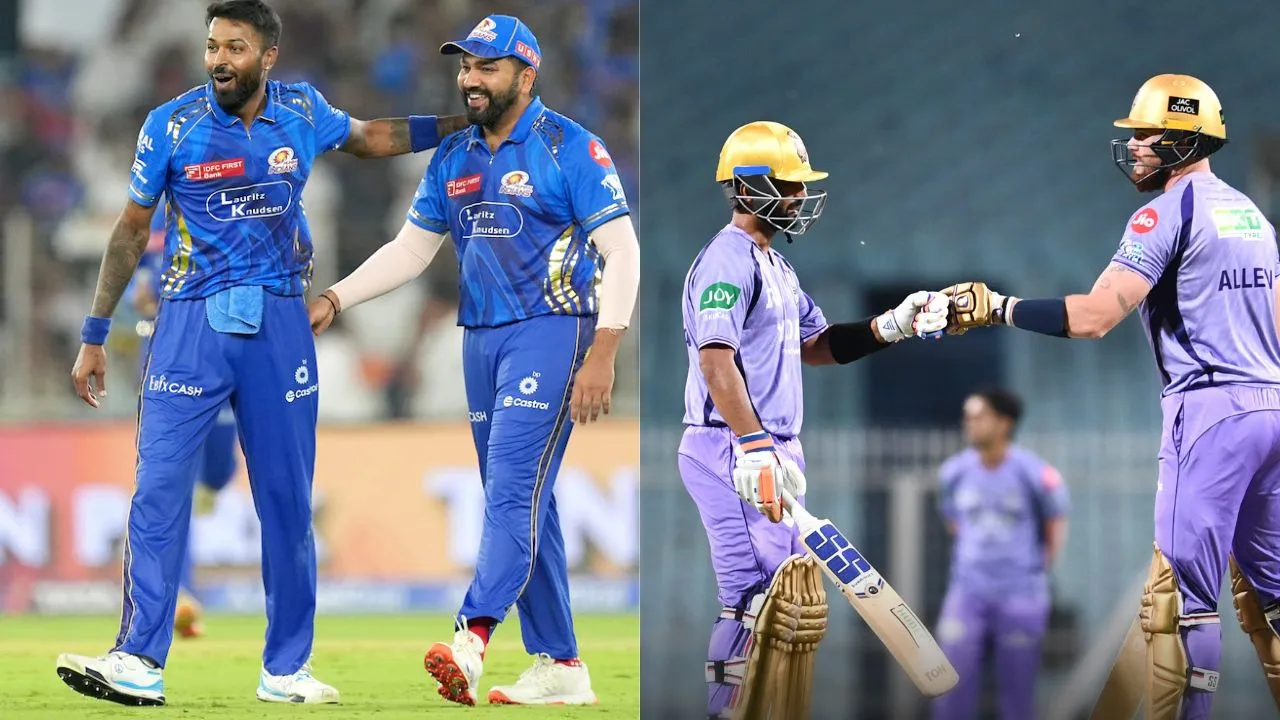
MI vs KKR Match Prediction – Who Will Win Match No.2? | IPL 2026
Mumbai Indians Playing XI vs Kolkata Knight Riders Playing XI- Match No. 2 | IPL 2026
MI vs KKR Match 2 Preview: Free Live Streaming, Pitch & Weather Report, Head-to-Head | IPL 2026
Not English cricket! Jos Buttler credits IPL for his success as a cricketer
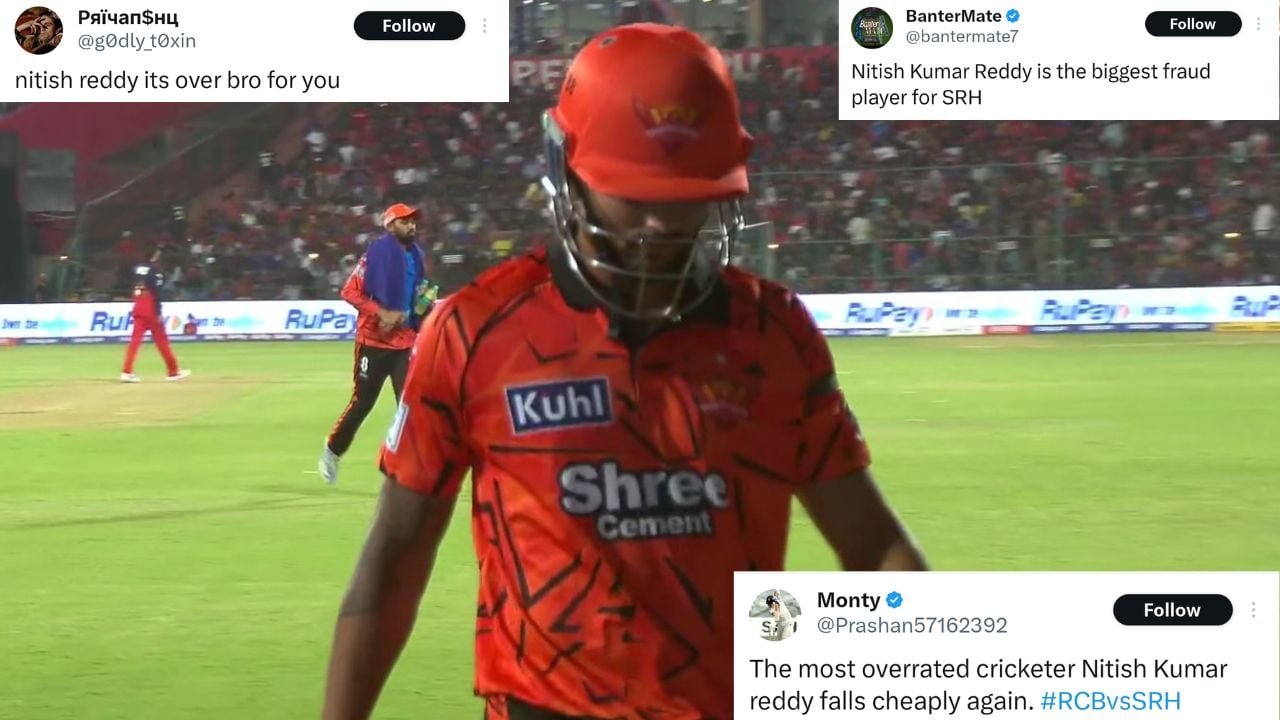
“Nitish Kumar Reddy is biggest fraud”: Fans fume as SRH star fails vs RCB in IPL 2026 opener
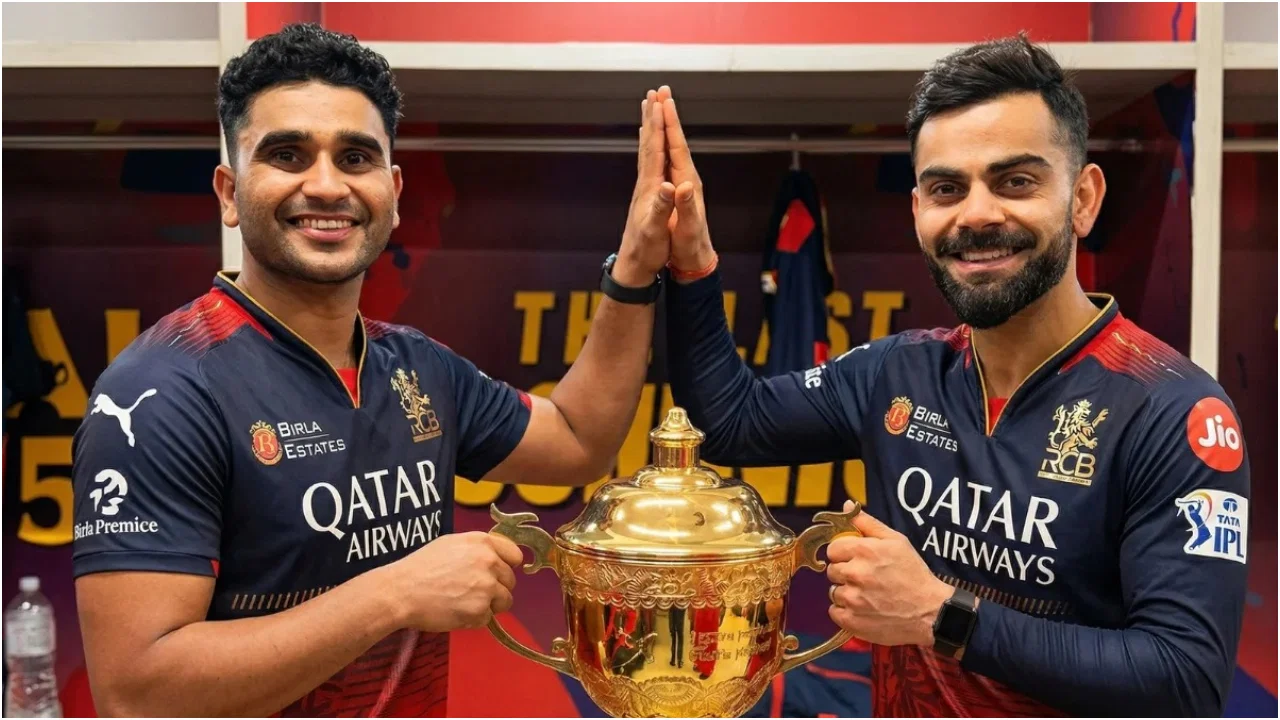
Who is Abhinandan Singh? The Virat Kohli troublemaker who made his IPL debut for RCB vs SRH
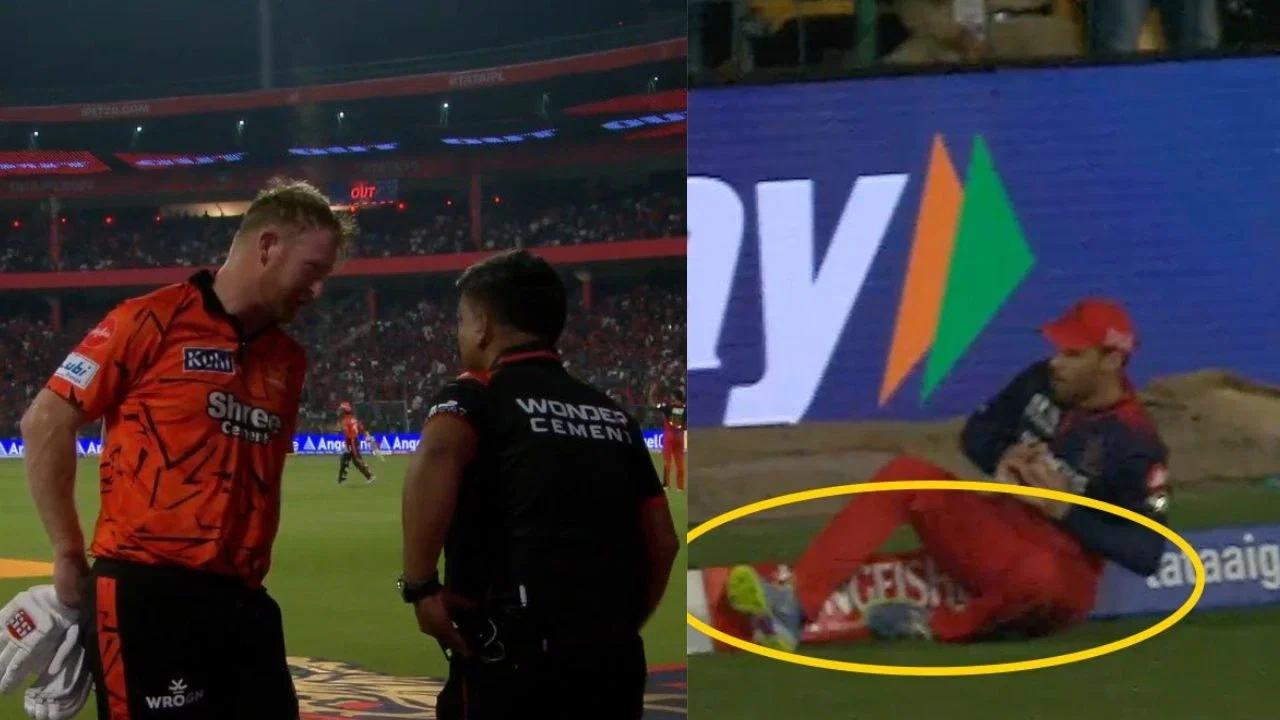
Heinrich Klaasen engages in heated chat with 4th umpire after Phil Salt’s controversial catch in IPL 2026
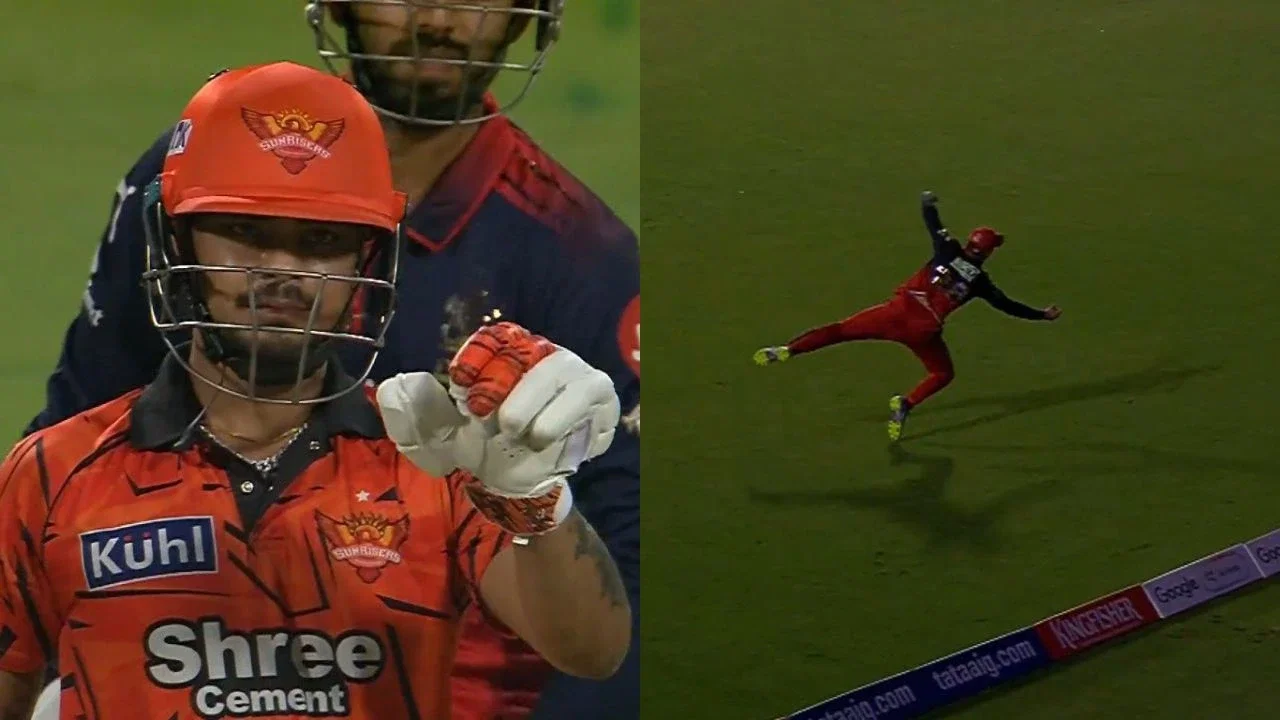
Phil Salt grabs one of the greatest catches in IPL history to dismiss Ishan Kishan
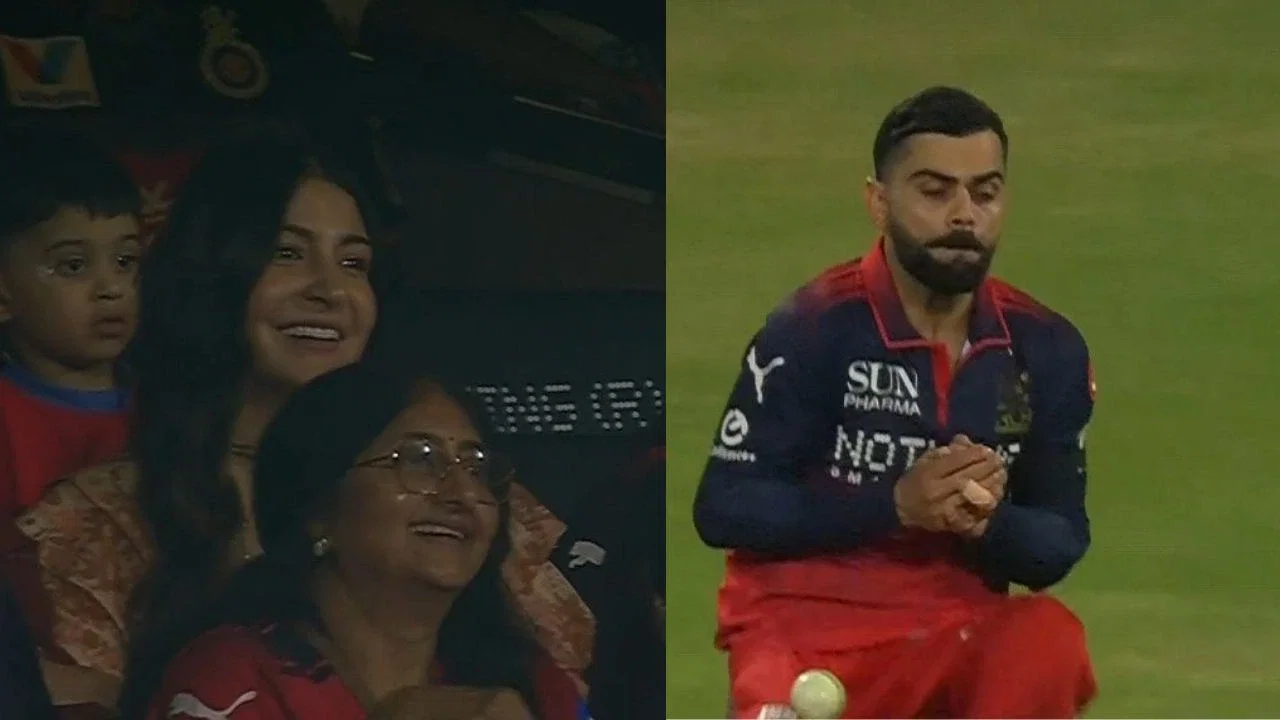
Anushka Sharma laughs as Virat Kohli drops a sitter in RCB vs SRH clash (Watch Video)
Anushka Sharma laughs as Virat Kohli drops a sitter in RCB vs SRH clash (Watch Video)
Anushka Sharma laughs as Virat Kohli drops a sitter in RCB vs SRH clash (Watch Video)
Anushka Sharma laughs as Virat Kohli drops a sitter in RCB vs SRH clash (Watch Video)
Anushka Sharma laughs as Virat Kohli drops a sitter in RCB vs SRH clash (Watch Video)