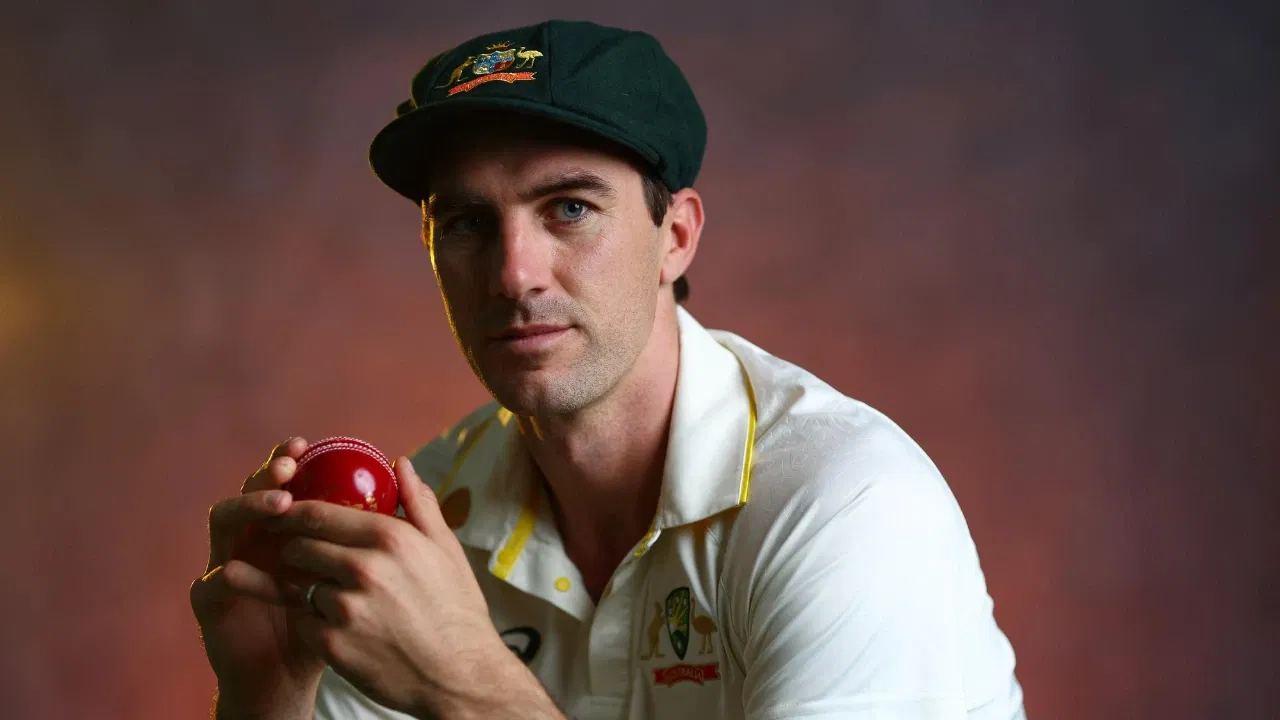
Ramiz Raja Faces Backlash For Distasteful Comment To Netherlands Captain Scott Edwards After Pakistan Clinch Thrilling Win
Pakistan kicked off their T20 World Cup 2026 campaign with a nail-biting victory over Netherlands in a thrilling match that kept fans on the edge of their seats until the very end.
Pakistan’s Bowling Shines
Netherlands batted first and managed to score 147 runs before being bowled out. Captain Scott Edwards was the top-scorer for his team with 37 runs off 29 balls. Despite getting good starts, the likes of Michael Levitt, Bas de Leede, and Colin Ackermann failed to convert them into significant scores. Pakistan’s bowlers, led by Salman Mirza with 3 wickets for 24 runs, put up an impressive performance. Mohammad Nawaz, Abrar Ahmed, and Saim Ayub also chipped in with two wickets each.
Pakistan’s Thrilling Chase
In response, Pakistan faced some tense moments as they chased down the target with just three balls to spare. Initially cruising at 98/3 after 11 overs, Pakistan suffered a batting collapse, slipping to 114/7. With 29 runs needed off the last two overs, Netherlands seemed to have the upper hand until Faheem Ashraf’s sensational knock turned the game around. Ashraf’s blitz in the penultimate over, scoring 24 runs off just 11 balls, helped Pakistan secure a hard-fought victory. He was rightfully awarded the Player of the Match for his match-winning performance.
Ramiz Raja’s Controversial Remark
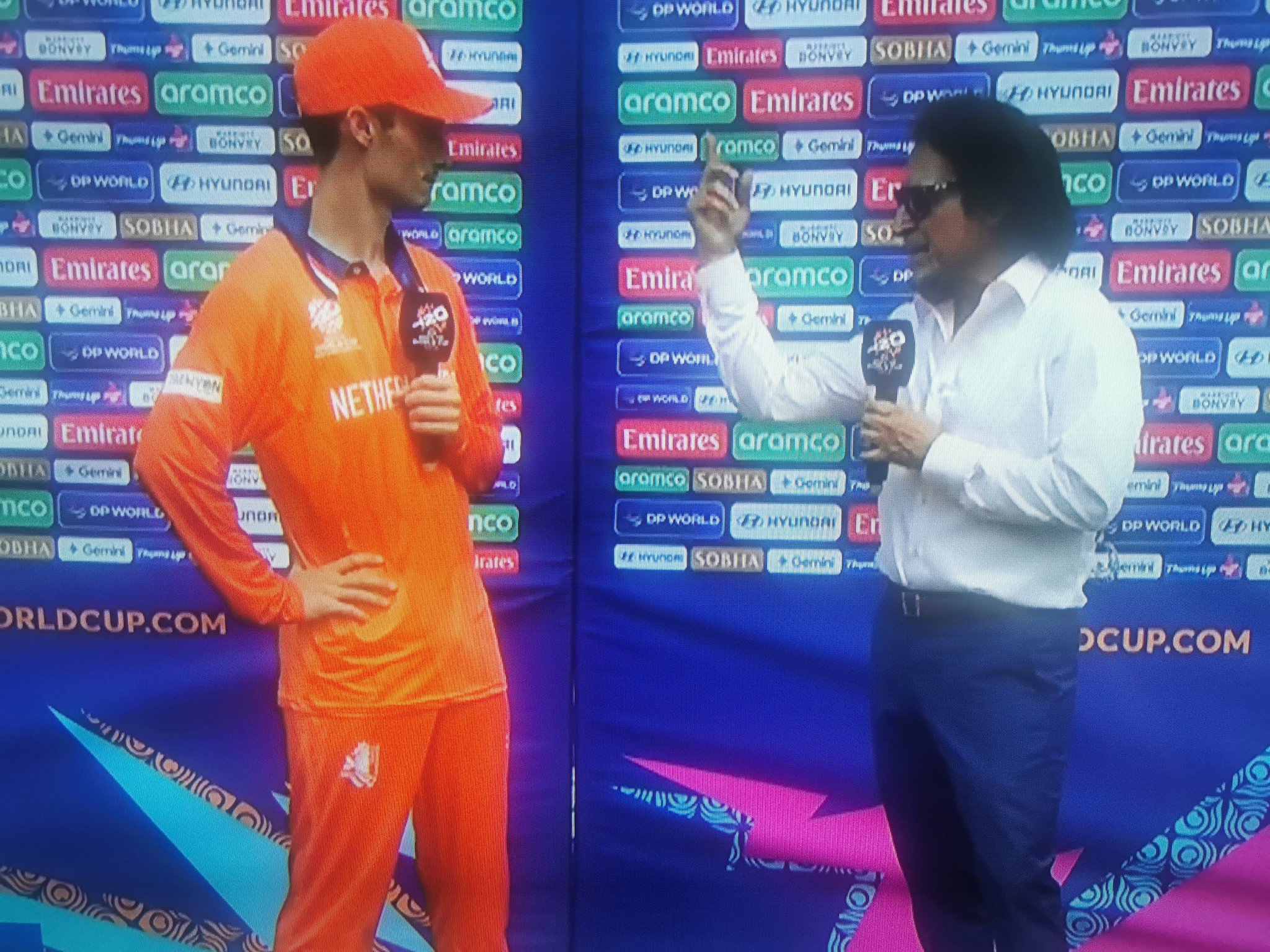
After the game, former Pakistan cricketer-turned-commentator Ramiz Raja found himself in hot water once again for a remark he made during an interview with Netherlands captain Scott Edwards. Ramiz Raja’s comment, “Good effort, well tried,” was seen by many as patronizing and disrespectful towards the opposition. Social media users were quick to criticize Raja for undermining Netherlands’ efforts and abilities.
However, despite the controversial remark, Edwards maintained his composure and graciously shared his thoughts on the match, highlighting the positives and showing sportsmanship in the face of adversity.
Conclusion
Overall, Pakistan’s thrilling victory over Netherlands in the T20 World Cup 2026 showcased the unpredictable nature of the sport and the resilience of both teams. The match was a rollercoaster of emotions for players and fans alike, underscoring the competitive spirit and excitement that cricket brings to the global stage. As the tournament progresses, fans can expect more thrilling encounters and unexpected twists as teams vie for supremacy and the ultimate prize in T20 cricket.
The Significance of Predictive Analytics in Cricket
In the world of cricket, especially in high-stakes tournaments like the T20 World Cup, teams are increasingly turning to predictive analytics to gain a competitive edge. Predictive analytics involves using historical data, statistical algorithms, and machine learning techniques to anticipate future outcomes based on patterns and trends.
Teams like Pakistan are leveraging predictive analytics to analyze player performance, opposition strategies, pitch conditions, and other variables to make informed decisions on team selection, game plans, and in-game tactics. By harnessing the power of data and technology, teams can optimize their chances of success and adapt quickly to changing circumstances during a match.
Key Areas of Prediction in Cricket
1. **Player Performance:** Predictive analytics can help teams identify players who are in form and likely to make a significant impact in a match. By analyzing factors like batting average, strike rate, bowling economy, and fielding statistics, teams can make data-driven decisions on team composition and batting order.
2. **Match Outcome:** Predictive models can forecast the likelihood of a team winning a match based on historical data, head-to-head records, and other relevant parameters. By simulating different scenarios and outcomes, teams can strategize effectively and make real-time adjustments during a match to improve their chances of success.
3. **Innings Total:** Predictive analytics can also be used to predict the optimal target for a team batting first or chasing a total. By considering factors like the pitch condition, weather forecast, and team strength, teams can set realistic targets and adjust their approach to maximize their chances of victory.
4. **Player Injury and Fatigue:** Predictive models can analyze player workload, fitness levels, and injury history to predict the likelihood of a player getting injured or fatigued during a match. This information can help teams manage player workload effectively and minimize the risk of injuries that could impact team performance.
The Future of Predictive Analytics in Cricket
As technology continues to evolve, the role of predictive analytics in cricket is only expected to grow. Advanced data analytics tools, artificial intelligence, and machine learning algorithms are enabling teams to delve deeper into player performance, match dynamics, and strategic insights to stay ahead of the competition.
In the coming years, we can expect to see more sophisticated predictive models, real-time data analysis, and customized strategies tailored to individual players and match situations. The integration of wearable technology, video analysis, and biometric data will further enhance the predictive capabilities of teams and revolutionize the way cricket is played and analyzed.
In conclusion, predictive analytics is reshaping the landscape of cricket by providing teams with valuable insights, strategic advantages, and performance optimization opportunities. As teams like Pakistan continue to embrace data-driven decision-making and innovation, the future of cricket looks set to be driven by the power of prediction and analytics. Fans can look forward to a more exciting, engaging, and competitive cricketing experience fueled by the science of prediction.
Latest News
IPL 2026 second-half schedule announcement date revealed by BCCI secretary
LHQ vs HYDK Match Prediction, Pitch & Weather Report, Playing XIs, Head-to-Head, Free Live Streaming – PSL 2026 Match 1
Aditya Birla Group confirms NO NAME CHANGE plans after RCB takeover
Virat Kohli will win Orange Cap: Jitesh Sharma makes bold IPL 2026 predictions
David Warner tears into Shaheen Afridi and Mohammad Rizwan at PSL captains’ press conference

“Joker and Clueless”: Lalit Modi’s fiery attack on Sanjiv Goenka for his Jay Shah remark after RR–RCB mega sale
IPL 2026: BCCI scraps opening ceremony! Virat Kohli’s RCB linked to shocking decision
Sanju Samson gets huge role as Ruturaj Gaikwad confirms CSK openers for IPL 2026
Prithvi Shaw declares his mission to return to team India begins from IPL 2026
Irfan Pathan questions Arshdeep Singh’s bowling ahead of IPL 2026
“Mind is somewhere else”: Yuvraj’s Father exposes Abhishek Sharma’s indiscipline lifestyle
EX-RCB pacer joins KKR as replacement of Harshit Rana ahead of IPL 2026

“Win our first trophy”: Sanjiv Goenka crowns LSG as champions ahead of IPL 2026
New catching rule? Captains warned over ‘Incomplete’ catches ahead of IPL 2026