Rashid Latif fears death, refuses to say a word against Mohsin Naqvi
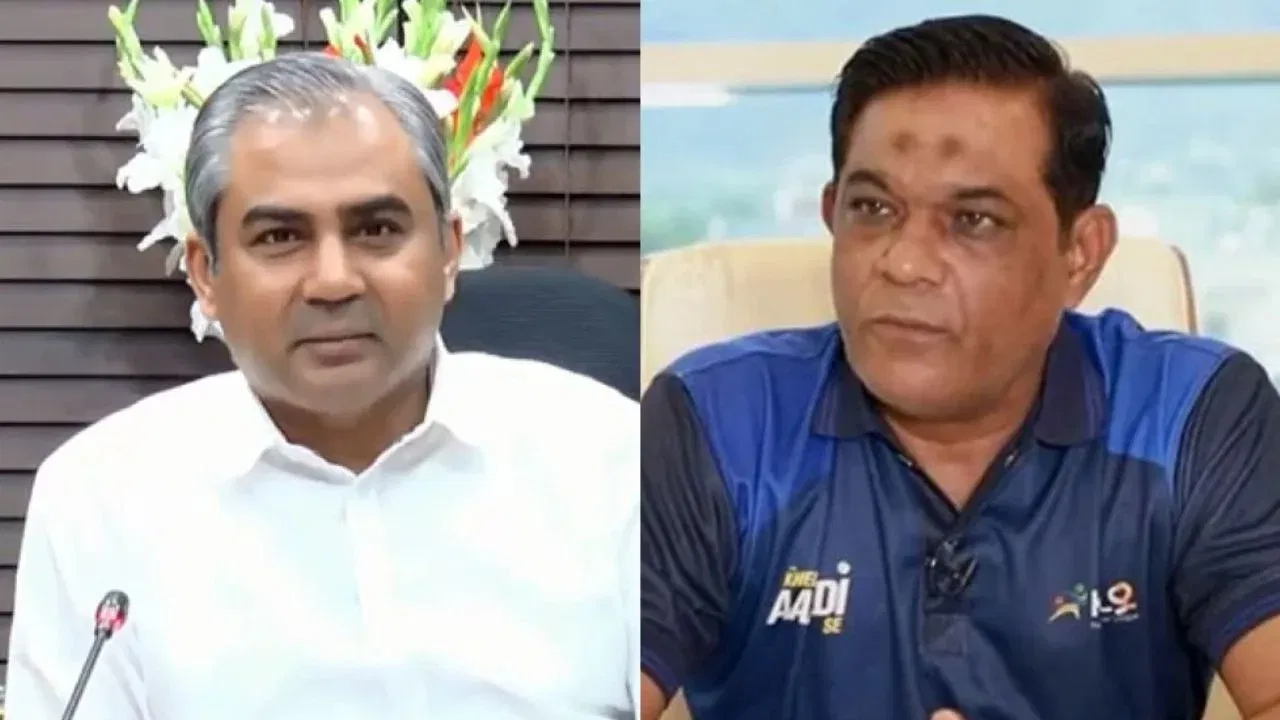
**Rashid Latif Warns of Political Pressure and Lack of Transparency in PCB**
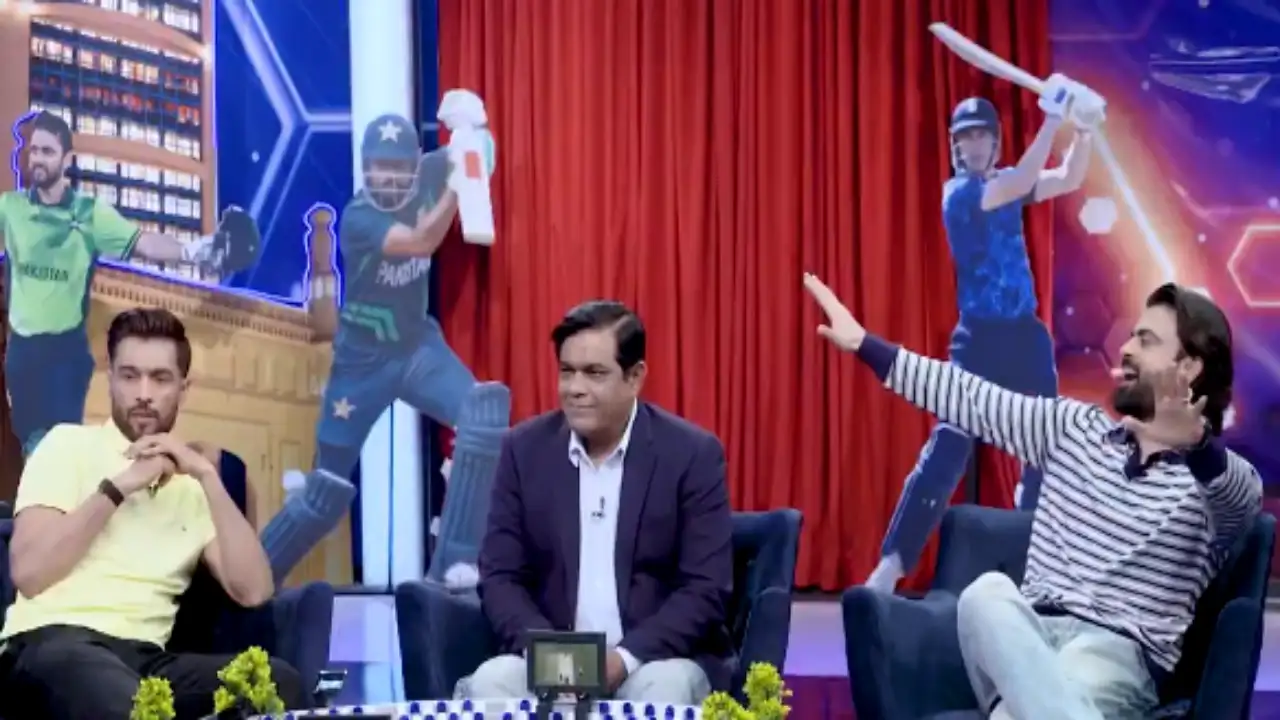
**During a recent television show, former cricketer Rashid Latif raised concerns about the lack of transparency and potential political pressure within the Pakistan Cricket Board (PCB).**
In a cryptic response to a question about PCB Chairman Mohsin Naqvi’s busy schedule and its impact on Pakistan cricket, Latif avoided directly addressing the issue. Instead, he delivered a warning that implied the consequences of speaking the truth in a politically charged environment.
Latif’s ominous statement, “You might get saved, but we won’t be saved if we tell the truth,” shed light on the challenges faced by individuals trying to navigate the complex web of politics and transparency in the cricket board. The host of the show, Tabish Hashmi, acknowledged the gravity of Latif’s words, adding, “You (Rashid Latif) won’t be saved after making this comment either.”
The exchange on the television show highlighted the underlying tensions and potential hurdles faced by stakeholders within the PCB. It brought to light the delicate balance between speaking out against injustices and safeguarding one’s position within the cricketing community.
**PCB Chairman Mohsin Naqvi Holds Meetings with Salman Agha and Shaheen Afridi**
**Amidst mounting pressure on Salman Agha’s captaincy, PCB Chairman Mohsin Naqvi recently met with key players to discuss the team’s performance and future strategies.**
Following a string of disappointing results in the Asia Cup and the T20 World Cup 2026, captain Salman Agha’s position has come under scrutiny. Naqvi held separate meetings with Agha and ODI skipper Shaheen Afridi to review the team’s recent performances and plan for upcoming series.
During the discussions, Agha provided insights into the team’s underwhelming T20 World Cup campaign, where they failed to advance to the final four. The meeting with Afridi focused on selecting the squad for the upcoming three-match ODI series in Bangladesh, which notably excluded Babar Azam and Saim Ayub due to their struggles in the T20 World Cup.
**Pakistan’s Disappointing Exit from T20 World Cup 2026**
**Pakistan’s Men’s cricket team faced a disappointing exit from the T20 World Cup 2026 after failing to secure a spot in the semifinals.**
The team’s journey in the tournament was fraught with challenges, including a significant loss to India in the group stage. Despite reaching the Super 8s, Pakistan’s defeat against England dashed their hopes of progressing to the knockout stages.
Although they managed to clinch a victory against Sri Lanka in the final Super 8 game, it was not enough to secure a semifinal berth. New Zealand’s superior net run rate propelled them into the semifinals, leaving Pakistan to reflect on a tournament filled with missed opportunities and unfulfilled potential.
**The Impact of Predictions and Expectations on Pakistan Cricket**
As Pakistan cricket continues to navigate through challenges and uncertainties, the role of predictions and expectations cannot be overlooked. The pressure to perform at the highest level, coupled with the expectations of fans and stakeholders, adds another layer of complexity to an already demanding environment.
Predictions play a significant role in shaping the narrative around a team’s performance. Before major tournaments like the T20 World Cup, experts, analysts, and fans alike often make predictions about which teams will excel and which ones may struggle. While these predictions are based on past performances, statistics, and current form, they can sometimes place undue pressure on players and management.
In the case of Pakistan’s disappointing exit from the T20 World Cup 2026, the weight of expectations may have contributed to the team’s underwhelming performance. The high hopes pinned on talented players like Babar Azam and Saim Ayub may have inadvertently added to the pressure they felt on the field, impacting their ability to deliver consistent results.
Moreover, predictions can also influence decision-making within the cricket board, as seen in the case of Salman Agha’s captaincy. The scrutiny faced by Agha following Pakistan’s exit from the T20 World Cup could be attributed to pre-tournament predictions about the team’s chances of success. The pressure to live up to these expectations may have influenced the discussions and meetings held by PCB Chairman Mohsin Naqvi.
It is essential for stakeholders within the PCB to strike a balance between embracing predictions and managing expectations effectively. While predictions can provide valuable insights and help set goals for the team, it is crucial not to let them overshadow the players’ performance or cloud the judgment of decision-makers.
Moving forward, Pakistan cricket must learn from past experiences and use predictions as a tool for improvement rather than a burden to carry. By fostering a culture of resilience, adaptability, and transparency, the team can navigate through challenges with confidence and unity, regardless of the external pressures they may face.
As Rashid Latif’s warning about political pressure and lack of transparency in the PCB resonates with stakeholders, it serves as a reminder of the importance of maintaining integrity and honesty in the face of adversity. By addressing these underlying issues and fostering a culture of openness and accountability, Pakistan cricket can strive towards a brighter and more sustainable future.
Latest News
“His bowling is terrible” – Ex-India captain tears into Sam Curran before IND vs ENG semi-final
Abhishek Sharma dropped? India Playing XI for England clash officially revealed hours before match
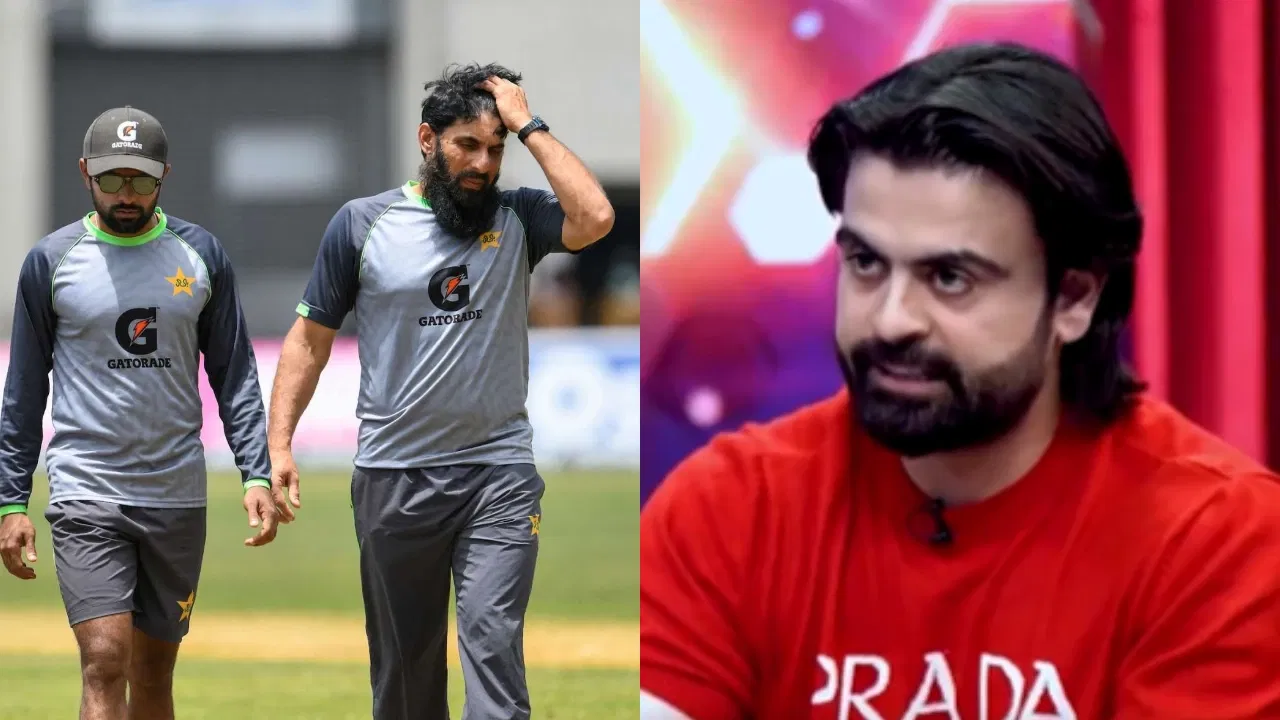
Ahmed Shehzad exposes ‘evil’ Misbah-ul-Haq for stopping salary of Babar Azam’s teammate
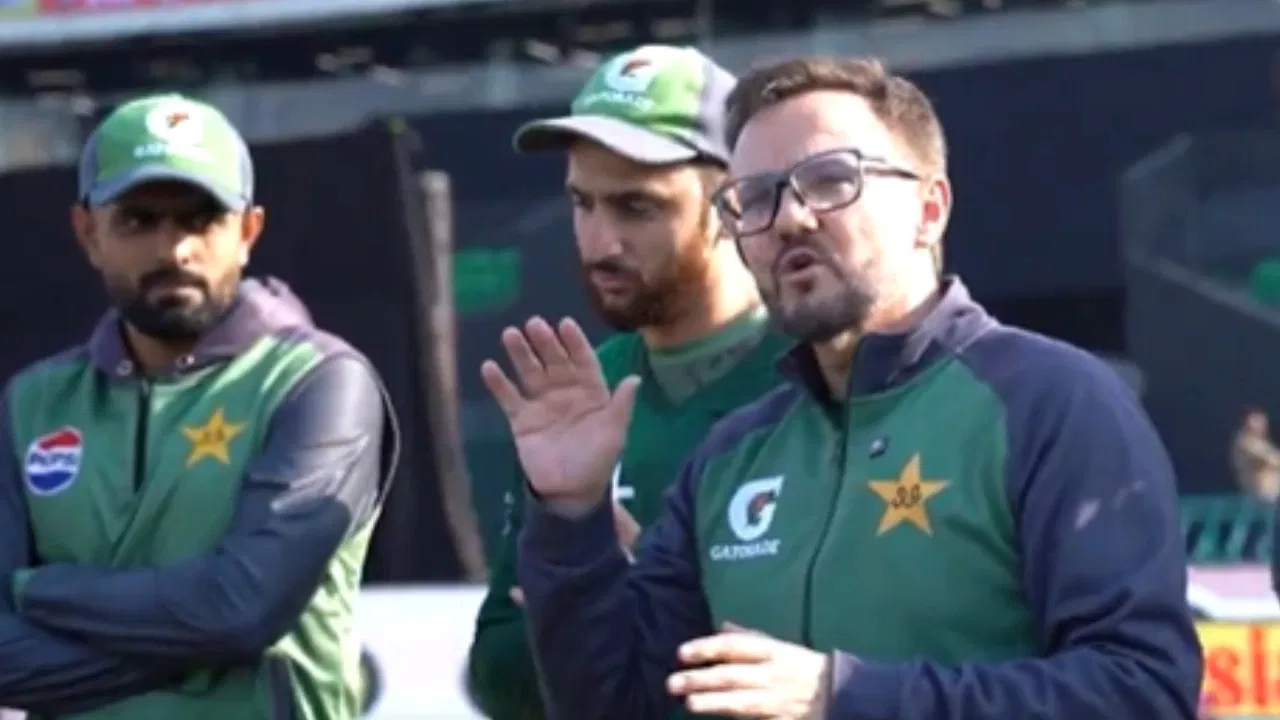
PCB officially backs Salman Agha, Shaheen Afridi for white-ball captaincy; Mike Hesson to continue as head coach
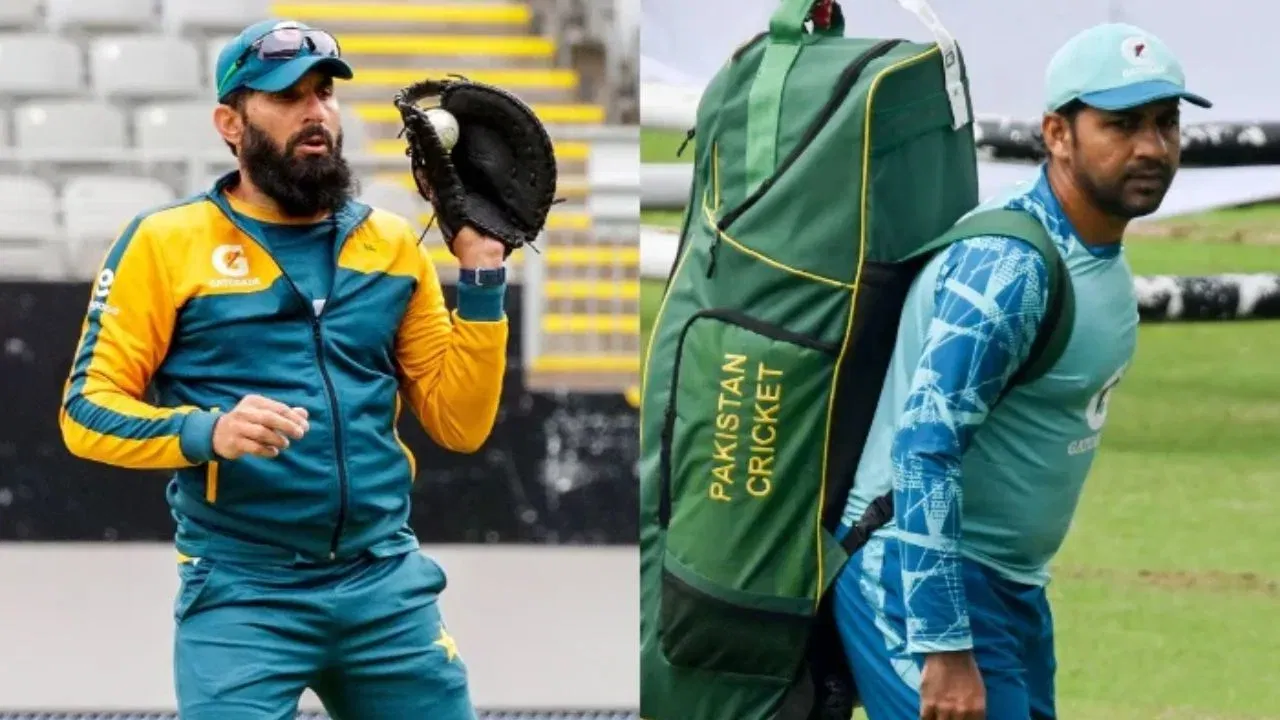
Misbah-ul-Haq, Sarfaraz Ahmed join new Pakistan selection committee after T20 World Cup 2026
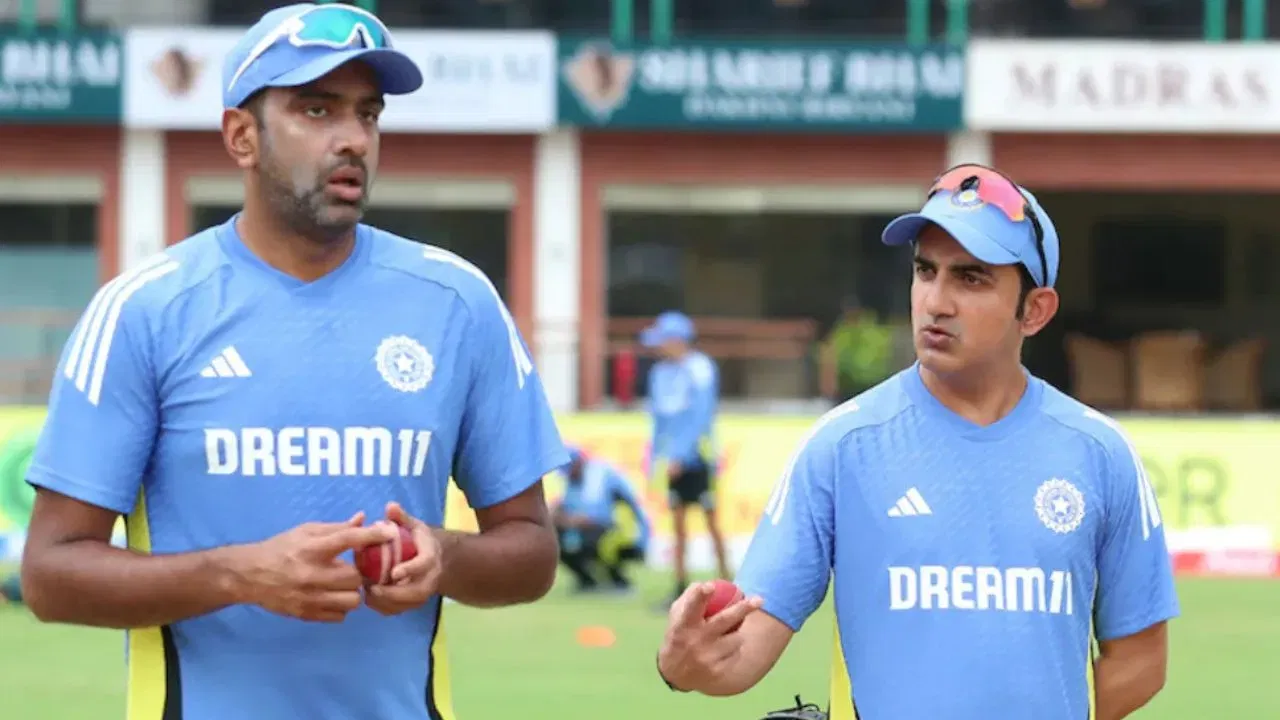
Ravichandran Ashwin BURNS down Gautam Gambhir over ‘data’ remarks
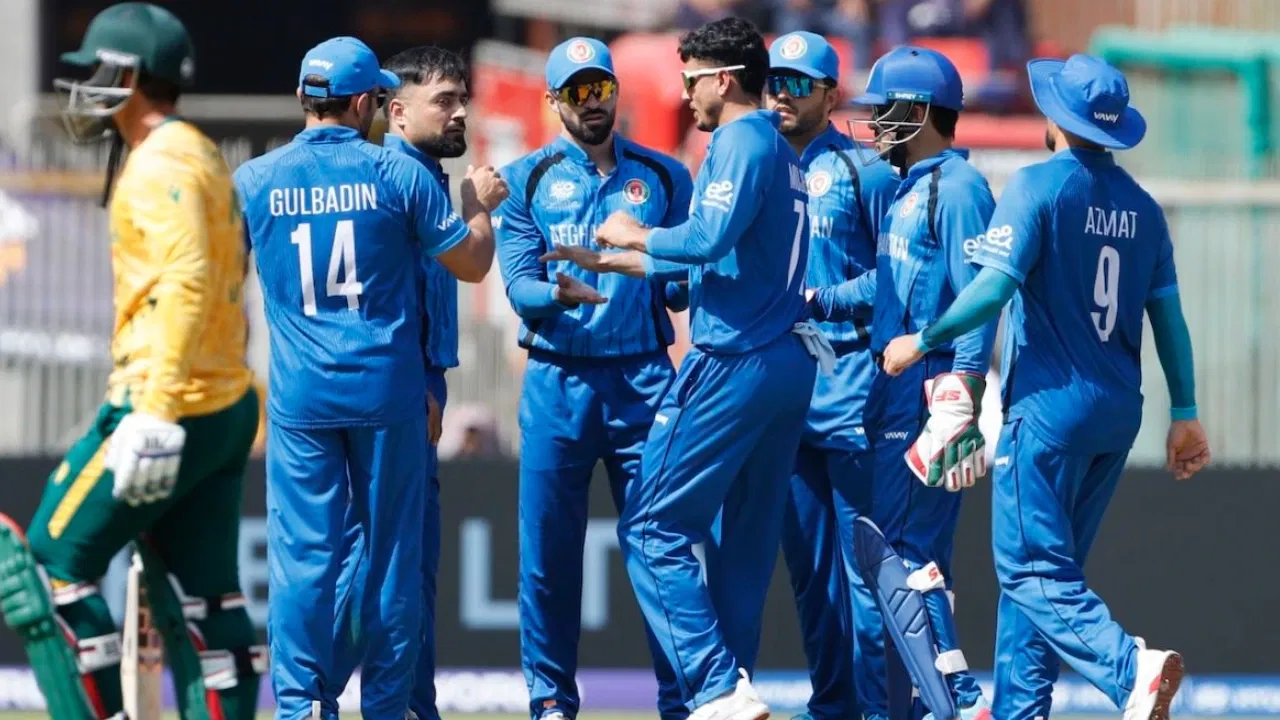
Rashid Khan SACKED! Rohit Sharma-Virat Kohli challenger named new Afghanistan captain
West Indies head coach Darren Sammy takes a swipe at Jay Shah after being stranded in Kolkata
Rashid Latif fears death, refuses to say a word against Mohsin Naqvi
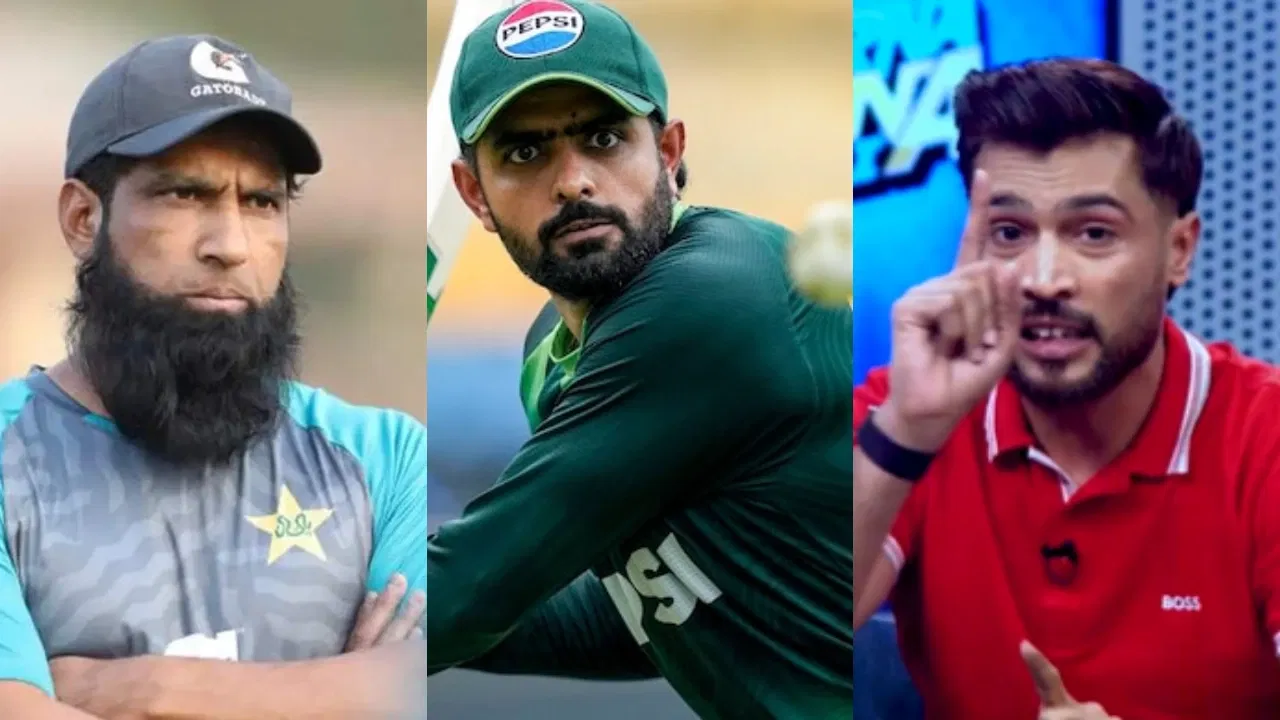
Mohammad Amir, Mohammad Yousuf revolt against Mohsin Naqvi after Babar Azam’s ODI axing
Moeen Ali ignored for The Hundred auction after pro-Pakistan stance against IPL owners
Pakistan star harasses female hotel staff in Sri Lanka; Mohsin Naqvi shamed into taking strong action
Ahmed Shehzad again SLAPS Mohammad Amir with IND vs ENG semi-final prediction

“Doesn’t matter who…”: Finn Allen fires open threat to Suryakumar Yadav & India before T20 WC final