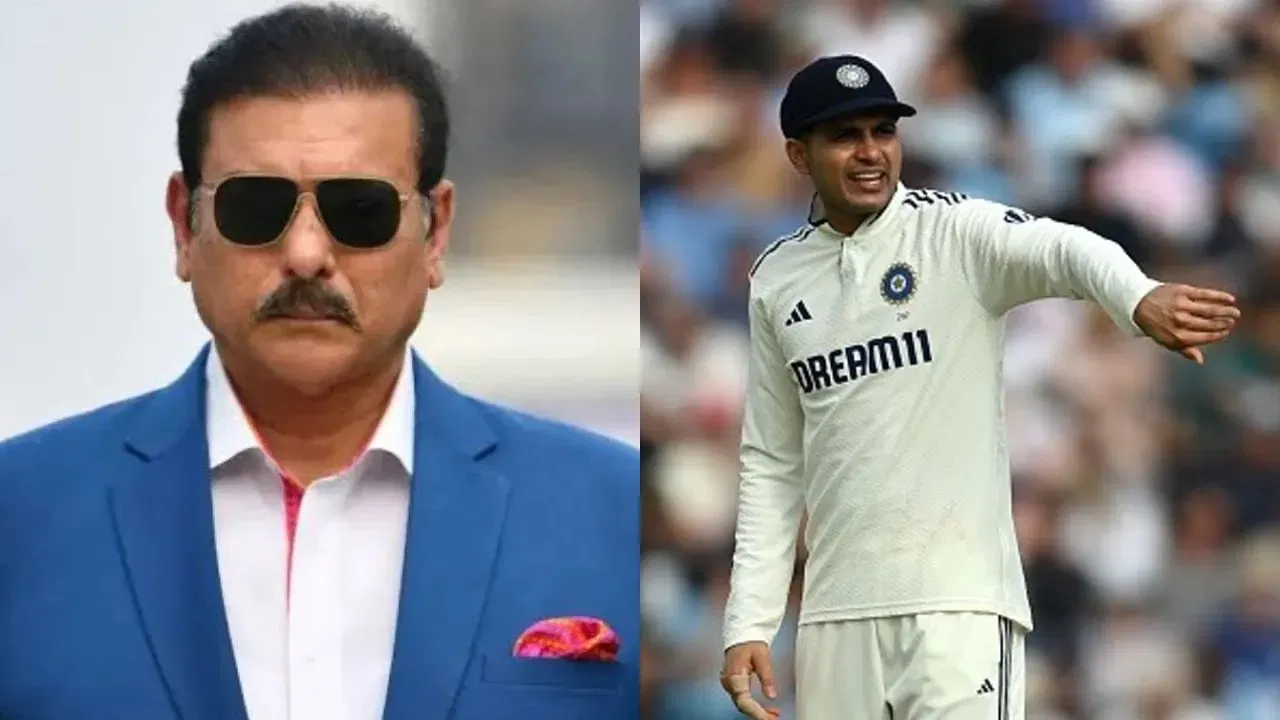
Ravi Shastri brutally hammers team India; sets them a target and guarantees loss if team fails
India’s Fielding Woes Costly in First Test Against England
Former head coach Ravi Shastri didn’t mince words when evaluating India’s fielding performance during the first Test of the five-match series against England at Headingley. Shastri highlighted that missed opportunities in the field allowed England to gain an advantage and level the playing field.
Missed Opportunities Haunt Team India
India’s fielding shortcomings were evident in the first Test in Leeds as the team dropped several crucial catches over Days 2 and 3. Players like Ben Duckett, Ollie Pope, and Harry Brook were given lifelines due to these lapses. England capitalized on these chances and posted a total of 465, narrowing the deficit to just six runs.
Throughout Days 2 and 3, Team India dropped a total of six catches, marking one of their worst single-innings fielding displays in the last five years. The trend began on Day 2 when key players missed important chances to dismiss crucial English batsmen.
Ravi Shastri Expresses Disappointment
In an interview with Sky Sports, Ravi Shastri expressed his disappointment over India’s sloppy fielding, emphasizing how these missed opportunities allowed England to push their total higher. Shastri pointed out that the pitch still favored batting, giving England a real shot in the fourth innings.
“India will be disappointed too. England has managed to level the game, and with the pitch still favoring batting, they have a good chance of chasing the target. India must focus on batting well and putting England under pressure,” Shastri remarked.
Shastri also lamented the fact that if India had held onto their catches, they could have had a lead of 150-plus. Despite improvements in India’s fielding standards in recent years, this outing served as a stark reminder of past struggles for the team.
Nasser Hussain’s Analysis
During the discussion, Nasser Hussain also weighed in on India’s performance on Day 3, mentioning that the team would be disappointed with their collapse that allowed England to post a higher total than anticipated.
“India will be a little disappointed. They faced a collapse in their innings, and England’s score should have been much lower considering the missed opportunities. However, India managed to avoid letting England back into the game further during the last session,” Hussain noted.
As the Test match hangs in the balance with both teams having their share of ups and downs, the onus is now on India to rectify their fielding mistakes and make a strong comeback in the remaining matches of the series.
The Impact of Fielding on Test Matches
Fielding has always been a crucial aspect of cricket, often overlooked in comparison to batting and bowling. However, as seen in the first Test between India and England, fielding can play a decisive role in shaping the course of a match. Missed opportunities not only provide the opposition with chances to score more runs but also dent the fielding team’s morale and confidence.
Fielding is not just about catching the ball; it involves sharp reflexes, agility, and a strong mindset to perform consistently under pressure. The dropped catches by Team India in the first Test were a perfect example of how lapses in concentration can have a significant impact on the outcome of a match. Each missed opportunity allowed England to build partnerships and gain momentum, ultimately leveling the playing field.
The Psychological Aspect of Fielding Errors
Apart from the tangible impact on the scoreboard, fielding errors can have a profound psychological effect on the fielding team. Dropping catches or missing run-out opportunities can create a sense of frustration and disappointment among the players, affecting their performance in other aspects of the game.
Players may start second-guessing themselves, becoming tentative in their actions, and losing the aggressive edge required to dominate on the field. The mental aspect of fielding errors cannot be underestimated, as it can lead to a ripple effect, affecting not just the fielding but also the batting and bowling performances of the team.
Learning from Mistakes and Moving Forward
As Ravi Shastri rightly pointed out, India must learn from their fielding mistakes in the first Test and regroup for the upcoming matches in the series. The team needs to address the lapses in concentration, work on their fielding techniques, and prioritize fielding drills in their training sessions to avoid a repeat performance.
Moreover, the leadership within the team, including the captain and senior players, must instill a sense of responsibility and accountability when it comes to fielding. Emphasizing the importance of fielding as a collective effort and rallying the team to support each other in critical moments can make a significant difference in preventing missed opportunities in future matches.
Looking Ahead: Redemption and Resilience
As the series progresses, India has the opportunity to redeem themselves and showcase their resilience by bouncing back from the fielding shortcomings in the first Test. The team must approach the remaining matches with a positive mindset, focusing on executing their skills to the best of their abilities and seizing the key moments to turn the tide in their favor.
By analyzing the lessons learned from the first Test and channeling their disappointment into a drive for improvement, Team India can demonstrate their true potential as a competitive force in the Test arena. The fielding woes of the past must serve as a catalyst for growth and development, propelling the team towards success in the upcoming challenges.
Ultimately, fielding is not just about preventing runs but also about shaping the narrative of a match and influencing its outcome. As India navigates through the series against England, their fielding performance will be a defining factor in determining their success on the field.
Latest News
Irfan Pathan questions Arshdeep Singh’s bowling ahead of IPL 2026
“Mind is somewhere else”: Yuvraj’s Father exposes Abhishek Sharma’s indiscipline lifestyle

EX-RCB pacer joins KKR as replacement of Harshit Rana ahead of IPL 2026

“Win our first trophy”: Sanjiv Goenka crowns LSG as champions ahead of IPL 2026
New catching rule? Captains warned over ‘Incomplete’ catches ahead of IPL 2026

Pat Cummins in awe of Ishan Kishan’s captaincy

Ex-India star accuses teammates of ‘Racism’, blames it for early international exit
“I love watching Shreyas Iyer bat” – PBKS all-rounder Cooper Connolly ahead of IPL 2026
Yograj Singh gives Ravichandran Ashwin belt treatment because of Arjun Tendulkar remarks
CSK legend advises Shubman Gill the best way to bounce back in T20I team
Jasprit Bumrah Injury Scare, reason behind visit to CoE revealed
“Didn’t invite me”: R Ashwin puts Kuldeep Yadav in spotlight over wedding snub
Ireland Cricket announced the full list of central contracts for the 2026-27 season
Gautam Gambhir gets court protection against deep fake allegations