

Ravichandran Ashwin becomes Gautam Gambhir’s human shield after India’s home Test series loss to South Africa
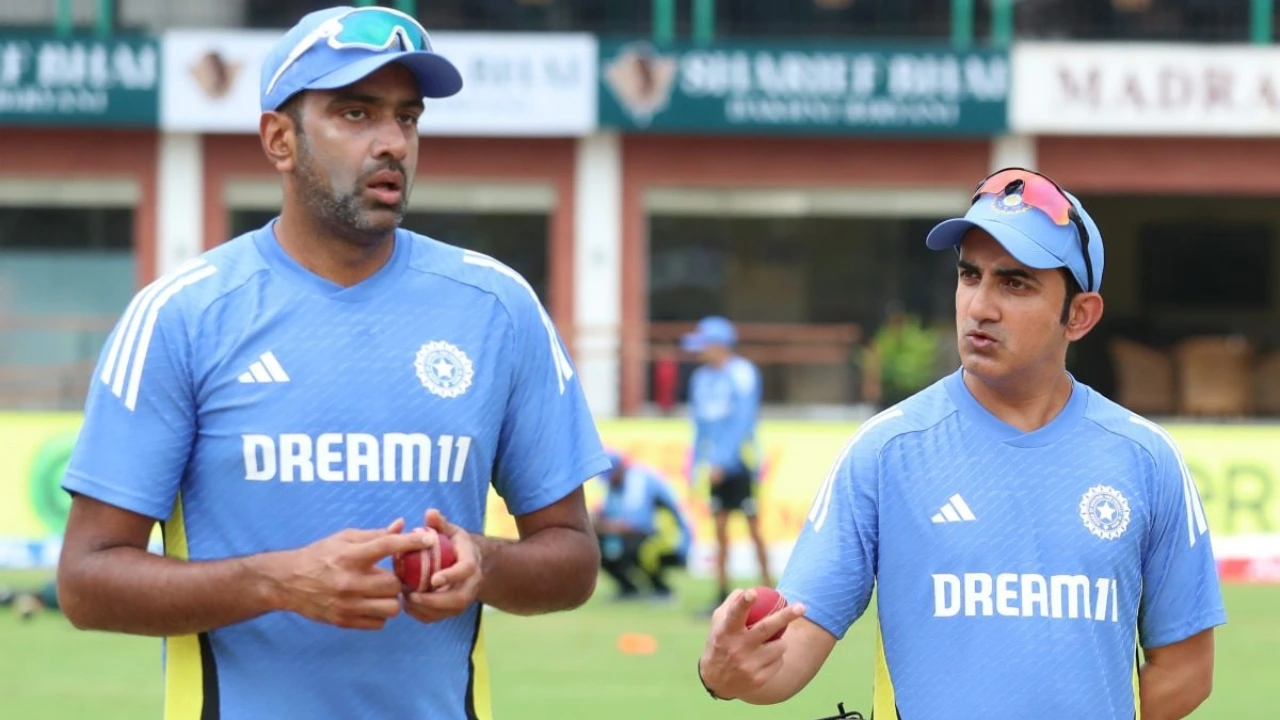
Ravichandran Ashwin Stands by Gautam Gambhir Amidst Criticism After India’s Test Series Loss to South Africa
India’s recent 0-2 Test series defeat against South Africa has brought intense scrutiny upon head coach Gautam Gambhir. However, amidst the storm of criticism, former Indian off-spinner Ravichandran Ashwin has come forward to support the embattled coach.
In the wake of India’s second home whitewash in the last 12 months, Ashwin has defended Gambhir against the backlash and shifted the focus back onto the players. This series loss marked India’s third Test whitewash at home, with two occurring under Gambhir’s leadership, leading to immediate calls for his removal from fans.
Coach’s Role and Players’ Responsibility
While cricket experts have questioned Gambhir’s decisions and selections, Ashwin has emphasized that the coach can guide and plan, but ultimately, it is the players who must execute on the field. Ashwin highlighted that players need to take responsibility for their performance and not solely rely on the coach for success.
Speaking on his YouTube channel ‘Ash Ki Baat,’ Ashwin stated, “A coach cannot pick up the bat and go out to play. He can only do his job, talk to the players—that’s all.” He emphasized that while better decisions are essential, the players must demonstrate consistency and skill for the team to succeed.
Personal Criticism and Scapegoating
Ashwin expressed concern over the personal attacks Gambhir faced, noting that the blame was unfairly directed at one individual when the entire team had underperformed. He cautioned against scapegoating Gambhir and emphasized that firing the coach would not address India’s underlying issues.
Highlighting the players’ lack of execution on the field as the core problem, Ashwin stressed the importance of understanding the challenges coaches face in managing a team. He urged for a more balanced perspective, stating, “It might feel nice to get someone sacked, but that’s not how it should be.”
Looking Ahead
Ashwin concluded by pointing out that mistakes are inevitable in sports, but it is crucial to support rather than attack individuals. He reiterated that Gambhir, like the fans, is feeling the disappointment and emphasized the need for a collective effort to address the team’s shortcomings.
As India reflects on the recent Test series defeat, Ashwin’s support for Gambhir serves as a reminder of the nuanced dynamics between coaching and player responsibility in cricket. While criticism may abound, Ashwin’s stance underscores the importance of a united approach towards overcoming challenges and striving for improvement.
The Influence of Team Culture on Performance
Building on Ashwin’s defense of Gautam Gambhir, it is essential to consider the impact of team culture on performance. While the coach plays a crucial role in strategy and planning, the collective mindset and unity within the team can significantly influence outcomes on the field. A cohesive and supportive team environment fosters trust, communication, and motivation, leading to enhanced performance and resilience in the face of adversity.
Players who feel supported and valued are more likely to take ownership of their performances and strive for excellence. Therefore, beyond individual talent and skill, the team’s culture and dynamics play a pivotal role in determining success in high-pressure situations such as Test matches. By fostering a positive and collaborative team culture, coaches like Gambhir can empower players to perform at their best and overcome challenges collectively.
The Role of Mental Toughness in Cricket
In addition to technical skills and physical prowess, mental toughness is a critical factor in cricket, especially in Test matches that demand endurance and resilience over long periods. Players must possess the mental fortitude to bounce back from setbacks, stay focused under pressure, and maintain a positive attitude throughout the game.
Coaches like Gambhir play a vital role in nurturing players’ mental toughness through mentorship, support, and guidance. By instilling confidence, belief, and a never-say-die attitude in their players, coaches can help them navigate the ups and downs of Test cricket with composure and determination. Developing mental resilience is key to overcoming challenges, adapting to changing conditions, and delivering consistent performances at the highest level.
The Evolution of Coaching in Modern Cricket
With the evolution of cricket as a highly competitive and dynamic sport, the role of coaches has also evolved significantly. Modern coaches are not just strategists but also mentors, motivators, and psychologists who play a multifaceted role in shaping players’ careers and performances.
Coaches like Gambhir are tasked with balancing tactical acumen with interpersonal skills, communication abilities, and emotional intelligence to get the best out of their players. In today’s cricketing landscape, successful coaches are those who can create a nurturing and empowering environment for players to thrive, while also holding them accountable for their performances.
Embracing a Growth Mindset in the Face of Adversity
As India navigates the aftermath of the Test series loss to South Africa, there is an opportunity for reflection, growth, and transformation within the team. Adversity can serve as a catalyst for change, prompting players and coaches to reassess their strategies, work on their weaknesses, and commit to continuous improvement.
By embracing a growth mindset and viewing setbacks as learning opportunities, both players and coaches can evolve and adapt to the demands of international cricket. While criticism and scrutiny are inevitable in sports, it is how individuals and teams respond to challenges that define their character and potential for success in the future.
In conclusion, the interplay between coaching, player responsibility, team culture, mental toughness, and growth mindset shapes the competitive landscape of modern cricket. As stakeholders in the sport, it is essential to recognize the complexities and nuances involved in achieving success at the highest level and to work collaboratively towards building a strong foundation for sustained excellence.
Latest News

IPL Points Table 2026: Updated Standings, Orange Cap, Purple Cap After RCB vs SRH Match 1
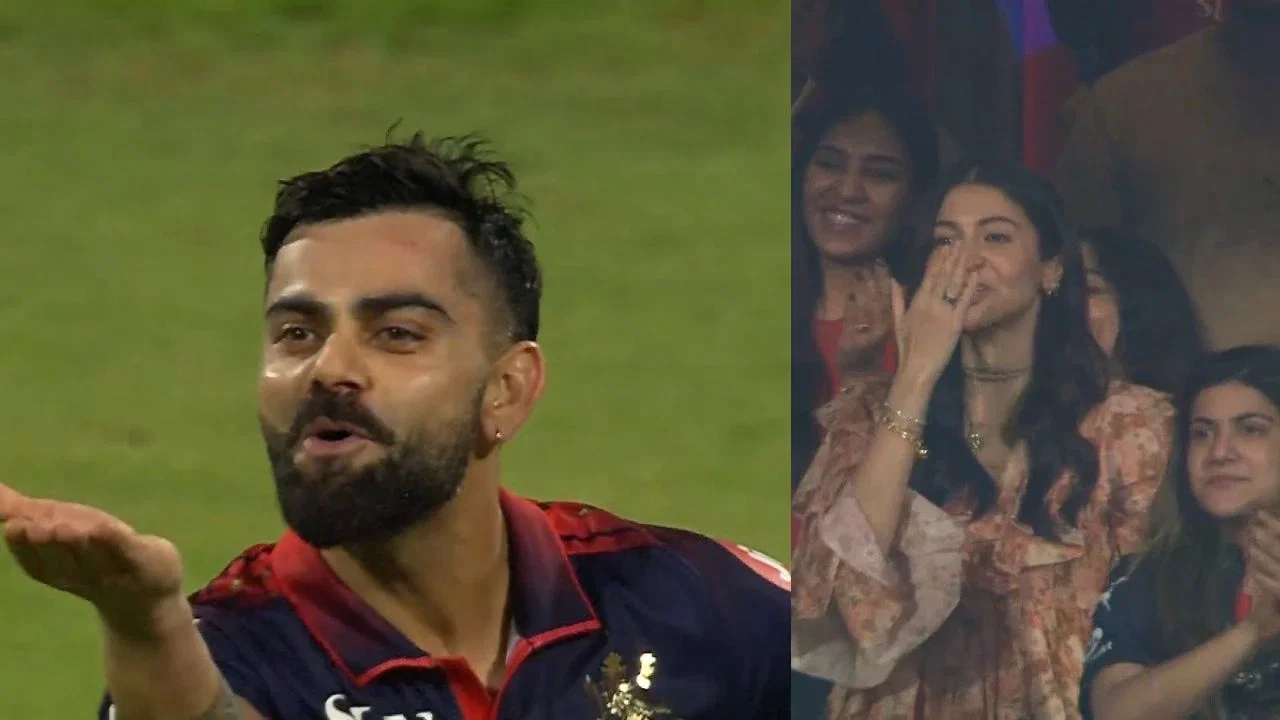
Virat Kohli, Anushka Sharma share adorable flying kiss moment after RCB vs SRH clash
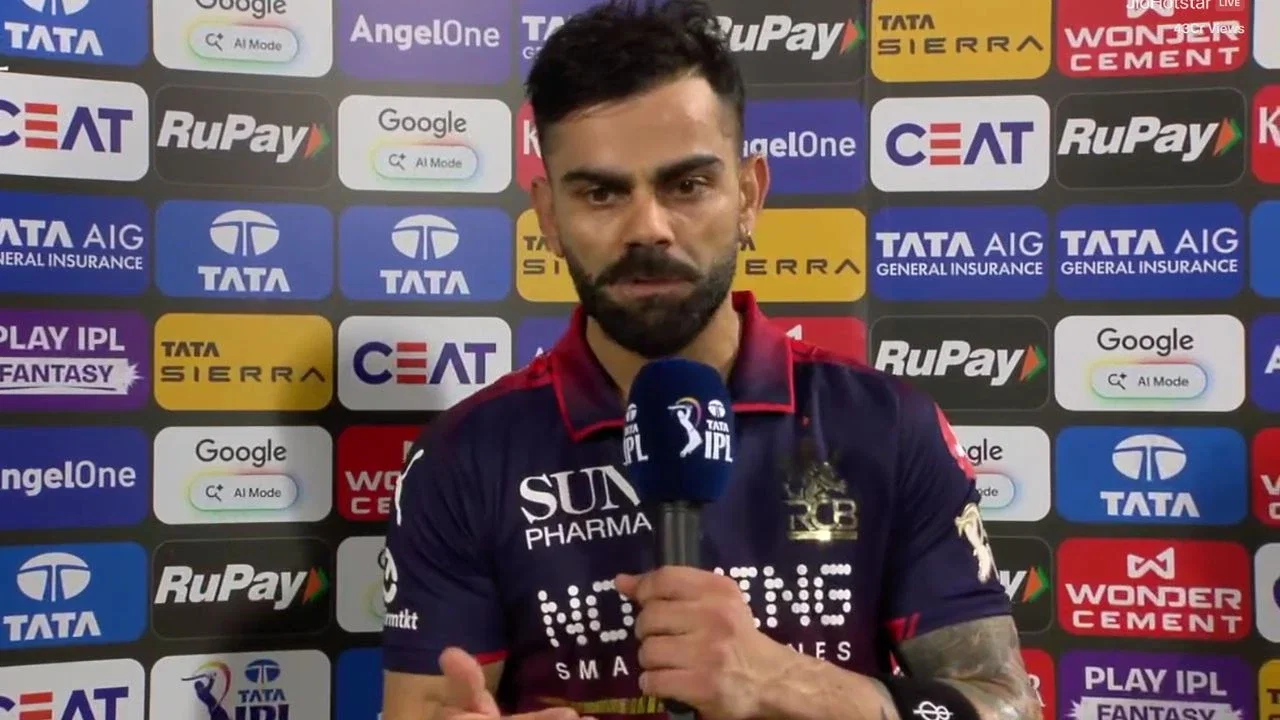
“Absolutely world-class”: Virat Kohli backs Devdutt Padikkal for permanent Team India spot
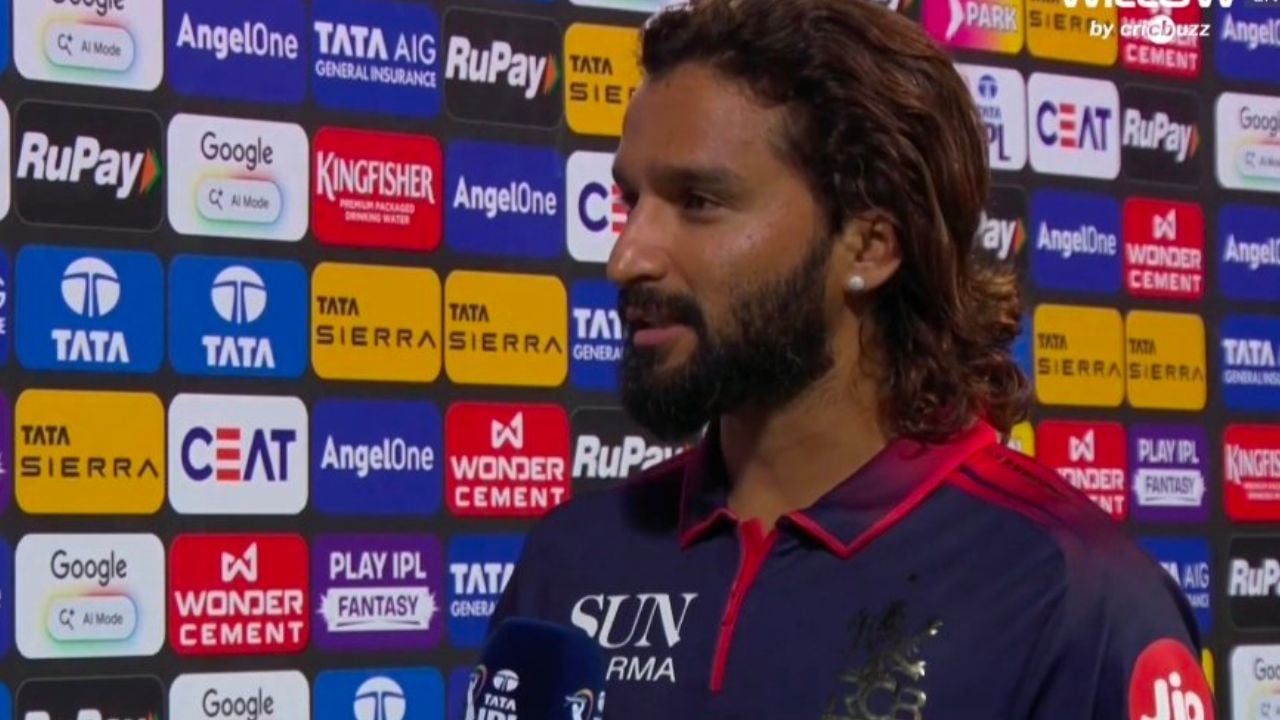
Rajat Patidar refuses to comment on Virat Kohli; Ishan Kishan admits enjoying after SRH’s loss to RCB

Mumbai Indians suffer blow! Mitchell Santner, Will Jacks ruled out of IPL 2026 games
MI vs KKR Match Prediction – Who Will Win Match No.2? | IPL 2026
Mumbai Indians Playing XI vs Kolkata Knight Riders Playing XI- Match No. 2 | IPL 2026
MI vs KKR Match 2 Preview: Free Live Streaming, Pitch & Weather Report, Head-to-Head | IPL 2026
Not English cricket! Jos Buttler credits IPL for his success as a cricketer
“Nitish Kumar Reddy is biggest fraud”: Fans fume as SRH star fails vs RCB in IPL 2026 opener
Who is Abhinandan Singh? The Virat Kohli troublemaker who made his IPL debut for RCB vs SRH
Heinrich Klaasen engages in heated chat with 4th umpire after Phil Salt’s controversial catch in IPL 2026
Phil Salt grabs one of the greatest catches in IPL history to dismiss Ishan Kishan
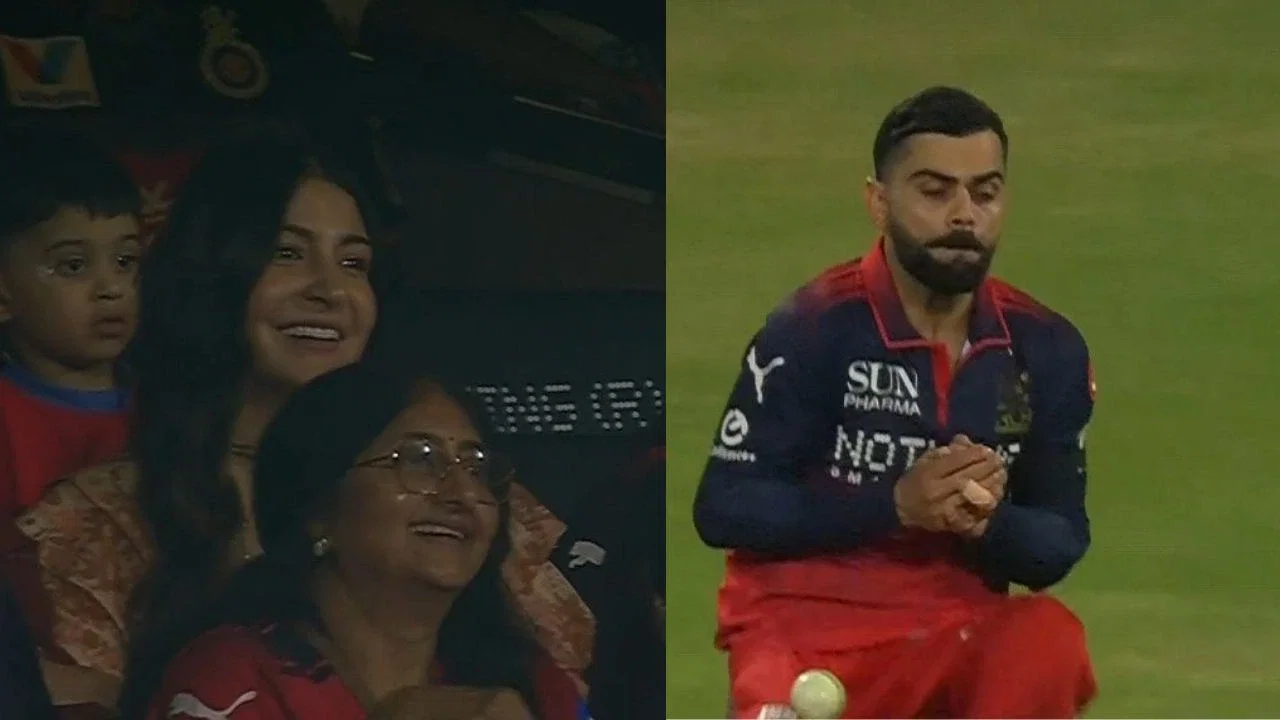
Anushka Sharma laughs as Virat Kohli drops a sitter in RCB vs SRH clash (Watch Video)

