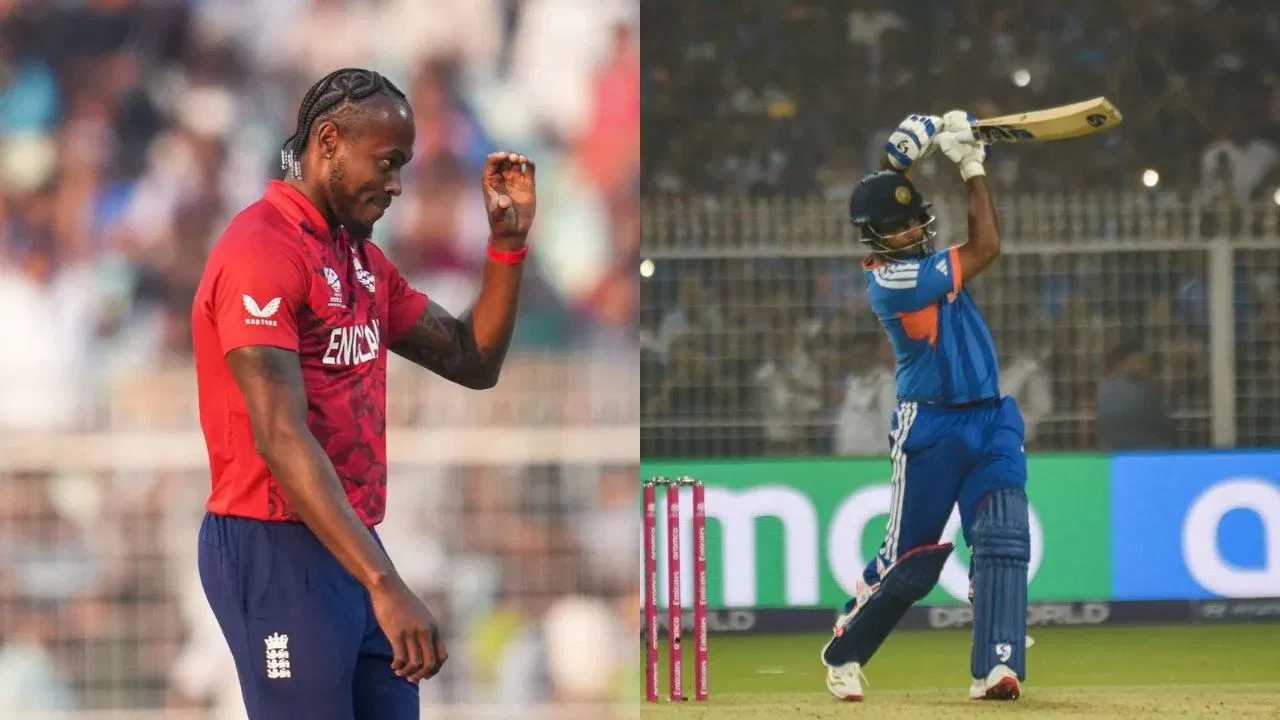
Ravichandran Ashwin BURNS down Gautam Gambhir over ‘data’ remarks
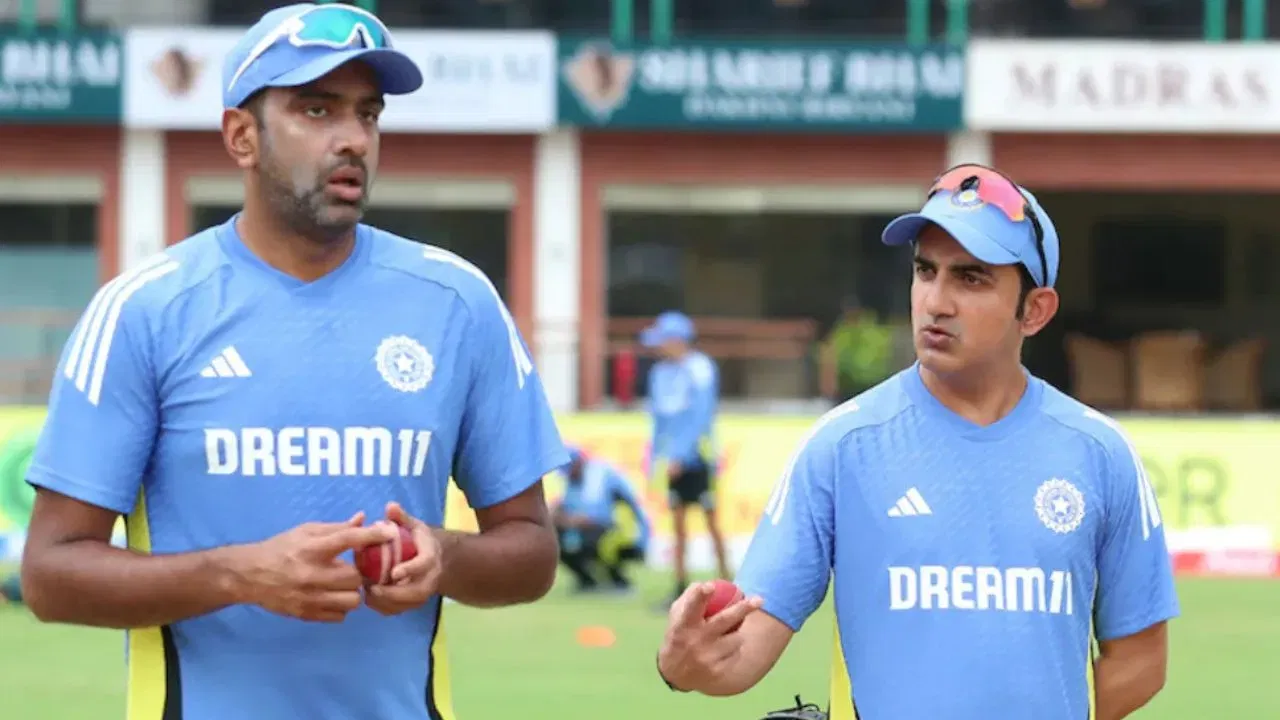
Ravichandran Ashwin Criticizes Gautam Gambhir’s Stance on Data Usage in Cricket
As India gears up to face England in the semi-final 2 of the 2026 T20 World Cup at the Wankhede Stadium in Mumbai, former India spinner Ravichandran Ashwin has made headlines with his critical remarks towards India National Cricket Team head coach Gautam Gambhir.
Importance of Data in Cricket
Following India’s victory against the West Indies, Gambhir dismissed the significance of data during the post-match press conference. In response, Ashwin emphasized the importance of data in cricket, highlighting how it can be a valuable tool for players if utilized correctly. Ashwin expressed his views on the topic during a conversation with Vimal Kumar, stating that proper data analysis can benefit cricketers and potentially shape the future of the sport.
According to Ashwin, data provides valuable insights into various aspects of the game, such as bowler-batsman match-ups, scoring patterns, and performance analysis. He pointed out that teams like England have effectively utilized data to enhance their strategic planning and player preparation, acknowledging their success in leveraging data for competitive advantage.
Data Interpretation and Player Development
Ashwin drew parallels between studying for an examination and using data in cricket, emphasizing the need for players to analyze their strengths and weaknesses through data interpretation. He encouraged cricketers to embrace data as a tool for self-improvement, likening the process to studying a book before an exam.
By understanding and utilizing data effectively, players can identify areas for improvement, refine their skills, and make informed decisions on the field. Ashwin stressed that data should be viewed as a friend that can enhance performance if used wisely, rather than an enemy that complicates the game.
Looking Towards the Future of Cricket
Ashwin underscored the importance of data literacy in modern cricket, asserting that players need to adapt to the evolving landscape of the sport. He emphasized that the longevity and success of players will depend on their ability to comprehend and apply data-driven insights to their game.
Ultimately, Ashwin encouraged cricketers to embrace data as a tool for strategic development, highlighting its role in shaping the future of the sport. By leveraging data effectively, players can enhance their performance, address weaknesses, and make informed decisions that can lead to success on the field.
As the cricketing world evolves with advancements in data analytics and technology, players like Ashwin advocate for a proactive approach to data usage, promoting a culture of continuous learning and improvement in the sport.
The Evolution of Data Analytics in Cricket
Over the years, the role of data analytics in cricket has undergone a significant transformation. What was once a niche tool used by a few teams has now become a fundamental aspect of the game at all levels. Data analytics has revolutionized the way players, coaches, and teams approach strategy, performance analysis, and player development.
With the advent of technology and sophisticated tracking systems, teams can now collect vast amounts of data on player performance, opposition analysis, match conditions, and more. This wealth of information provides teams with a competitive advantage, allowing them to make data-driven decisions that can have a significant impact on the outcome of a match.
Data-Driven Decision Making in Cricket
One of the key benefits of data analytics in cricket is its ability to inform decision-making processes. Coaches and players can use data to identify patterns, trends, and weaknesses in their own game as well as their opponents’. This information can then be used to formulate strategies, tactics, and game plans that are tailored to exploit specific weaknesses and maximize strengths.
By leveraging data effectively, teams can optimize player selection, batting orders, bowling rotations, fielding positions, and more. This data-driven approach not only enhances on-field performance but also increases the chances of success in high-pressure situations such as knockout matches and finals.
The Rise of Predictive Analytics in Cricket
One of the latest trends in data analytics in cricket is the use of predictive analytics. By analyzing historical data, player performances, match conditions, and other variables, teams can now predict future outcomes with a high degree of accuracy. Predictive analytics can help teams anticipate game scenarios, make real-time adjustments, and stay ahead of the competition.
With the use of advanced algorithms and machine learning techniques, teams can forecast player behavior, match results, and even individual performance metrics. This proactive approach to data analytics gives teams a strategic edge by allowing them to prepare for various eventualities and make informed decisions in real-time.
Embracing a Data-Driven Culture in Cricket
As cricket continues to evolve, players, coaches, and teams must embrace a data-driven culture to stay competitive in the ever-changing landscape of the sport. By fostering a mindset of continuous learning, improvement, and adaptation, cricket stakeholders can harness the power of data analytics to drive success on and off the field.
Players like Ravichandran Ashwin serve as advocates for the integration of data analytics into cricket, recognizing its potential to revolutionize the sport. As teams leverage data to enhance performance, make strategic decisions, and shape the future of cricket, the role of data analytics in the game will only continue to grow in importance.
Looking ahead, the intersection of data analytics, technology, and cricket promises to unlock new possibilities, strategies, and insights that will redefine the way the game is played and experienced by players and fans alike.
Latest News
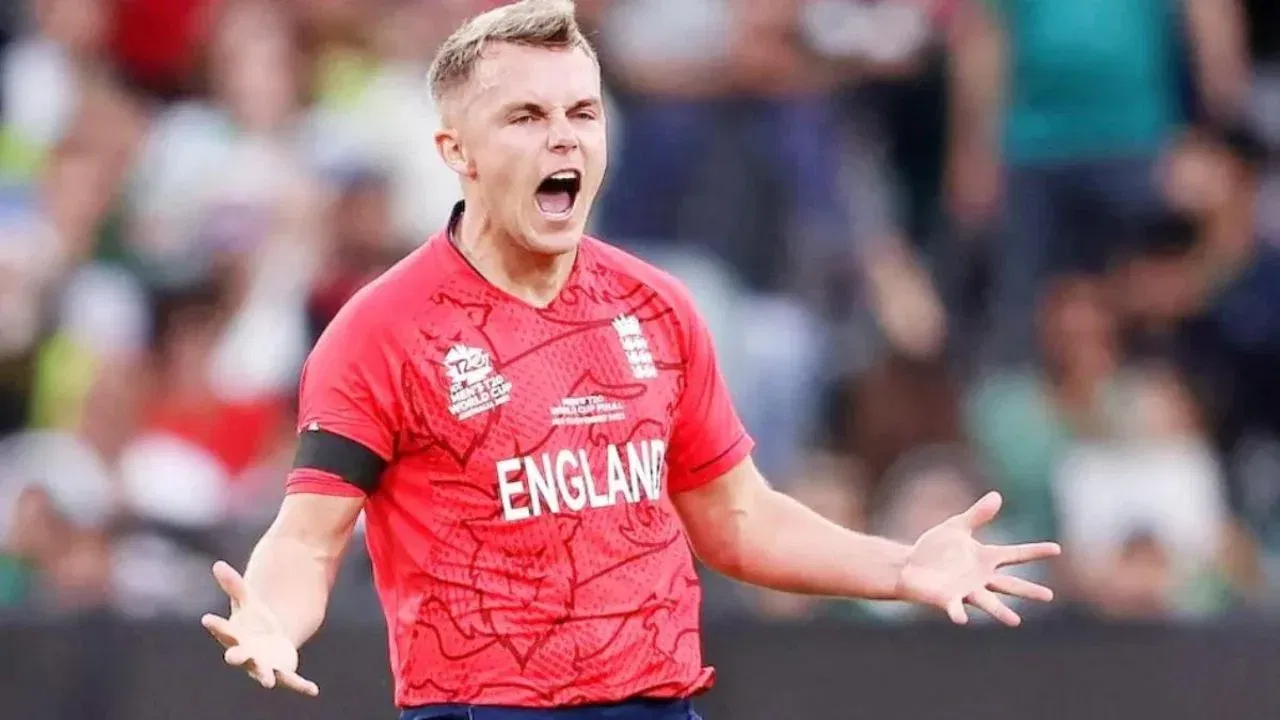
“His bowling is terrible” – Ex-India captain tears into Sam Curran before IND vs ENG semi-final
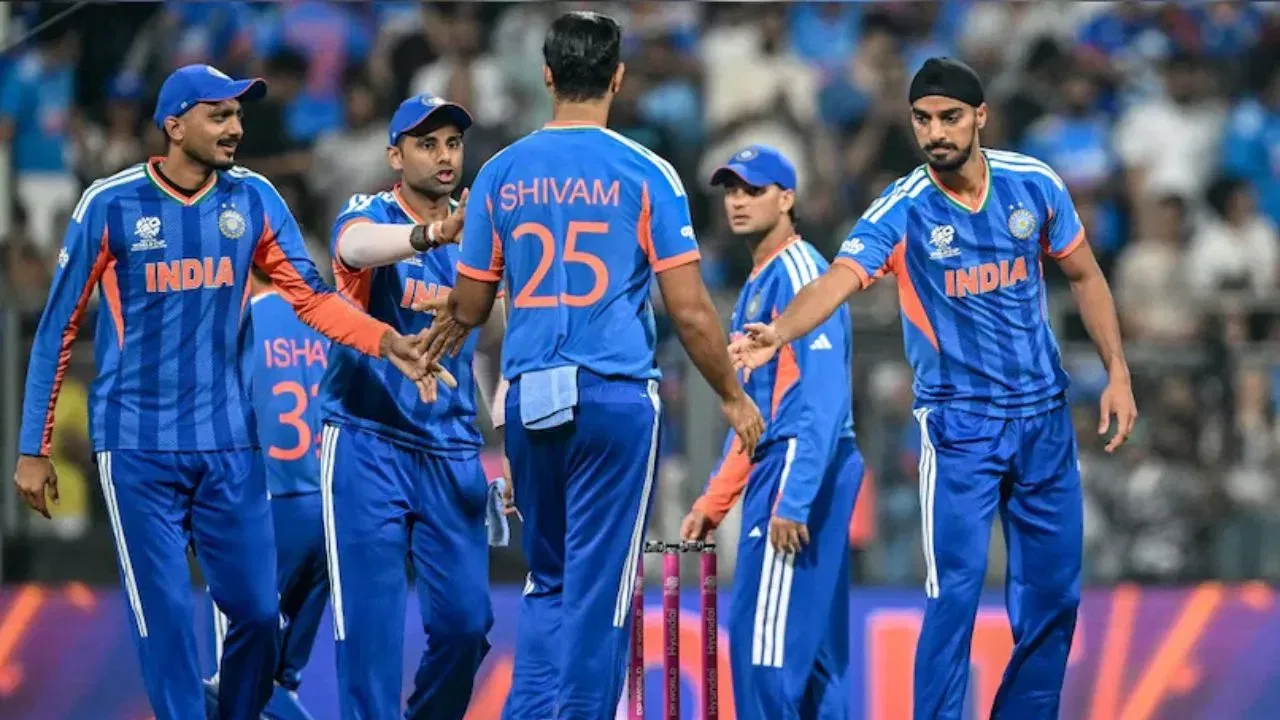
Abhishek Sharma dropped? India Playing XI for England clash officially revealed hours before match
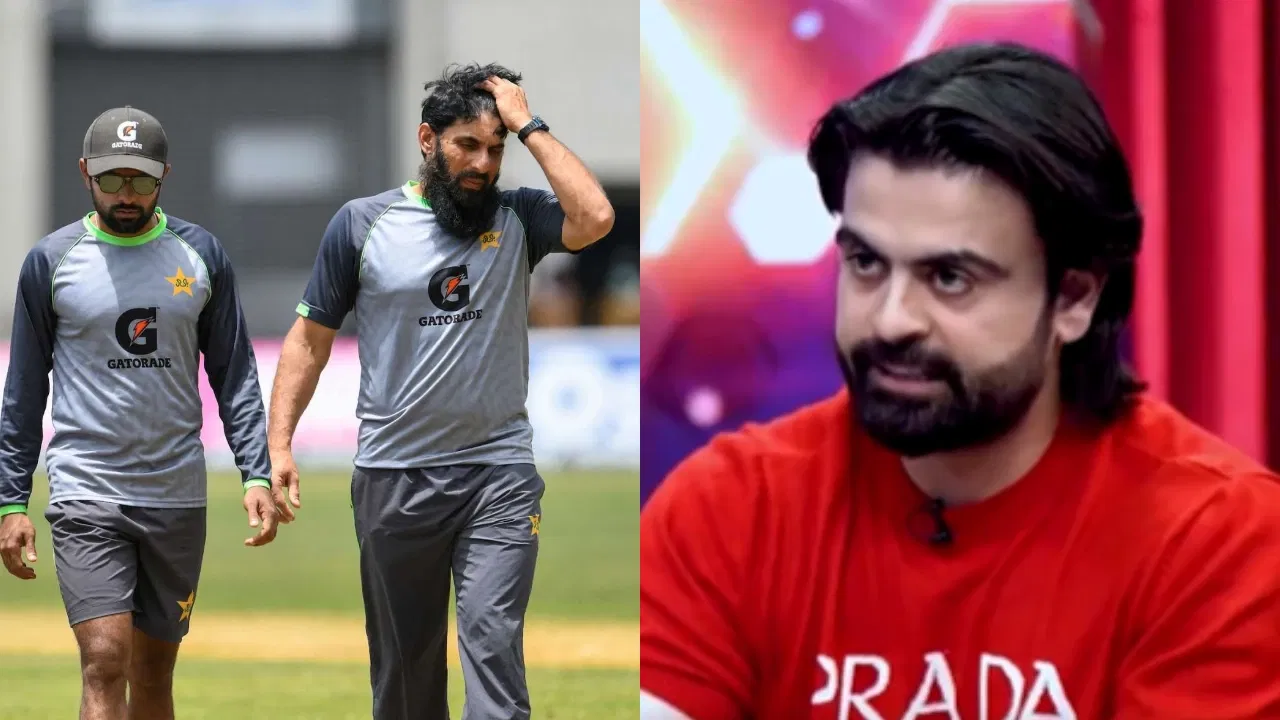
Ahmed Shehzad exposes ‘evil’ Misbah-ul-Haq for stopping salary of Babar Azam’s teammate
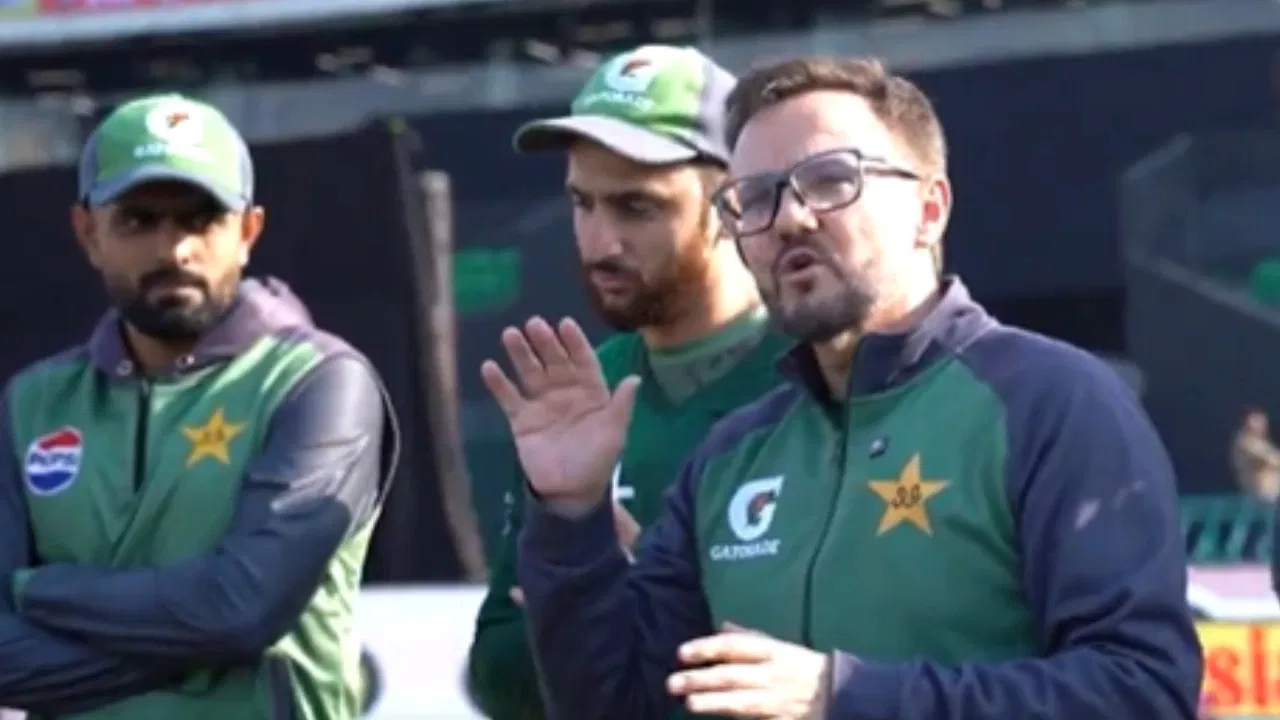
PCB officially backs Salman Agha, Shaheen Afridi for white-ball captaincy; Mike Hesson to continue as head coach
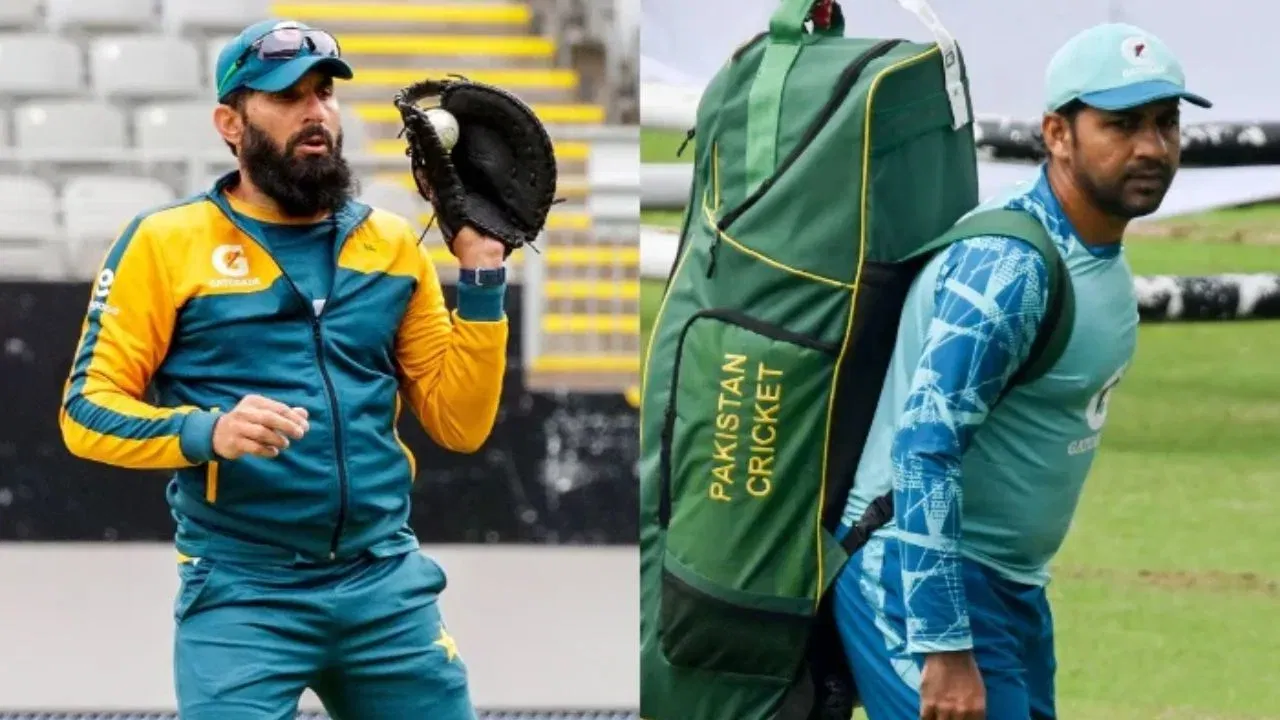
Misbah-ul-Haq, Sarfaraz Ahmed join new Pakistan selection committee after T20 World Cup 2026
Ravichandran Ashwin BURNS down Gautam Gambhir over ‘data’ remarks
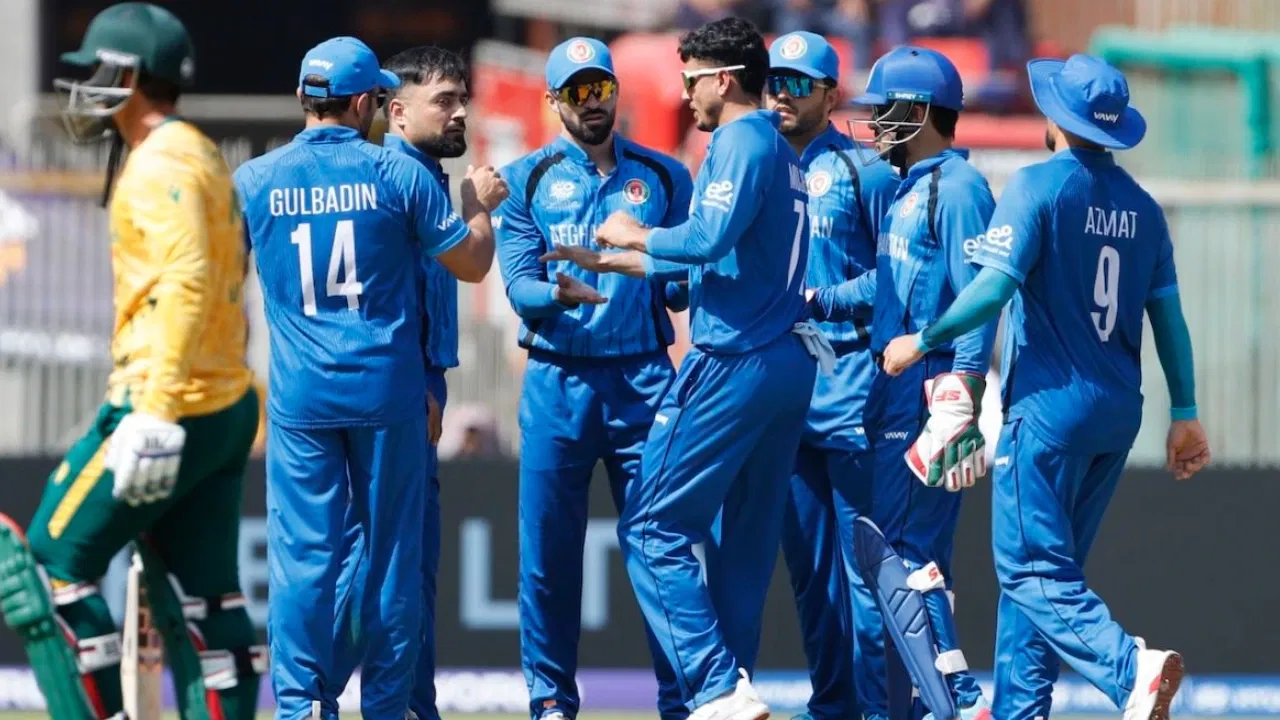
Rashid Khan SACKED! Rohit Sharma-Virat Kohli challenger named new Afghanistan captain

West Indies head coach Darren Sammy takes a swipe at Jay Shah after being stranded in Kolkata
Rashid Latif fears death, refuses to say a word against Mohsin Naqvi
Mohammad Amir, Mohammad Yousuf revolt against Mohsin Naqvi after Babar Azam’s ODI axing
Moeen Ali ignored for The Hundred auction after pro-Pakistan stance against IPL owners
Pakistan star harasses female hotel staff in Sri Lanka; Mohsin Naqvi shamed into taking strong action
Ahmed Shehzad again SLAPS Mohammad Amir with IND vs ENG semi-final prediction
“Doesn’t matter who…”: Finn Allen fires open threat to Suryakumar Yadav & India before T20 WC final