

Ravichandran Ashwin demands answers over this youngster’s snub for Ranchi ODI
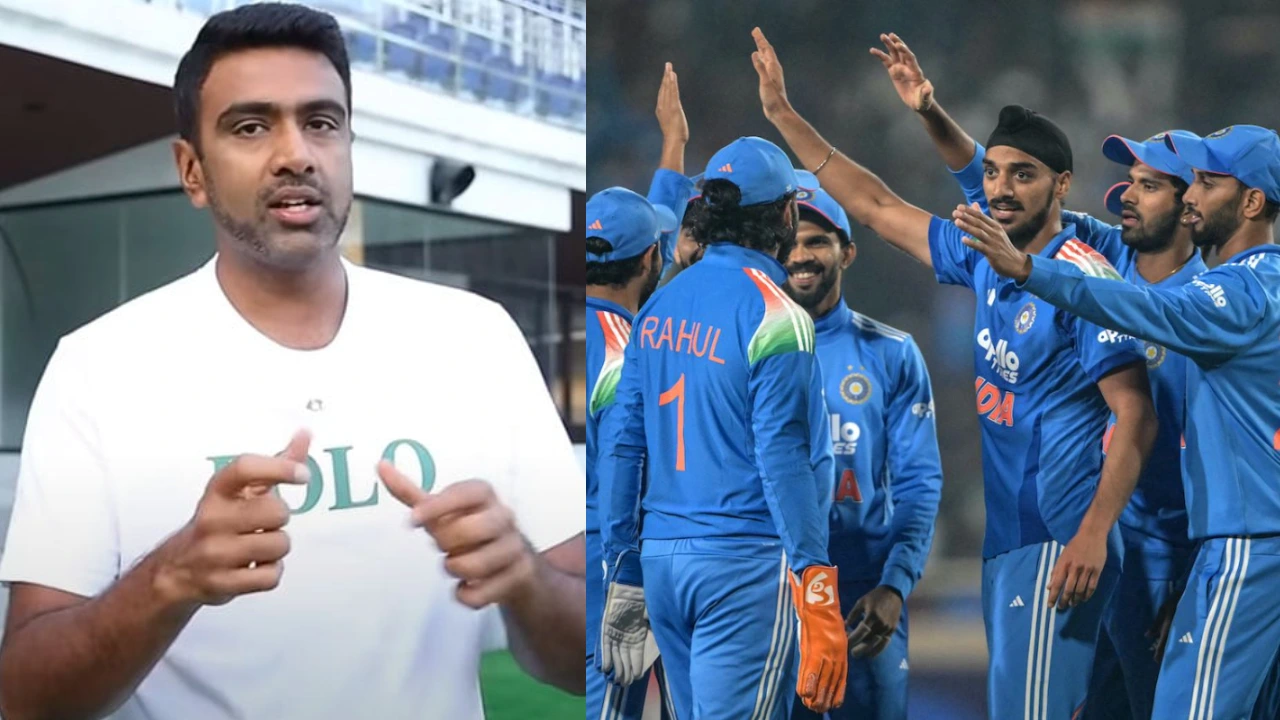
Ravichandran Ashwin Criticizes India’s Playing XI Selection for Ranchi ODI Against South Africa
The India National Cricket Team emerged victorious in the three-match ODI series opener against South Africa on Sunday, November 30, but former off-spinner Ravichandran Ashwin expressed his discontent with the team’s combination in Ranchi.
Ashwin raised concerns over the exclusion of Nitish Kumar Reddy from India’s playing XI in the first ODI against South Africa. With Hardik Pandya sidelined due to injury, many anticipated that the young all-rounder Nitish Kumar Reddy would step in to fill the void against South Africa.
Team Composition
Surprisingly, the Men in Blue, captained by KL Rahul, opted for a combination of three pace bowlers and three spin bowlers for the first ODI against South Africa in Ranchi. Arshdeep Singh and Prasidh Krishna spearheaded the pace attack, while Harshit Rana was positioned at No. 8 for the ODI series opener.
The spin department was led by left-arm spinner Ravindra Jadeja, accompanied by wrist-spinner Kuldeep Yadav and off-spinner Washington Sundar. This six-bowler strategy left no room for Reddy in the playing XI, leaving Ashwin puzzled by the team management’s decision.
Ashwin’s Critique
Ashwin questioned India’s squad selection following the omission of Nitish Kumar Reddy from the first ODI against South Africa, especially in the absence of Hardik Pandya. He emphasized that Reddy was initially picked for his ability to provide the balance that Hardik usually brings to the team.
In a video on his YouTube channel, Ashwin remarked, “If we are not able to find a place for Nitish Kumar Reddy in a team that does not have Hardik Pandya, then there is something wrong in the squad selection, seriously.” He urged for a review of the selection process if Reddy couldn’t secure a spot in the XI.
Missed Opportunities
Despite making his ODI debut during the Australia tour and being released from the Test squad to participate in white-ball games against South Africa ‘A’, Reddy was overlooked for the first ODI. Ashwin supported Ruturaj Gaikwad’s inclusion at No. 4, despite the move backfiring in Ranchi.
India’s decision to slot Gaikwad at No. 4, instead of opting for Rishabh Pant or Tilak Varma, raised eyebrows. Gaikwad, usually considered a backup opener, struggled in his comeback match after more than a year, scoring just eight runs off 14 balls.
Ashwin’s Perspective
Even though Gaikwad’s performance was underwhelming in the middle order, Ashwin advocated for giving him more opportunities to prove himself. He emphasized the importance of providing a consistent run to players before making decisions on the team’s right combination.
In conclusion, Ashwin’s critique of India’s playing XI selection for the Ranchi ODI against South Africa sheds light on the complexities of squad management and the challenges of balancing team composition in the absence of key players like Hardik Pandya.
The Impact of Squad Selection on Team Dynamics
One crucial aspect that Ashwin’s critique brings to light is the impact of squad selection on team dynamics. The decision to exclude Nitish Kumar Reddy from the playing XI not only affected the balance of the team but also raised questions about how well the team management understands the strengths and weaknesses of their players.
When a player like Reddy, who was initially picked to provide balance in the absence of Hardik Pandya, is left out of the team, it can create a sense of dissatisfaction and confusion among the players. This can ultimately impact team morale and cohesion, which are essential for achieving success in high-pressure matches like international ODIs.
Striking the Right Balance
Team composition is a delicate balance that requires a deep understanding of each player’s capabilities and how they fit into the overall strategy. Ashwin’s criticism highlights the importance of not only selecting the best individual players but also ensuring that the combination of players chosen creates a cohesive and effective unit on the field.
In the case of the Ranchi ODI against South Africa, the decision to go with six bowlers may have seemed like a strategic move to exploit the pitch conditions, but it ultimately came at the cost of leaving out a promising all-rounder like Reddy. Finding the right balance between bowling and batting strength is crucial in creating a well-rounded team that can adapt to different situations during a match.
The Challenge of Player Development
Ashwin’s perspective on giving players like Ruturaj Gaikwad more opportunities to prove themselves also speaks to the challenge of player development in a competitive cricketing environment. It is essential for selectors and team management to strike a balance between giving players chances to showcase their skills and maintaining a winning combination.
By advocating for patience and consistency in allowing players to grow and learn from their experiences, Ashwin highlights the long-term approach required for nurturing talent and building a strong team for the future. This emphasis on player development is crucial for the sustained success of the Indian cricket team on the international stage.
Conclusion: Learning from Criticism
Overall, Ashwin’s critique of India’s playing XI selection in the Ranchi ODI against South Africa serves as a valuable lesson in the complexities of squad management and the importance of careful decision-making when it comes to team composition. By analyzing the implications of squad selection on team dynamics, the need for striking the right balance, and the challenges of player development, we gain a deeper understanding of the intricacies involved in building a successful cricket team.
It is essential for team management to learn from constructive criticism and use it to refine their selection processes, improve player development strategies, and ultimately create a stronger and more cohesive team that can compete at the highest level of the sport.
Latest News
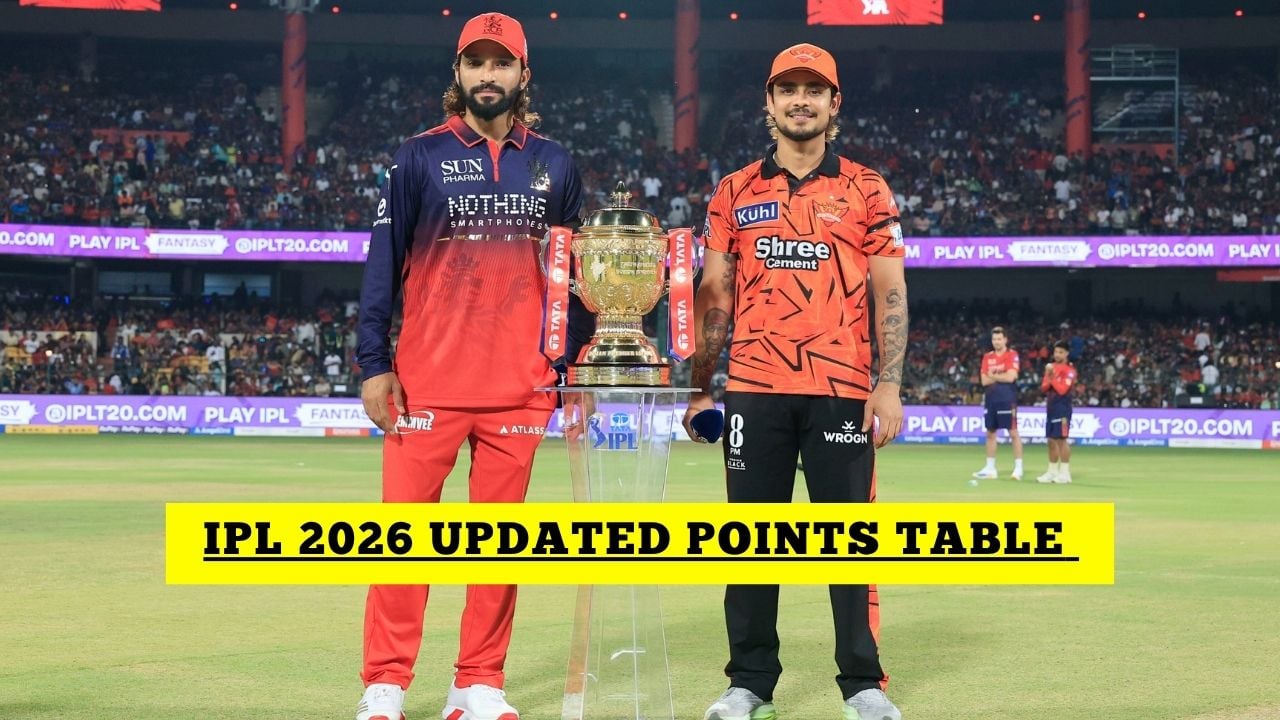
IPL Points Table 2026: Updated Standings, Orange Cap, Purple Cap After RCB vs SRH Match 1
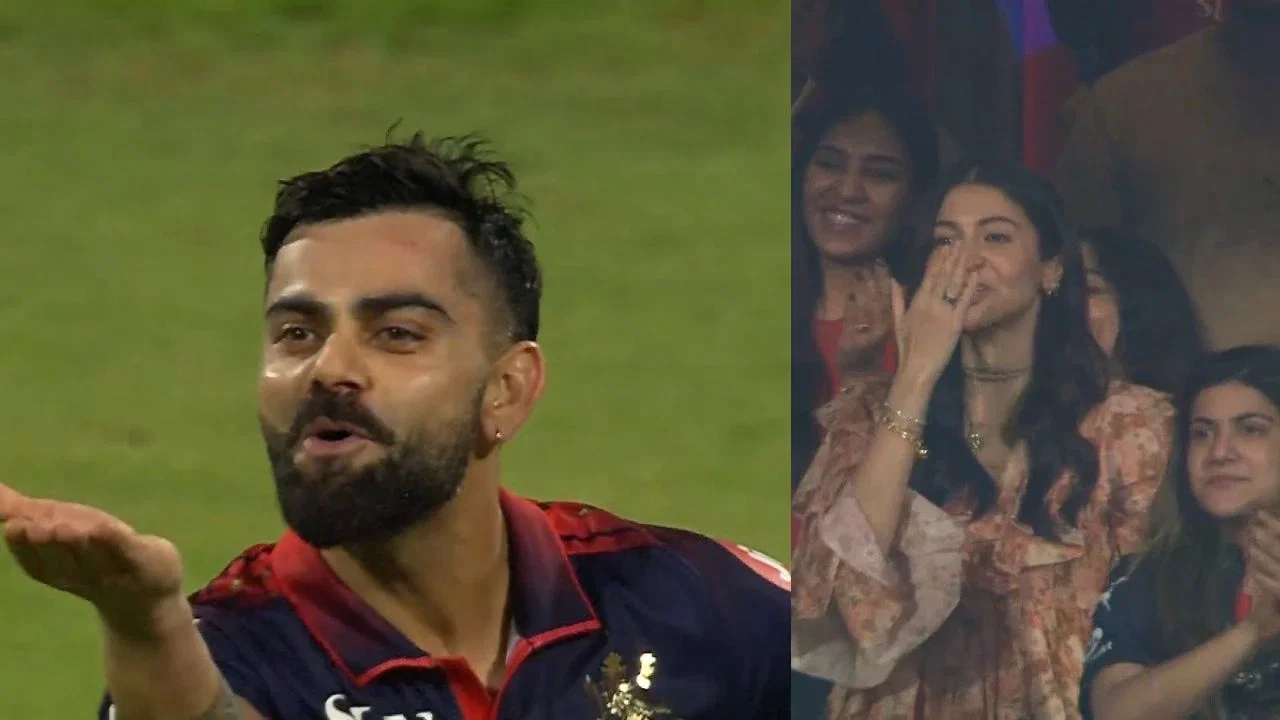
Virat Kohli, Anushka Sharma share adorable flying kiss moment after RCB vs SRH clash
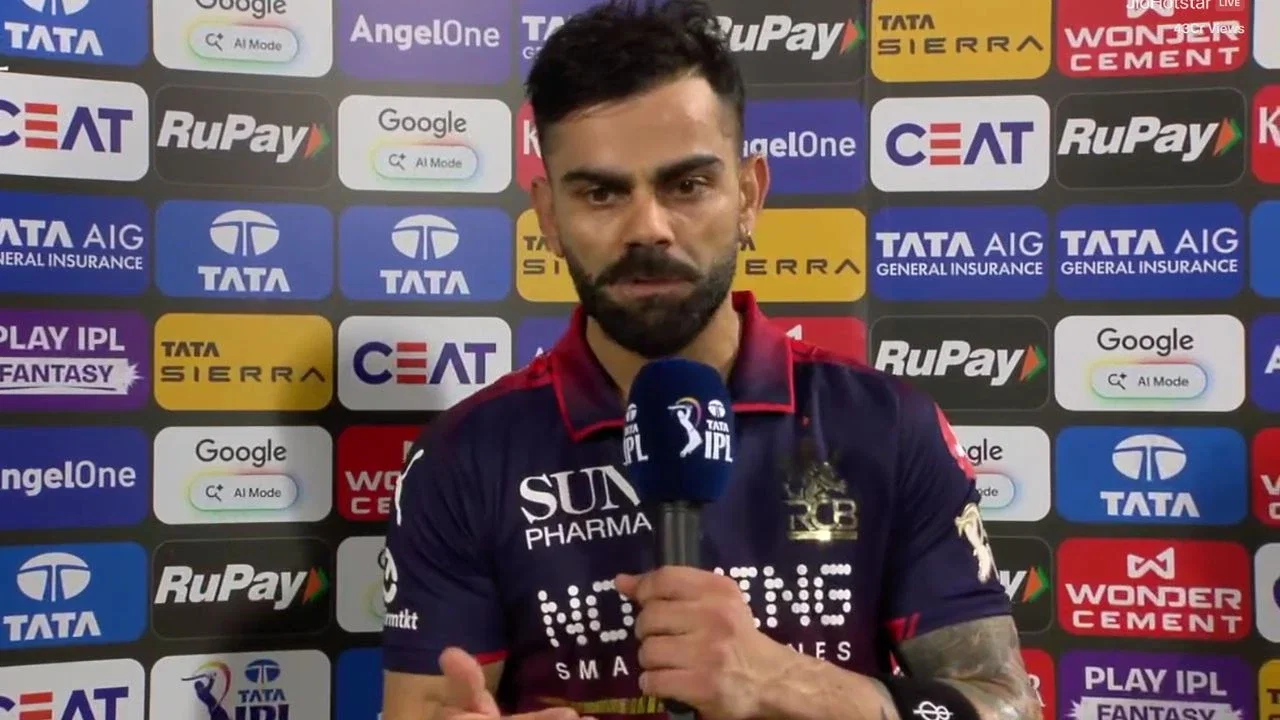
“Absolutely world-class”: Virat Kohli backs Devdutt Padikkal for permanent Team India spot
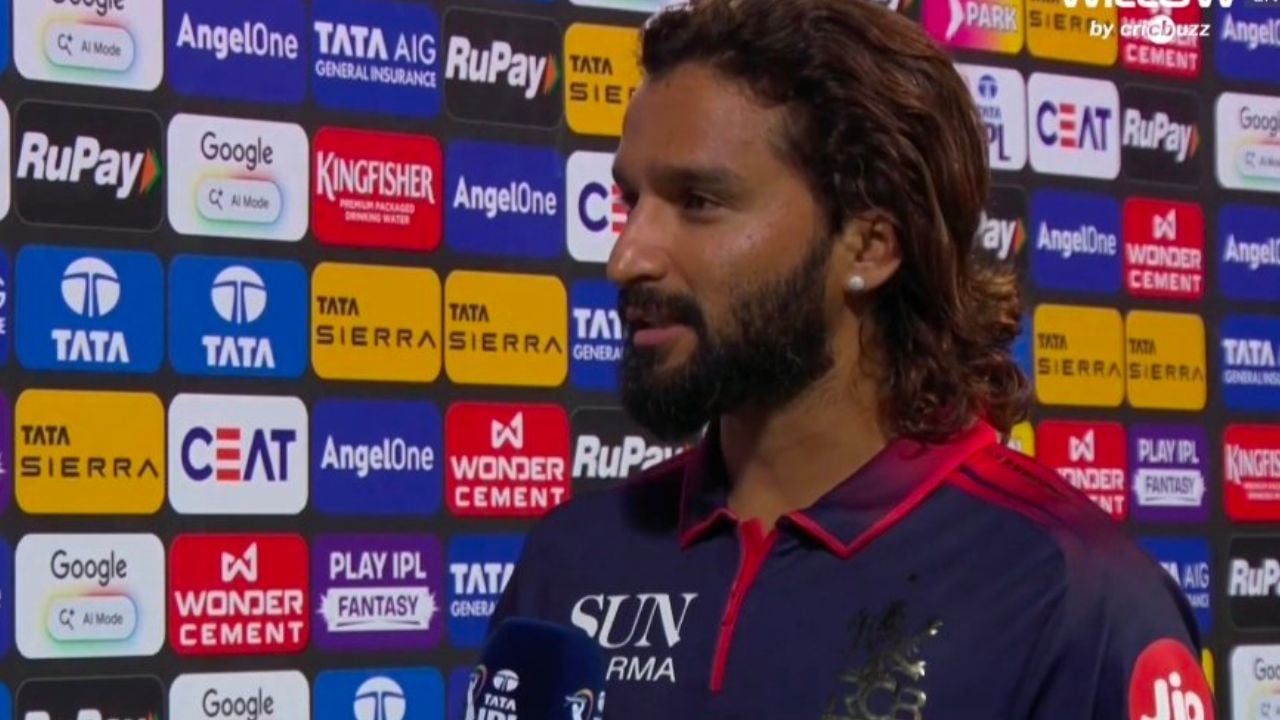
Rajat Patidar refuses to comment on Virat Kohli; Ishan Kishan admits enjoying after SRH’s loss to RCB
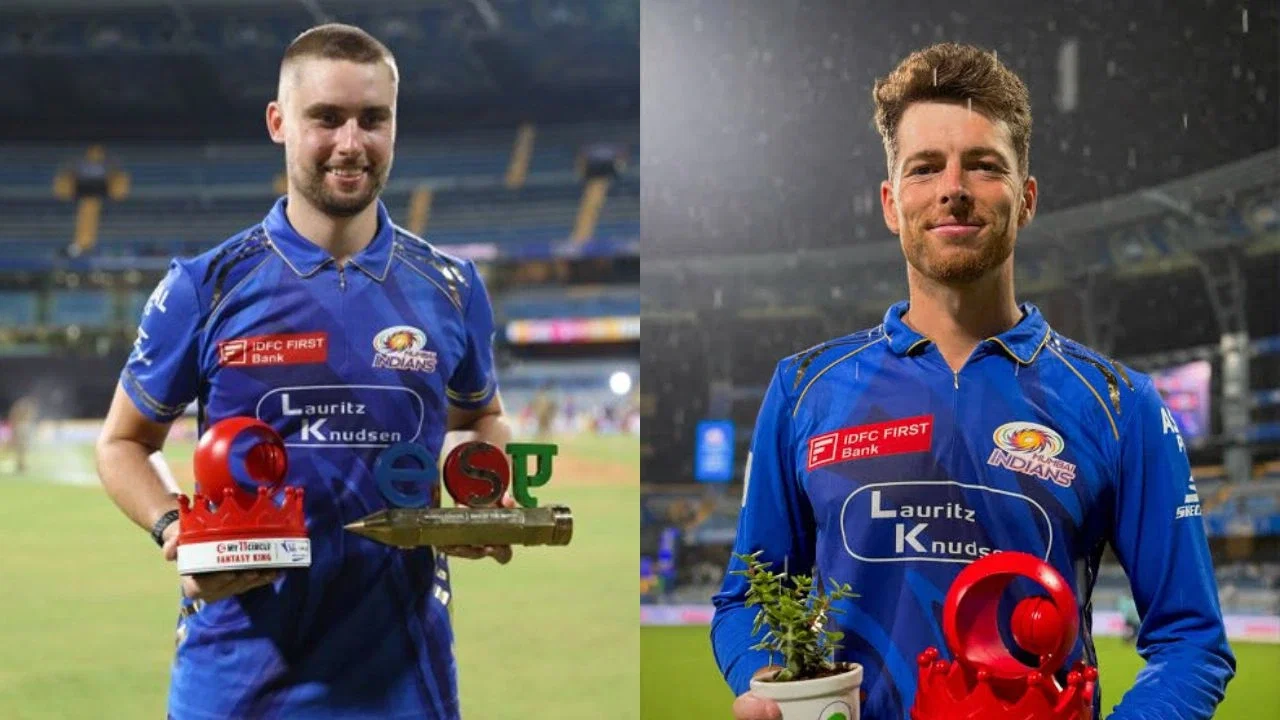
Mumbai Indians suffer blow! Mitchell Santner, Will Jacks ruled out of IPL 2026 games
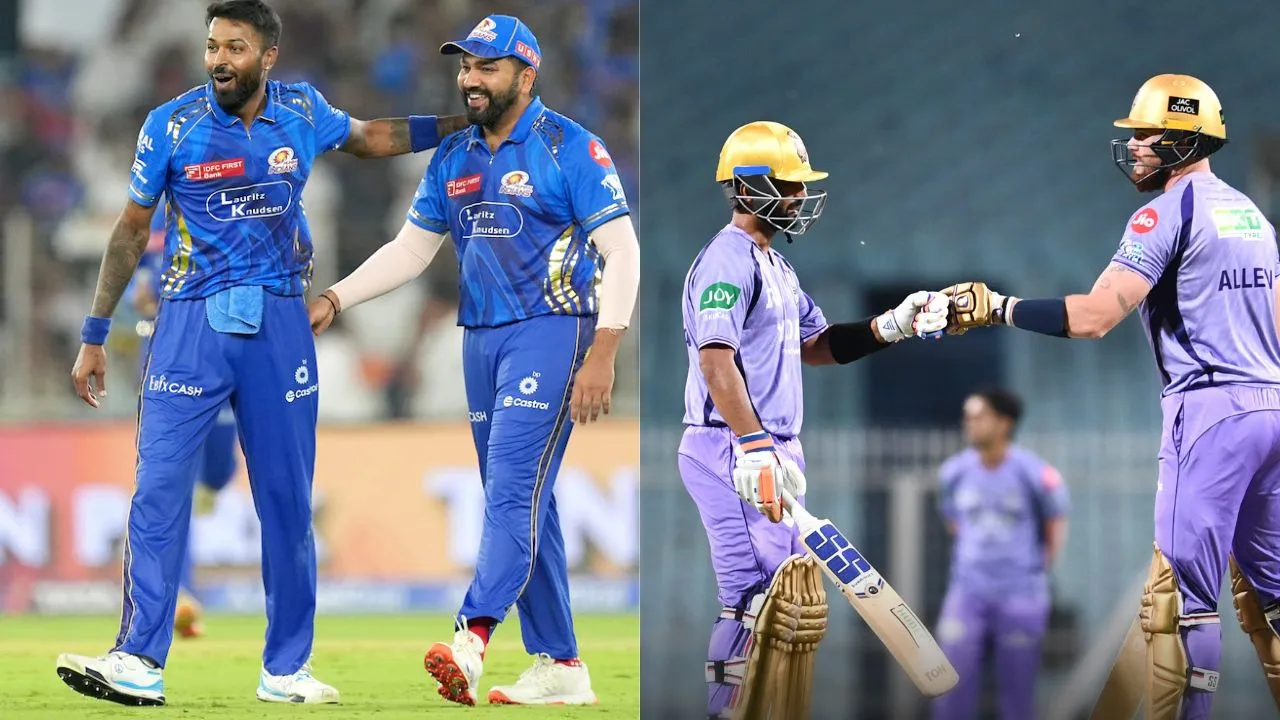
MI vs KKR Match Prediction – Who Will Win Match No.2? | IPL 2026
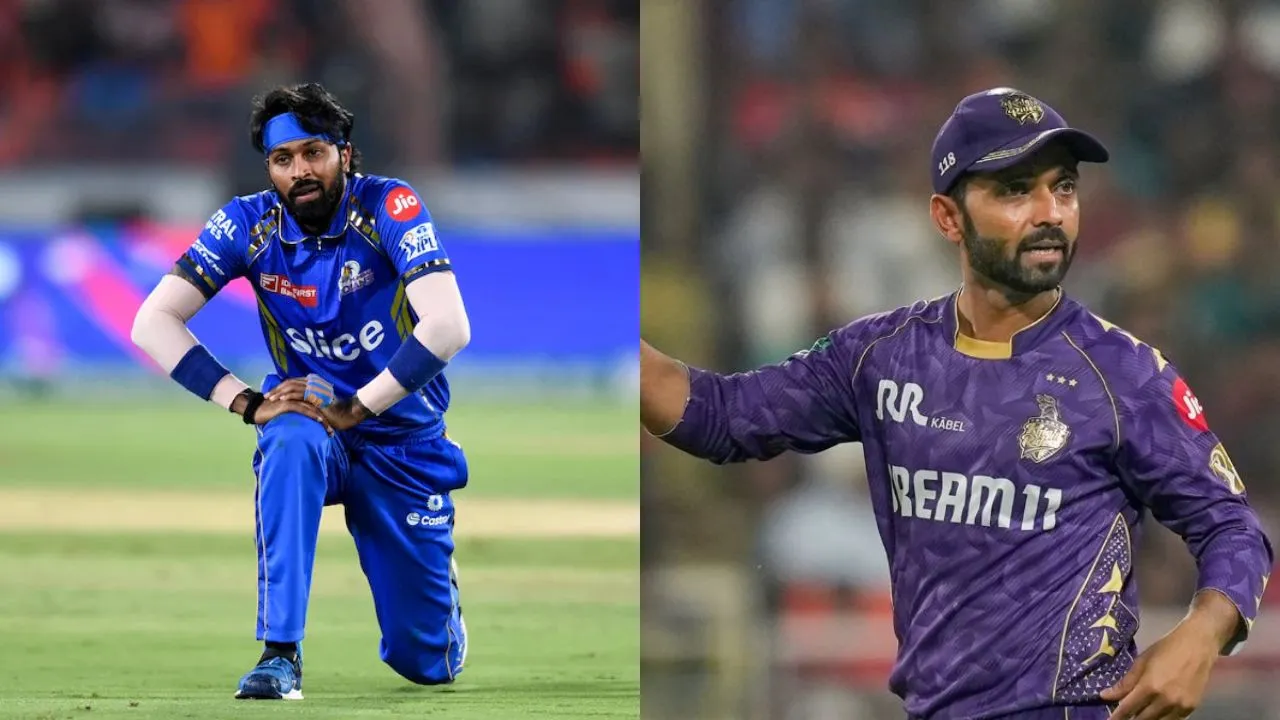
Mumbai Indians Playing XI vs Kolkata Knight Riders Playing XI- Match No. 2 | IPL 2026
MI vs KKR Match 2 Preview: Free Live Streaming, Pitch & Weather Report, Head-to-Head | IPL 2026
Not English cricket! Jos Buttler credits IPL for his success as a cricketer
“Nitish Kumar Reddy is biggest fraud”: Fans fume as SRH star fails vs RCB in IPL 2026 opener
Who is Abhinandan Singh? The Virat Kohli troublemaker who made his IPL debut for RCB vs SRH
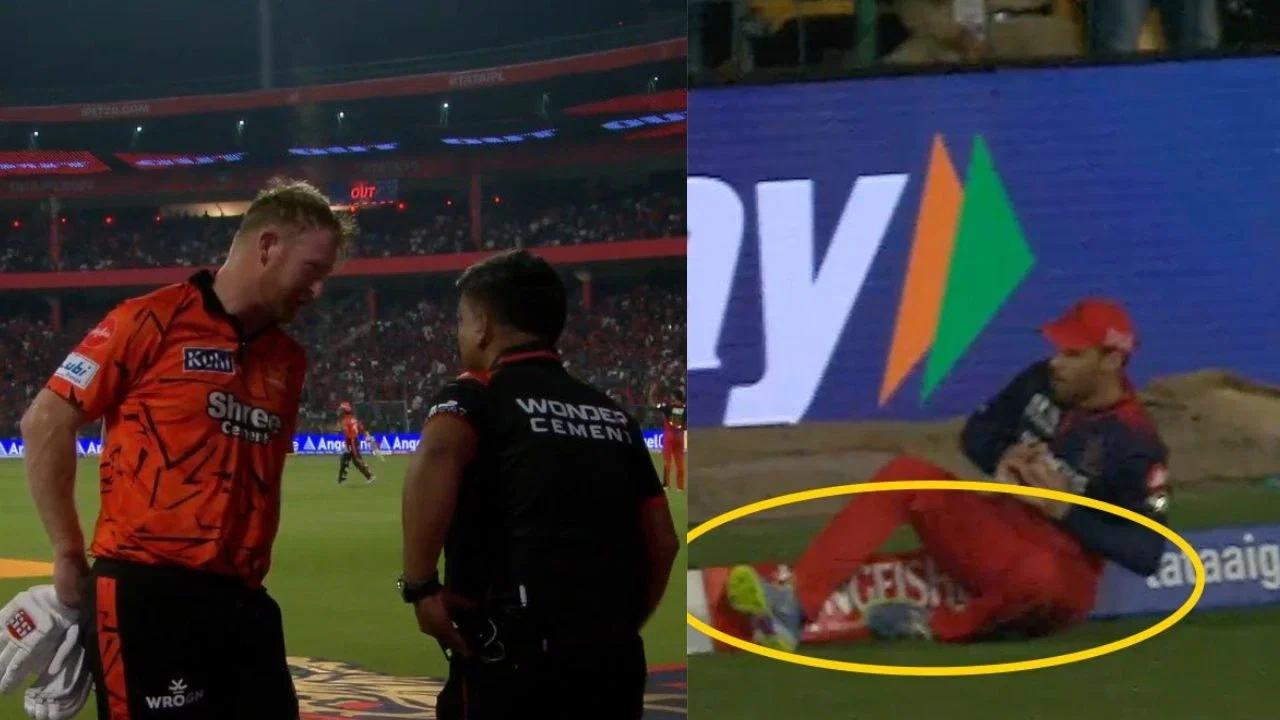
Heinrich Klaasen engages in heated chat with 4th umpire after Phil Salt’s controversial catch in IPL 2026
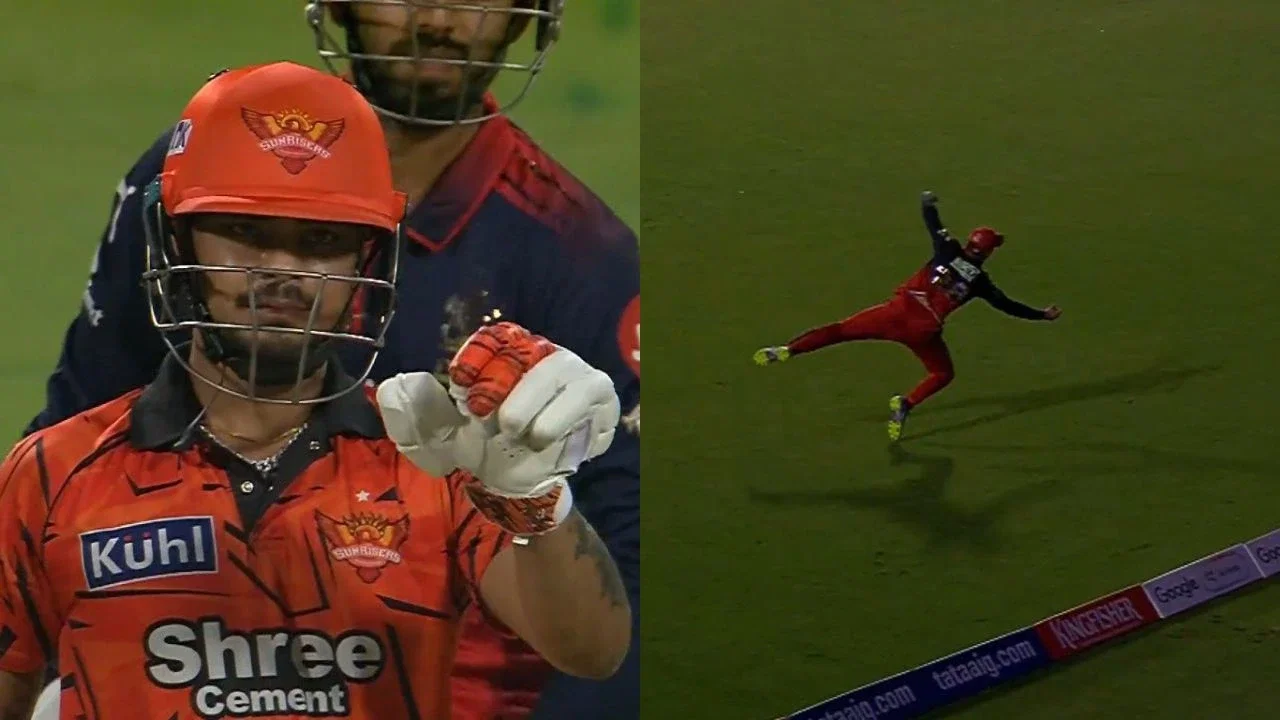
Phil Salt grabs one of the greatest catches in IPL history to dismiss Ishan Kishan
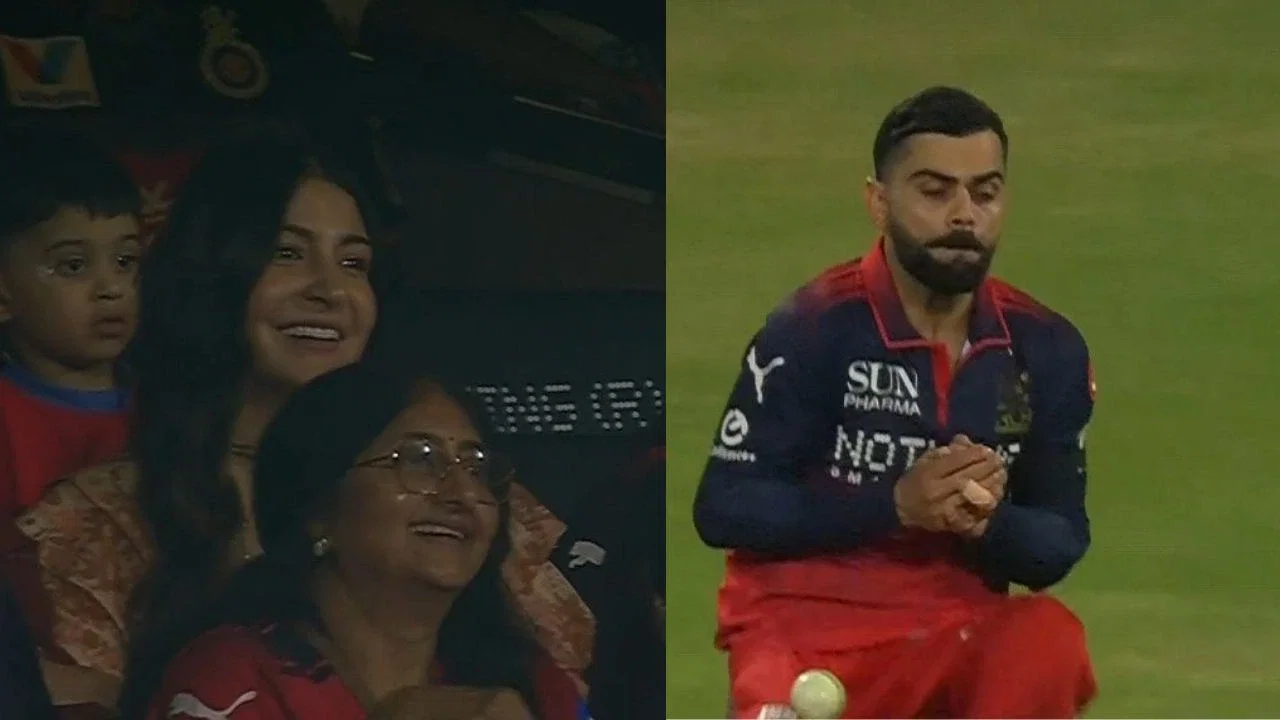
Anushka Sharma laughs as Virat Kohli drops a sitter in RCB vs SRH clash (Watch Video)

