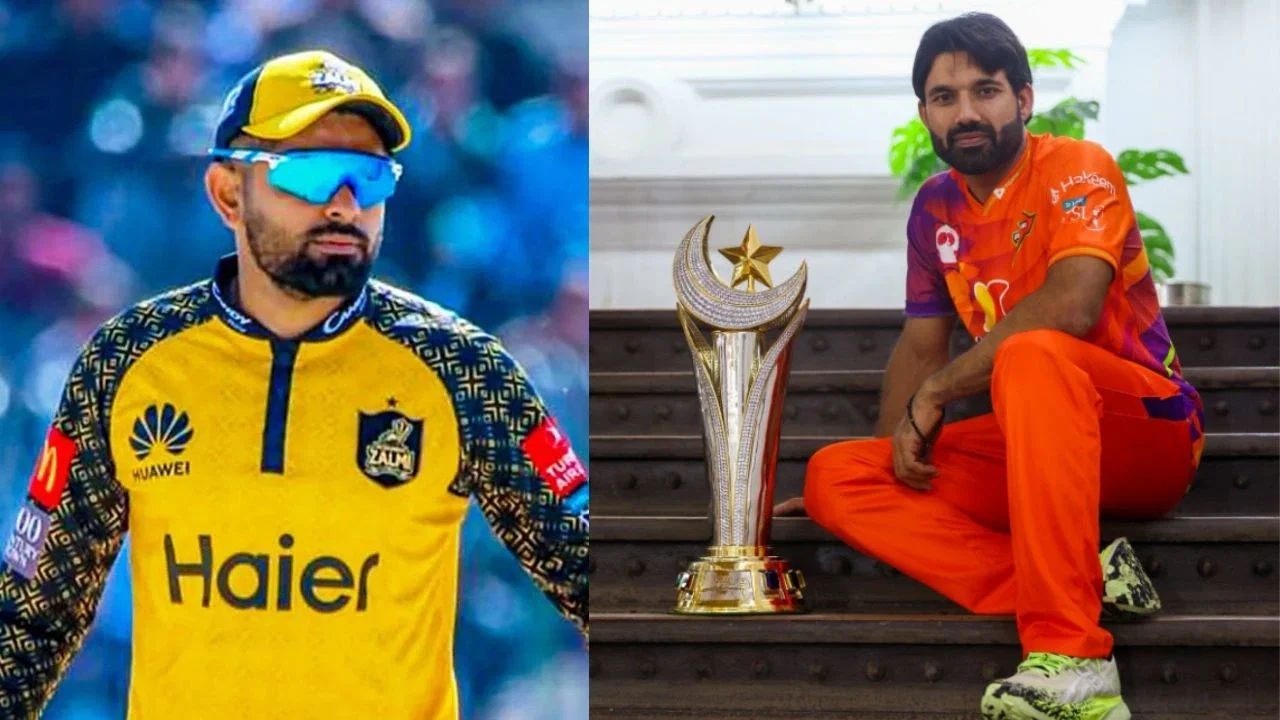
Ravichandran Ashwin issues massive warning to Sanju Samson ahead of ICC T20 World Cup 2026
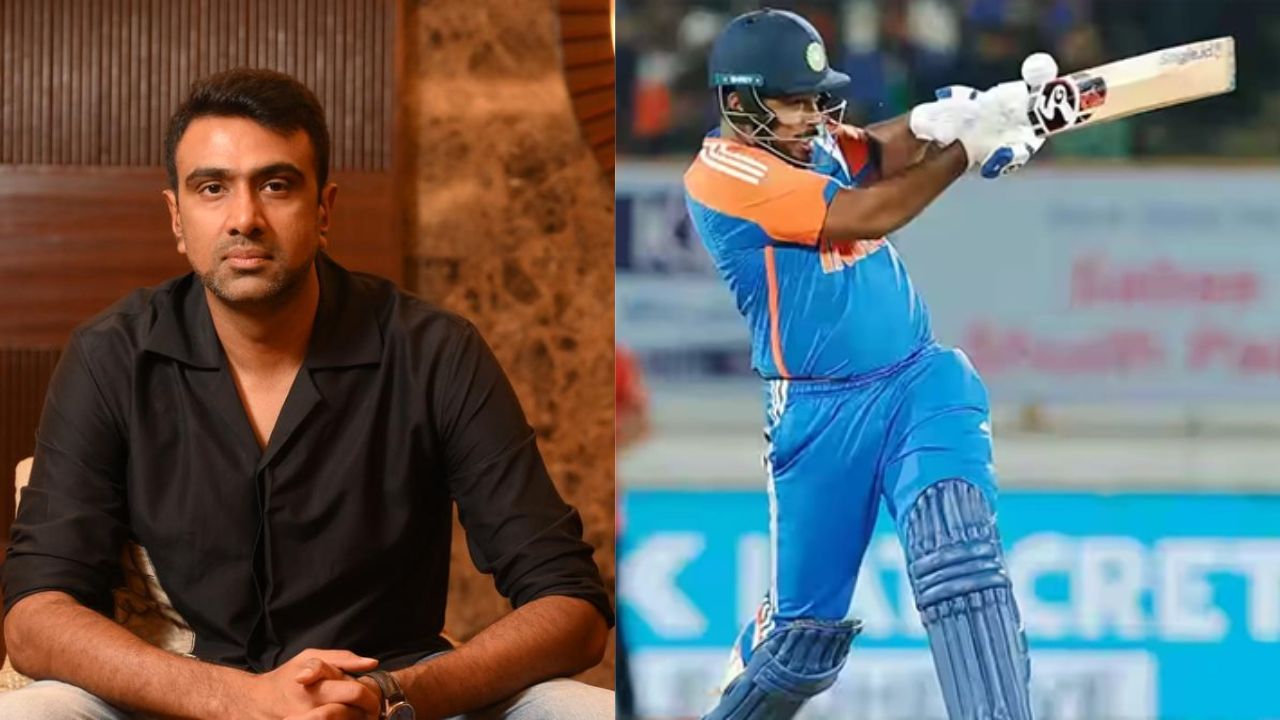
Ravichandran Ashwin Weighs in on Team Stability Ahead of ICC T20 World Cup
Former Indian spinner Ravichandran Ashwin has provided insights into the delicate balance between stability and the temptation to make changes in a team’s final playing XI going into an international tournament, specifically the upcoming ICC T20 World Cup. While Ashwin emphasizes the importance of maintaining stability within the team, he also acknowledges the impressive form of young talent Ishan Kishan, which poses a compelling case for selectors to consider a change.
Sanjun Samson’s Struggles and Ishan Kishan’s Rise
During the ongoing T20I series against New Zealand, Sanju Samson, who was backed by Indian selectors after being benched for a significant period, has failed to make a significant impact. Despite being given opportunities, Samson’s recent performances have raised questions about his position in the squad, particularly in comparison to Ishan Kishan, who has been in stellar form.
Ishan Kishan, the left-handed batsman from Jharkhand, has proved his worth in the limited opportunities he has received. With impressive performances, including a blistering fifty and a strike rate exceeding 200, Kishan has caught the attention of fans and critics alike. His contributions, especially in crucial situations like the chase against New Zealand, have highlighted his potential as a game-changer.
Challenges Faced by Sanju Samson
Ravichandran Ashwin, while acknowledging Sanju Samson’s talent and potential, has also pointed out a recurring weakness in Samson’s game. Ashwin identified a pattern in Samson’s dismissals, particularly against short balls near the body, which have been a vulnerability for the wicket-keeper batsman. Ashwin highlighted the need for Samson to work on this aspect of his game to avoid falling into a predictable pattern that bowlers can exploit.
The Dilemma for Indian Selectors
As the ICC T20 World Cup approaches, Indian selectors face a dilemma in deciding between stability and the temptation to make changes based on current form. While Ashwin advocates for maintaining stability within the team, he also acknowledges the compelling case presented by Ishan Kishan’s exceptional performances. The rise of young talent like Kishan provides selectors with a challenging decision as they aim to field the strongest possible playing XI for the marquee event.
In conclusion, the debate between stability and change in a team’s composition ahead of a major tournament like the ICC T20 World Cup underscores the complexities of team selection in cricket. With experienced players like Sanju Samson facing challenges and emerging talents like Ishan Kishan showcasing their potential, the Indian team management must carefully weigh their options to field a balanced and competitive squad for the upcoming tournament.
By considering the insights shared by Ravichandran Ashwin, Indian selectors and team management can navigate the delicate balance between stability and the need to adapt to changing circumstances in the dynamic world of international cricket.
The Impact of Team Dynamics on Performance
One crucial aspect that often gets overlooked in the debate between stability and change is the effect of team dynamics on performance. While individual talent is essential, the chemistry and cohesion within a team can significantly influence outcomes in high-pressure situations like a World Cup. Maintaining a stable core group of players who are familiar with each other’s playing styles and strengths can build trust and understanding on the field, leading to better teamwork and communication.
On the other hand, introducing new players, especially ones like Ishan Kishan who are in exceptional form, can inject fresh energy and enthusiasm into the team. The excitement of having a young, dynamic player who can bring a new dimension to the squad can be a motivating factor for the entire team. However, integrating a new player into the team dynamics requires careful consideration to ensure that the balance and synergy within the group are maintained.
Strategic Planning and Adaptability
Another aspect to consider when making decisions about team composition is the strategic planning required for a tournament like the ICC T20 World Cup. While stability is essential for consistency in performance, teams also need to be adaptable and flexible in their approach. In a fast-paced format like T20 cricket, where momentum can shift quickly, having players who can adapt to different game situations is crucial.
The Indian selectors will need to balance the need for stability with the strategic flexibility to make changes based on match conditions, opponent strengths, and tactical considerations. Assessing the strengths and weaknesses of each player in the context of the overall team strategy will be vital in ensuring that the playing XI is well-equipped to handle diverse challenges that may arise during the World Cup.
Mentorship and Player Development
As Ravichandran Ashwin rightly points out, the development of young talent like Ishan Kishan and the improvement of established players like Sanju Samson require mentorship and guidance from experienced individuals within the team. Creating a nurturing environment where senior players can mentor and support younger ones can foster growth and learning, ultimately benefiting the team as a whole.
Team stability can also be achieved through a comprehensive player development program that focuses on enhancing skills, addressing weaknesses, and building mental resilience. By investing in the holistic development of players, teams can create a strong foundation for long-term success, ensuring that the squad is well-prepared for the demands of international cricket at the highest level.
Final Thoughts on Team Selection
As the Indian team navigates the complexities of team selection for the upcoming ICC T20 World Cup, the balance between stability and change will be a key consideration. By carefully evaluating the impact of team dynamics, strategic planning, and player development, the selectors can make informed decisions that optimize the team’s performance and maximize their chances of success in the tournament.
Ultimately, the goal for the Indian team will be to field a competitive playing XI that combines the right mix of experience, talent, and adaptability. By leveraging the insights provided by Ravichandran Ashwin and incorporating a holistic approach to team selection, India can position themselves as strong contenders for the ICC T20 World Cup title.
As fans eagerly await the final squad announcement and the tournament unfolds, the delicate balance between stability and change in team composition will continue to be a topic of discussion and scrutiny. The world of cricket is ever-evolving, and the ability to strike the right balance in team selection will be crucial for India’s aspirations in the ICC T20 World Cup.
Latest News
Naseem Shah charged with central contract violation during PSL 2026
MS Dhoni out of IPL 2026, has not recovered from calf strain
Jasprit Bumrah set to lead MI attack in blockbuster IPL 2026 clash vs KKR
Mitchell Starc to miss IPL 2026, wife Alyssa Healy drops massive update on injury

Nick Knight rejects PSL to join IPL commentary panel
MS vs ISU Match Prediction, Pitch & Weather Report, Playing XIs, Head-to-Head, Free Live Streaming – PSL 2026 Match 4
“MS Dhoni doesn’t attend team discussions” – Ruturaj Gaikwad makes stunning revelationtaincy Role

Ben Duckett breaks silence on Noosa Clip scandal, calls it ‘Worst’ moment in cricketing career
“IPL players are grossly underpaid”: Ex-CSK star calls out BCCI
Ahmed Shehzad summoned as former Pakistan skipper takes legal action over serious allegations
CSK to feature without their legendary duo MS Dhoni and Suresh Raina for the first time
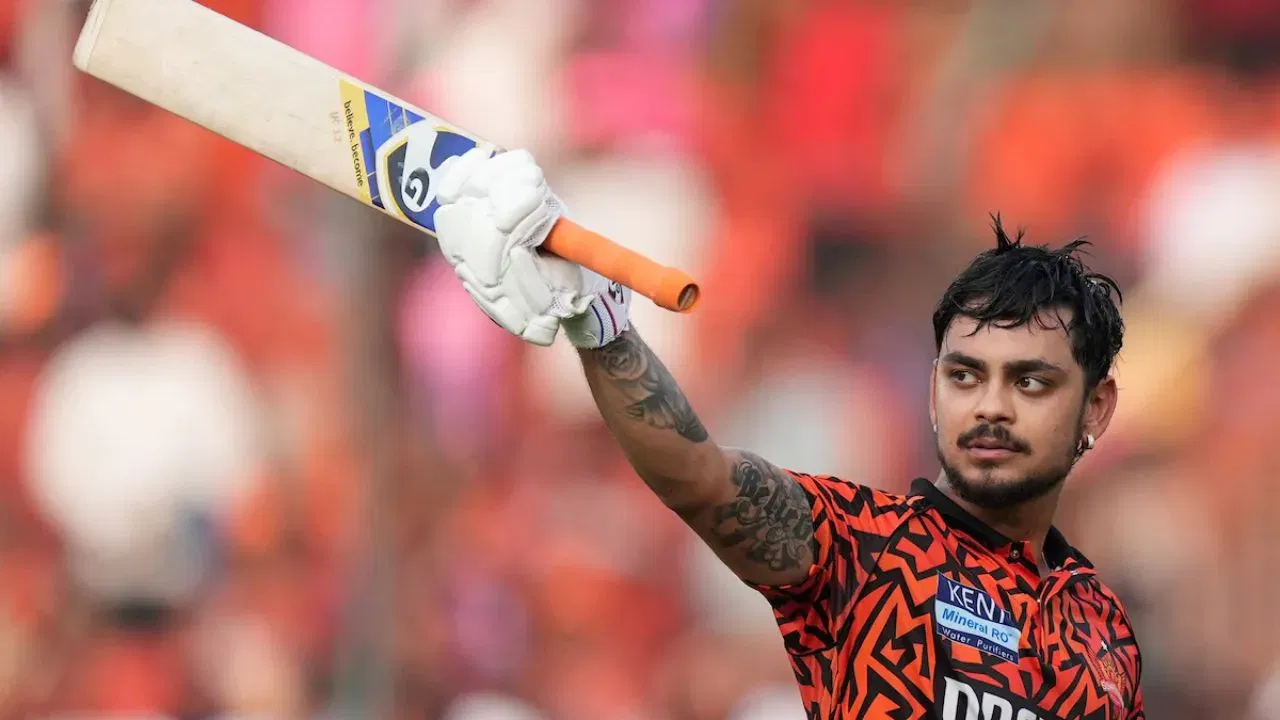
Ishan Kishan set to create history as SRH captain in IPL 2026 opener against RCB
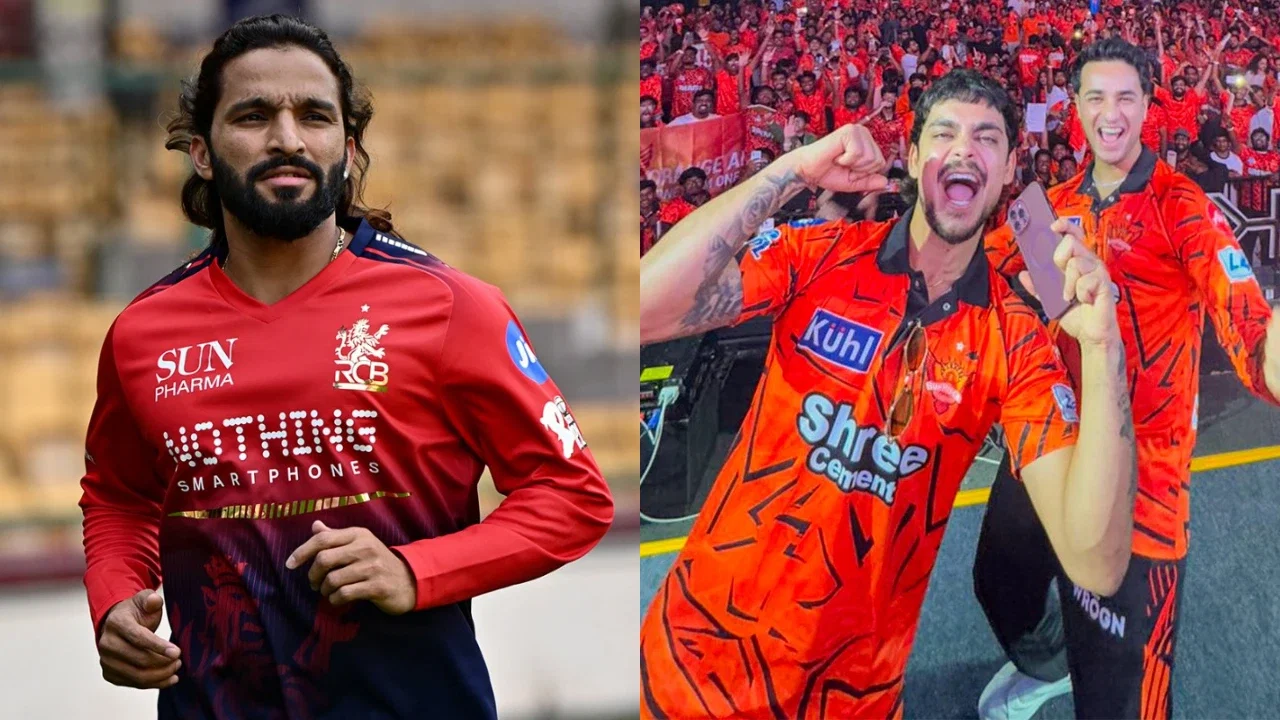
RCB Playing XI vs SRH Playing XI – Match No. 1 | IPL 2026
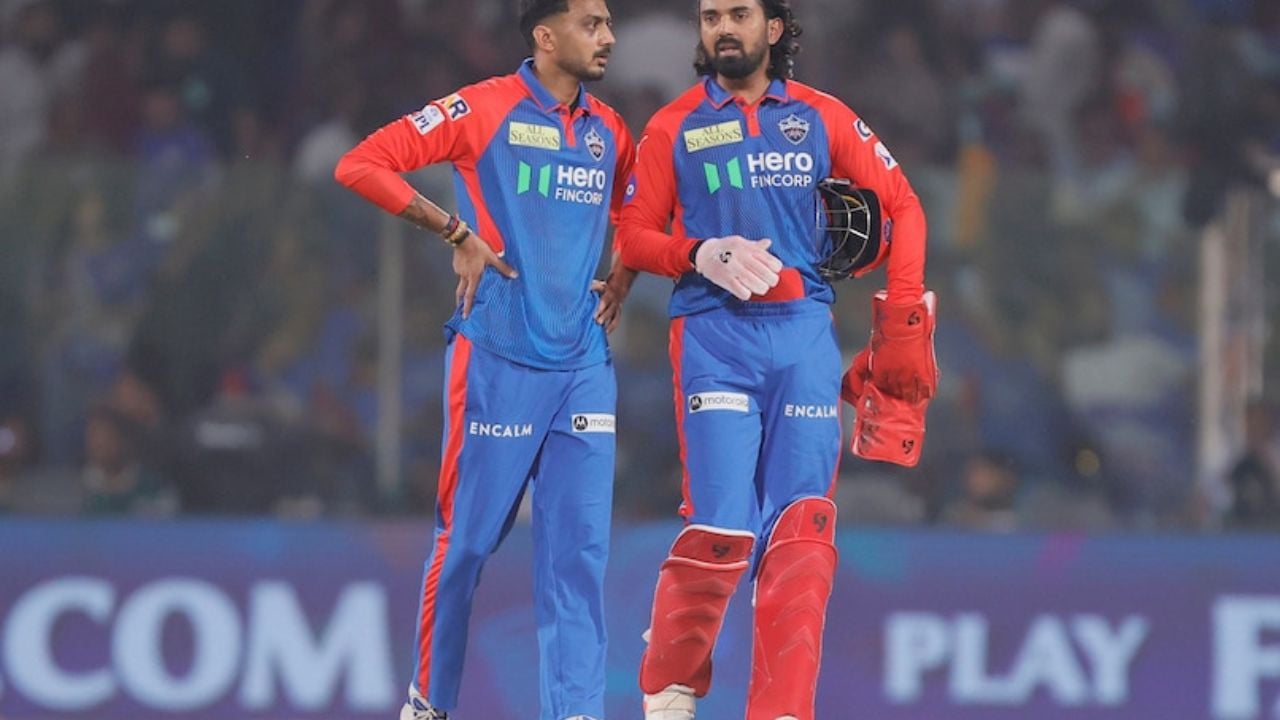
Delhi Capitals IPL 2026 Full Schedule: DC Fixtures, Dates, Timings and Venues | Squad and Coaches