Ravichandran Ashwin predicts ‘death of ODI cricket’ after Rohit Sharma, Virat Kohli retire
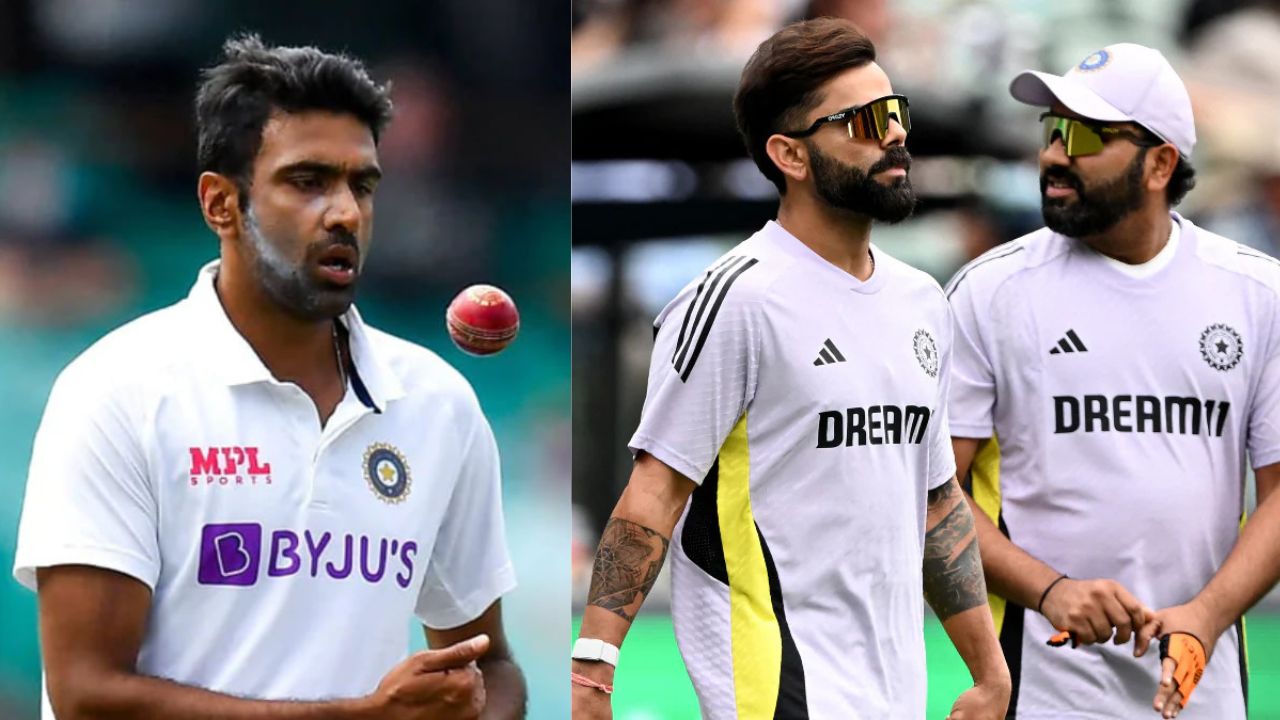
Ravichandran Ashwin Expresses Concerns Over the Future of ODI Cricket
Former Indian spinner Ravichandran Ashwin recently shared his thoughts on the current state and future of One-Day International (ODI) cricket, expressing his concerns about its diminishing prominence.
Ravichandran Ashwin highlighted the individuality of ODI cricket, situated between the enduring value of Test cricket and the rising dominance of T20 cricket. He emphasized how star players like Virat Kohli and Rohit Sharma play a crucial role in drawing audiences towards ODI tournaments, bringing attention to the format that is often overshadowed by other formats.
According to Ashwin, the excessive rise of T20 cricket globally, due to its massive fanbase, is gradually squeezing space for traditional 50-over tournaments. He pointed out that the future of ODI cricket seems uncertain, especially with the retirement of senior cricketers such as Kohli and Sharma.
During a conversation on his Hindi YouTube channel, Ash Ki Baat, Ashwin expressed his worries about the future of ODI cricket post the 2027 World Cup. He noted that while T20s and Tests continue to attract audiences, the 50-over format is losing its appeal and heading towards a slow demise.
Ashwin emphasized the significance of big names like Kohli and Sharma in making the game relevant, citing their recent participation in the Vijay Hazare Trophy as examples of how star players can bring attention to domestic competitions and shine the spotlight on young cricketers.
Furthermore, Ashwin discussed the evolution of the one-day format, mentioning how it has shifted from allowing batters time to settle down to a more aggressive style of play. He highlighted the changes in gameplay, such as using two new balls and restricting fielders inside the circle, which have altered the dynamics of ODI cricket.
Calling for a shift in the International Cricket Council’s (ICC) approach to ODI cricket, Ashwin compared it to the FIFA World Cup structure. He suggested a restructuring of the format, advocating for fewer international fixtures and emphasizing the importance of creating anticipation around major events like the ODI World Cup by hosting it once every four years.
In conclusion, Ravichandran Ashwin’s insights shed light on the challenges facing ODI cricket and the need for innovation to revitalize the format and maintain its relevance in the rapidly evolving landscape of modern cricket.
Evolution of ODI Cricket
One key aspect that Ravichandran Ashwin touched upon is the evolution of ODI cricket over the years. Originally introduced in the 1970s, One-Day Internationals were seen as a shorter, more dynamic alternative to Test cricket, catering to audiences with limited time. However, as the sport evolved and T20 cricket gained popularity, the traditional 50-over format began to face challenges in maintaining its appeal.
One significant change in ODI cricket that Ashwin highlighted is the shift towards a more aggressive style of play. Batters are now encouraged to score quickly, with the advent of powerplays, two new balls, and restrictions on field placements. This evolution has led to higher-scoring matches and more excitement for fans, but it has also altered the traditional dynamics of the game.
Challenges Facing ODI Cricket
While ODI cricket has its own unique charm and history, it is facing stiff competition from T20 cricket, which has captured the attention of fans with its fast-paced action and entertainment value. As Ashwin pointed out, the future of ODI cricket appears uncertain, especially with the retirement of veteran players who have been the face of the format for years.
Another challenge that ODI cricket faces is the oversaturation of fixtures. With numerous bilateral series and tournaments throughout the year, fans may be experiencing fatigue from the sheer volume of matches. This oversaturation can lead to a decrease in interest in ODI cricket, as audiences may become desensitized to the format due to its frequent presence in the cricketing calendar.
Revitalizing ODI Cricket
In order to revitalize ODI cricket and ensure its relevance in the future, innovative approaches are needed. One suggestion made by Ashwin is to restructure the format, similar to major sporting events like the FIFA World Cup. By hosting the ODI World Cup once every four years, it could create a sense of anticipation and excitement among fans, much like the quadrennial football extravaganza.
Additionally, promoting the star power of players like Virat Kohli and Rohit Sharma is crucial in drawing attention to ODI cricket. These players have a massive following and influence in the cricketing world, and their participation in domestic tournaments can help shine a spotlight on the format and attract new audiences, especially younger fans.
Conclusion
Ravichandran Ashwin’s concerns about the future of ODI cricket highlight the challenges that the format is currently facing. As the cricketing landscape continues to evolve, it is essential for stakeholders to explore new strategies to maintain the appeal of ODI cricket and keep the format relevant in the eyes of fans. By embracing innovation, restructuring competitions, and leveraging the star power of players, ODI cricket can carve out its own niche in the ever-changing world of modern cricket.
Latest News
Mumbai Indians suffer blow! Mitchell Santner, Will Jacks ruled out of IPL 2026 games
MI vs KKR Match Prediction – Who Will Win Match No.2? | IPL 2026
Mumbai Indians Playing XI vs Kolkata Knight Riders Playing XI- Match No. 2 | IPL 2026
MI vs KKR Match 2 Preview: Free Live Streaming, Pitch & Weather Report, Head-to-Head | IPL 2026
Not English cricket! Jos Buttler credits IPL for his success as a cricketer
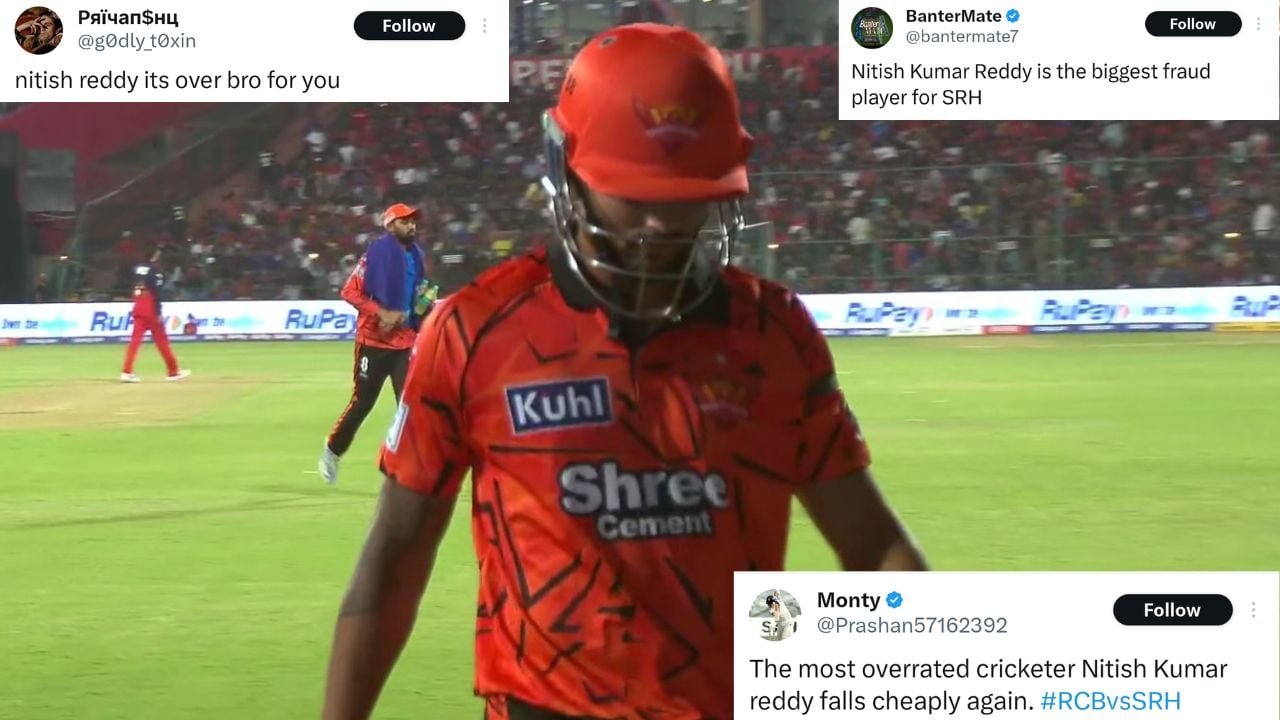
“Nitish Kumar Reddy is biggest fraud”: Fans fume as SRH star fails vs RCB in IPL 2026 opener
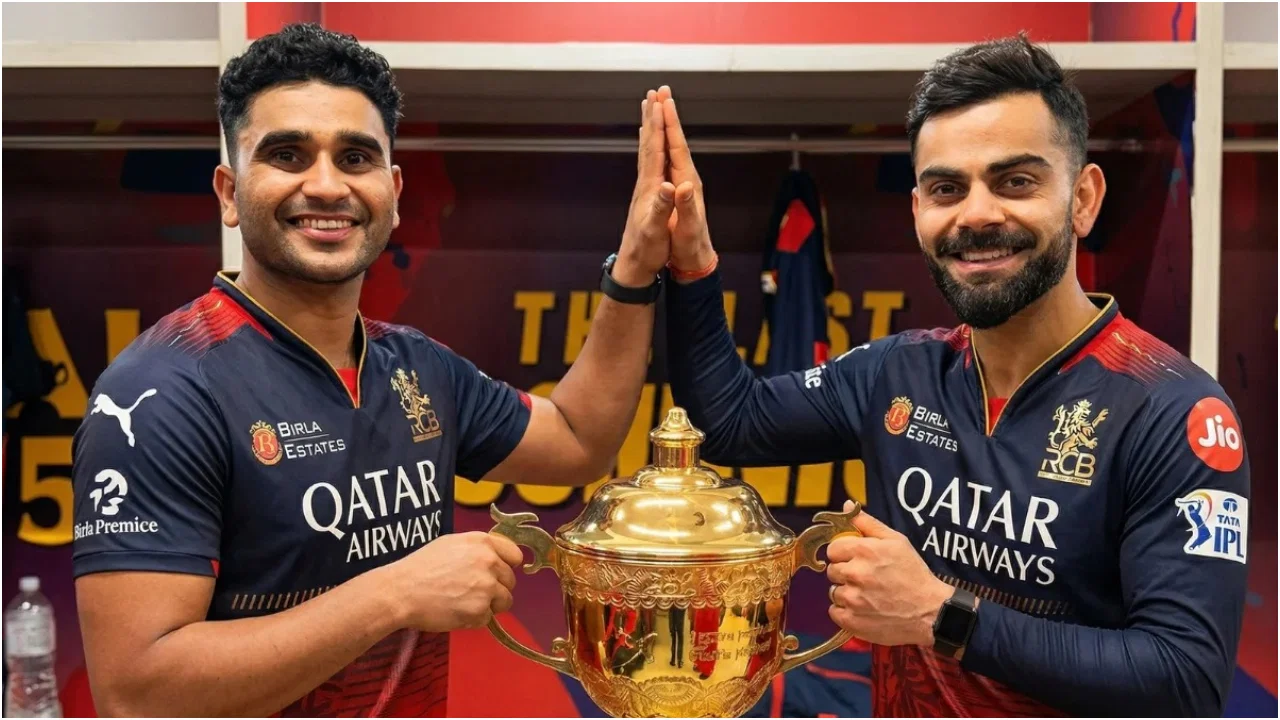
Who is Abhinandan Singh? The Virat Kohli troublemaker who made his IPL debut for RCB vs SRH
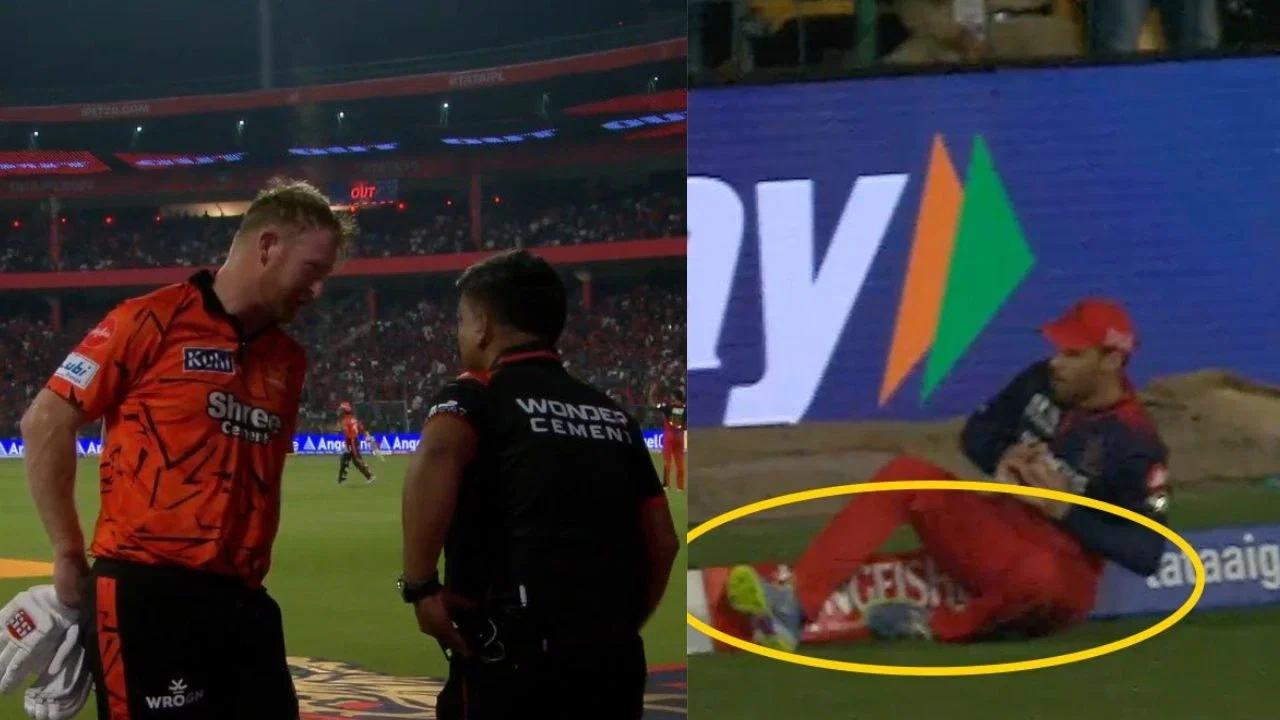
Heinrich Klaasen engages in heated chat with 4th umpire after Phil Salt’s controversial catch in IPL 2026
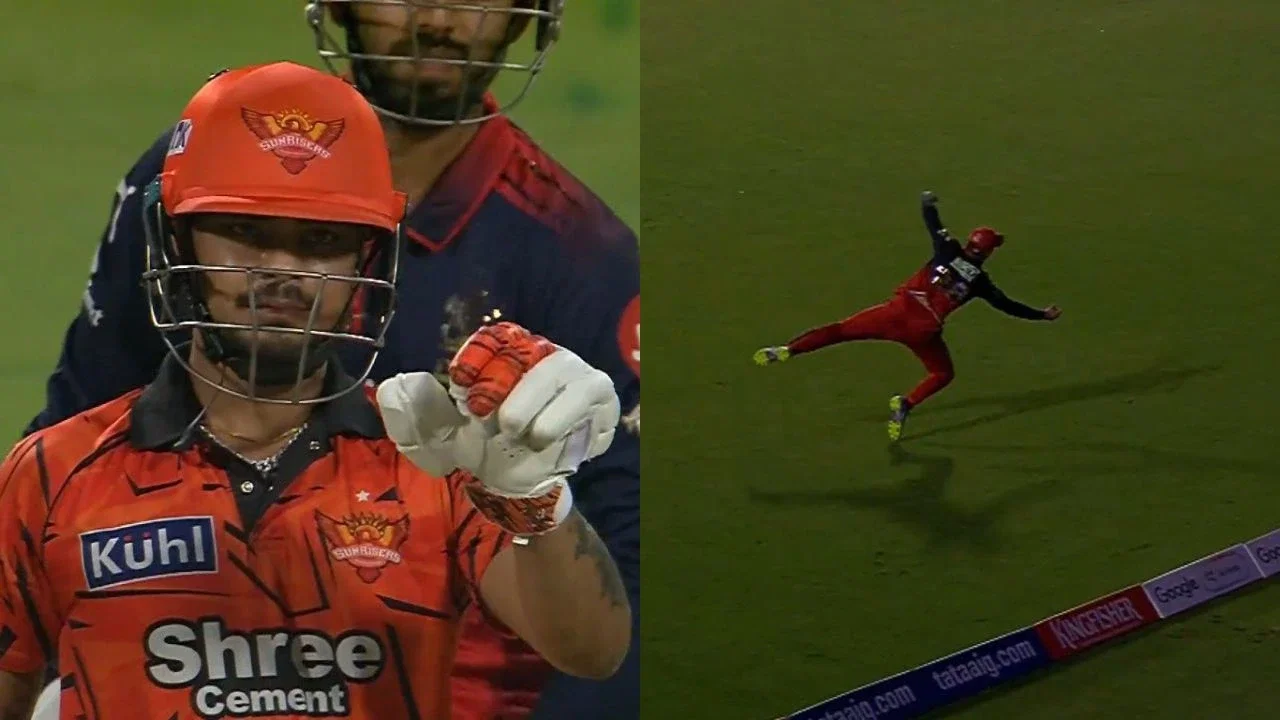
Phil Salt grabs one of the greatest catches in IPL history to dismiss Ishan Kishan
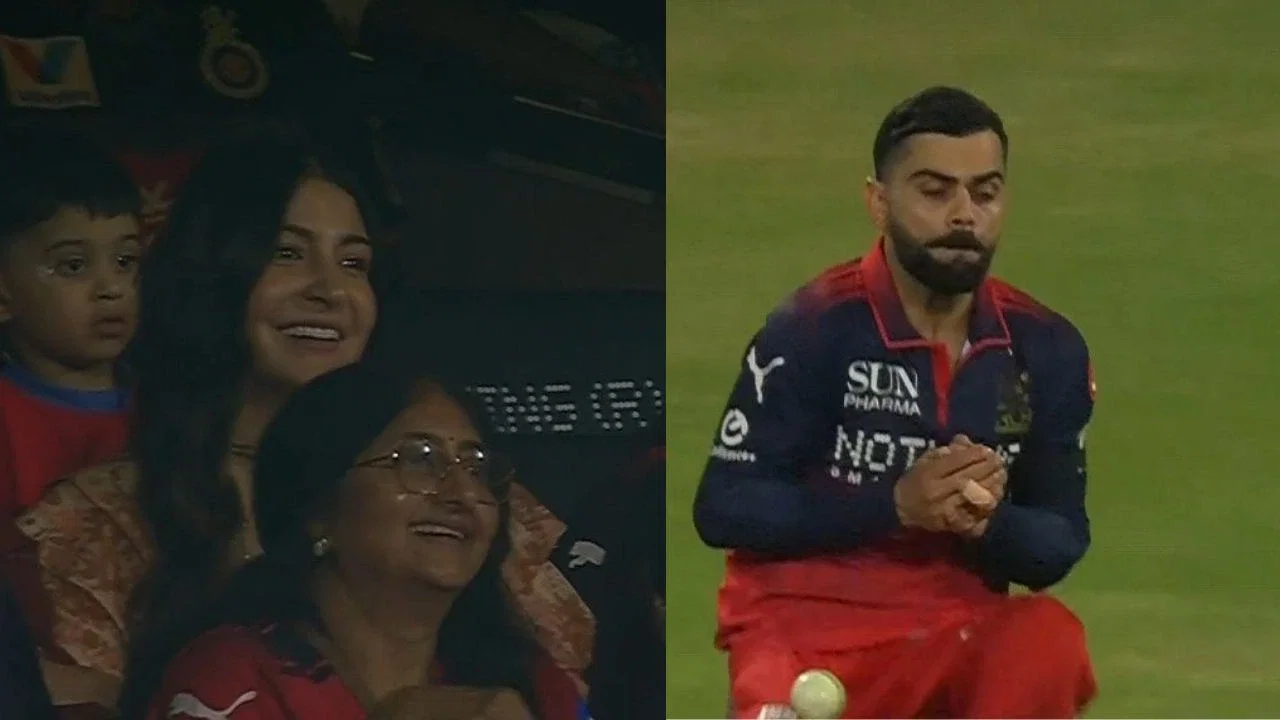
Anushka Sharma laughs as Virat Kohli drops a sitter in RCB vs SRH clash (Watch Video)
Anushka Sharma laughs as Virat Kohli drops a sitter in RCB vs SRH clash (Watch Video)
Anushka Sharma laughs as Virat Kohli drops a sitter in RCB vs SRH clash (Watch Video)
Anushka Sharma laughs as Virat Kohli drops a sitter in RCB vs SRH clash (Watch Video)
Anushka Sharma laughs as Virat Kohli drops a sitter in RCB vs SRH clash (Watch Video)