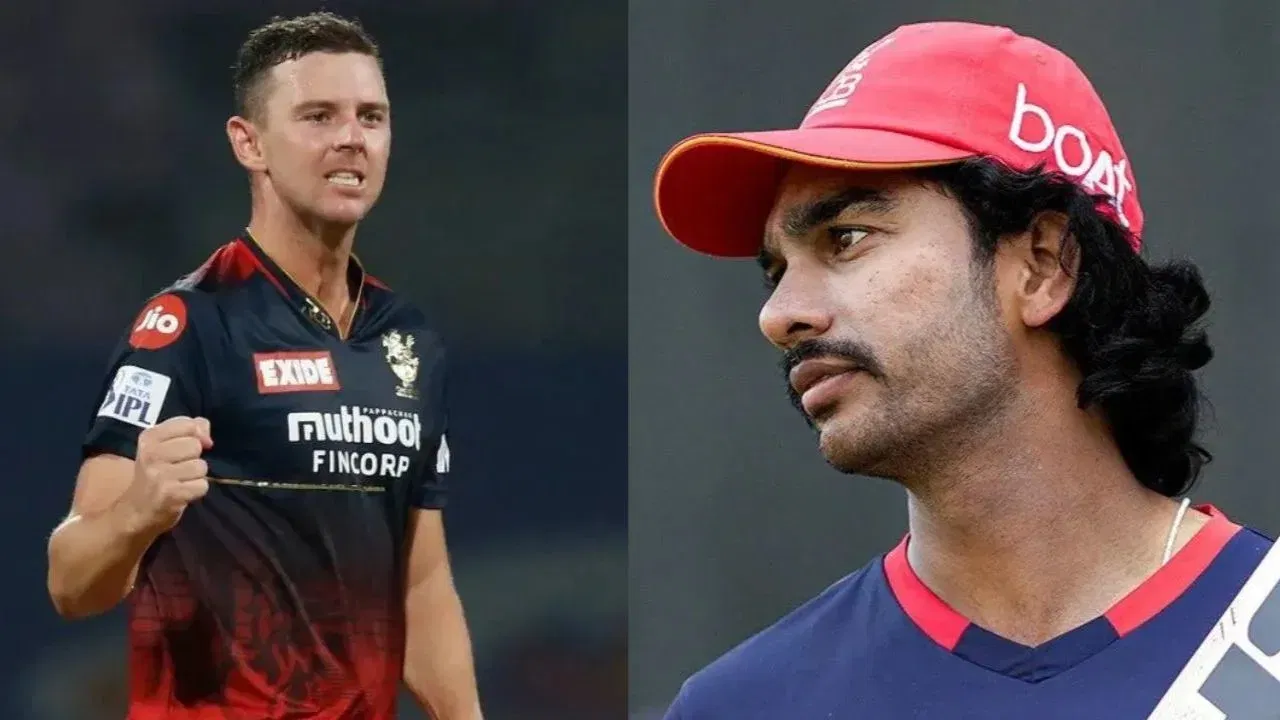
Ravindra Jadeja reveals how BCCI’s domestic cricket mandate is impacting Team India players
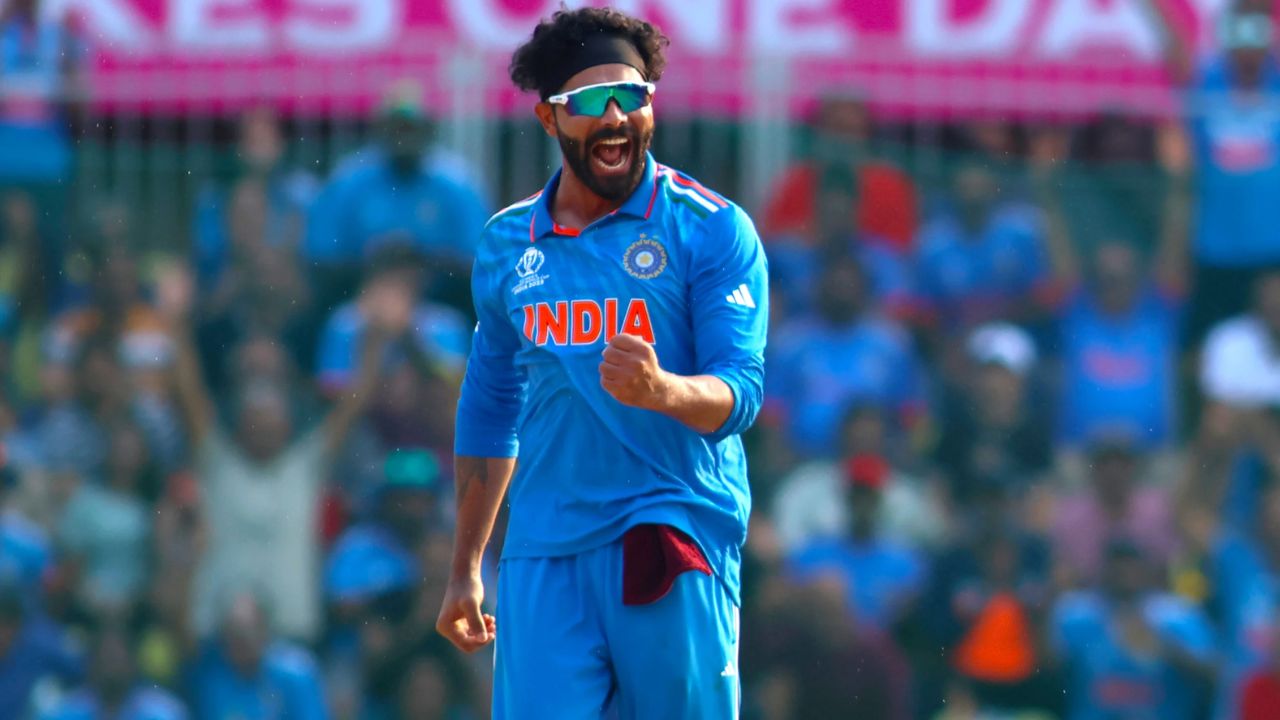
Ravindra Jadeja Credits Ranji Trophy for Ongoing Success in ODI Series
India allrounder Ravindra Jadeja believes that his recent stellar performances in the ongoing ODI series against England can be attributed to his participation in the Ranji Trophy just before the series commenced. The left-arm spinner credits the domestic matches for helping him maintain his bowling rhythm and adapt quickly to the 50-over format.
Benefiting from Ranji Trophy Matches
In a recent interview with ESPNCricinfo, Jadeja expressed his satisfaction with his performance in the second ODI and highlighted the importance of adapting swiftly to the ODI format after a two-year hiatus. He emphasized the role of the Ranji Trophy matches in keeping him in form, particularly mentioning his impressive showing against Delhi where he bowled 30 overs and never lost his rhythm.
According to Jadeja, he focused on bowling Test match lines and lengths in ODIs, which contributed significantly to his success in the ongoing series. He attributed his continuity and rhythm to the domestic game he played, underscoring the benefits of not having an extended break from cricket.
Indian Internationals in Ranji Trophy
Jadeja is among several Indian international players who recently participated in the Ranji Trophy following the BCCI’s directive for centrally contracted players to be available for domestic cricket. Notable names such as Virat Kohli, Rohit Sharma, Rishabh Pant, Yashasvi Jaiswal, Shubman Gill, and Mohammed Siraj also featured for their respective teams.
While most players struggled to make an impact in their domestic return, Jadeja and Gill stood out with outstanding performances, showcasing the benefits of competitive match practice ahead of international fixtures.
Jadeja’s Impressive ODI Performances
In the ongoing ODI series against England, Jadeja has been a standout performer for India with his bowling prowess. In the second ODI, he claimed crucial wickets including Ben Duckett, Joe Root, and Jamie Overton, disrupting key partnerships and controlling the run flow.
Jadeja’s disciplined bowling, focusing on wicket-to-wicket lines, restricted England’s batters and led to breakthroughs at crucial junctures. His figures of 3-35 in 10 overs in the second ODI added to his impressive tally of 3-26 in the first match, solidifying his position as India’s top bowler in the series.
With six wickets at an average of 10.16 and an economy rate of 3.21, Jadeja has been instrumental in India’s bowling attack, showcasing his value as a seasoned allrounder. His success in the ongoing series underscores the importance of competitive domestic cricket in preparing players for international challenges.
Importance of Domestic Cricket for International Players
Participating in domestic tournaments like the Ranji Trophy can provide international players with a platform to sharpen their skills, maintain match fitness, and adapt to different formats. For someone like Ravindra Jadeja, who excels in all facets of the game, the Ranji Trophy served as a crucial stepping stone to success in the ongoing ODI series against England.
Playing against quality domestic opposition not only allows players to fine-tune their techniques but also helps them stay competitive and match-ready. The intensity of domestic cricket often replicates international standards, providing invaluable experience that can be directly translated into success on the international stage.
Impact of Central Contracted Players in Domestic Cricket
With the BCCI mandating the participation of centrally contracted players in domestic competitions, the Ranji Trophy witnessed a significant boost in star power this season. The inclusion of top international players not only adds to the spectacle of domestic cricket but also elevates the overall standard of the tournament.
Having seasoned players like Jadeja, Kohli, and Sharma play alongside emerging talents in domestic matches creates a conducive environment for learning and mentorship. The exchange of ideas and experiences between established internationals and upcoming cricketers can be invaluable in nurturing the next generation of Indian talent.
Future Prospects for Indian Cricket
As Indian cricket continues to thrive on the back of a robust domestic structure, the integration of international stars into domestic competitions bodes well for the future. The success stories of players like Jadeja, who credit their domestic outings for international triumphs, serve as a testament to the efficacy of this approach.
By fostering a symbiotic relationship between domestic and international cricket, India can ensure a steady stream of talent and a pipeline of players who are well-equipped to handle the rigors of top-level competition. The emphasis on honing skills in domestic setups can lead to a more sustainable and successful future for Indian cricket across all formats.
Conclusion
Ravindra Jadeja’s resurgence in the ongoing ODI series against England stands as a testament to the benefits of participating in domestic tournaments like the Ranji Trophy. His success underscores the importance of competitive match practice and the seamless transition from domestic to international cricket.
As more international players embrace the opportunity to compete in domestic competitions, Indian cricket stands to gain from a deeper pool of talent, enhanced skill development, and a culture of continuous improvement. The fusion of domestic and international cricket not only benefits individual players like Jadeja but also contributes to the overall strength and sustainability of Indian cricket on the global stage.
Latest News
“Mumbai Indians are winning it” – Ex-England captain makes bold prediction for IPL 2026
Mayank Yadav reveals real story behind his recovery and Sanjiv Goenka’s support
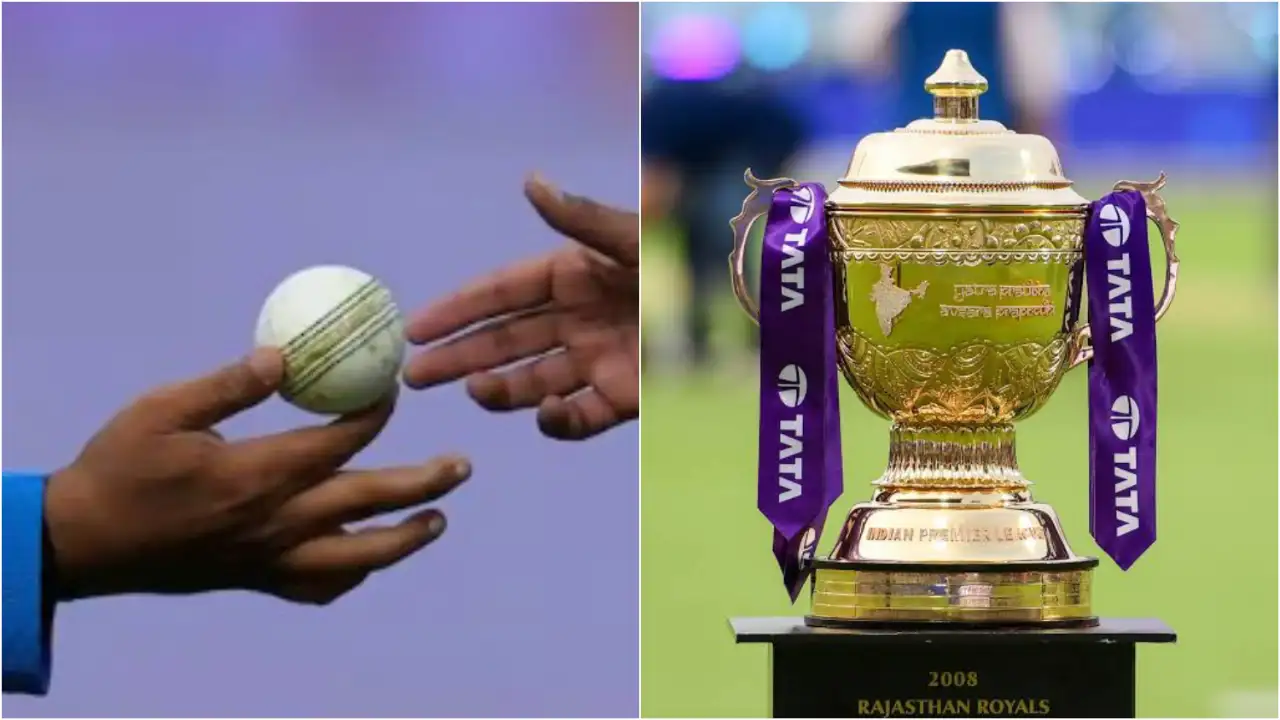
IPL 2026 ball change rule explained
Ottis Gibson reveals plan to revive Babar Azam’s confidence ahead of PSL 2026
Liam Livingstone survives as Rob Key confirms England spot after shocking interview claims
Kevin Pietersen credits RCB and IPL for career revival
Ottneil Baartman set to join CSK in IPL 2026 as replacement of….
“Great news for IPL”: Sourav Ganguly reacts to Rajasthan Royals being sold for staggering $1.63 billion
NZ vs SA 5th T20I Preview: Free Live Streaming, Pitch & Weather Report, Head-to-Head | South Africa tour of New Zealand 2026
NZ vs SA Match Prediction – Who Will Win 5th T20I? | South Africa tour of New Zealand 2026
New Zealand Playing XI vs South Africa Playing XI – 5th T20I | South Africa tour of New Zealand 2026
PBKS spinner calls Virat Kohli his idol, makes bold dismissal claim ahead of IPL 2026

“Not stupid”: Adam Gilchrist, Mark Waugh break silence on ECB not sacking Brendon McCullum
Revealed: Why RCB players will wear black armbands and No.11 jersey in IPL 2026?