RCB’s home at risk as M Chinnaswamy Stadium faces strict safety clearance for IPL 2026
Bengaluru’s M Chinnaswamy Stadium Undergoes Structural Fitness Test Ahead of IPL 2026
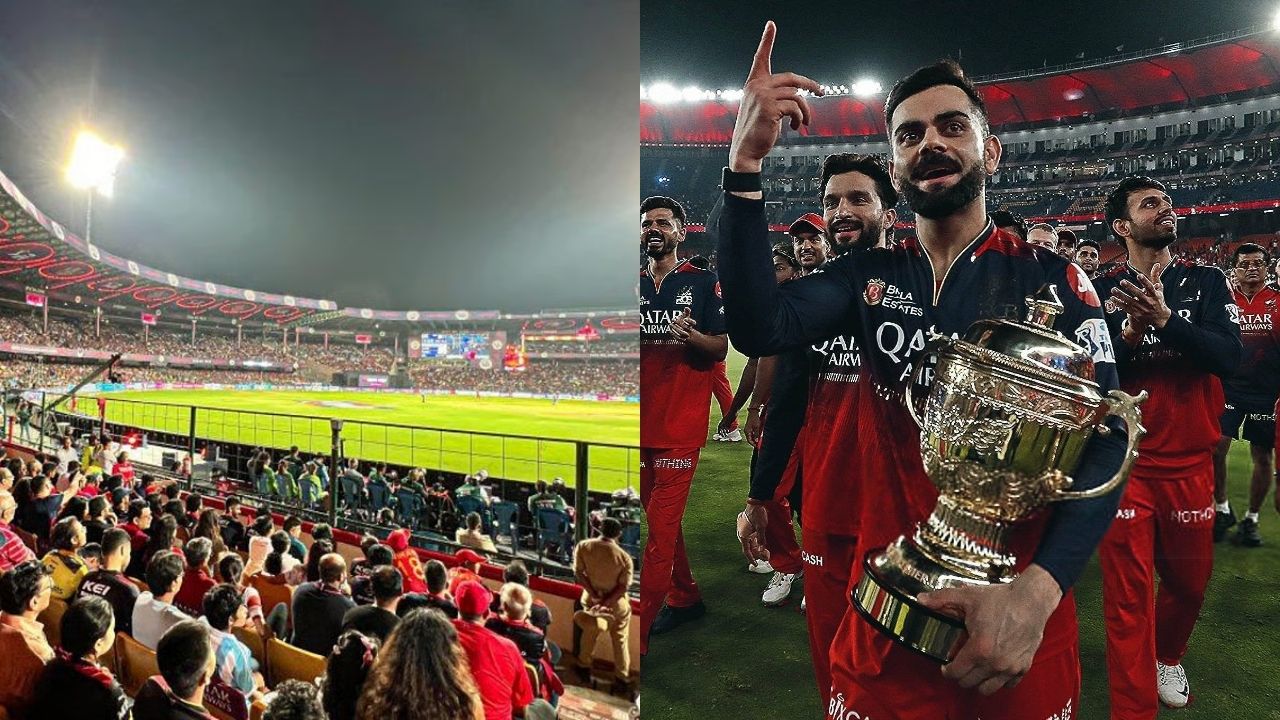
Bengaluru’s renowned M Chinnaswamy Stadium is currently facing a significant hurdle as it prepares to host the upcoming Indian Premier League 2026 (IPL 2026). The Karnataka state government has mandated a thorough structural fitness evaluation before any matches can be held at the venue.
Government Orders Full Structural Fitness Test
As reported by India Today, the Public Works Department (PWD) has issued an official notice to the Karnataka State Cricket Association (KSCA), directing them to provide a detailed fitness report for M Chinnaswamy Stadium. The stadium must demonstrate its structural safety to be eligible to host IPL 2026 matches.
The PWD has specified that the safety assessment must be conducted by experts certified by the National Accreditation Board for Testing and Calibration Laboratories (NABL). Only after independent specialists confirm that the stadium is safe will it receive authorization to hold games.
Government’s Safety Concerns
The Karnataka state government is keen on ensuring that the venue’s galleries and overall structure are sturdy enough to accommodate large crowds safely. The inspection has become mandatory as the stadium is situated on 17 acres of PWD-leased land and must prove its capacity to handle massive audiences securely.
The government’s cautious approach stems from a tragic incident in Bengaluru, where 11 individuals lost their lives and nearly 50 were injured during an event celebrating Royal Challengers Bengaluru’s (RCB) maiden IPL title win in June 2025.
Declaring M Chinnaswamy Stadium Unsafe
In the aftermath of the stampede, an independent committee led by Justice John Michael D’Cunha found that M Chinnaswamy Stadium was unsuitable for hosting large-scale events. The committee’s report highlighted risks related to crowd management, emergency planning, and traffic movement within the city.
Following this assessment, Bengaluru lost the hosting rights for significant cricketing events, including the ICC Women’s World Cup matches and the upcoming ICC T20 World Cup 2026 schedule. The matches were relocated to Navi Mumbai’s DY Patil Stadium.
Uncertainty Surrounding IPL 2026 Matches
The M Chinnaswamy Stadium has been the home ground for RCB since the inception of the IPL. However, the fate of IPL 2026 matches in Bengaluru hinges on the forthcoming structural safety report. Only if the experts deem the stadium fit will matches return to the city.
BCCI Calls Urgent Meeting Before Raipur ODI
In a parallel development, the Board of Control for Cricket in India (BCCI) has called for an urgent meeting just ahead of the second ODI against South Africa on December 3 in Raipur. The meeting is scheduled amid growing discussions about the future of players like Virat Kohli and Rohit Sharma.
Expected attendees include BCCI secretary Devajit Saikia, joint secretary Prabhtej Singh Bhatia, head coach Gautam Gambhir, and chief selector Ajit Agarkar. The participation of newly appointed BCCI president, Mithun Manhas, remains uncertain.
Given that the meeting coincides with match day, senior players such as Kohli and Rohit are unlikely to be present at the gathering. The meeting’s agenda and potential outcomes are eagerly awaited by fans and cricket enthusiasts alike.
The Importance of Structural Fitness Tests in Sports Venues
Structural fitness tests for sports venues like the M Chinnaswamy Stadium in Bengaluru are crucial for ensuring the safety and well-being of spectators, players, and staff. These assessments go beyond just evaluating the physical integrity of the stadium; they also encompass factors like crowd management, emergency preparedness, and overall infrastructure resilience.
Given the tragic incident that occurred in Bengaluru in June 2025, where lives were lost and injuries sustained due to inadequate safety measures, the government’s strict stance on conducting thorough structural fitness tests is understandable. It highlights the importance of proactive risk assessment and mitigation strategies to prevent such disasters in the future.
The Impact of Safety Concerns on Sporting Events
When a sports venue like the M Chinnaswamy Stadium is deemed unsafe to host events, the repercussions extend beyond just the immediate matches. The loss of hosting rights for significant tournaments like the ICC Women’s World Cup and the ICC T20 World Cup not only affects the city’s sporting reputation but also has economic implications.
Relocating matches to alternative venues like the DY Patil Stadium in Navi Mumbai can disrupt the local economy, tourism, and the overall fan experience. It underscores the importance of maintaining safety standards in sports infrastructure to avoid such setbacks and ensure the smooth conduct of sporting events.
The Future of IPL in Bengaluru
As the fate of IPL 2026 matches in Bengaluru hangs in the balance pending the structural fitness report, there is a sense of anticipation and uncertainty among cricket fans. The M Chinnaswamy Stadium has been an iconic venue for IPL matches, and its potential exclusion from the roster could have far-reaching consequences.
If the stadium passes the safety assessment and regains the trust of authorities, fans can look forward to the return of thrilling cricket action in Bengaluru. However, if concerns persist, it might necessitate a reassessment of the city’s sporting infrastructure and the long-term implications for hosting major cricketing events.
Significance of BCCI Meeting Amidst Player Speculations
With the BCCI convening an urgent meeting ahead of the Raipur ODI, the discussions surrounding key players like Virat Kohli and Rohit Sharma take center stage. The decisions made in this meeting could have a profound impact on the future of Indian cricket and the team’s composition going forward.
As fans eagerly await the outcomes of the meeting, speculations and rumors about player retirements, team selections, and leadership transitions abound. The meeting serves as a pivotal moment in shaping the trajectory of Indian cricket and setting the tone for upcoming matches and tournaments.
By emphasizing the importance of safety assessments, examining the repercussions of safety concerns on sporting events, discussing the future of IPL in Bengaluru, and highlighting the significance of the BCCI meeting, this expanded content provides a comprehensive analysis of the original article while offering fresh insights and perspectives.
Latest News
Mohsin Naqvi enforces new social media rules for Pakistan players following Naseem Shah incident
Fakhar Zaman officially handed cricket ban after PSL 2026 ball-tampering controversy
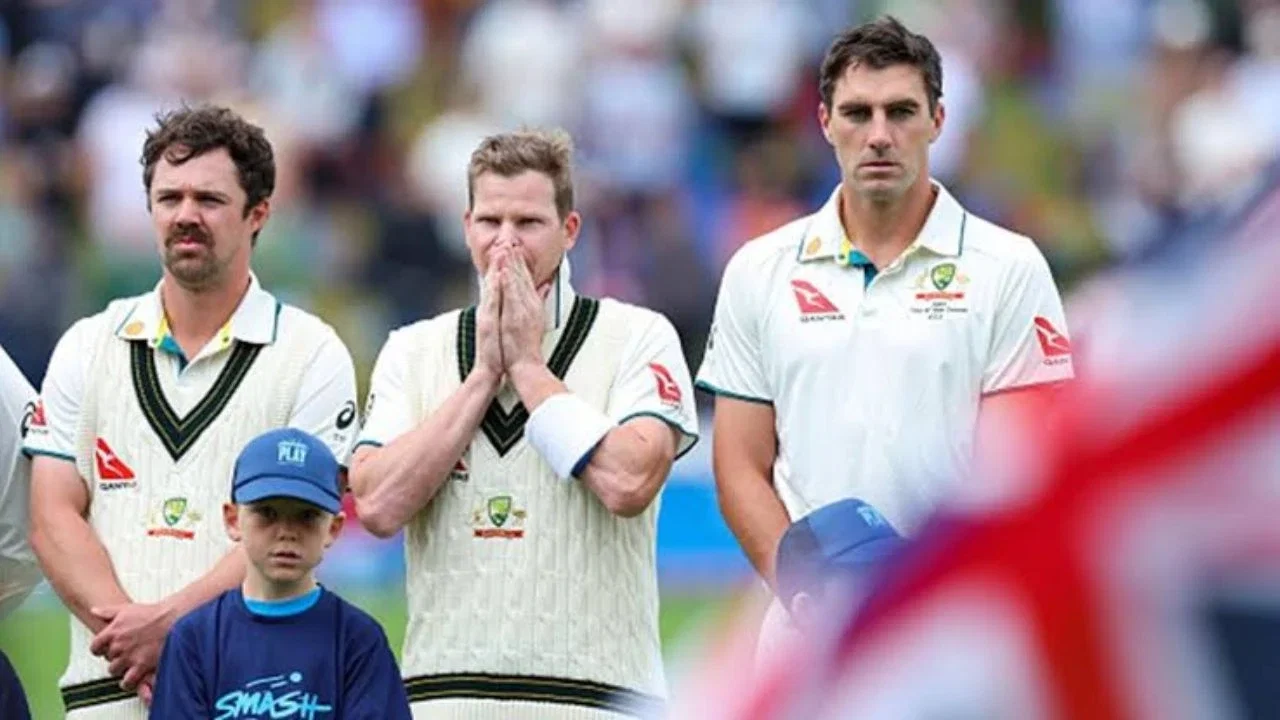
Pat Cummins forces Cricket Australia to slash central contracts list to secure premium deal
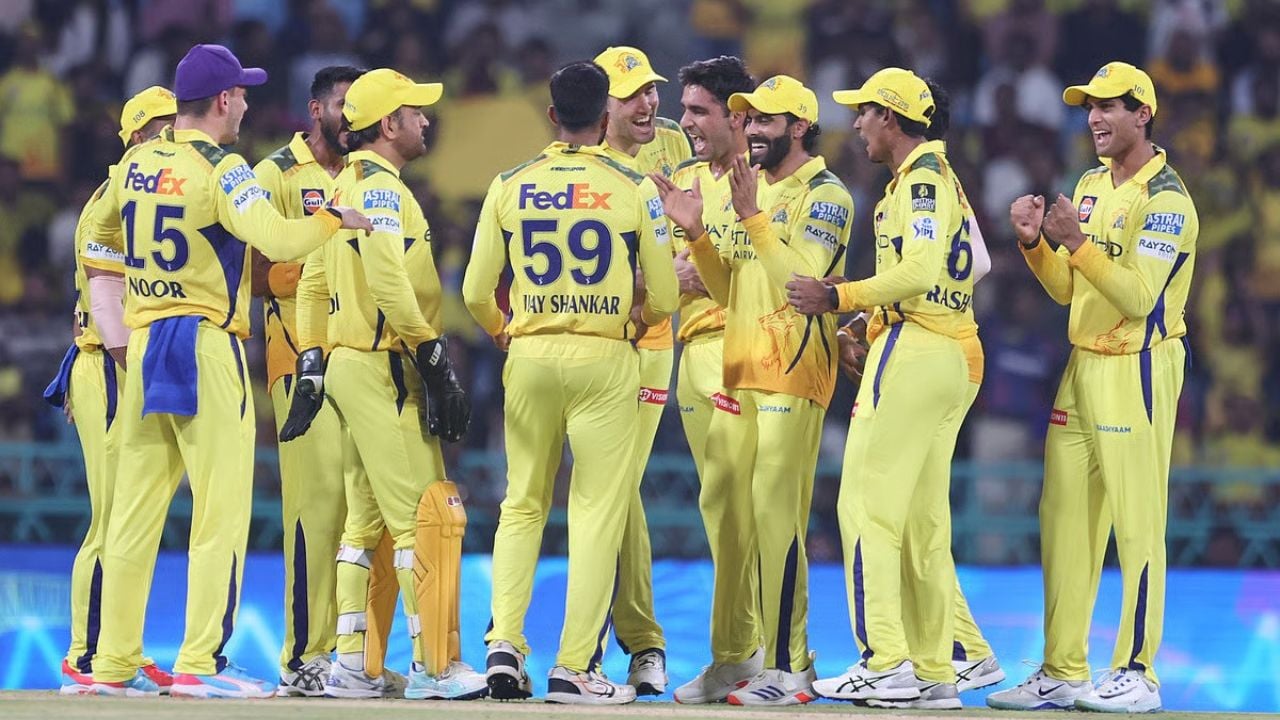
CSK’s big promise to players revealed amid IPL 2026: “Whatever BCCI offers, we’ll double it”
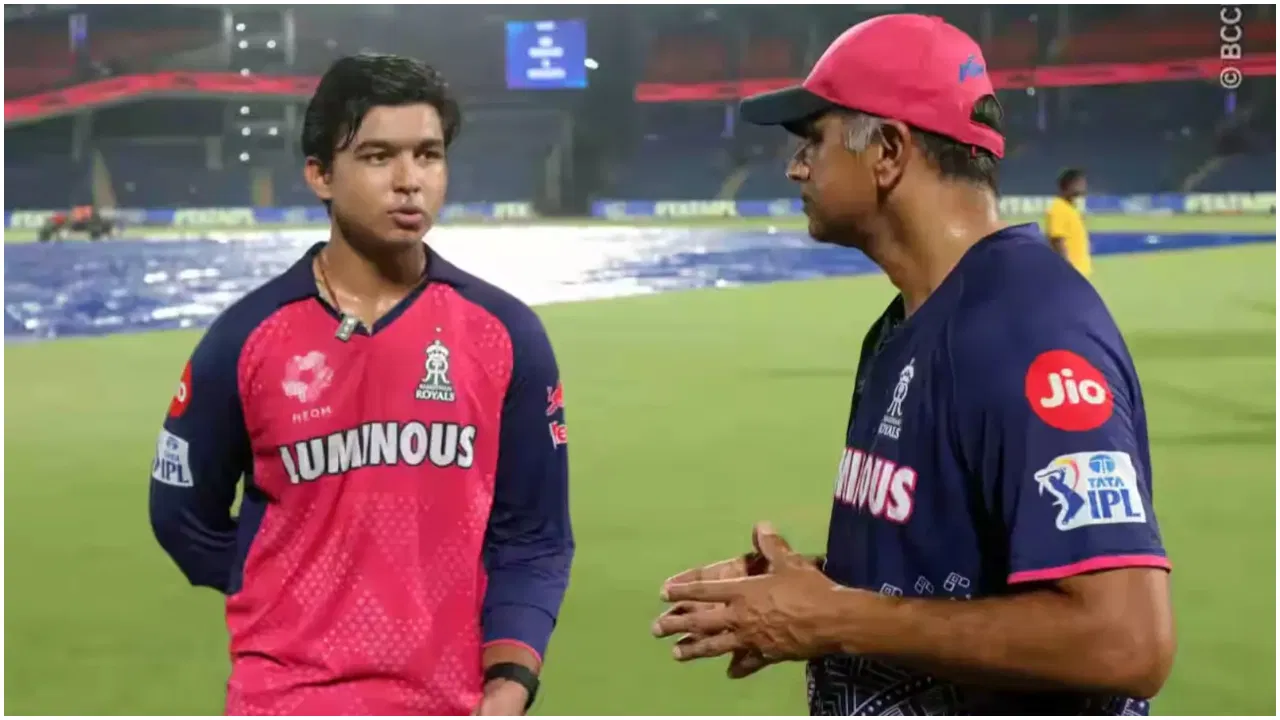
Ravichandran Ashwin rules out Vaibhav Sooryavanshi’s India call-up
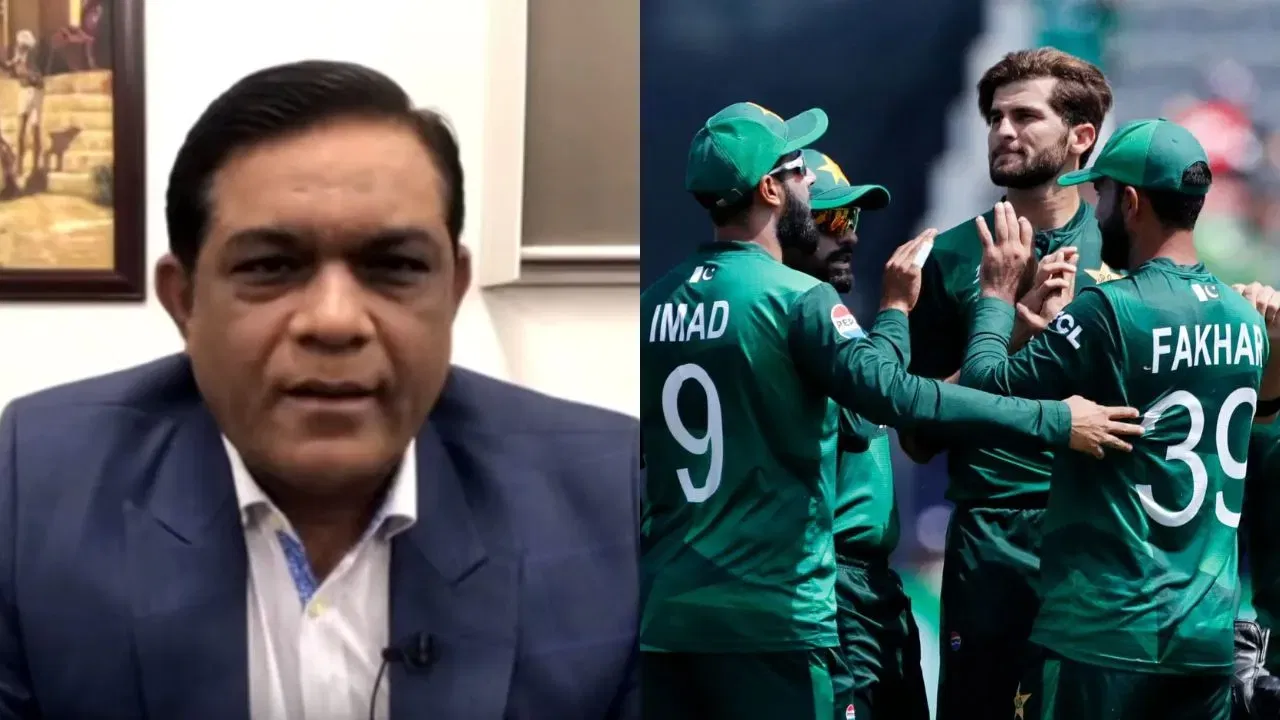
Rashid Latif claims PSL ball-tampering row was deliberately created for attention amid IPL rivalry
Mohammed Shami breaks silence on retirement buzz after India snub; has special message for LSG
Mohammed Shami reveals IPL 2026 Top 4, leaves out five-time champions
Mohammed Shami hits back at Ravichandran Ashwin over LSG’s poor IPL 2026 prediction
Riyan Parag mocked Sanju Samson? Batter’s muscle-flex celebration after sensational 6 vs CSK goes viral
IPL 2026 hit by tragedy! British broadcast engineer dies in Mumbai hotel room
Brad Haddin reveals reality of Shreyas Iyer as captain
Jos Buttler set to dominate IPL 2026, thanks to Ashish Nehra
Ravindra Jadeja says he had no conversation with MS Dhoni after RR move