

RCB’s home ground, Chinnaswamy Stadium, banned from IPL
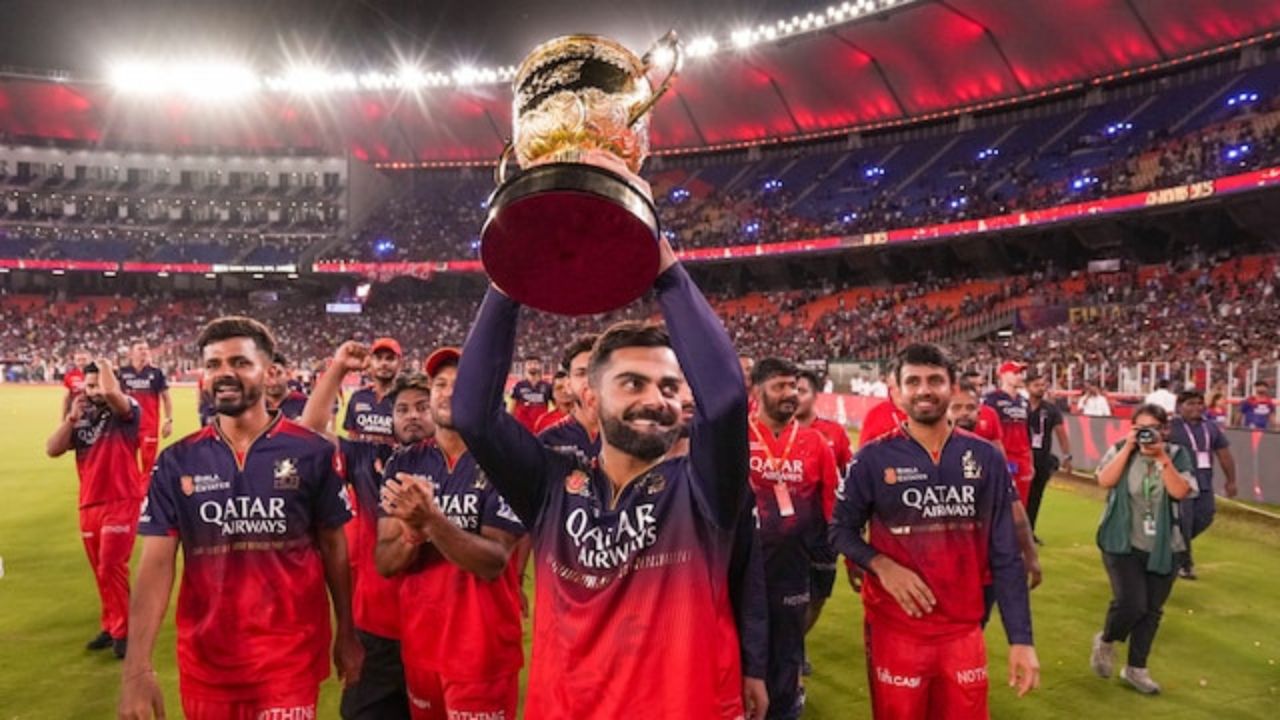
Chinnaswamy Stadium Deemed Unsuitable for Major Events Following Tragic Stampede
After the unfortunate incident of a stampede during the victory celebrations of the Royal Challengers Bangalore at the Chinnaswamy Stadium, a judicial committee led by Justice John Michael D’Cunha has declared the iconic venue unsuitable for hosting major events. The report highlighted various structural and design flaws that contributed to the tragic stampede that resulted in the loss of 11 lives and injuries to several others.
Investigative Findings and Recommendations
The commission’s report emphasized the inadequate design and structure of the stadium for holding large-scale events, noting the lack of proper queuing and circulation zones, entry and exit gates, public transport access points, emergency evacuation plans, and parking facilities. Justice D’Cunha stated that any future venue should adhere to international standards to ensure the safety of attendees.
According to the report, the Chinnaswamy Stadium’s layout forced attendees to queue up on footpaths and roads, obstructing pedestrian and vehicular movement and posing safety risks. The lack of an organized holding area for crowds further exacerbated the situation, allowing for miscreants to join the crowd and escalate the chaos.
Legal Action and Accountability
Following the presentation of the judicial committee’s findings to the State Cabinet, the government of Karnataka approved the report and announced plans to take legal action against various parties responsible for the stampede. The Law and Parliamentary Affairs Minister, Mr. HK Patil, revealed that legal measures would be pursued against the Royal Challengers Bangalore, DNA Network, and the Karnataka State Cricket Association.
Moreover, the report named several police officers who were deemed accountable for failing to control the situation during the event. Subsequently, departmental inquiries were initiated against these officers, underscoring the government’s commitment to holding all responsible parties accountable for the tragedy.
Committee’s Recommendations for Action
In addition to the entities already mentioned, the judicial committee recommended taking action against key figures involved in the organization of the event, including the President of the Karnataka State Cricket Association, Mr. Raghuram Bhat, the ex-secretary, A. Shanlar, the RCB vice-president, Rajest Menon, and the Managing Director of DNA Entertainment Networks, T. Vekat Vardhan.
Furthermore, specific police officers were highlighted in the report for their roles in the mishandling of the situation, leading to sections being imposed against them. Notably, officers Dayananda, Vikash Kumar Vikash, Shekhar H. Tekkannavar, C. Balakrishna, and A. K. Girish have been implicated in the report and are facing potential disciplinary actions.
In conclusion, the findings of the judicial committee shed light on the deficiencies in safety protocols and infrastructure at the Chinnaswamy Stadium, prompting calls for improved standards and accountability to prevent similar tragedies in the future.
Impact of the Tragic Stampede on Event Management
The tragic stampede at the Chinnaswamy Stadium has had a profound impact on event management practices in India. Event organizers across the country have been prompted to reassess their safety protocols and crowd management strategies to prevent similar incidents. The incident served as a wake-up call for the industry, emphasizing the importance of prioritizing attendee safety above all else.
Event management companies are now placing greater emphasis on comprehensive risk assessments, crowd control measures, emergency preparedness, and communication strategies to ensure the well-being of attendees. The Chinnaswamy Stadium tragedy highlighted the critical need for proactive planning and stringent adherence to safety guidelines to avert disasters in large-scale events.
Improvements in Stadium Infrastructure and Safety Measures
In response to the judicial committee’s findings, the Karnataka State Cricket Association and other stakeholders have committed to enhancing stadium infrastructure and safety measures. Renovation plans are underway to address the design flaws identified in the report, including the creation of designated queuing areas, improved entry and exit points, enhanced public transport access, and upgraded emergency evacuation plans.
Additionally, the implementation of advanced technology such as crowd monitoring systems, CCTV surveillance, and communication devices is being considered to bolster security and crowd management efforts at the stadium. These technological advancements aim to provide real-time insights into crowd movements and behaviors, enabling authorities to respond swiftly to potential risks and emergencies.
Enhanced Training for Event Staff and Security Personnel
Another crucial aspect of preventing future tragedies is the training of event staff and security personnel to handle crowd control and emergency situations effectively. In light of the Chinnaswamy Stadium stampede, there is a renewed focus on providing comprehensive training programs for personnel responsible for managing events.
Training modules encompass crowd psychology, de-escalation techniques, emergency response protocols, and effective communication strategies to empower staff with the necessary skills to navigate challenging situations. By investing in the professional development of event staff and security personnel, venues can significantly enhance their capacity to ensure attendee safety and mitigate risks during large gatherings.
Public Awareness Campaigns on Event Safety
Public awareness campaigns on event safety and crowd behavior have gained traction following the Chinnaswamy Stadium tragedy. Authorities, event organizers, and community stakeholders are collaborating to educate the public about the importance of following safety guidelines, respecting crowd management protocols, and staying vigilant during events.
Through targeted campaigns, workshops, and outreach initiatives, the aim is to instill a culture of responsibility and awareness among event attendees to prevent overcrowding, unruly behavior, and panic-induced situations. By fostering a sense of collective responsibility for safety, stakeholders hope to create a more informed and proactive event-going community that prioritizes safety above all else.
Collaborative Efforts for Event Safety Standards
In light of the Chinnaswamy Stadium incident, there is a growing recognition of the need for collaborative efforts to establish uniform event safety standards across the country. Industry associations, government bodies, law enforcement agencies, and event organizers are coming together to develop comprehensive guidelines and regulations that ensure consistent safety practices at all major events.
By fostering collaboration and sharing best practices, stakeholders can create a framework that promotes a culture of safety, accountability, and excellence in event management. Through joint initiatives, the industry aims to raise the bar for event safety standards, setting a benchmark for future events and instilling confidence in attendees, participants, and stakeholders alike.
In conclusion, the tragic stampede at the Chinnaswamy Stadium has sparked significant changes in event management practices, safety measures, and public awareness campaigns. By learning from past mistakes, implementing proactive solutions, and fostering collaboration, the industry is taking decisive steps towards preventing future tragedies and ensuring the safety and well-being of all event attendees.
Latest News

Gautam Gambhir accused of bias by ex-India star, told to drop Shubman Gill for Sanju Samson

Huge blow for Sydney Sixers ahead of BBL 2025-26! Sean Abbott RULED OUT of…

Cricket World reacts as Lionel Messi forced to flee early as fans turn Salt Lake Stadium into WAR ZONE

Usman Khawaja makes huge RETIREMENT declaration, reveals what Pat Cummins thinks about him

Suryakumar Yadav labelled India’s biggest liability ahead of T20 World Cup by Gautam Gambhir’s ex-teammate

Virat Kohli set to play at Chinnaswamy for first time since deadly stampede after RCB’s IPL win
England security attack Australian cameraman in shocking Airport clash amid Ashes 2025-26
BCCI reminds IPL teams of bowling BAN on released CSK star

Ajinkya Rahane to continue as KKR captain, Sunil Narine to be demoted in the batting order
After Virat Kohli, Rohit Sharma set to play this tournament ahead of New Zealand ODIs
After Virat Kohli, Rohit Sharma set to play this tournament ahead of New Zealand ODIs
After Virat Kohli, Rohit Sharma set to play this tournament ahead of New Zealand ODIs
After Virat Kohli, Rohit Sharma set to play this tournament ahead of New Zealand ODIs

IND vs SA Match Preview- 3rd T20I, South Africa Tour of India 2025

