Revealed: Why BCCI didn’t give BGT matches to Wankhede and Eden Gardens?
India’s Cricket Board, BCCI, recently announced the schedule for the much-anticipated Border-Gavaskar Trophy for the 2026-27 season, also known as BGT 2026-27. The Test series will consist of 5 matches and will be held in Nagpur, Chennai, Guwahati, Ranchi, and Ahmedabad.
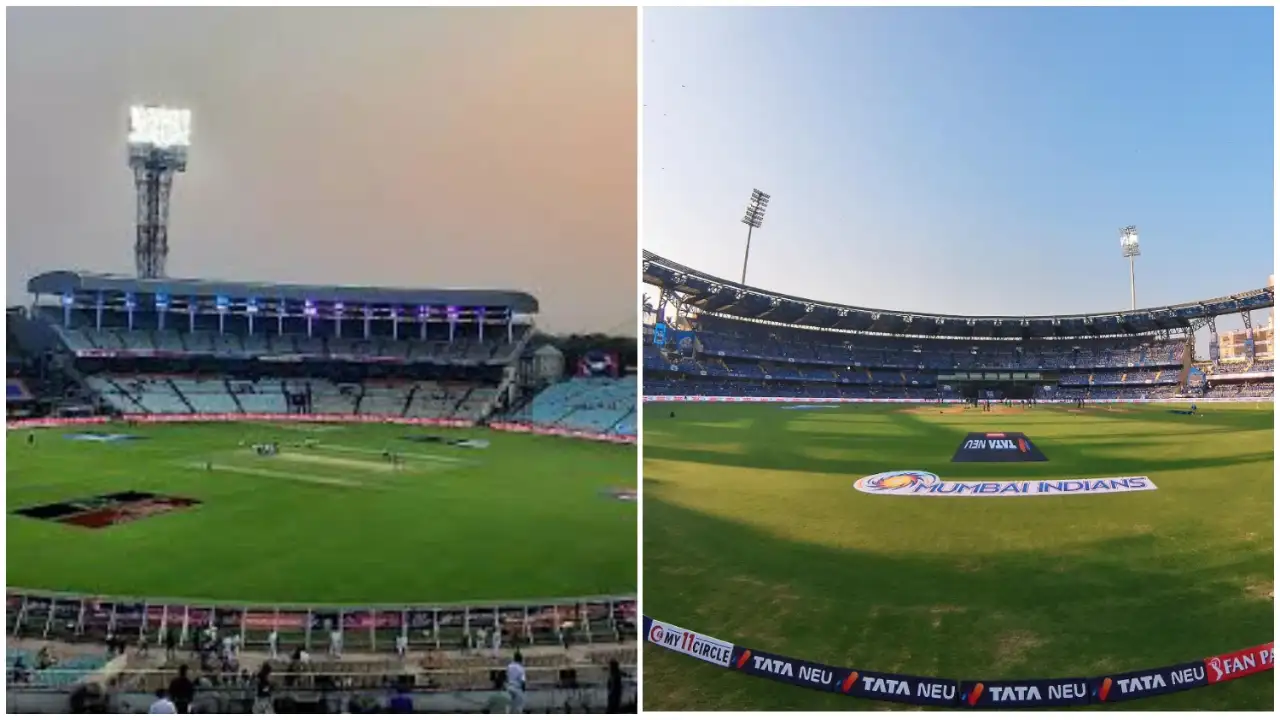
Fans expressed their surprise and disappointment as some iconic venues like Eden Gardens in Kolkata and Wankhede Stadium in Mumbai were not included in the list of host cities. However, there is a reason behind the board’s decision to skip these venues.
BCCI’s Venue Selection Policy:
BCCI has a clear and ‘unwritten’ policy for selecting venues for international matches. With numerous stadiums capable of hosting high-profile games across India, the board follows a rotational policy to ensure equal distribution of hosting rights among the top grounds. This means that no single ground will host back-to-back matches involving Team India.
According to reports, BCCI is implementing a venue rotation policy where games are rotated among 15-20 test venues and 25-30 white ball venues. This strategy aims to give various cities across the country the opportunity to host international matches and promote cricket at a grassroots level.
Upcoming Matches:
India is set to play a series of back-to-back bilateral matches at home during the 2026-27 season. The schedule includes 22 international matches, starting with the Border-Gavaskar Test series against Australia. Before facing Australia, Team India will compete against West Indies, Sri Lanka, and Zimbabwe on home soil.
These matches will be spread across 17 different cities, showcasing the popularity and widespread appeal of cricket in India. After hosting the Super 8 match of the 2026 T20 World Cup and IPL matches, iconic venues like Eden Gardens and Wankhede Stadium will witness thrilling ODI clashes between India and Zimbabwe.
Full List of India’s Home Season Fixtures for 2026-27:
– Matches against West Indies, Sri Lanka, Zimbabwe, and Australia will be held in various cities like Trivandrum, Lucknow, Delhi, Bengaluru, and more.
– The Border-Gavaskar Trophy will kick off in Nagpur on January 21 and conclude in Ahmedabad on March 3, 2027.
Overall, BCCI’s strategic venue selection policy aims to promote cricket in different regions of the country, provide opportunities for fans across India to witness live matches, and ensure a fair distribution of hosting rights among top stadiums. The upcoming season promises an exciting lineup of matches that will captivate cricket enthusiasts nationwide.
Strategic Venue Selection Policy of BCCI
BCCI’s venue selection policy is not only aimed at promoting cricket across various regions of India but also at maintaining the quality of the playing surfaces at different grounds. By rotating matches among different stadiums, the board ensures that all venues get adequate time to prepare the pitches and facilities for international games, resulting in fair playing conditions for both home and visiting teams.
Moreover, the rotational policy helps in boosting the infrastructure and facilities at different cricket grounds. Hosting international matches brings in revenue that can be reinvested in improving the stadium amenities, seating arrangements, and overall fan experience. This, in turn, enhances the standard of cricket infrastructure in the country and encourages more fans to engage with the sport.
Impact on Local Cricketing Ecosystem
By spreading international matches across various cities, BCCI’s venue selection policy has a positive impact on the local cricketing ecosystem. Hosting high-profile games in different regions not only boosts the interest in cricket among local fans but also provides aspiring cricketers with the opportunity to witness top-level cricket firsthand.
Additionally, hosting international matches can also lead to the development of grassroots cricket in smaller cities and towns. Exposure to international cricket can inspire young talents to pursue the sport more seriously, ultimately contributing to the growth of the game at the grassroots level. This nurturing of talent at the grassroots can potentially lead to the discovery of future cricketing stars for the national team.
Future of Venue Selection in Indian Cricket
As cricket continues to evolve and gain popularity in India, the future of venue selection in Indian cricket is likely to witness further innovation and expansion. With the emergence of new cricket stadiums in various states and the increasing interest in hosting international matches, BCCI may explore new avenues for spreading the cricketing spectacle to even more cities and towns across the country.
Furthermore, as the fan base for cricket grows and demands for live cricket experiences increase, BCCI may look into enhancing the spectator experience at matches by improving facilities, introducing new amenities, and creating more engaging environments for fans. This focus on fan engagement and satisfaction can further elevate the overall cricketing experience in India.
Conclusion
In conclusion, BCCI’s strategic venue selection policy plays a crucial role in promoting cricket, nurturing talent, and enhancing the overall cricketing experience in India. By rotating matches among different stadiums, the board ensures a fair distribution of hosting rights, maintains quality playing surfaces, and boosts the local cricketing ecosystem. The future of venue selection in Indian cricket holds potential for further growth, innovation, and fan engagement, promising exciting developments in the years to come.
With the upcoming 2026-27 home season featuring a lineup of thrilling matches in various cities, cricket enthusiasts can look forward to witnessing top-class cricketing action and supporting their favorite teams in diverse cricketing destinations across the country.
Latest News
Naseem Shah charged with central contract violation during PSL 2026
MS Dhoni out of IPL 2026, has not recovered from calf strain
Jasprit Bumrah set to lead MI attack in blockbuster IPL 2026 clash vs KKR
Mitchell Starc to miss IPL 2026, wife Alyssa Healy drops massive update on injury

Nick Knight rejects PSL to join IPL commentary panel

MS vs ISU Match Prediction, Pitch & Weather Report, Playing XIs, Head-to-Head, Free Live Streaming – PSL 2026 Match 4
“MS Dhoni doesn’t attend team discussions” – Ruturaj Gaikwad makes stunning revelationtaincy Role

Ben Duckett breaks silence on Noosa Clip scandal, calls it ‘Worst’ moment in cricketing career
“IPL players are grossly underpaid”: Ex-CSK star calls out BCCI
Ahmed Shehzad summoned as former Pakistan skipper takes legal action over serious allegations
CSK to feature without their legendary duo MS Dhoni and Suresh Raina for the first time
Ishan Kishan set to create history as SRH captain in IPL 2026 opener against RCB

RCB Playing XI vs SRH Playing XI – Match No. 1 | IPL 2026
Delhi Capitals IPL 2026 Full Schedule: DC Fixtures, Dates, Timings and Venues | Squad and Coaches