“Rinku Singh picked in Asia Cup squad only due to this political figure’s involvement”
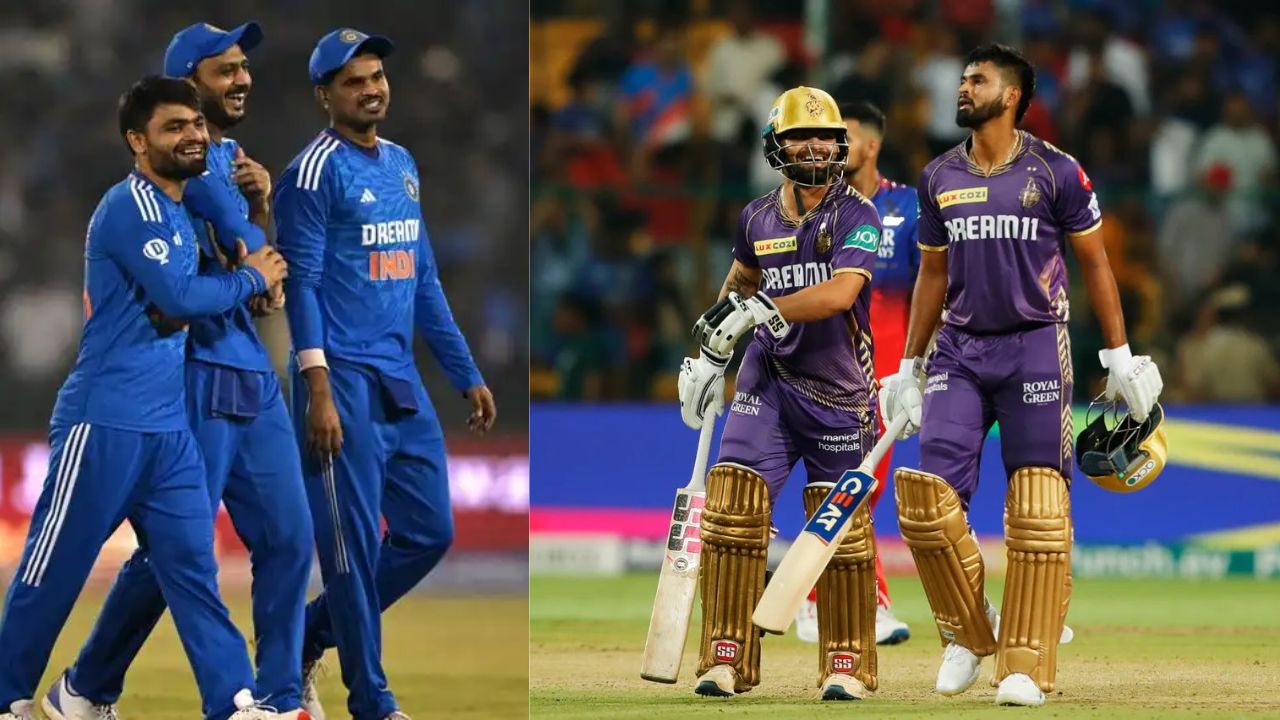
Controversy Surrounds BCCI’s Selection for Asia Cup Squad
A recent decision by the BCCI’s selection committee regarding the Indian squad for the upcoming Asia Cup has sparked controversy and allegations of favoritism. Journalist Abhishek Tripathi from Dainik Jagran has accused BCCI executive president Rajiv Shukla of influencing the selection process, specifically in the case of Rinku Singh’s inclusion in the squad over other deserving players.
Allegations of Bias
Despite Rinku Singh’s poor performance in domestic tournaments and the IPL, he was still chosen for the Asia Cup squad. This decision has raised eyebrows, especially since players like Shreyas Iyer, who have been in excellent form, were overlooked. Abhishek Tripathi has gone as far as to claim that there may be a larger scam at play behind Singh’s selection.
Tripathi questioned the reasoning behind Singh’s selection, pointing out his lackluster recent form and raising suspicions about external influences on the selection committee. The journalist’s accusations have put a spotlight on the integrity of the selection process and the role of individuals like Rajiv Shukla in shaping the national team.
Shreyas Iyer’s Snub
One of the most glaring omissions from the Asia Cup squad was Shreyas Iyer, a player known for his exceptional performances in recent tournaments. Despite his impressive track record, Iyer was left out of the squad, leading to further speculation about the criteria used for selection.
Many fans and analysts have criticized the decision to exclude Iyer, especially considering his past contributions to the Indian team. While Shubman Gill, another promising talent, was given a chance based on his IPL performances, Iyer’s exclusion has been deemed unfair and inconsistent.
Rinku Singh’s Form Concerns
Rinku Singh, the player at the center of the controversy, has struggled to replicate his earlier success in the IPL. After a standout season in 2023, Singh’s form has dipped significantly, with below-par performances in the last two seasons.
Despite his past achievements, Singh’s recent track record raises questions about his suitability for the national team. With just 374 runs in the last 28 games and an average of less than 25, Singh’s selection over more consistent players has been met with skepticism and criticism.
Conclusion
The allegations made by Abhishek Tripathi and the discrepancies in the selection process for the Asia Cup squad have brought the BCCI’s decision-making under scrutiny. As fans and experts debate the merits of individual selections, the controversy highlights the need for transparency and fairness in the selection of players for the national team.
Role of Data Analytics in Player Selection
One aspect that could shed light on the selection controversy is the use of data analytics in player evaluation. With the increasing availability of detailed statistics and performance metrics, teams can now make more informed decisions based on data-driven insights rather than relying solely on subjective judgments.
By analyzing factors such as a player’s batting average, strike rate, fielding abilities, and overall consistency, selectors can identify the most deserving candidates for the national squad. This data-driven approach could minimize biases and favoritism, ensuring that only the most deserving players are selected for prestigious tournaments like the Asia Cup.
Impact of Psychological Factors on Performance
Another crucial aspect to consider in player selection is the psychological aspect of performance. While statistics provide valuable information, factors like mental resilience, confidence, and adaptability can also influence a player’s on-field performance.
Selectors must take into account a player’s mental state and ability to handle pressure situations when making decisions about squad selections. Players who demonstrate consistent mental strength and the capacity to perform under stress should be given due consideration, as their psychological fortitude can be a game-changer in high-stakes tournaments like the Asia Cup.
Public Perception and Fan Engagement
The controversy surrounding the Asia Cup squad selection not only impacts the players and selectors but also resonates with fans and the broader cricket community. Public perception plays a significant role in shaping the narrative around player selections, with fans voicing their opinions and concerns on social media platforms and in sports forums.
Ensuring transparency in the selection process and addressing any allegations of favoritism or bias is crucial for maintaining the trust and engagement of cricket enthusiasts. When fans feel that the selection process is fair and based on merit, they are more likely to support the national team and remain invested in the sport.
Looking Ahead: Lessons Learned and Moving Forward
As the controversy over the Asia Cup squad selection unfolds, there are valuable lessons to be learned for the BCCI and other cricket boards. Transparency, accountability, and fairness should be at the forefront of any selection process, with clear criteria for evaluating players and making informed decisions.
Moving forward, the BCCI can use this incident as an opportunity to review and refine its selection procedures, incorporating data analytics, psychological assessments, and fan feedback to create a more robust and inclusive system. By prioritizing meritocracy and integrity in player selection, cricket boards can uphold the spirit of the game and ensure that the best talent represents their respective countries on the international stage.
By exploring the role of data analytics, psychological factors, public perception, and lessons learned in player selection, the expanded content provides a comprehensive analysis of the controversies surrounding the Asia Cup squad selection. These insights offer a deeper understanding of the complexities involved in selecting national team players and underscore the importance of transparency and fairness in the process.
Latest News
Glenn Maxwell dropped as Australia part ways with star all-rounder
10 T20Is in one month! India’s full schedule vs Ireland, England, Zimbabwe revealed
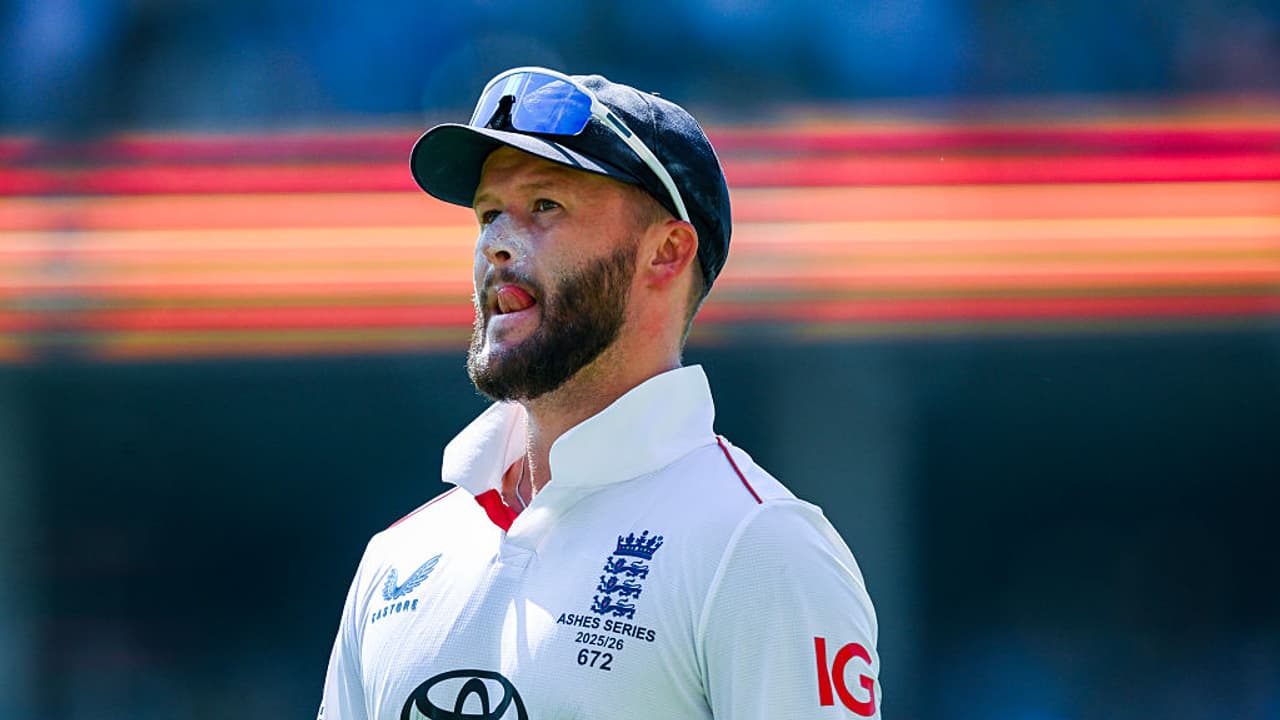
After MS Dhoni, Ben Duckett fined by police for overspeeding
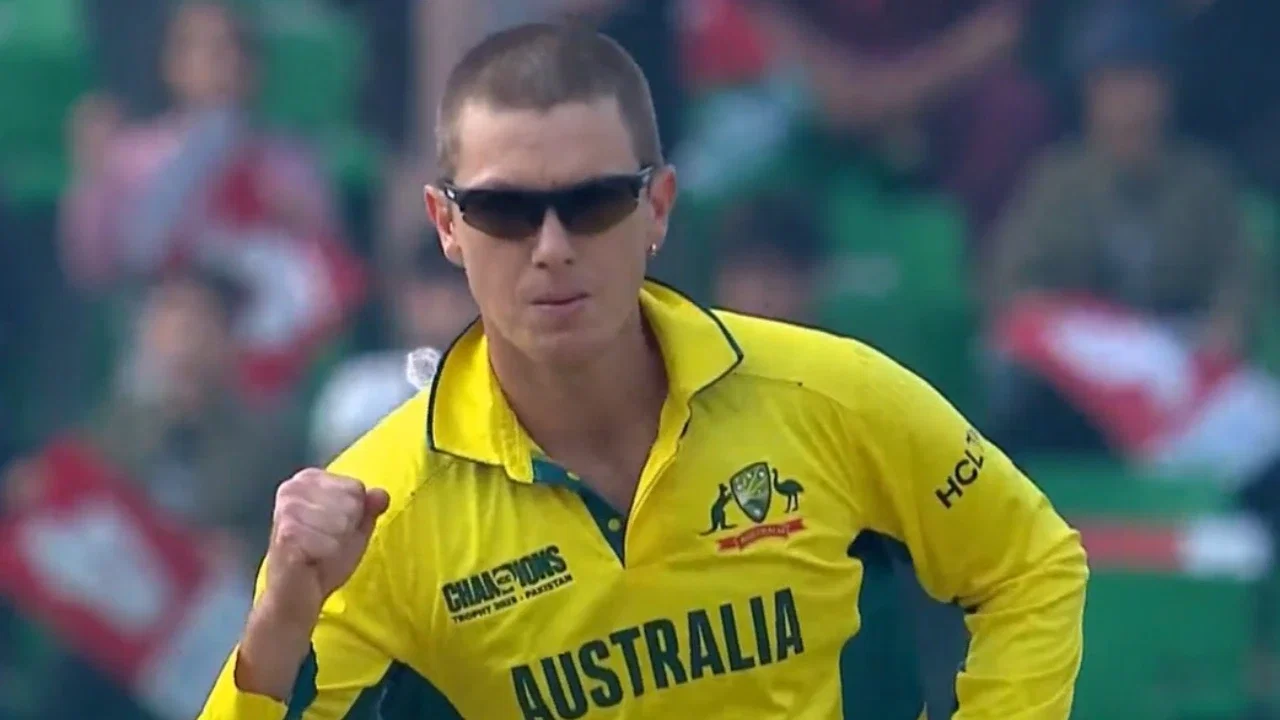
Why Adam Zampa chose PSL over IPL? Australia star reveals ‘monetary’ reason
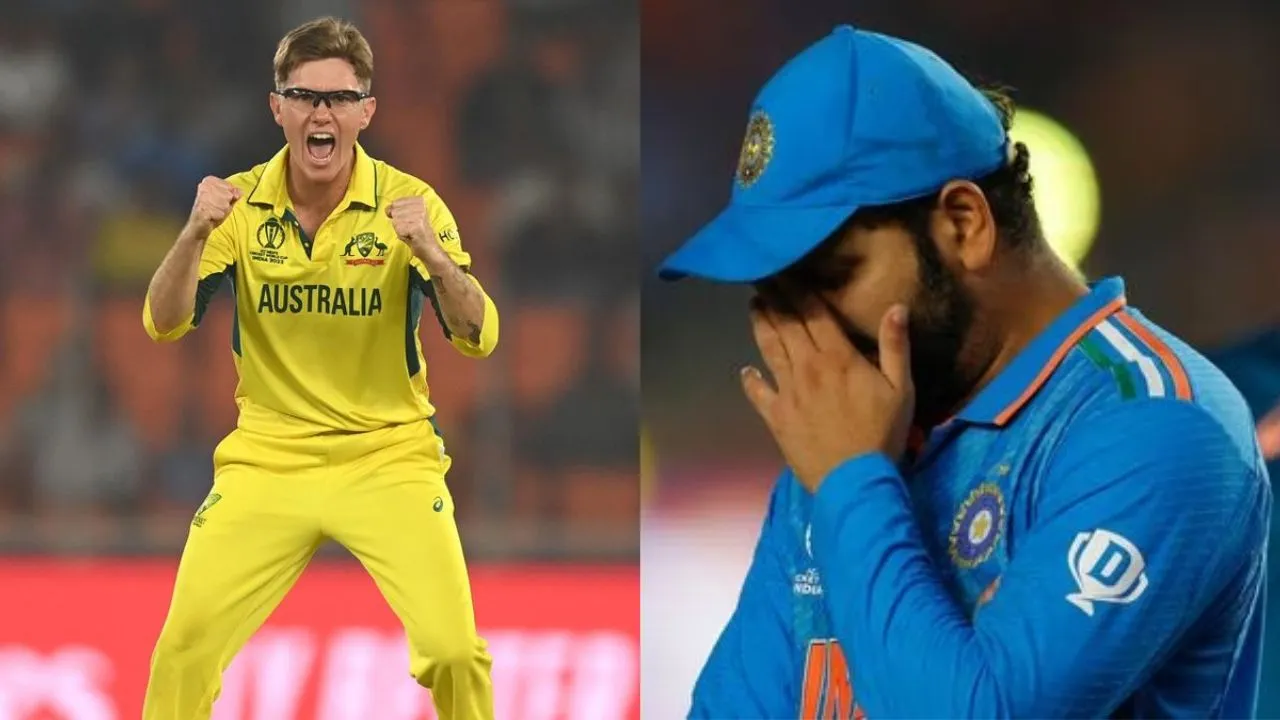
Making Indian crowd silent is a good feeling: Adam Zampa names 2023 CWC win as his favourite memory

Watch: Saim Ayub trains in heavy rain and thunderstorm, raises health concerns amid PSL 2026
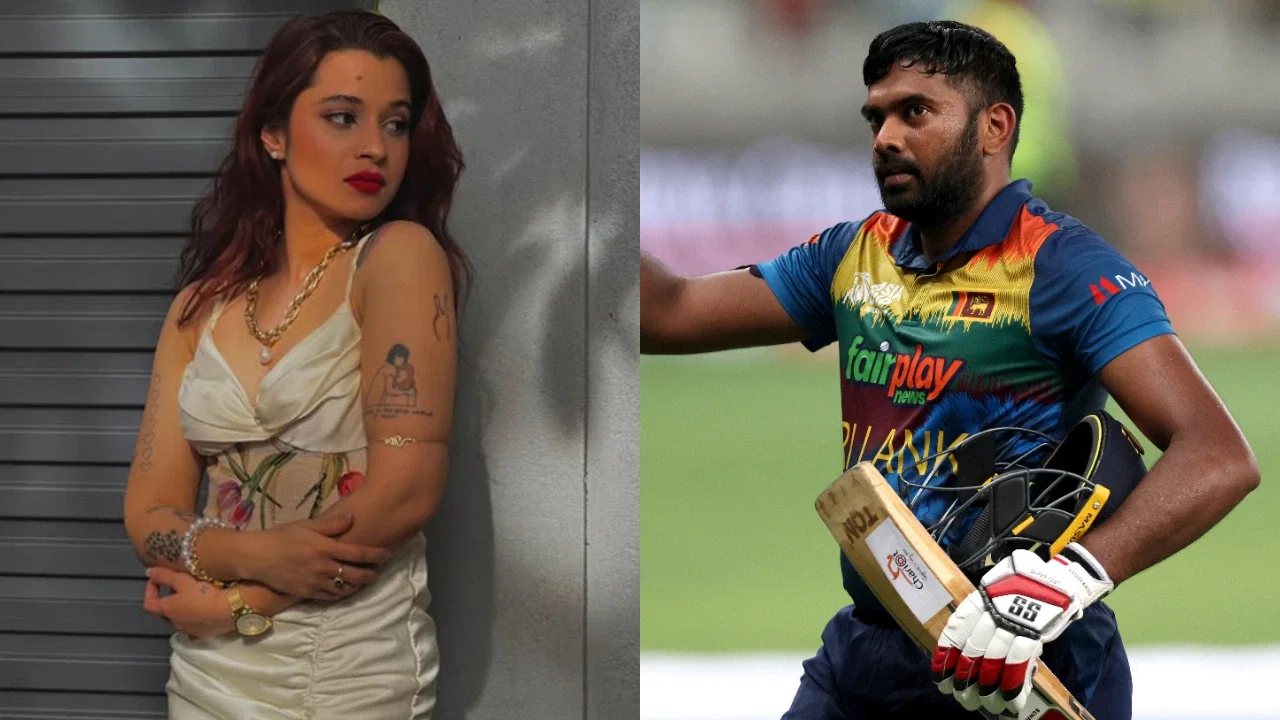
Sri Lanka cricketer Bhanuka Rajapaksa sends legal notice to actress over false accusations
Punjab Kings penalised! Shreyas Iyer punished after win vs Gujarat Titans in IPL 2026
Shreyas Iyer injury update: Punjab Kings captain ruled out of IPL 2026?
LSG vs DC Match No. 5 Preview: Free Live Streaming, Pitch & Weather Report, Head-to-Head | IPL 2026

LSG vs DC Match Prediction – Who Will Win Match No.5? | IPL 2026
LSG Playing XI vs DC Playing XI – Match No. 5 | IPL 2026
Krunal Pandya breaks silence on India snub, opens up on Virat Kohli
Mohsin Naqvi enforces new social media rules for Pakistan players following Naseem Shah incident