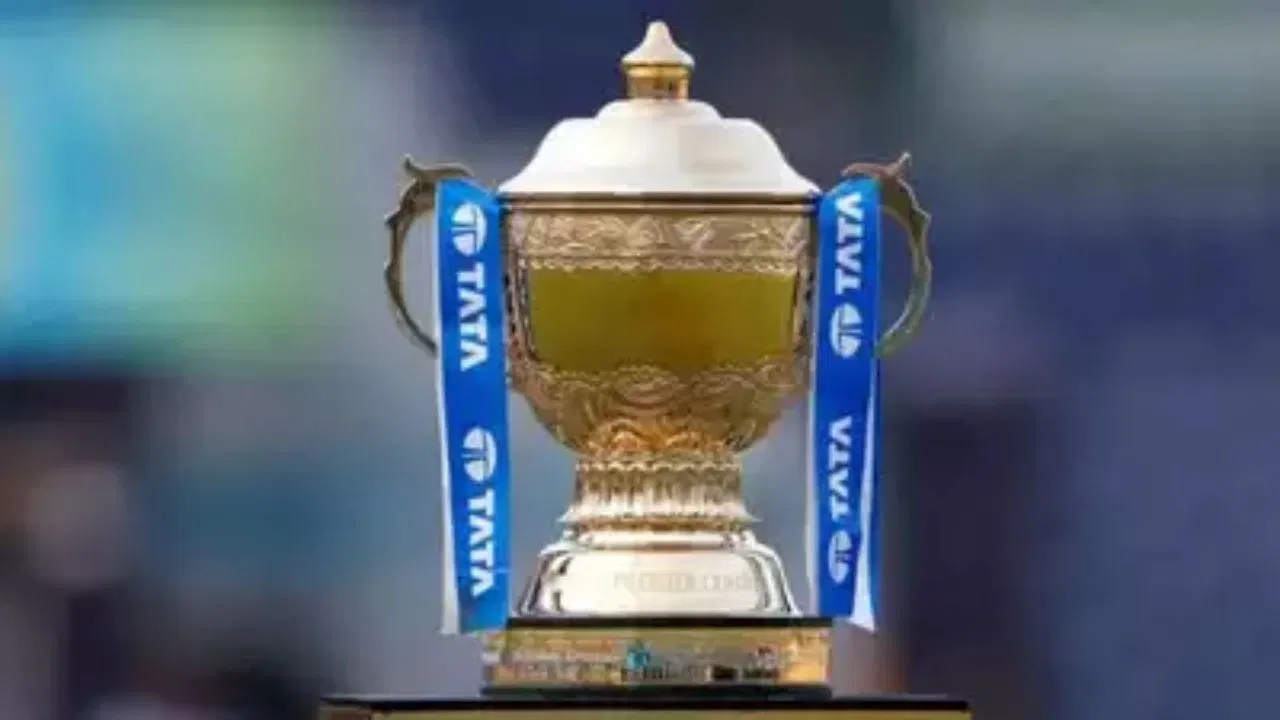
Rishabh Pant named villain in India’s Kolkata Test disaster by Gautam Gambhir’s ex-teammate
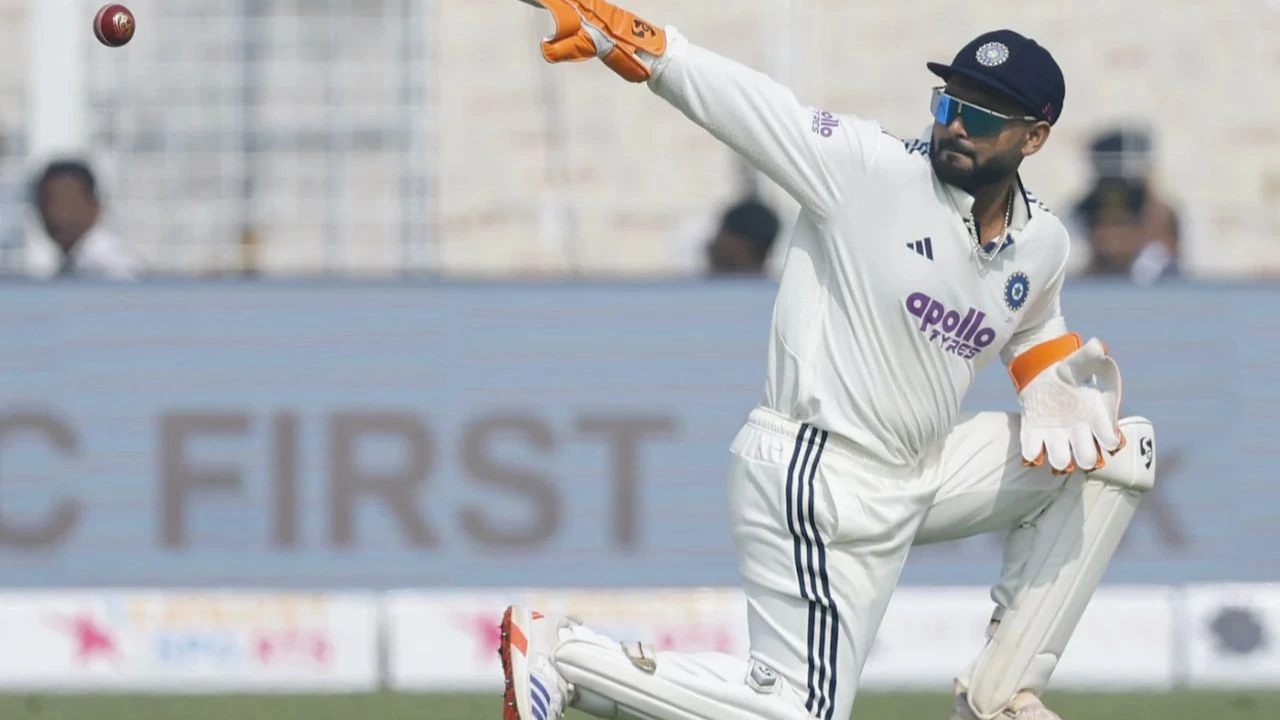
Former Indian Cricketer Mohammad Kaif Blames Rishabh Pant for India’s Defeat Against South Africa
Former Indian cricketer Mohammad Kaif has raised eyebrows by pointing fingers at Rishabh Pant for India’s shocking 30-run loss to South Africa in the first Test of the two-match series at Eden Gardens in Kolkata on November 16. While many initially criticized the pitch prepared by Indian head coach Gautam Gambhir for the disastrous performance, Kaif believes that Pant’s leadership on the field played a significant role in the defeat.
Rishabh Pant’s Leadership Criticized by Mohammad Kaif
With regular captain Shubman Gill retiring early due to an injury in the first innings, Rishabh Pant had to step up as the stand-in captain. However, Kaif feels that Pant’s field placements and tactical decisions were not up to the mark, allowing South Africa to make a comeback on the challenging pitch in Kolkata. Despite the South African side struggling at 91/7 in the second innings, Pant’s field settings allowed them to reach 153 with ease, mainly due to the abundance of singles being taken.
According to Kaif, “We gave them too many singles. Is it easy to score against four spinners on a turning track? Keep a mid-on, bring the point up, and ask the batters to take the challenge. The fielders were behind, and 70-80% of their runs came in singles. Pant kept an in-and-out field with Gill not there, and that also had an effect. He also took some time to understand things.”
Impact of Shubman Gill’s Absence
Kaif also emphasized the absence of Shubman Gill as a significant blow to the Indian team. He believed that Gill’s presence could have provided stability and potentially changed the course of the game. However, with Gill missing, India found themselves under pressure while chasing a modest target of 124, ultimately crumbling for 93 and giving South Africa a 1-0 lead in the series.
Reflecting on Gill’s absence, Kaif stated, “There would have been a difference if Gill was there. He could not play both innings. If we got a better lead, say 50, 60, or 100 runs, we would put South Africa out of the game there itself. It was a miss. Not having him on the field as captain was also a miss. In the second innings, he was not there in the chase. So, there is definitely a direct connection, as Gill is one of our best batters at the moment.”
Praise for Temba Bavuma’s Captaincy
In contrast to his criticism of Pant, Kaif hailed South African captain Temba Bavuma for his smart captaincy and tactical decisions during the game. Particularly, Kaif highlighted Bavuma’s move to bring in Aiden Markram at the crucial moment to dismiss Washington Sundar, which proved to be a pivotal point in the match.
Furthermore, Kaif applauded South Africa’s strength in sharp fielding and intelligent bowling changes, attributing their success to Bavuma’s leadership and the team’s overall performance. Even without star pacer Kagiso Rabada, South Africa managed to secure a lead in the series with their cohesive gameplay.
As the final Test is set to take place in Guwahati from November 22, all eyes will be on Rishabh Pant and the Indian team to bounce back from their defeat and level the series against South Africa.
Impact of Rishabh Pant’s Inexperience as Captain
One of the key factors contributing to India’s defeat, as pointed out by Mohammad Kaif, was Rishabh Pant’s inexperience as a captain. Being thrust into the role due to Shubman Gill’s absence, Pant faced a challenging situation that put his decision-making abilities to the test. The pressure of leading the team in a high-stakes match may have led to some questionable choices on the field, ultimately impacting India’s performance.
While Pant is known for his aggressive and innovative approach to the game, his lack of experience in captaincy may have hindered his ability to make strategic decisions under pressure. The role of a captain goes beyond just batting and wicketkeeping; it requires a deep understanding of the game, strategic acumen, and the ability to read the situation effectively. Given Pant’s relatively limited exposure to captaincy at the international level, it is understandable that there were some lapses in his leadership during the crucial moments of the match.
Team Dynamics and Communication
In any team sport, effective communication and cohesion among players are essential for success. With Shubman Gill, a key player and potential captaincy option, missing from the lineup, the team dynamics may have been disrupted. The absence of a regular captain can create a void in terms of leadership and on-field decisions, leading to a sense of uncertainty among the players.
Furthermore, the sudden shift in captaincy from Gill to Pant could have also impacted the team’s overall performance. Adjusting to a new captain’s style and preferences requires time and coordination, which may have been lacking in the high-pressure environment of a Test match. The importance of clear communication and unity within the team cannot be overstated, especially in situations where quick and well-coordinated decision-making is crucial.
Learning from Defeat and Moving Forward
While the loss in the first Test against South Africa was undoubtedly disappointing for India, it also presents an opportunity for introspection and growth. Analyzing the shortcomings in leadership, team dynamics, and on-field strategies can help the Indian team identify areas for improvement and work towards a stronger performance in the upcoming matches.
Rishabh Pant, in particular, can use this experience as a learning opportunity to hone his captaincy skills and develop a better understanding of the nuances of leading a side in international cricket. With the support of the coaching staff and senior players, Pant can refine his approach to captaincy and make more informed decisions in future games.
Looking Ahead to the Final Test
As the Indian team prepares to face South Africa in the final Test in Guwahati, they will be looking to bounce back from their defeat and level the series. The focus will be on addressing the issues that led to their loss in the previous match, including leadership challenges, team dynamics, and on-field tactics. With a renewed sense of determination and a desire to perform at their best, India will aim to put up a strong show in the final Test and leave a mark on the series.
Ultimately, cricket is a game of uncertainties, and every defeat presents an opportunity for growth and improvement. By taking the lessons learned from their loss in the first Test, the Indian team can regroup, refocus, and come back stronger in the final match against South Africa.
Latest News
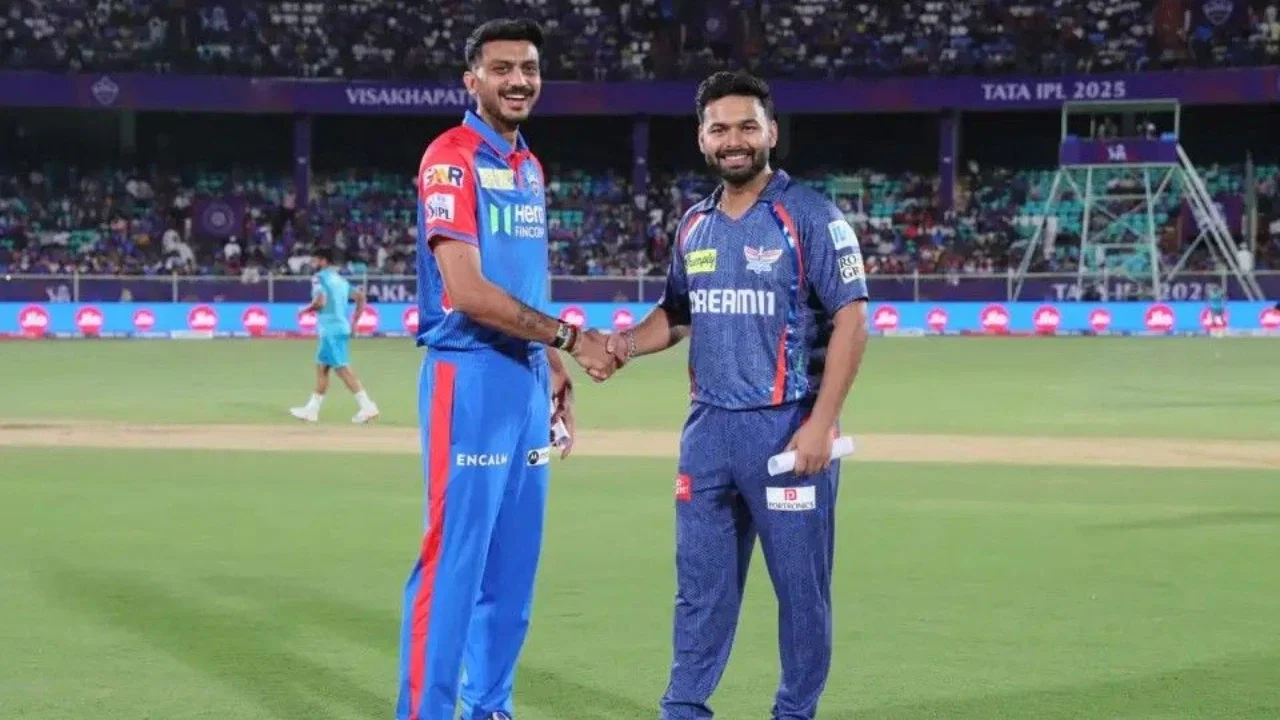
LSG vs DC Match No. 5 Preview: Free Live Streaming, Pitch & Weather Report, Head-to-Head | IPL 2026

LSG vs DC Match Prediction – Who Will Win Match No.5? | IPL 2026
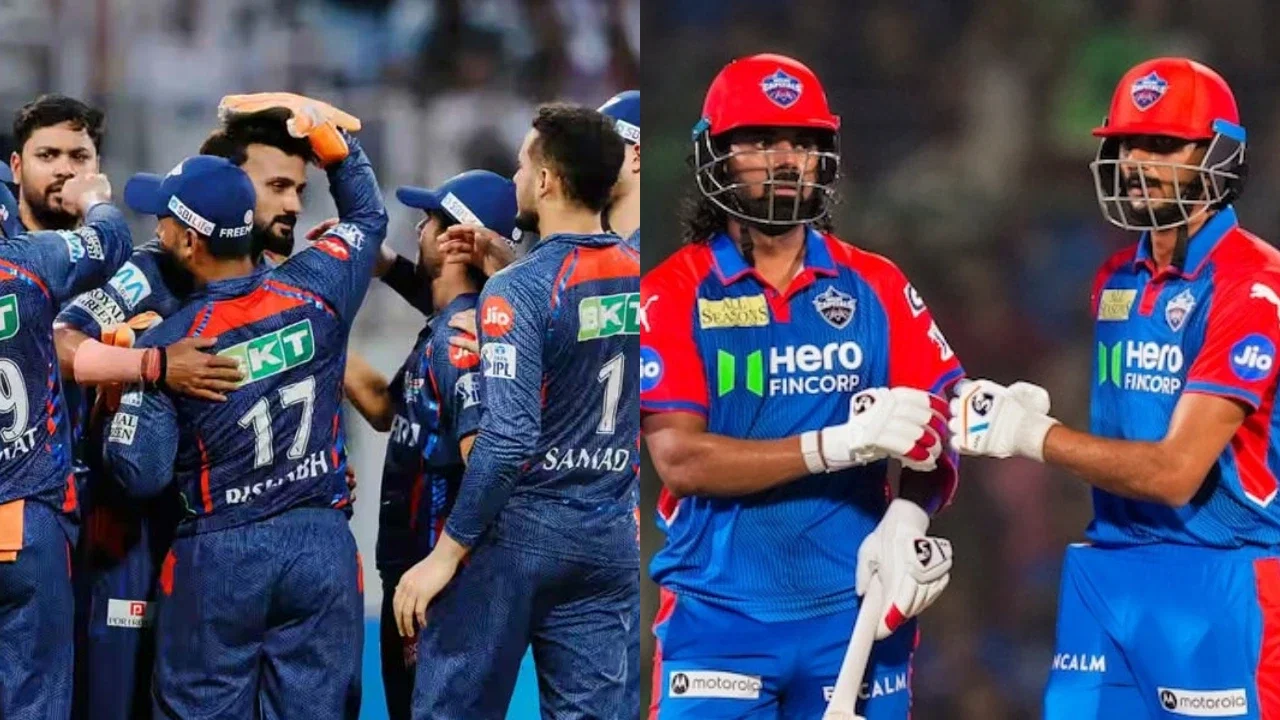
LSG Playing XI vs DC Playing XI – Match No. 5 | IPL 2026
Krunal Pandya breaks silence on India snub, opens up on Virat Kohli
Mohsin Naqvi enforces new social media rules for Pakistan players following Naseem Shah incident
Fakhar Zaman officially handed cricket ban after PSL 2026 ball-tampering controversy
Pat Cummins forces Cricket Australia to slash central contracts list to secure premium deal
CSK’s big promise to players revealed amid IPL 2026: “Whatever BCCI offers, we’ll double it”
Ravichandran Ashwin rules out Vaibhav Sooryavanshi’s India call-up
Rashid Latif claims PSL ball-tampering row was deliberately created for attention amid IPL rivalry
Mohammed Shami breaks silence on retirement buzz after India snub; has special message for LSG
Mohammed Shami reveals IPL 2026 Top 4, leaves out five-time champions
Mohammed Shami hits back at Ravichandran Ashwin over LSG’s poor IPL 2026 prediction
Riyan Parag mocked Sanju Samson? Batter’s muscle-flex celebration after sensational 6 vs CSK goes viral