

Rishabh Pant thrown out of India Test Captaincy for supporting Virat Kohli-Rohit Sharma
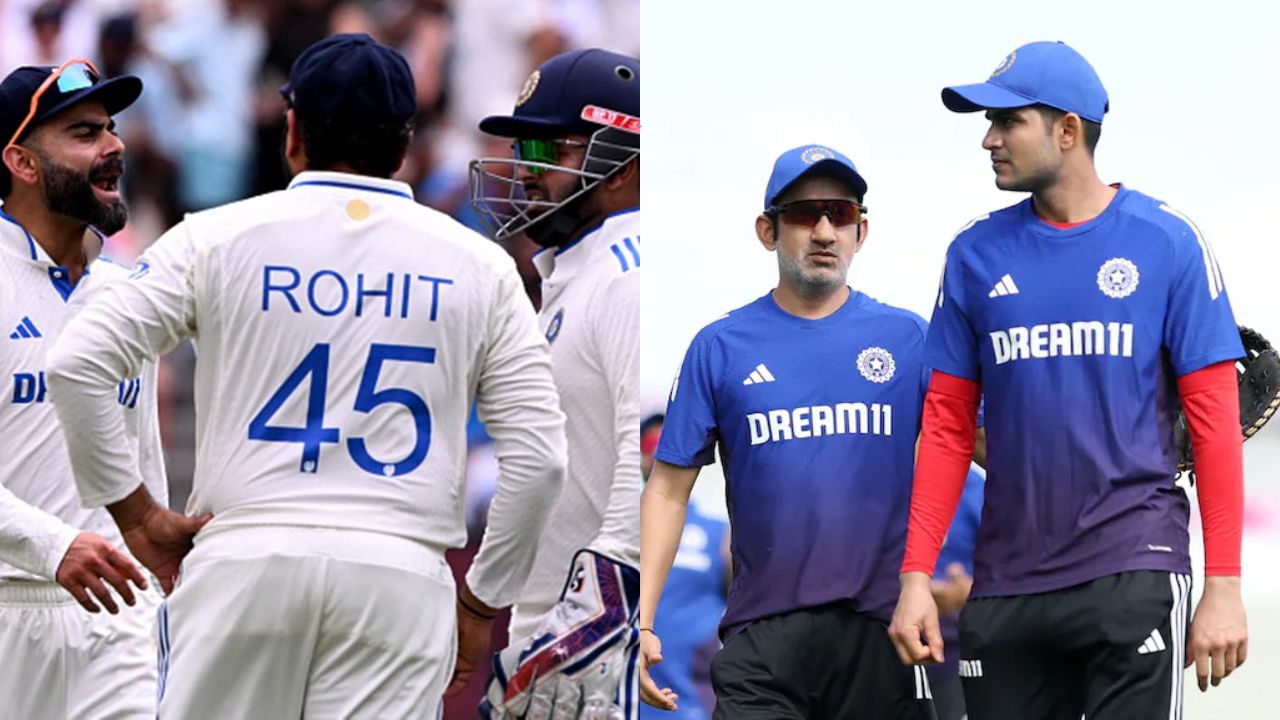
Indian Cricket Shakeup: Vikrant Gupta Reveals Insights Behind Test Captaincy Decisions
Renowned sports journalist and Senior Managing Editor of Sports Tak, Vikrant Gupta, recently shed light on the surprising retirements of Indian cricket stars Rohit Sharma and Virat Kohli from Test cricket. In a revealing interview, Gupta disclosed some insider information about why Rishabh Pant was overlooked for the Test captaincy role.
The Shocking Retirements
Indian cricket fans were left in disbelief when Rohit Sharma and Virat Kohli announced their retirements from Test cricket within days of each other. Speculations arose about the reasons behind their abrupt decisions, with some attributing it to a dip in form while others hinting at potential conspiracy theories involving the head coach.
The Rishabh Pant Snub
Despite the retirements, the game goes on, and new leadership emerged for the Indian team. Shubman Gill was appointed as the new Test captain, a move that surprised many considering Rishabh Pant was seen as a frontrunner for the role. However, Gupta’s revelations hinted at a different story behind Pant’s captaincy snub.
Insider Insights
Gupta’s disclosure suggested that Rishabh Pant’s views on having both Kohli and Sharma in the team led to him being overlooked for the captaincy. This revelation added a new layer to the selection process and offered fans a glimpse into the dynamics of the decision-making within the Indian cricket setup.
Shubman Gill’s Rise
Following his appointment as Test captain, Shubman Gill had a sensational debut series in England. Not only did he excel as a batter, amassing over 750 runs, but he also showcased strong leadership qualities on the field. Gill led India to crucial victories, including their first Test win at Edgbaston, solidifying his position as a promising captain.
Future Captaincy Prospects
Gill’s success in the Test format has also put him in contention for the white-ball captaincy roles. With uncertainties surrounding the availability of the current T20I skipper, Suryakumar Yadav, Gill’s name has been floated as a potential replacement. Additionally, discussions are underway regarding the ODI captaincy for the upcoming ICC Cricket World Cup 2027, with Gill emerging as a possible candidate to lead the team.
As Indian cricket navigates through a period of transition and new leadership emerges, the revelations by Vikrant Gupta have added an intriguing twist to the narrative. With Shubman Gill’s impressive performances and leadership skills, the future looks bright for Indian cricket under his captaincy.
The Impact of Sharma and Kohli’s Retirement
When two stalwarts like Rohit Sharma and Virat Kohli announce their retirement from Test cricket, the cricketing world takes notice. The void left by their departure not only affects the team’s performance on the field but also has significant implications for the team dynamics and leadership structure. With Sharma and Kohli being two of India’s most experienced and respected players, their absence creates an opportunity for a new generation of cricketers to step up and establish themselves in the team.
Rishabh Pant’s Leadership Qualities
While Rishabh Pant may have been overlooked for the Test captaincy this time, there is no denying his leadership potential. Pant’s aggressive style of play and ability to make bold decisions under pressure have earned him accolades in the cricketing world. As he continues to mature as a player and gain more experience, it is only a matter of time before he is considered for leadership roles in the Indian team.
The Evolution of Leadership Styles
With Shubman Gill taking on the role of Test captaincy, Indian cricket is witnessing a shift in leadership styles. Gill’s calm demeanor and strategic mindset bring a different dimension to the team’s approach on the field. As the cricketing landscape evolves, the need for versatile leaders who can adapt to different formats and situations becomes increasingly important. Gill’s success as a captain in Test cricket sets a precedent for future leadership transitions within the team.
Building a Cohesive Team Culture
One of the key aspects of successful leadership in cricket is the ability to foster a cohesive team culture. Captains play a crucial role in uniting players from diverse backgrounds and skill sets towards a common goal. As Shubman Gill leads the Indian team in Test cricket, his focus on building team camaraderie and instilling a winning mentality among the players can have a lasting impact on the team’s performance and overall success.
The Path to World Cup Glory
As India looks ahead to the upcoming ICC Cricket World Cup in 2027, the selection of the right captain becomes paramount. With Shubman Gill emerging as a strong contender for the role, the team management will have to carefully consider the strategic implications of their decision. A successful captain not only leads the team on the field but also plays a crucial role in shaping the team’s tactics, morale, and overall performance in high-stakes tournaments like the World Cup.
In conclusion, the recent developments in Indian cricket, including the retirements of key players and the emergence of new leaders, mark a period of transition and transformation for the team. As fans eagerly await the next chapter in Indian cricket’s journey, the insights provided by Vikrant Gupta offer a glimpse into the intricate decision-making processes that shape the future of the sport.
Latest News
Punjab Kings penalised! Shreyas Iyer punished after win vs Gujarat Titans in IPL 2026
Shreyas Iyer injury update: Punjab Kings captain ruled out of IPL 2026?
LSG vs DC Match No. 5 Preview: Free Live Streaming, Pitch & Weather Report, Head-to-Head | IPL 2026
LSG vs DC Match Prediction – Who Will Win Match No.5? | IPL 2026
LSG Playing XI vs DC Playing XI – Match No. 5 | IPL 2026
Krunal Pandya breaks silence on India snub, opens up on Virat Kohli
Mohsin Naqvi enforces new social media rules for Pakistan players following Naseem Shah incident
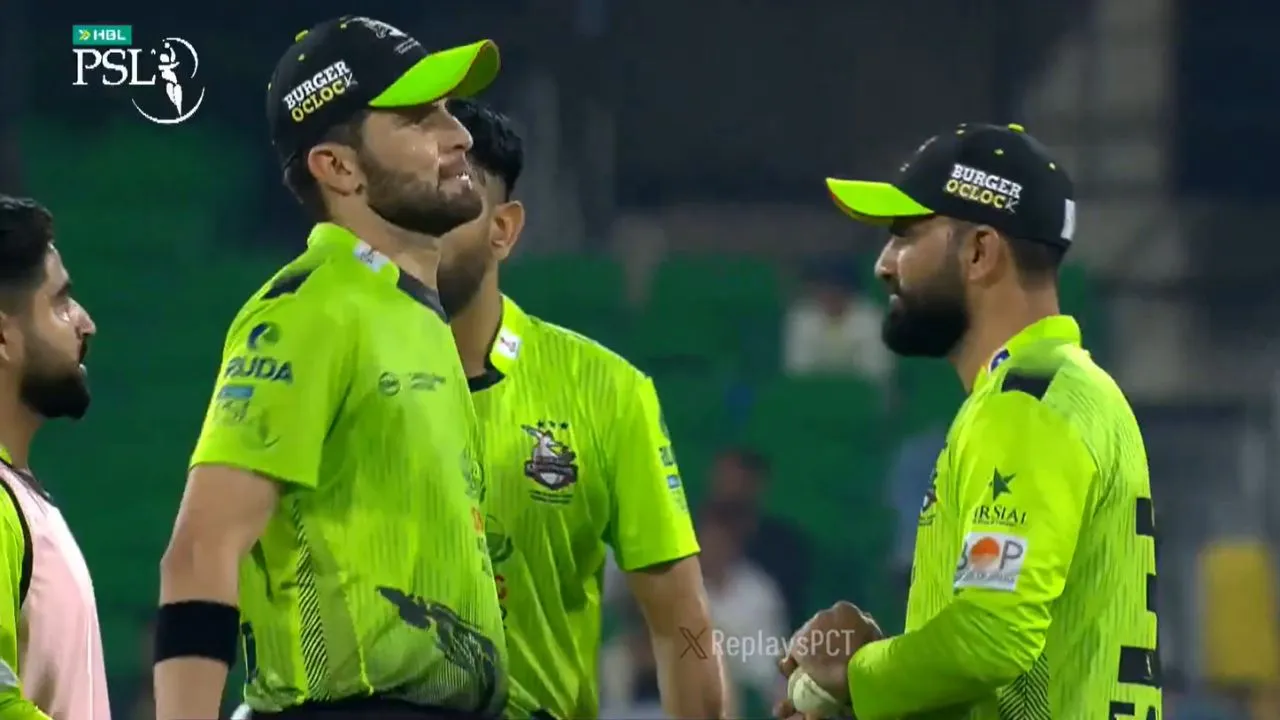
Fakhar Zaman officially handed cricket ban after PSL 2026 ball-tampering controversy
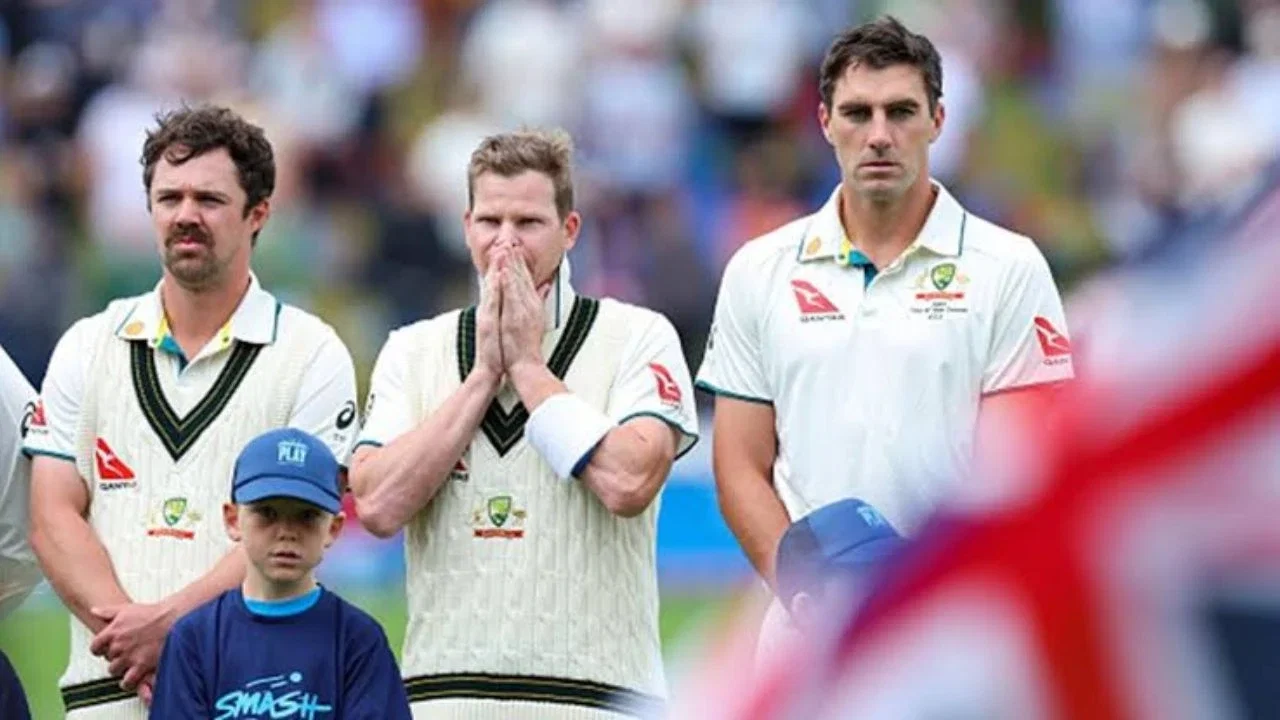
Pat Cummins forces Cricket Australia to slash central contracts list to secure premium deal
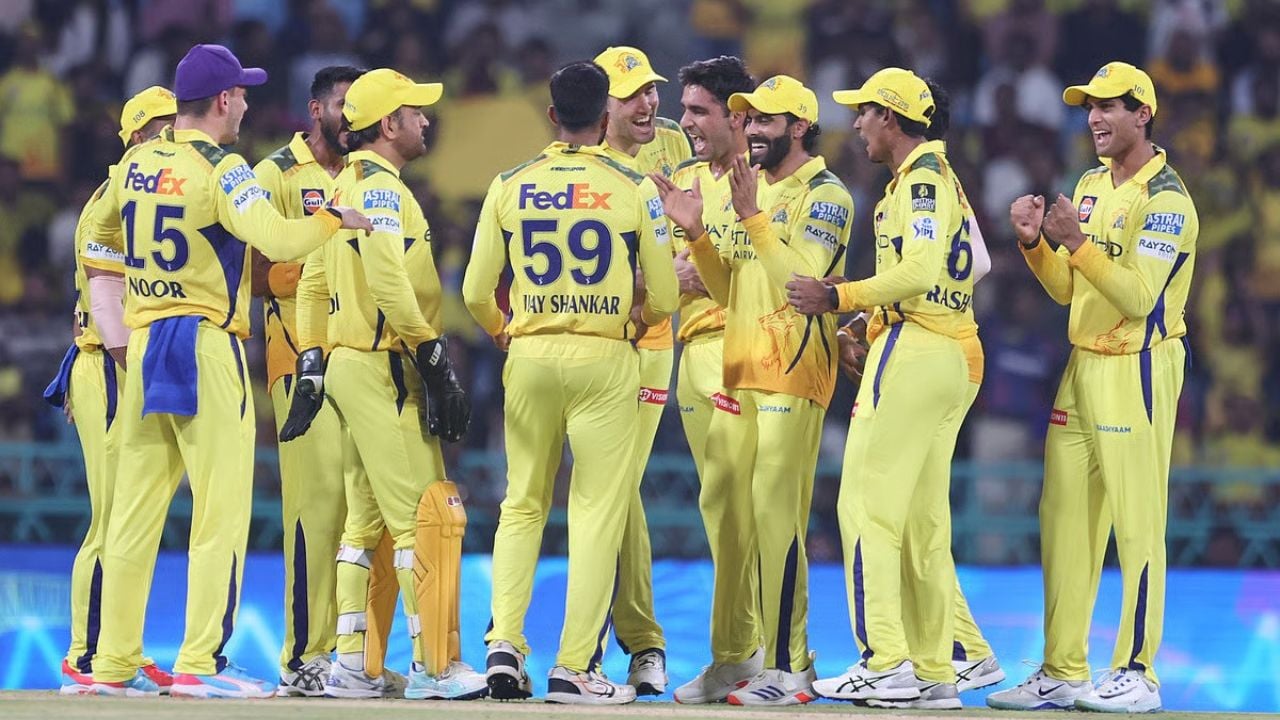
CSK’s big promise to players revealed amid IPL 2026: “Whatever BCCI offers, we’ll double it”
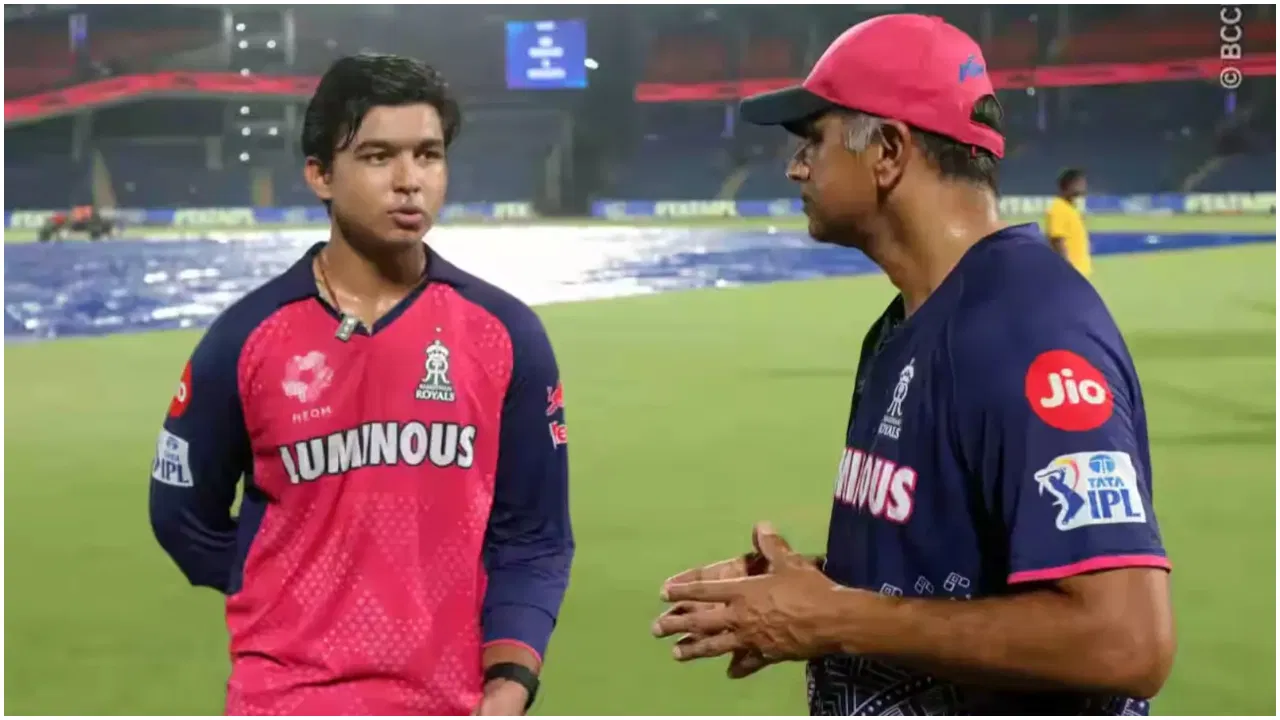
Ravichandran Ashwin rules out Vaibhav Sooryavanshi’s India call-up
Rashid Latif claims PSL ball-tampering row was deliberately created for attention amid IPL rivalry
Mohammed Shami breaks silence on retirement buzz after India snub; has special message for LSG
Mohammed Shami reveals IPL 2026 Top 4, leaves out five-time champions

