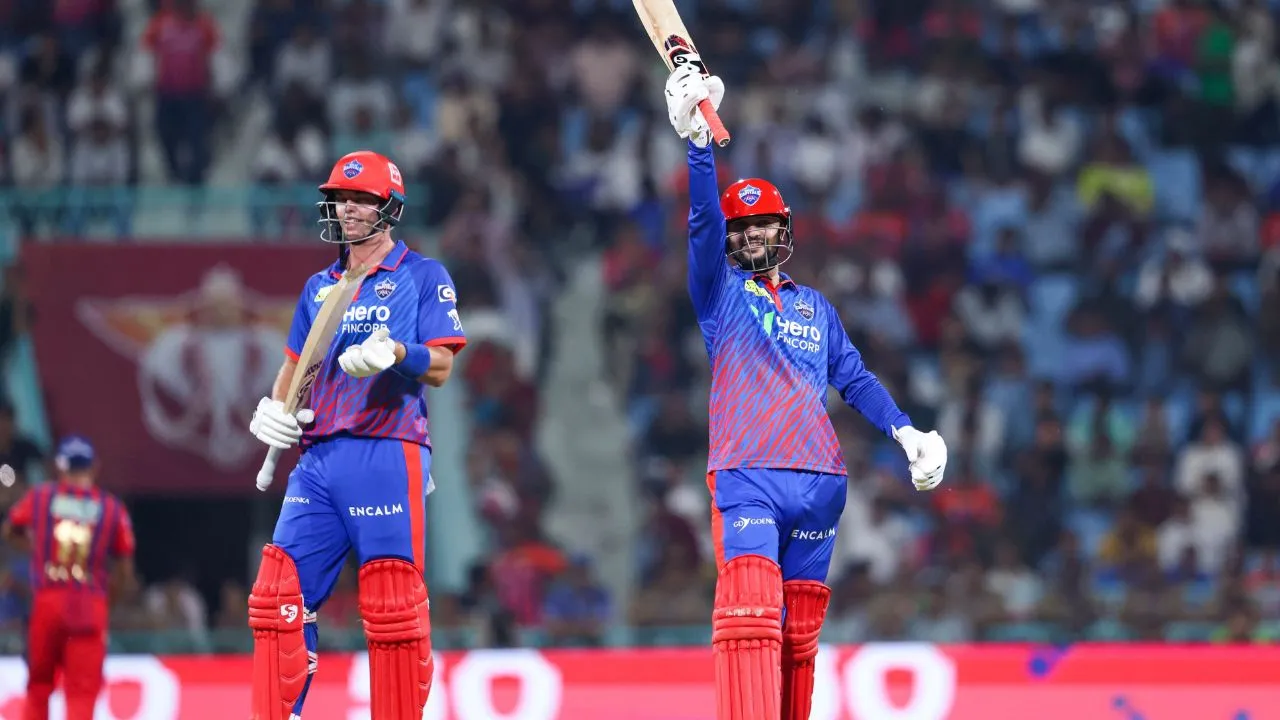
Rohit Sharma accused in commentary of conspiring with DRS to save his wicket
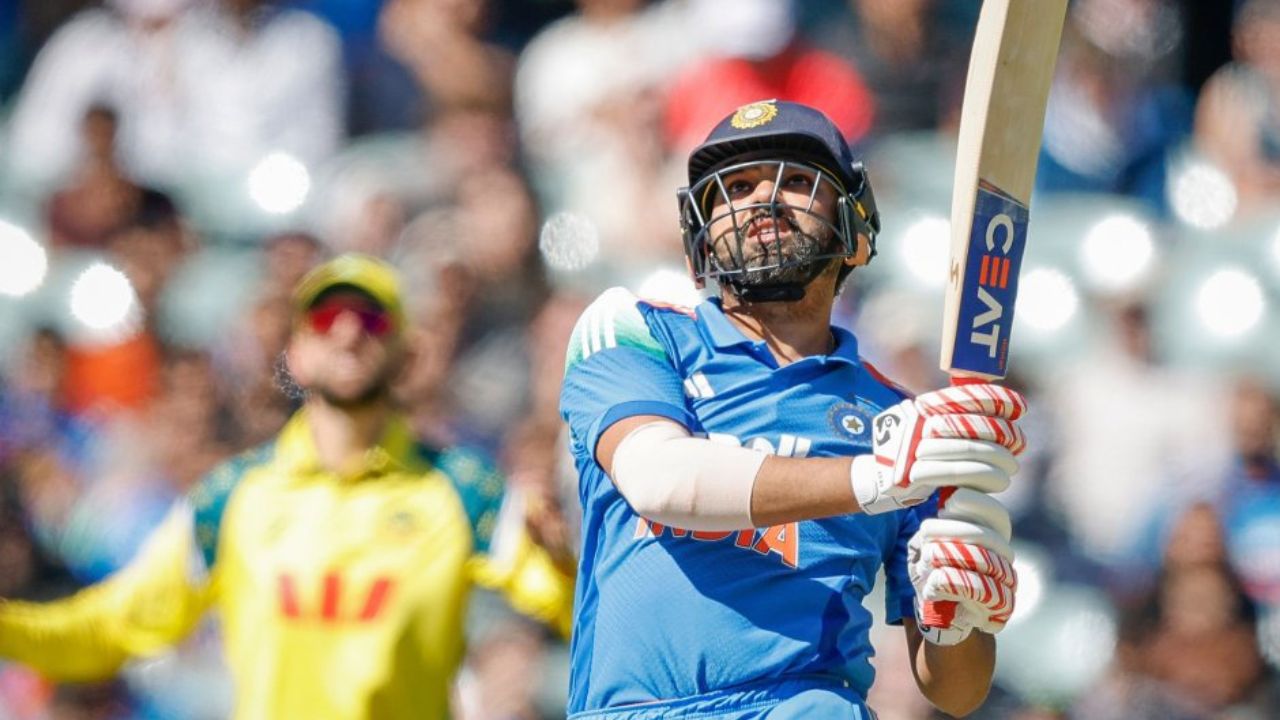
**Mark Waugh Questions DRS Decision After Rohit Sharma Escapes**
Former Australian cricketer Mark Waugh raised eyebrows during the recent India vs. Australia second ODI match at the Adelaide Oval. The contentious moment came when Rohit Sharma was declared not out off Josh Hazlewood’s bowling, sparking a heated debate about the Decision Review System (DRS).
**Drama Unfolds in India vs. Australia Clash**
In a match filled with tension and excitement, both Indian and Australian fans were treated to a thrilling encounter between the two cricketing giants. After losing the toss once again, Indian skipper Shubman Gill opted to bat first, looking to set a competitive total against the Australian bowlers.
As Rohit Sharma and Shubman Gill opened India’s innings, hopes were high for a strong start. However, Gill and Virat Kohli failed to deliver, putting pressure on the team early on. Despite some close calls, Rohit Sharma managed to survive, ultimately leading to the controversial moment involving Mark Waugh.
**DRS Drama Unfolds**
During the sixth over of the match, Josh Hazlewood delivered a deceptive ball outside off-stump to Rohit Sharma. As Sharma attempted a risky shot, the ball swung back sharply towards the stumps, leading to a confident appeal from the Australian team.
When the on-field umpire remained unmoved, the Australians decided to use their final review against Rohit Sharma. The DRS review showed that the ball did not hit the bat but instead flicked a portion of Sharma’s back pad. Despite the evidence, Mark Waugh, who was commentating at the time, expressed his disbelief at the decision, stating, “There was no way there was an inside edge.”
**Indian Fightback**
Despite the early setbacks, India managed to put up a commendable fight with contributions from Rohit Sharma, Shreyas Iyer, and Axar Patel. The lower-order batsmen, Harshit Rana and Arshdeep Singh, played crucial roles in steering India past the 250-run mark.
With a total of 265 on the board, India set a competitive target for the Australian batters to chase. The spirited performance from the Indian tailenders showcased their determination and resilience, making for an exciting finish to the first innings.
**Conclusion**
The controversial DRS decision involving Rohit Sharma and the subsequent fightback from the Indian team set the stage for a thrilling encounter between India and Australia. With tensions running high and the match finely poised, cricket fans eagerly awaited the Australian response as they stepped up to the crease to chase the target set by the Men in Blue.
**The Role of DRS in Modern Cricket**
The incident involving Rohit Sharma and the DRS system brings to light the increasing reliance on technology in modern cricket. The Decision Review System was introduced to eliminate human errors and provide a fairer playing field for all teams. However, controversies like the one in the India vs. Australia match underscore the challenges and complexities associated with its implementation.
In today’s cricket, players, commentators, and fans closely scrutinize every decision made by the on-field umpires. The introduction of DRS has added an extra layer of scrutiny, often leading to intense debates and discussions around the accuracy and effectiveness of the system. While DRS has undoubtedly improved the overall decision-making process, instances like the one involving Rohit Sharma remind us that it is not foolproof and can still be subject to interpretation and controversy.
**The Psychology of Decision-Making in Cricket**
The reaction of Mark Waugh to the DRS decision also sheds light on the psychology of decision-making in cricket. In high-pressure situations, emotions can run high, and individuals may be quick to react based on their own biases and perspectives. Waugh’s disbelief at the DRS decision reflects the inherent human tendency to question and challenge decisions that do not align with our expectations or beliefs.
In cricket, where split-second decisions can have a significant impact on the outcome of the game, players and commentators alike are constantly analyzing and interpreting every play. The psychological aspect of decision-making adds another dimension to the game, influencing how individuals perceive and react to different situations on the field.
**The Resilience of the Indian Team**
Despite the early setbacks and the controversy surrounding the DRS decision, the Indian team displayed remarkable resilience and fighting spirit. The lower-order batsmen’s contributions to the total score showcased the depth and determination of the Indian batting lineup. In cricket, the ability to bounce back from adversity and perform under pressure is a testament to a team’s character and mental strength.
The Indian team’s performance in the match against Australia exemplifies their never-say-die attitude and their willingness to fight till the end. The players showed great composure and skill in navigating the challenges posed by the Australian bowlers, ultimately setting up an intriguing contest for the second innings.
**Looking Ahead: The Exciting Contest Continues**
As the second innings of the India vs. Australia match unfolds, cricket fans can expect more drama, excitement, and nail-biting moments. The battle between the two cricketing powerhouses promises to deliver a thrilling conclusion, with both teams vying for victory.
In the world of cricket, where unpredictability reigns supreme, every match is an opportunity for players to showcase their talent, resilience, and competitive spirit. The India vs. Australia clash serves as a reminder of the beauty and intensity of the sport, where moments of controversy and brilliance converge to create a spectacle that captivates audiences around the world.
Latest News
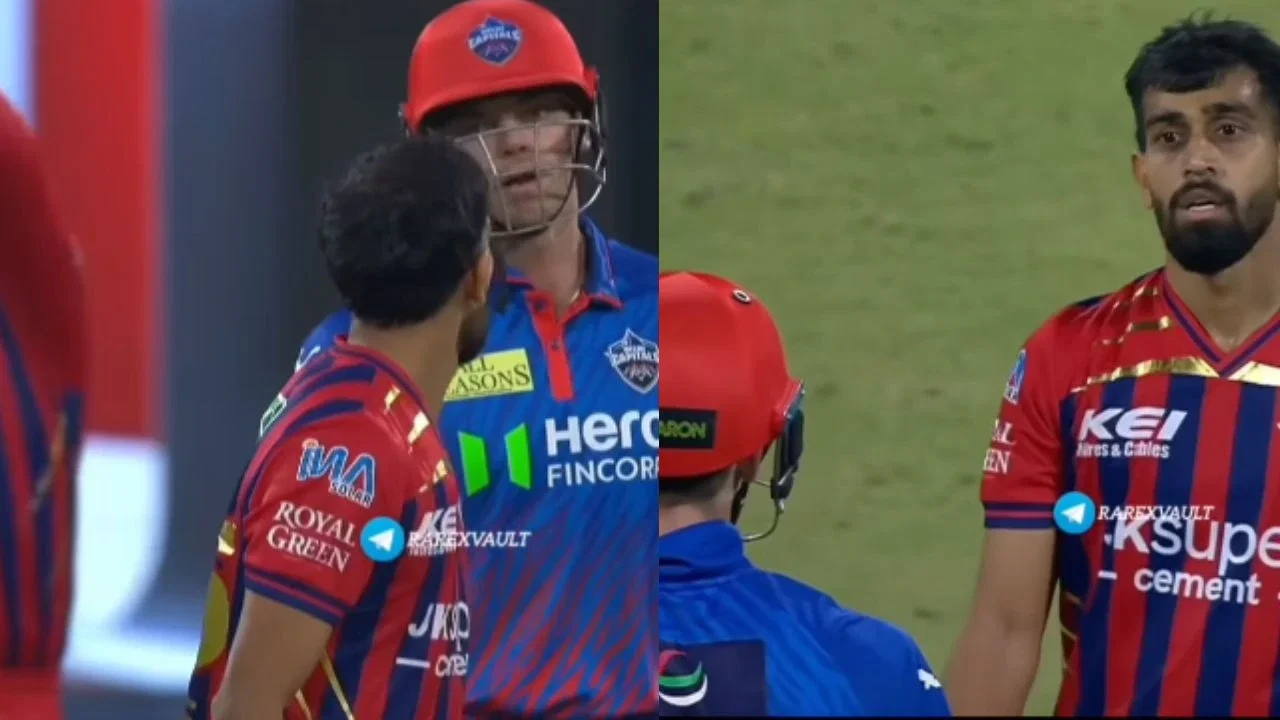
Watch: Tristan Stubbs vs Prince Yadav altercation video goes viral in IPL 2026
LSG take disgusting dig at KL Rahul, DC fire back with savage post as IPL 2026 heats up
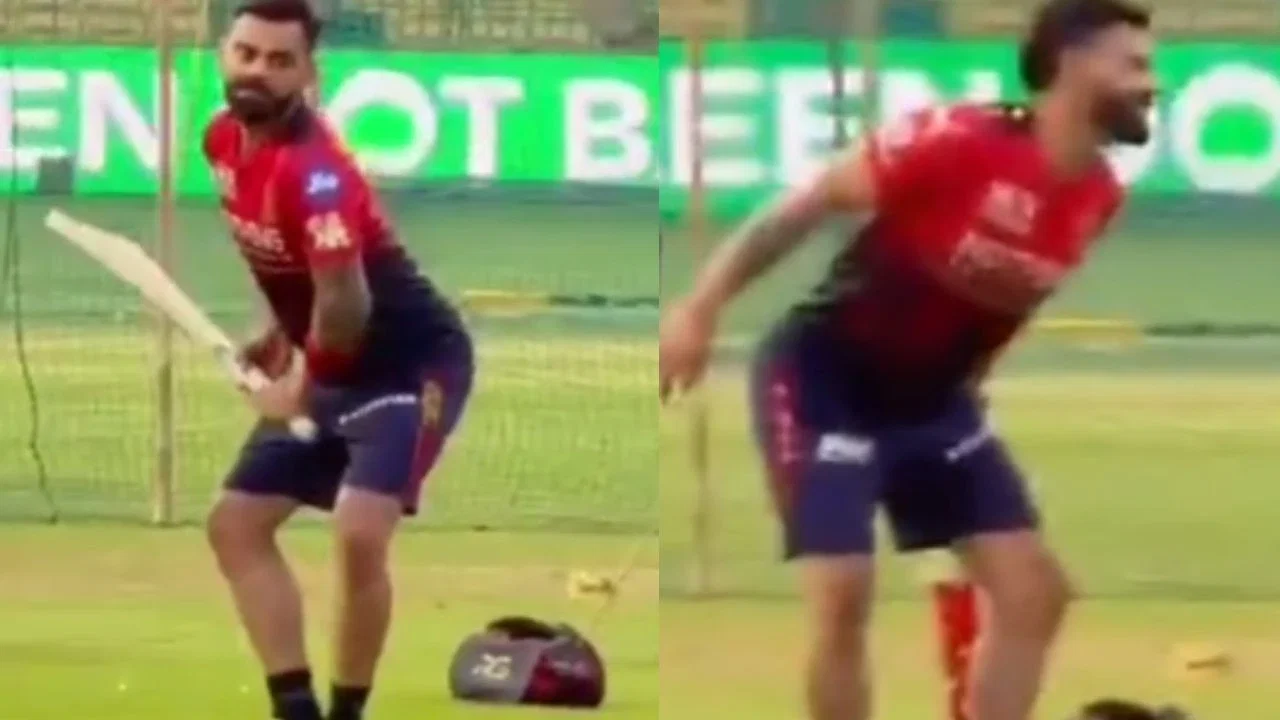
Virat Kohli teases RCB teammate Romario Shepherd by imitating him in a hilarious fashion
Rassie van der Dussen announces retirement after South Africa contract snub
Rajat Patidar ignores MS Dhoni, Virat Kohli as he names best IPL captain
Yuvraj Singh name-dropped as ex-LSG coach gives honest verdict on Rishabh Pant’s T20 game
Abhishek Nayar urges Cameron Green to become Andre Russell 2.0 for KKR
Shreyas Iyer fully fit for Punjab Kings’ IPL 2026 clash against CSK
Matheesha Pathirana’s NOC delayed by SLC, KKR’s woes heighten in IPL 2026
Matheesha Pathirana’s NOC delayed by SLC, KKR’s woes heighten in IPL 2026
Nuwan Thushara takes legal action against SLC to secure RCB move for IPL 2026
Harry Brook and Jacob Bethell punished after conduct probe by cricket regulator
Sanjiv Goenka engages in heated chat with LSG coaches after loss to DC
Axar Patel dismissed on ‘Golden Duck’ by Prince Yadav in LSG vs DC IPL 2026 clash