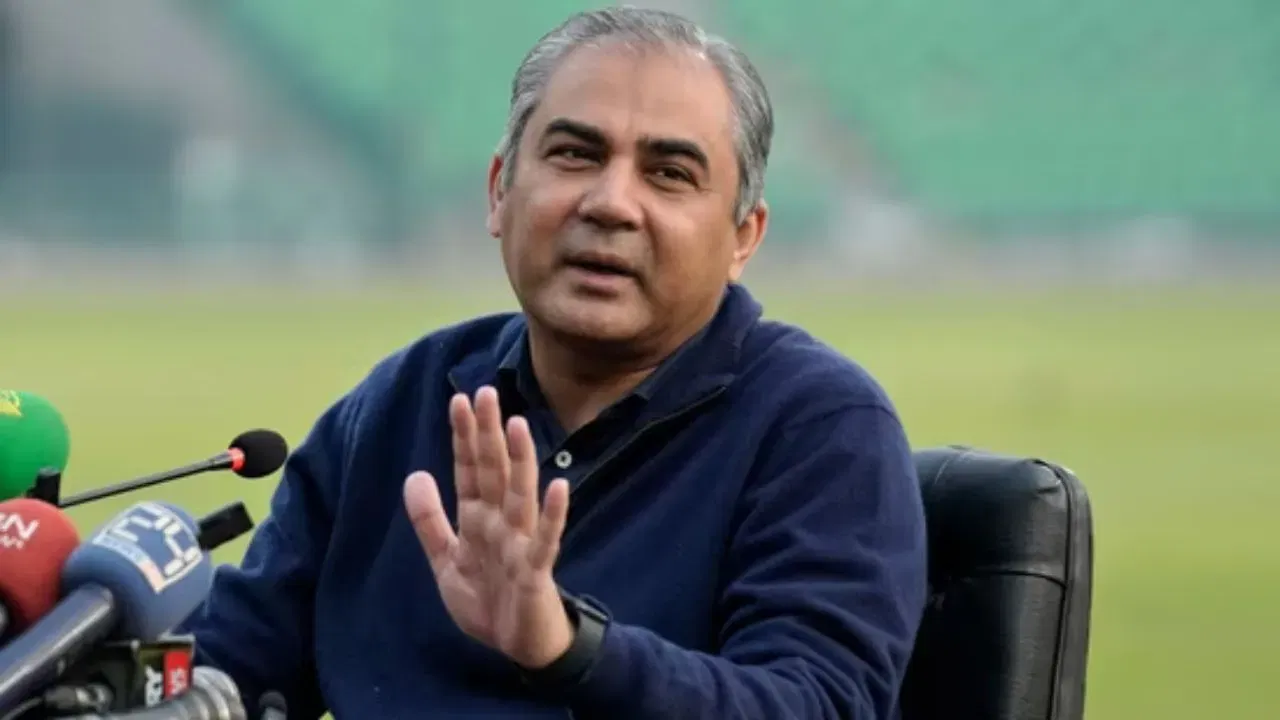
Rohit Sharma, Gautam Gambhir’s role in ending Mohammed Shami’s India career finally revealed
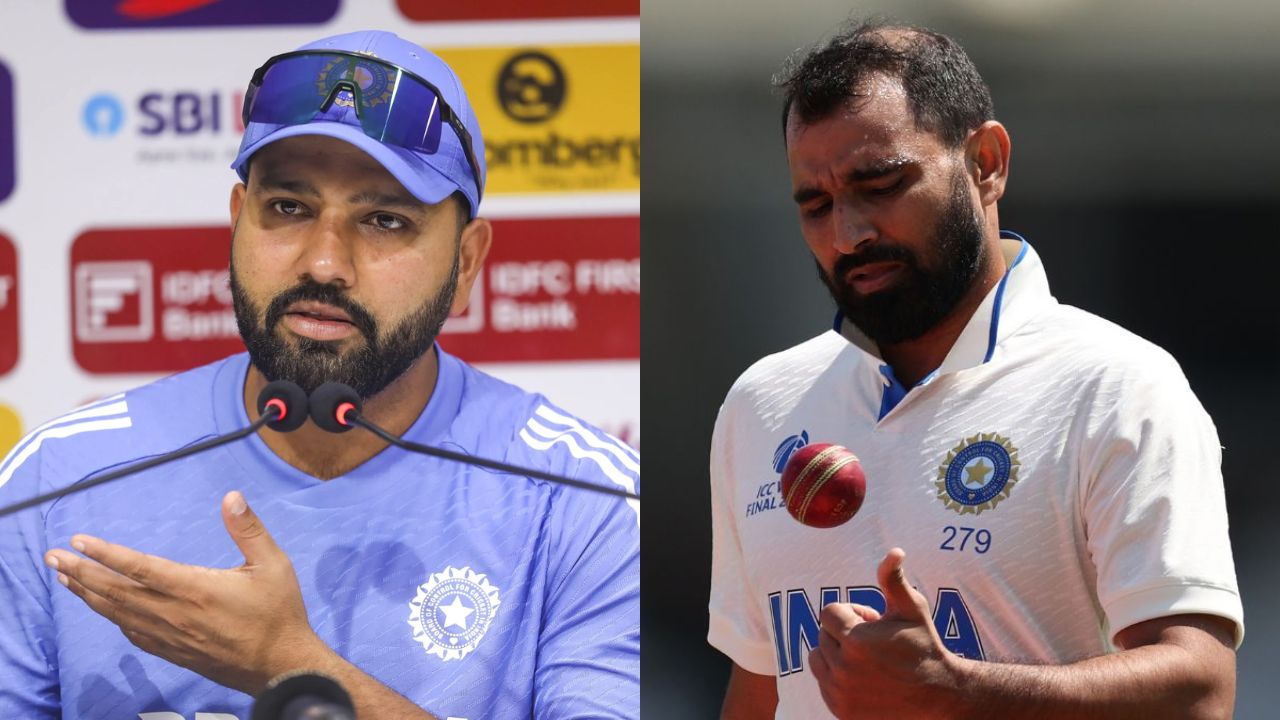
The Real Reason Behind Mohammed Shami’s Ongoing Snub from Team India Revealed
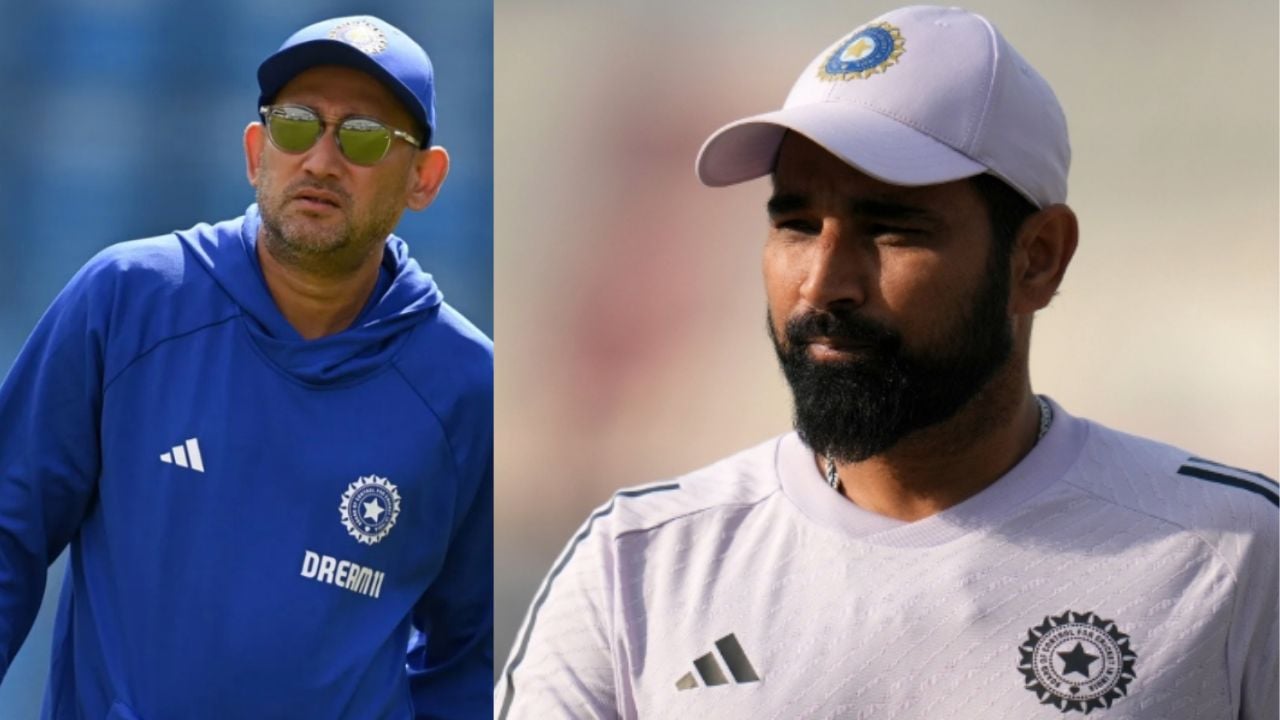
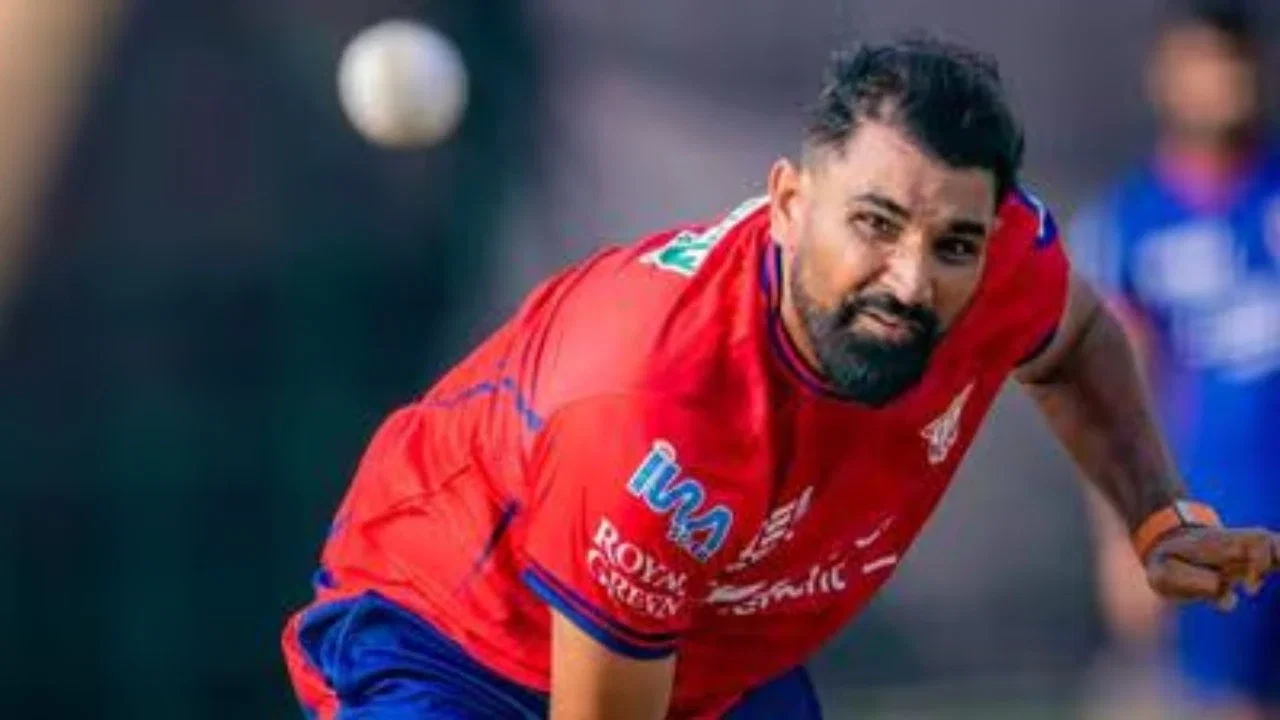
Mohammed Shami, the talented fast bowler from India, has been out of favor in the Indian cricket team despite his excellent performance for Bengal in the domestic circuit. Shami’s last appearance for India was during their ICC Champions Trophy 2025 triumph in the UAE earlier this year. However, he has not played a Test since the New Zealand series at home last year, and there is uncertainty surrounding his return to the national side, especially after being dropped for the upcoming two-match Test series against South Africa at home.
Behind-the-Scenes Drama Unveiled
A recent revelation sheds light on the series of events that led to Shami’s continuous exclusion from the Indian team. According to a report by Revsportz journalist, Rohit Juglan, the rift between Shami and the team management began during the Bengaluru Test against New Zealand last year. Indian captain Rohit Sharma raised concerns about Shami’s fitness in a press conference, citing swelling in his knee as the reason for his absence.
However, conflicting reports emerged when Shami claimed to be fully fit during an event in Gurgaon around the same time. Despite the injury claims, Shami was seen bowling at the nets with a bandage on his leg, trying to prove his fitness to the team. The management, though, had doubts about his long-term recovery as they wanted him in peak condition for the Border-Gavaskar Trophy 2024-25 in Australia.
Commitment Concerns and Consequences
It was reported that Shami’s involvement in brand shoots and promotional commitments during his rehabilitation phase hindered his progress. The team doctors had set a strict recovery plan, but Shami’s fitness did not show significant improvement. His lack of commitment to the recovery process raised red flags within the team management.
As the team headed to Adelaide, it became evident that Shami had not taken his recovery seriously and failed to meet the set deadline to prove his fitness. Despite knowing the workload on Jasprit Bumrah, the team decided not to recall Shami for the Border-Gavaskar Trophy 2024-25, signaling a shift in their stance towards the fast bowler.
Rohit Sharma and Gautam Gambhir’s Decisive Actions
Aside from the fitness concerns, the strained communication between Rohit Sharma and Shami post the Bengaluru Test played a crucial role in the decision-making process. Additionally, head coach Gautam Gambhir’s emphasis on discipline and fitness standards further pushed the team management to move on from Shami.
Shami’s tendency to speak openly about internal matters also worked against him, as the team culture values confidentiality in such discussions. His recent contradictory statement to chief selector Ajit Agarkar further solidified the team’s decision to overlook him for Test selection.
As the saga unfolds, Mohammed Shami finds himself on the sidelines of the Indian cricket team, with his future in the Test arena hanging in the balance. The insights into the behind-the-scenes drama provide a glimpse into the complexities of player-team dynamics and the importance of commitment and communication in the world of professional sports.
The Importance of Team Dynamics in Cricket
Cricket is not just about individual performances; it is also about teamwork and camaraderie. The revelations surrounding Mohammed Shami serve as a reminder of how crucial it is for players to maintain a positive relationship with team management and fellow players. The dynamics within a team can significantly impact a player’s opportunities and future prospects.
Effective communication, mutual respect, and a shared sense of purpose are essential for a team to function harmoniously. When these elements are compromised, as seen in Shami’s case, it can lead to misunderstandings, disagreements, and ultimately, exclusion from the team. Players must understand the significance of upholding team values and aligning themselves with the collective goals of the squad.
The Balancing Act of Player Commitments
Professional cricketers often find themselves juggling various commitments, including matches, training sessions, promotional events, and personal endorsements. Balancing these obligations while prioritizing one’s physical well-being and performance on the field can be a challenging task. In Shami’s case, his involvement in brand shoots and promotional activities during his recovery phase raised concerns about his dedication to rehabilitation.
Players must strike a balance between fulfilling their off-field commitments and focusing on their primary role as athletes. Prioritizing their fitness, recovery, and training is crucial to ensure that they are in optimal condition to represent their team at the highest level. By demonstrating a strong work ethic and commitment to their craft, players can earn the trust and respect of the team management and secure their position in the squad.
The Role of Leadership in Team Selection
Leadership plays a pivotal role in shaping team dynamics and decision-making processes. Captains, coaches, and senior players often influence selection choices based on their observations, interactions with teammates, and overall team strategy. In Shami’s case, the concerns raised by captain Rohit Sharma and coach Gautam Gambhir regarding his fitness, commitment, and communication undoubtedly had a significant impact on the team’s decision to exclude him from the playing XI.
Strong leadership fosters a culture of accountability, discipline, and unity within the team. It sets clear expectations for player conduct, performance standards, and team values. By providing guidance, support, and constructive feedback to players, leaders can help them navigate challenges, overcome obstacles, and grow both as individuals and as team members.
The Road Ahead for Mohammed Shami
As Mohammed Shami continues to navigate the complexities of his relationship with the Indian cricket team, he faces a critical juncture in his career. Moving forward, Shami must reflect on the lessons learned from this experience and take proactive steps to address the issues that led to his exclusion. Demonstrating a renewed commitment to his fitness, communication, and teamwork will be essential for him to earn back the trust of the team management and secure his place in the national squad.
While the road ahead may be challenging, Shami has the talent and potential to reclaim his spot in the Indian team. By leveraging this setback as an opportunity for growth and self-improvement, he can emerge stronger, more resilient, and more determined to succeed at the highest level of the sport.
In conclusion, the saga of Mohammed Shami sheds light on the intricate dynamics at play within a cricket team and underscores the importance of professionalism, communication, and teamwork in the pursuit of sporting excellence.
Latest News
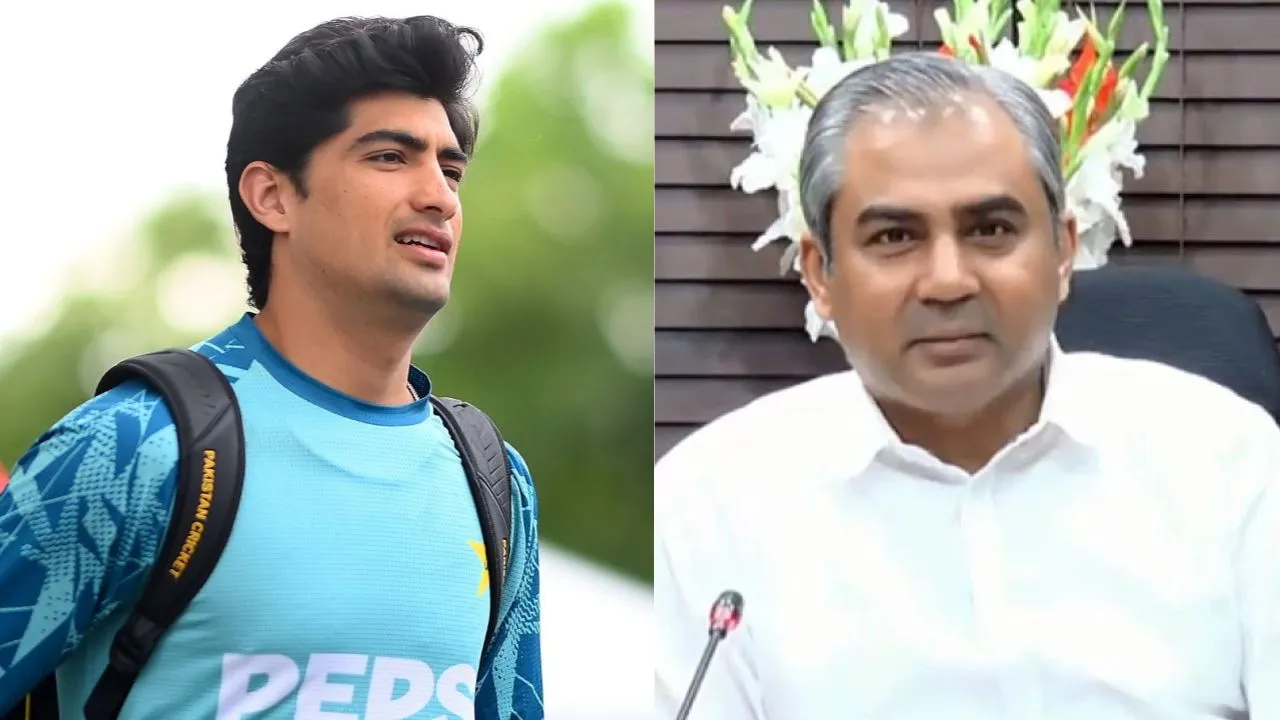
Mohsin Naqvi enforces new social media rules for Pakistan players following Naseem Shah incident
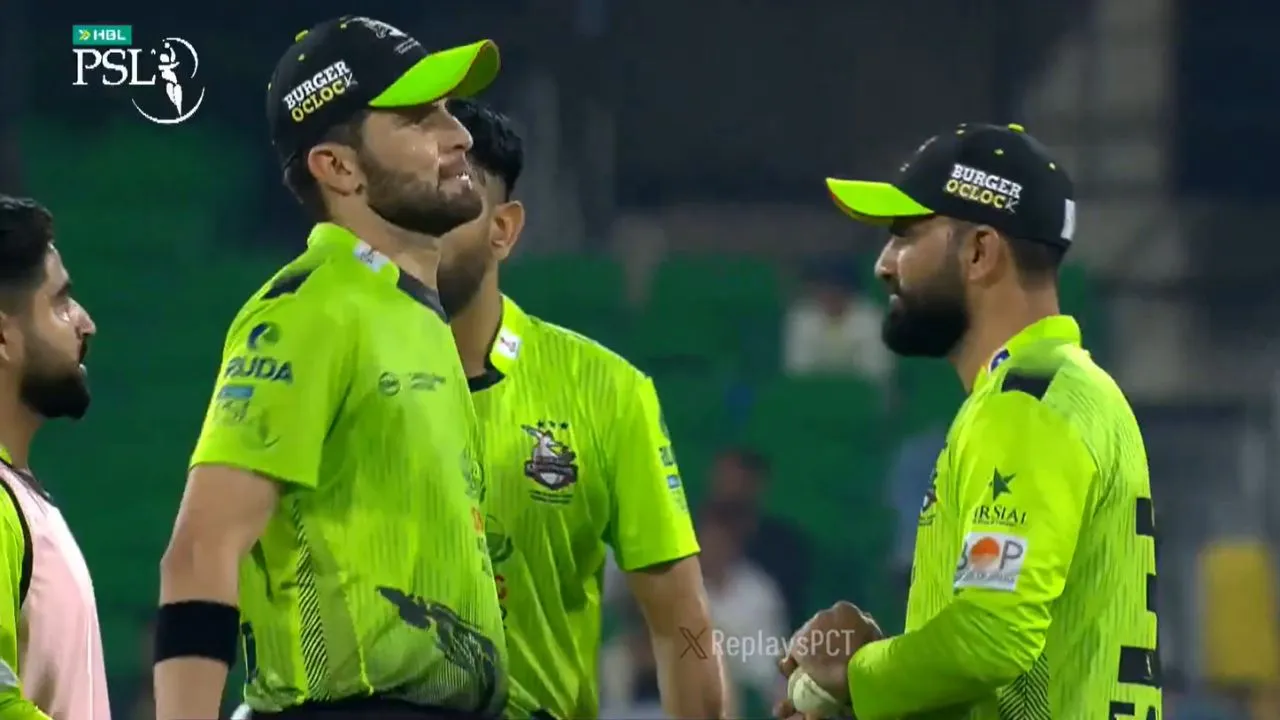
Fakhar Zaman officially handed cricket ban after PSL 2026 ball-tampering controversy
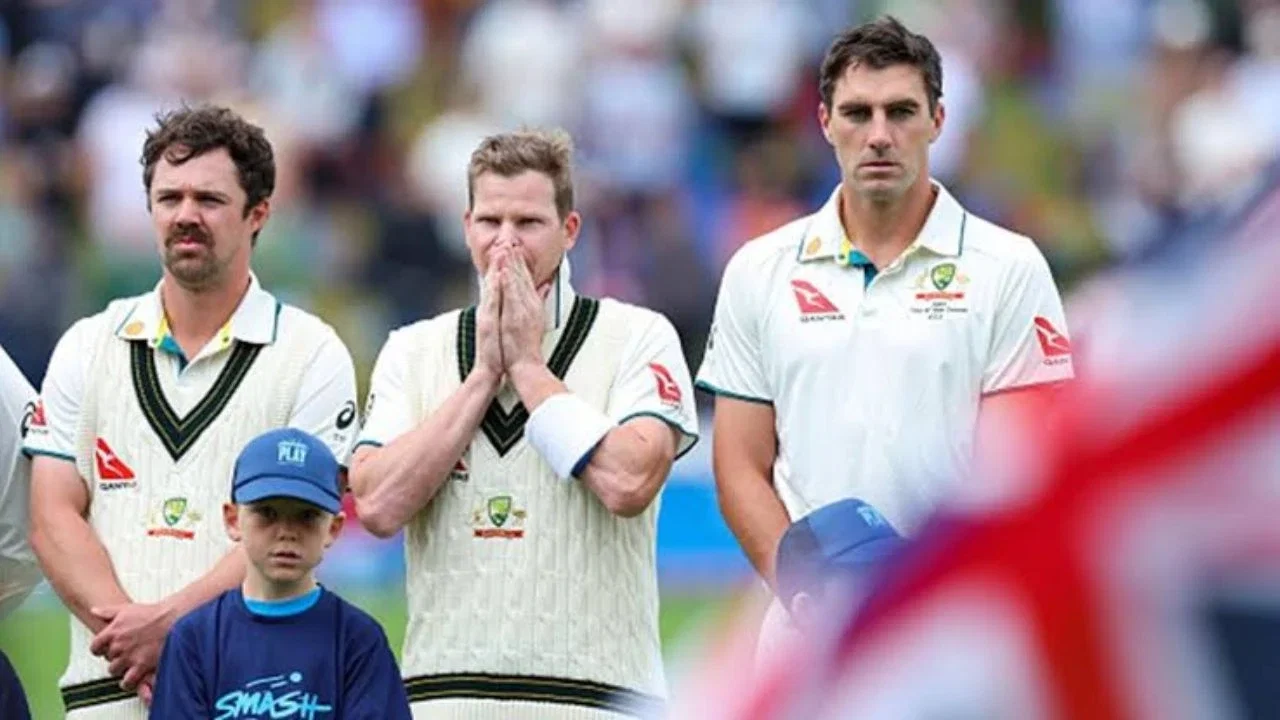
Pat Cummins forces Cricket Australia to slash central contracts list to secure premium deal
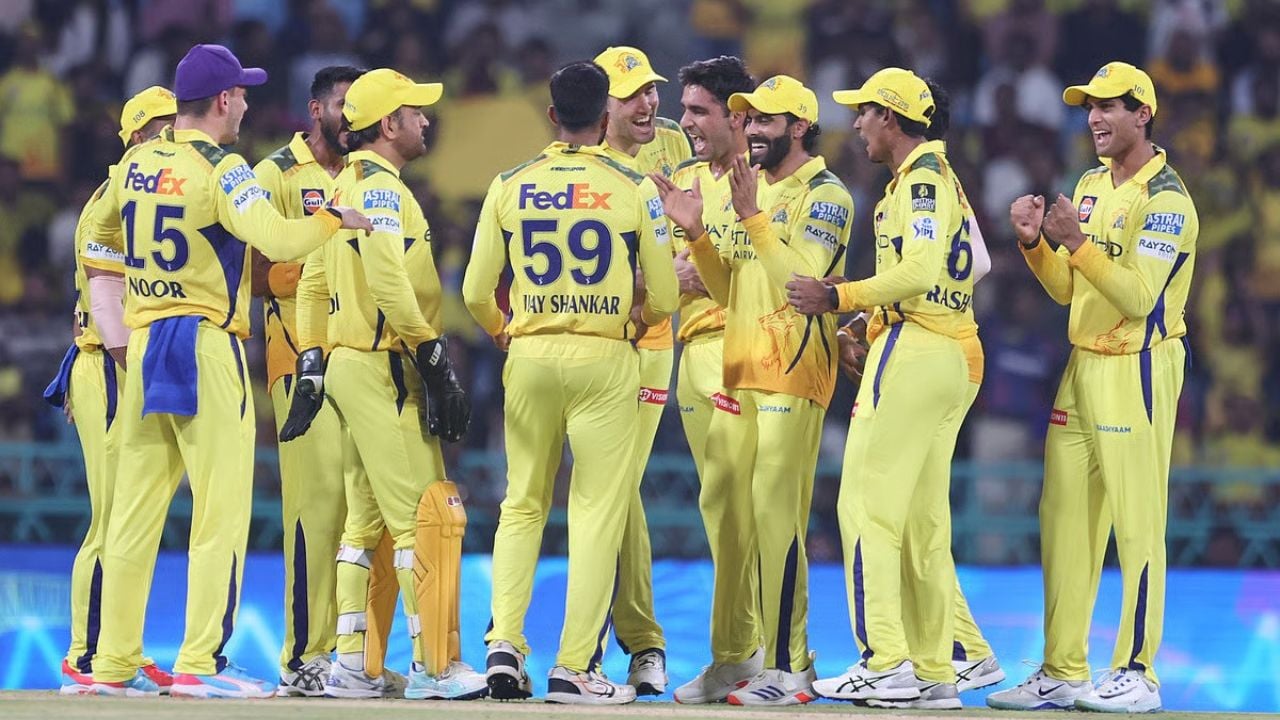
CSK’s big promise to players revealed amid IPL 2026: “Whatever BCCI offers, we’ll double it”
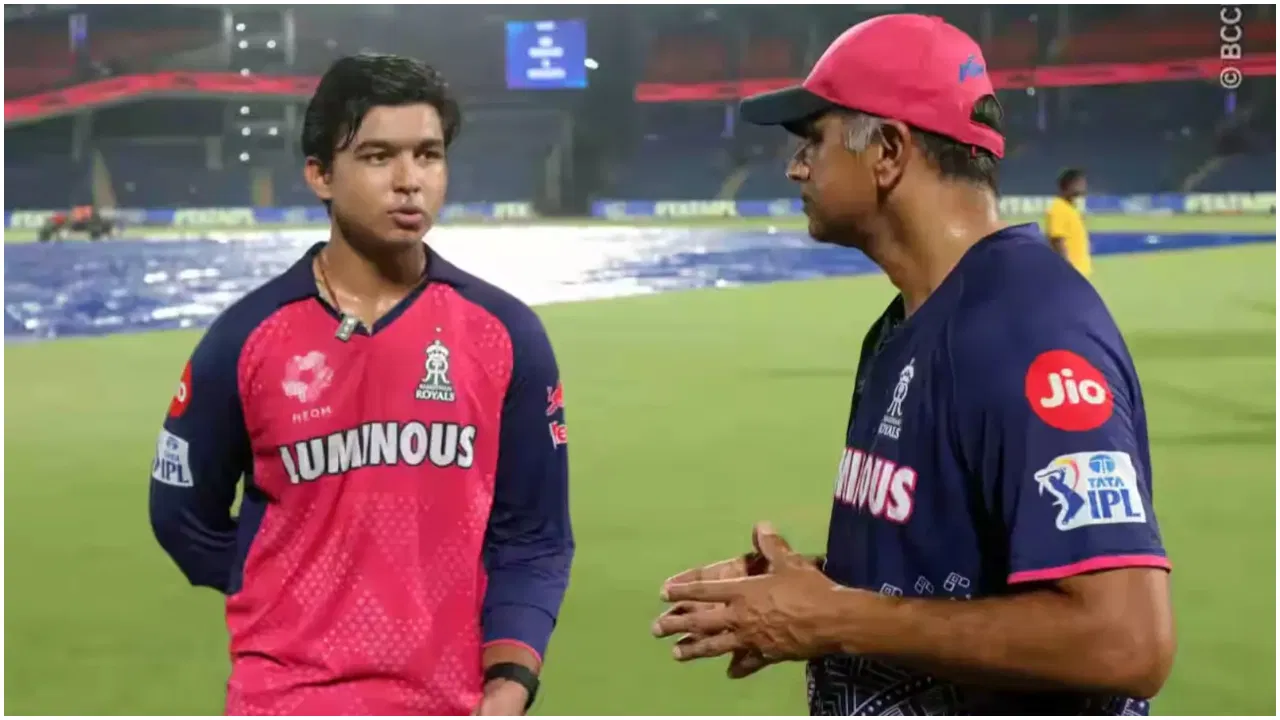
Ravichandran Ashwin rules out Vaibhav Sooryavanshi’s India call-up
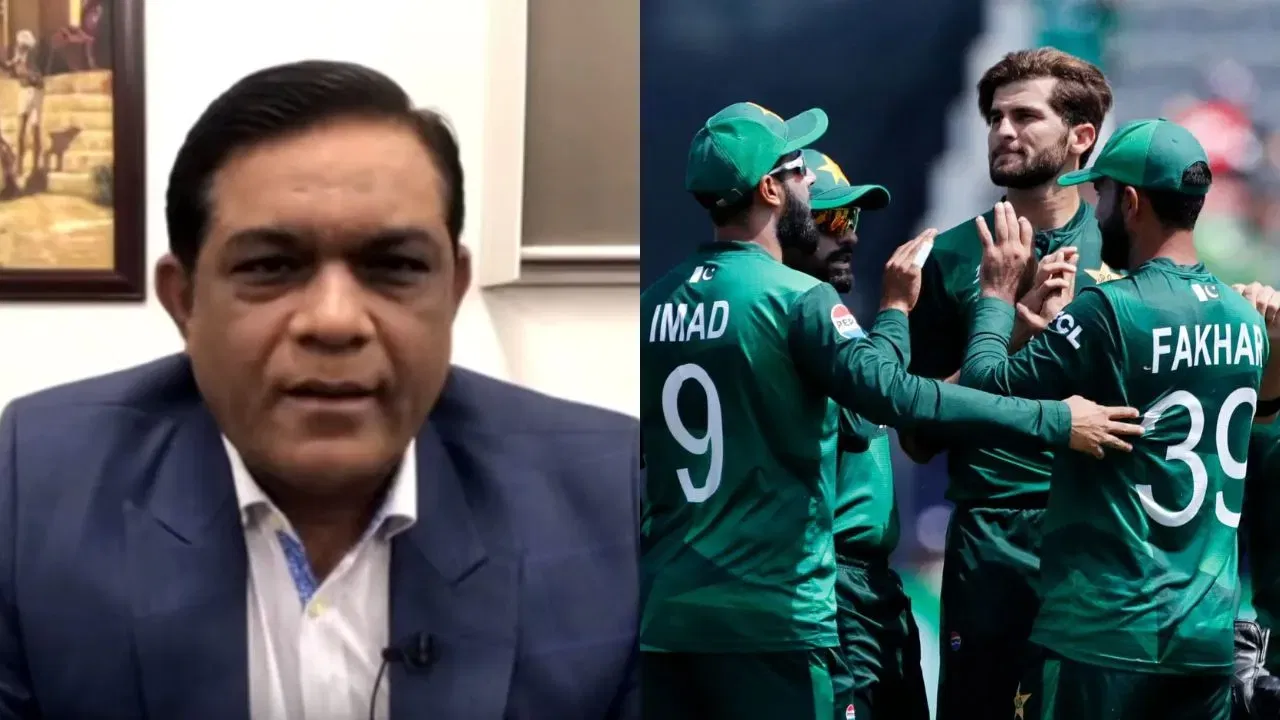
Rashid Latif claims PSL ball-tampering row was deliberately created for attention amid IPL rivalry
Mohammed Shami breaks silence on retirement buzz after India snub; has special message for LSG
Mohammed Shami reveals IPL 2026 Top 4, leaves out five-time champions
Mohammed Shami hits back at Ravichandran Ashwin over LSG’s poor IPL 2026 prediction
Riyan Parag mocked Sanju Samson? Batter’s muscle-flex celebration after sensational 6 vs CSK goes viral
IPL 2026 hit by tragedy! British broadcast engineer dies in Mumbai hotel room
Brad Haddin reveals reality of Shreyas Iyer as captain
Jos Buttler set to dominate IPL 2026, thanks to Ashish Nehra
Ravindra Jadeja says he had no conversation with MS Dhoni after RR move