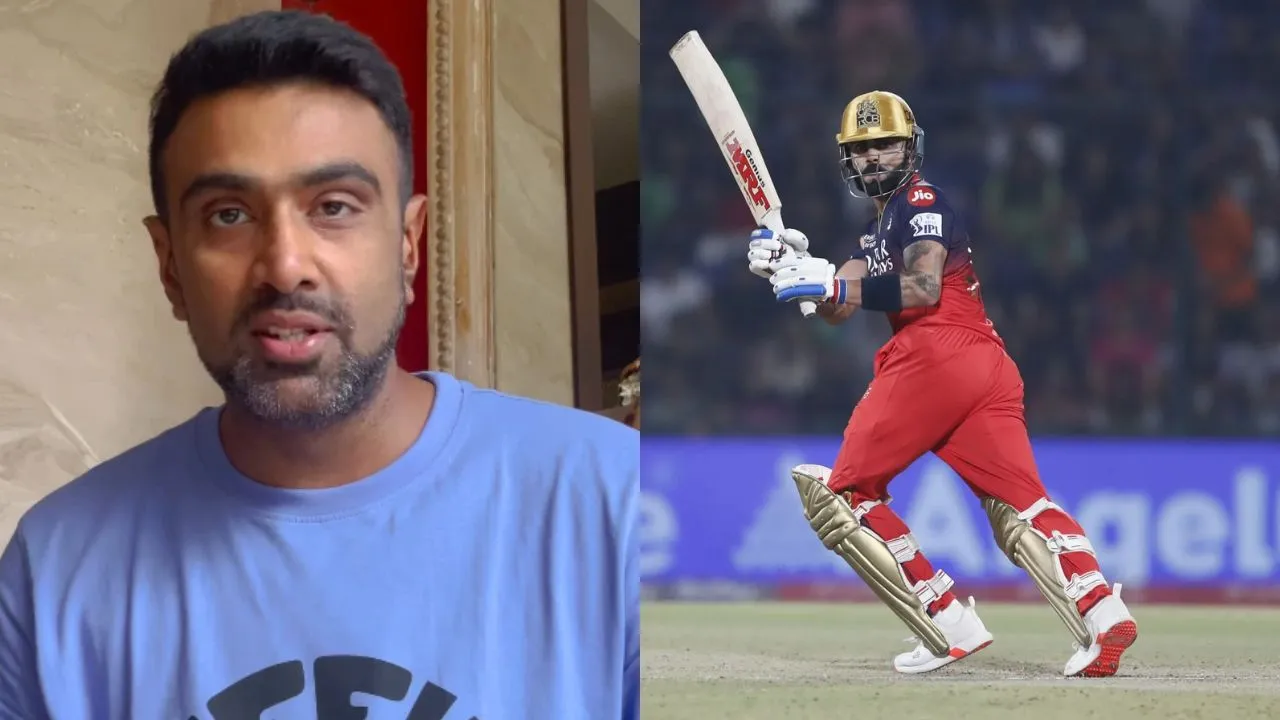
Rohit Sharma, Sourav Ganguly picked over Virat Kohli, MS Dhoni as Manoj Tiwary delivers blunt verdicts
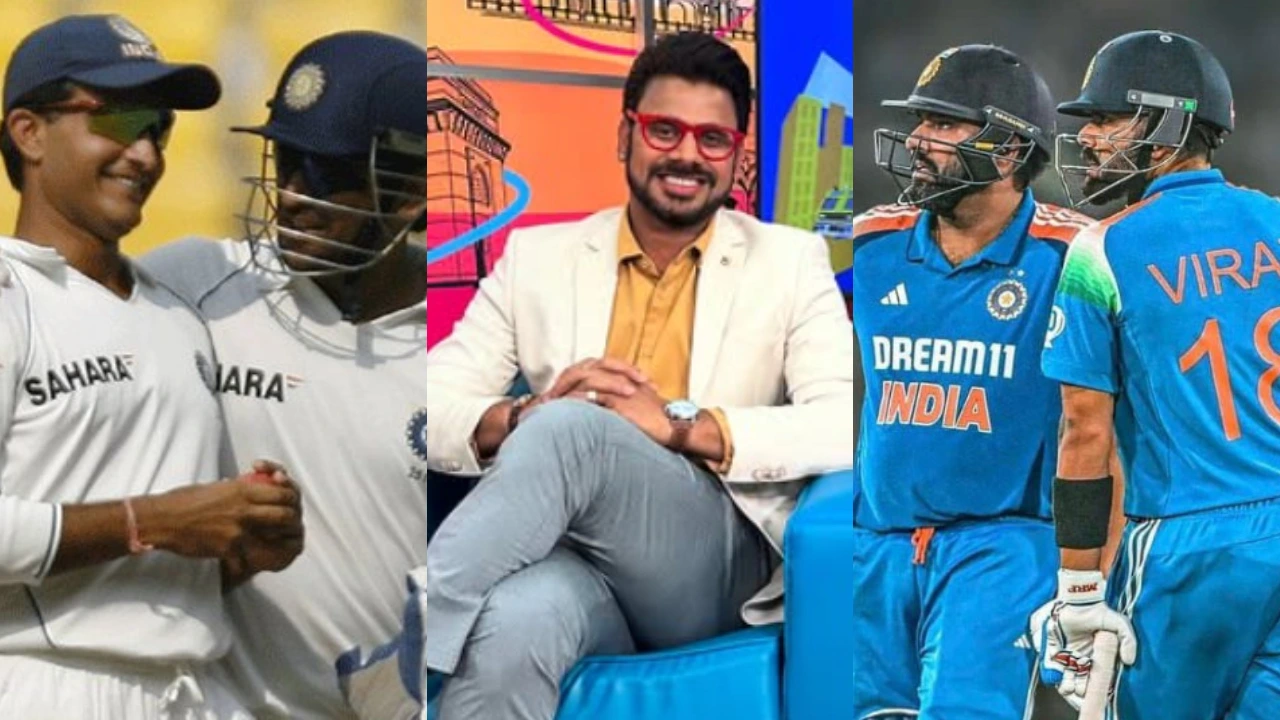
Former Cricketer Manoj Tiwary’s Bold Opinions on Indian Cricketing Icons
Former Indian cricketer Manoj Tiwary has once again made headlines with his bold opinions on some of India’s biggest cricketing icons, including Virat Kohli, MS Dhoni, Sourav Ganguly, and Gautam Gambhir. Tiwary compared the leadership and impact of modern-era captains, batting legends, and coaches in Indian cricket, sparking debates among fans and experts alike.
Tiwary Acknowledges Kohli’s Transformation of Indian Cricket
When asked about India’s best captain, Tiwary acknowledged Virat Kohli’s immense contribution in transforming the Indian cricket team’s mindset, fitness standards, and aggressive playing style. He noted that Kohli had brought a fearless approach to Indian cricket and came close to clinching major ICC trophies. However, Tiwary surprised many by picking Rohit Sharma as the best captain over Kohli due to Rohit’s impressive record of winning multiple ICC titles.
Tiwary was quoted as saying by Inside Sport, “It’s very unfortunate that in our country, we only go by the results. But it would be unfair to not say that Virat Kohli was equally good as a captain. He had transformed Team India, and he was very close to winning the ICC trophies. But since Rohit Sharma has led Team India to a couple of ICC trophies, I will obviously have to go with Rohit Sharma.”
Ganguly Chosen Over Dhoni as India’s Greatest Captain
In a surprising turn of events, Tiwary picked Sourav Ganguly over MS Dhoni as India’s greatest captain. He praised Ganguly not only for his on-field captaincy but also for his vision in spotting and backing young talent. Tiwary mentioned that players who contributed to Dhoni’s ICC-winning trophies were given opportunities by Ganguly when they were young and were backed by him. In Tiwary’s view, Ganguly’s influence on Indian cricket was instrumental in the team’s success under Dhoni’s captaincy.
Dravid Named as India’s Best Coach
When asked to choose between Rahul Dravid and Gautam Gambhir as India’s best coach, Tiwary chose Dravid for his calm demeanor, strategic mindset, and focus on nurturing young talent. Despite Gambhir’s success in winning the ICC Champions Trophy in 2025, Tiwary pointed out that under Gambhir’s coaching, India faced a humiliating 3-0 whitewash in a Test series against New Zealand. This result raised questions about Gambhir’s tactical approach, ultimately leading Tiwary to favor Dravid as the better coach.
Manoj Tiwary’s bold opinions have stirred up discussions within the cricketing community, highlighting the diverse perspectives on Indian cricket’s past and present icons. His insights offer a unique glimpse into the nuances of leadership, talent identification, and coaching styles that have shaped Indian cricket’s trajectory over the years.
Manoj Tiwary’s Impact on Indian Cricket
Aside from sharing his bold opinions on Indian cricketing icons, Manoj Tiwary himself had a notable career representing India at the international level. Tiwary, a talented middle-order batsman, made his debut for the Indian cricket team in 2008 and showcased his skills in both limited-overs and Test formats. Known for his elegant stroke play and ability to anchor an innings, Tiwary was a valuable asset for India during his playing days.
Despite facing stiff competition for a permanent spot in the Indian team, Tiwary’s performances in domestic cricket and the Indian Premier League (IPL) often caught the attention of selectors and fans alike. His contributions to various teams in the IPL, including the Kolkata Knight Riders and Delhi Capitals, further solidified his reputation as a dependable middle-order batsman capable of handling pressure situations.
The Evolution of Leadership in Indian Cricket
Manoj Tiwary’s opinions on Indian cricketing icons shed light on the evolution of leadership within the Indian cricket team. From Sourav Ganguly’s aggressive captaincy to MS Dhoni’s calm demeanor and tactical acumen, each captain brought a unique style of leadership to the team. Tiwary’s recognition of Virat Kohli’s impact on transforming the team’s mindset and fitness standards underscores the importance of strong leadership in driving success on the field.
Furthermore, Tiwary’s emphasis on Rohit Sharma’s captaincy abilities highlights the changing dynamics of leadership in modern cricket. As cricket evolves into a more dynamic and fast-paced sport, the role of captains in strategizing and motivating their teams becomes increasingly crucial. By acknowledging Sharma’s success in leading the team to ICC titles, Tiwary illustrates the significance of results in evaluating a captain’s effectiveness.
The Role of Coaches in Shaping Indian Cricket
In addition to discussing captains, Manoj Tiwary’s opinions on coaches offer valuable insights into the role of mentorship and guidance in nurturing young talent in Indian cricket. His preference for Rahul Dravid as India’s best coach emphasizes the importance of a coach’s calm demeanor, strategic mindset, and focus on skill development. Dravid’s reputation as a mentor and his ability to groom young cricketers have been widely recognized in the cricketing fraternity.
On the other hand, Tiwary’s critique of Gautam Gambhir’s coaching approach highlights the challenges that coaches face in balancing tactical strategies with player development. While Gambhir achieved success in winning the ICC Champions Trophy, the Test series whitewash against New Zealand exposed potential shortcomings in his coaching style. Tiwary’s analysis underscores the complexity of coaching at the highest level and the need for a balanced approach to training and strategy.
Manoj Tiwary: A Pundit in the Making
As Manoj Tiwary continues to share his bold opinions and insights on Indian cricketing legends, he emerges as a pundit with a unique perspective on the game. His experiences as a player, coupled with his astute observations of the cricketing landscape, position him as a valuable voice in the cricketing community. Tiwary’s willingness to challenge conventional wisdom and offer fresh perspectives adds depth to discussions around Indian cricket’s past, present, and future.
Whether agreeing or disagreeing with Tiwary’s views, fans and experts alike can appreciate the thoughtfulness and depth of analysis he brings to the table. As Indian cricket continues to evolve and new stars emerge on the horizon, Manoj Tiwary’s contributions to the discourse on the sport are sure to remain relevant and engaging.
Latest News

Saim Ayub pulls off un-Pakistani move, shows Superman effort to deny Tom Curran a boundary
Mumbai Indians gave India so many cricketers: Hardik Pandya flexes MI legacy amid IPL 2026
“Virat Kohli’s mentality has changed after retiring from Tests” – Dale Steyn makes huge claim
“Virat Kohli’s mentality has changed after retiring from Tests” – Dale Steyn makes huge claim
Auqib Nabi gets special praise from Narendra Modi ahead of IPL 2026
“Ajinkya Rahane is going to be a huge problem for KKR”: Ex-BCCI selector drops bombshell

Dewald Brevis out of IPL? CSK batter likely to miss 2-3 games for CSK

Hardik Pandya surprises Mahieka Sharma with luxurious Mercedes V-Class gift
MI vs KKR Impact Players Today: Toss Report, Playing XI, Latest Updates IPL 2026 Match 2
Daniel Vettori calls SRH a normal team, lashes out at the bowlers during dressing room speech after loss to RCB
RR vs CSK Match 3 Preview: Free Live Streaming, Pitch & Weather Report, Head-to-Head | IPL 2026
RR vs CSK Match Prediction – Who Will Win 3rd Match? | IPL 2026
Chennai Super Kings Playing XI vs Rajasthan Royals Playing XI – Match 3 | IPL 2026
“Only God can save them”: SRH’s bowling attack slammed as “fake” and “terrible” after RCB thrashing