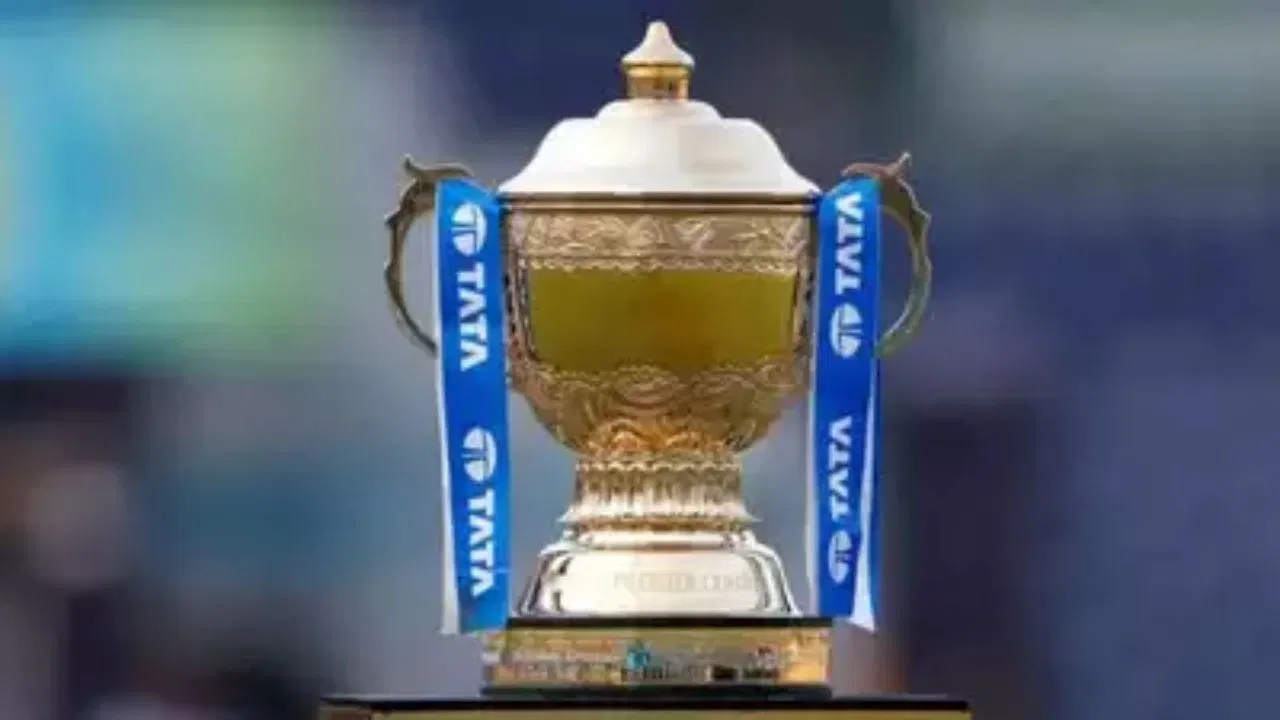
Ruturaj Gaikwad chosen to replace ‘captain’ Shubman Gill for Guwahati Test vs South Africa
India’s Batting Woes Deepen After Crushing Defeat in Kolkata
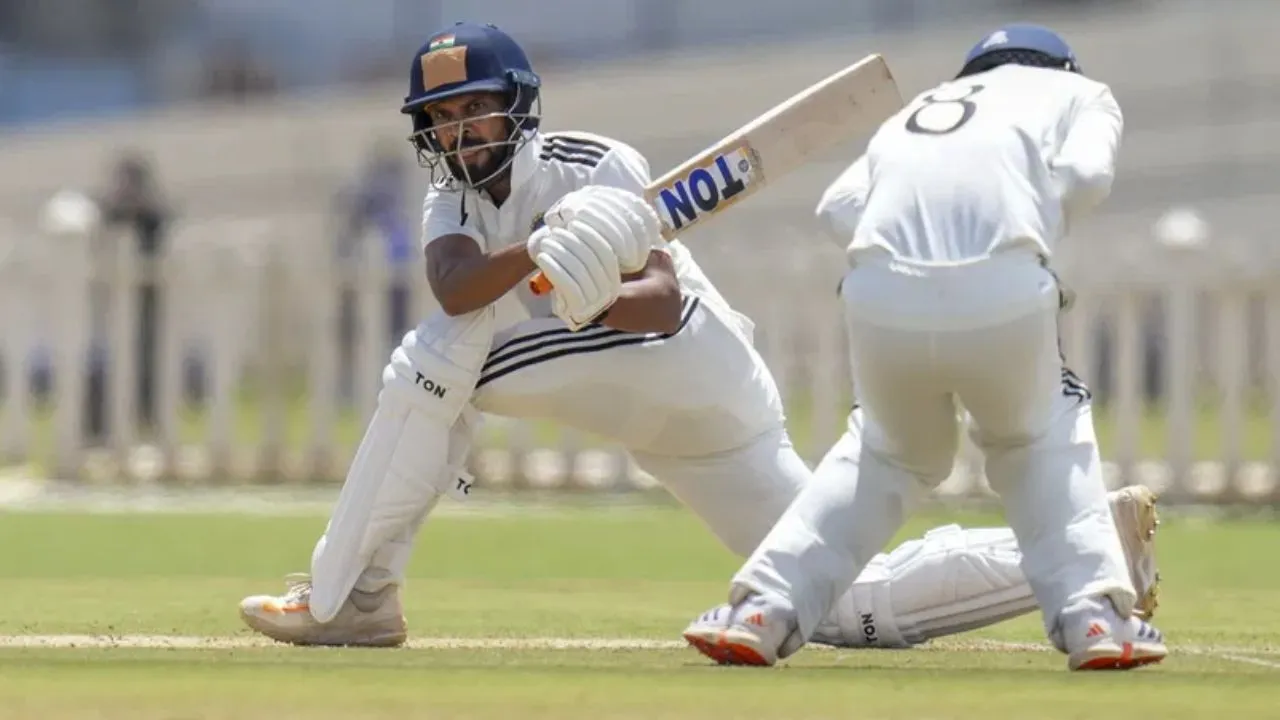
India’s cricket team is facing a major setback after their humiliating 30-run loss to South Africa in the first Test match in Kolkata. To add to their woes, Indian captain Shubman Gill suffered a neck spasm while playing a sweep shot and had to leave the field after facing just three balls. Gill’s collapse at the Eden Gardens forced him to undergo scans at the hospital, although he has since been discharged. However, his availability for the upcoming final Test in Guwahati remains uncertain.
Reevaluation of Strategy Post Kolkata Test Defeat
The defeat in Kolkata has forced India to rethink their strategy, especially regarding their batting line-up. With six left-handers in the team for the first Test, South Africa’s off-spinner Simon Harmer capitalized on this weakness, taking eight crucial wickets. The over-reliance on left-handers has left India vulnerable to spin attacks and has put their batting combination under scrutiny.
If Gill is unable to play in the final Test, India risks fielding seven left-handers, which could play into the hands of South African spinners in Guwahati. Former Indian cricketer Aakash Chopra has suggested including right-handed batter Ruturaj Gaikwad in the team to balance the line-up.
Aakash Chopra Advocates for Ruturaj Gaikwad’s Inclusion
Chopra believes that Gaikwad’s current form and right-handed batting style make him a suitable candidate to bolster India’s batting order. In a video on his YouTube channel, Chopra expressed his views on the matter, stating, “Should Ruturaj Gaikwad be selected in the Test team? You might be wondering how he can be selected, as the team is already chosen, and no changes have been made. With uncertainty surrounding Shubman Gill’s availability, Gaikwad could be a crucial addition to the team.”
Highlighting Gaikwad’s proficiency in the middle order and his ability to handle pressure situations, Chopra emphasized the need for a balanced batting line-up in the upcoming Test match. Gaikwad’s impressive performance in T20Is at the Guwahati ground further strengthens his case for inclusion in the team.
Chopra concluded by praising Gaikwad’s recent form in domestic cricket, stating, “He is in excellent form, consistently scoring runs for India A in white-ball cricket. Despite not featuring in red-ball cricket for India A, his performances in tournaments like the Ranji Trophy and the Duleep Trophy have been exceptional.”
As India prepares for the final Test against South Africa, the team management will have to make crucial decisions regarding their batting line-up to overcome the challenges posed by the opposition. The inclusion of Ruturaj Gaikwad could provide the much-needed balance and stability to India’s struggling batting order.
The Impact of Captaincy on India’s Batting Woes
Another factor contributing to India’s batting struggles could be the pressure on stand-in captain KL Rahul. Following regular captain Virat Kohli’s absence due to personal reasons, Rahul has been thrust into a leadership role, which may be affecting his performance with the bat. The added responsibility of decision-making and managing the team could be hindering Rahul’s focus on his batting, leading to inconsistencies in his form.
Rahul’s performance as captain in the Kolkata Test was underwhelming, and his dismissal for a duck in the second innings highlighted his struggles at the crease. The burden of leading the team in a crucial series against South Africa while also trying to perform as a top-order batsman may be taking a toll on Rahul’s mental and physical capabilities.
Addressing Mental Resilience and Technique in Batting
Aside from the composition of the batting line-up, India’s players may also need to work on their mental resilience and technique to counter the challenges posed by the South African bowlers. The pressure of performing in high-stakes Test matches can impact a player’s mindset and decision-making on the field.
India’s batting unit will need to focus on building partnerships, rotating the strike effectively, and adapting to different bowling conditions to succeed in the final Test against a formidable South African bowling attack. Improving their shot selection, footwork, and patience at the crease could be crucial in negating the threat posed by spinners like Simon Harmer and pacers like Kagiso Rabada.
Team Selection and Rotation Policy for Long-Term Success
Looking beyond the final Test against South Africa, India’s team management may need to consider a rotation policy to ensure the longevity and sustainability of their players. Given the packed cricketing calendar and the physical demands of the sport, managing player workloads and providing opportunities for emerging talents like Ruturaj Gaikwad could be beneficial in the long run.
Striking a balance between experienced players and promising youngsters will be essential for India’s success in international cricket. The inclusion of fresh faces in the squad can inject energy and dynamism into the team while also preparing them for future challenges and transitions in the playing XI.
Conclusion
In conclusion, India’s batting shortcomings in the wake of their defeat in Kolkata against South Africa highlight the need for strategic adjustments, mental resilience, and a balanced team composition. As they gear up for the final Test in Guwahati, the Indian team will have to make tough decisions regarding their line-up and approach to counter the opposition’s strengths effectively.
By addressing the challenges of captaincy, mental fortitude, and player rotation, India can work towards building a cohesive and competitive team capable of overcoming setbacks and achieving success in Test cricket. The final Test against South Africa presents an opportunity for India to regroup, learn from their mistakes, and showcase their determination to bounce back stronger in the series.
Latest News
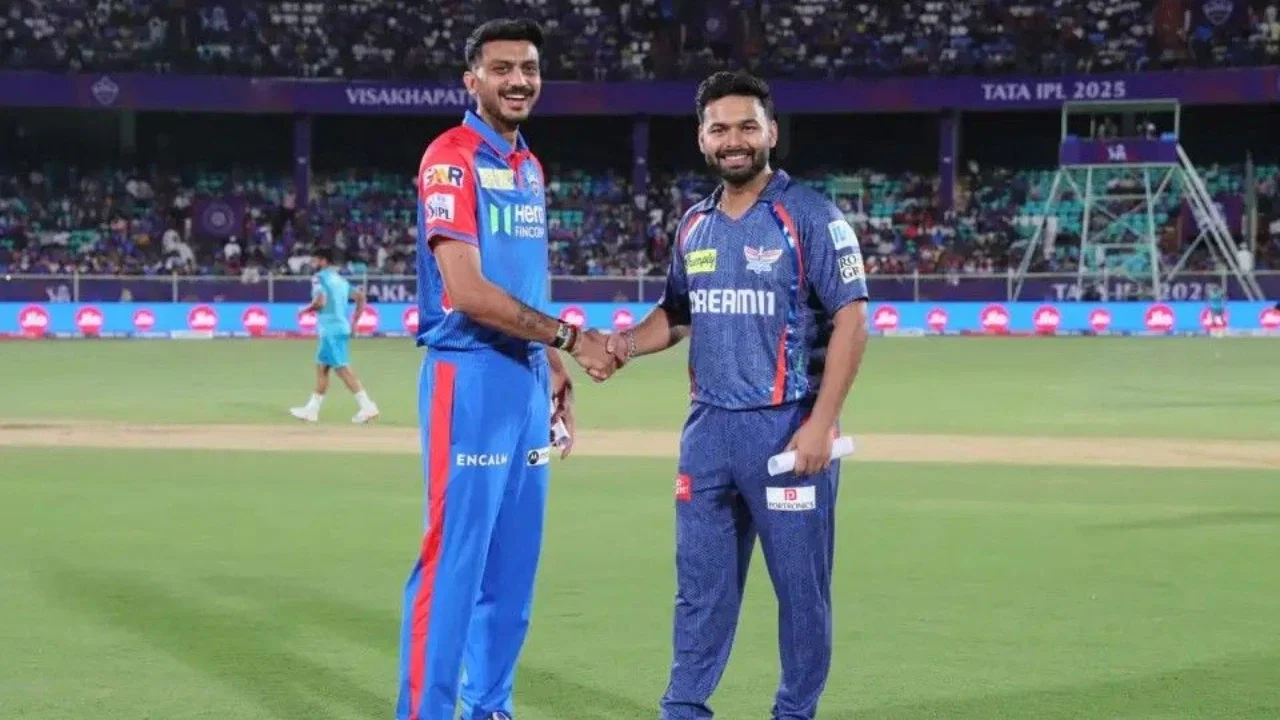
LSG vs DC Match No. 5 Preview: Free Live Streaming, Pitch & Weather Report, Head-to-Head | IPL 2026
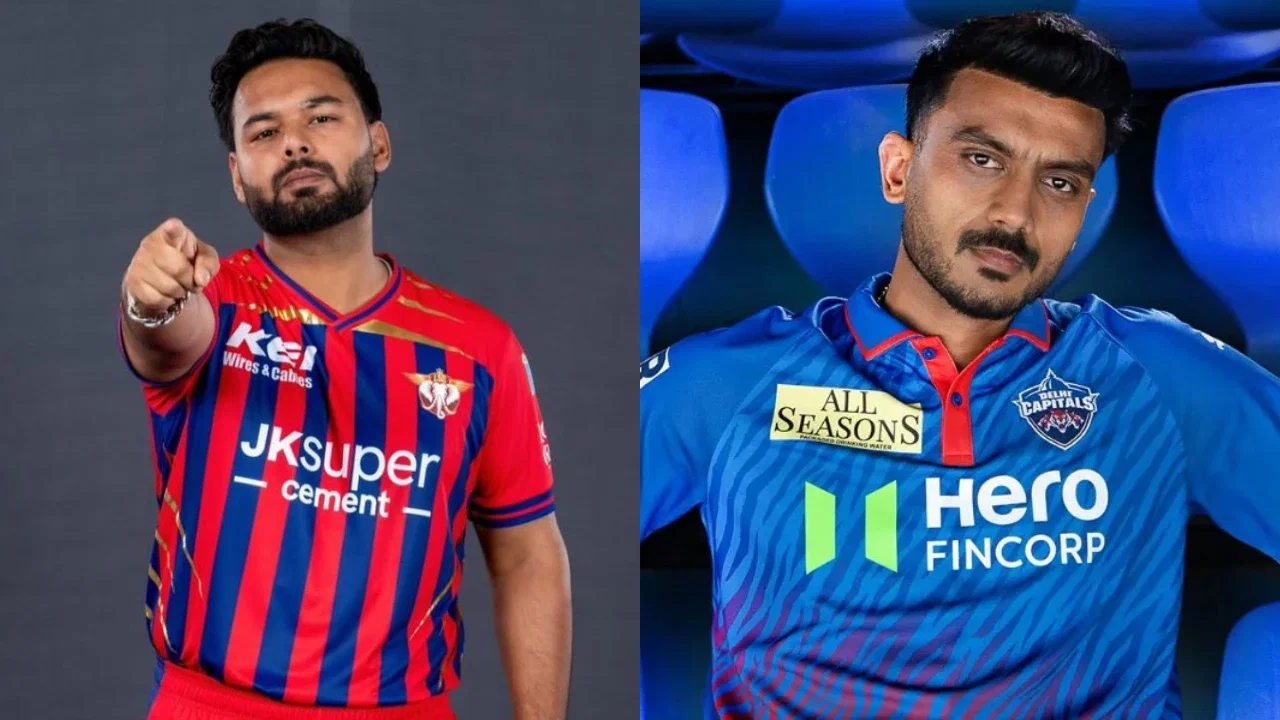
LSG vs DC Match Prediction – Who Will Win Match No.5? | IPL 2026
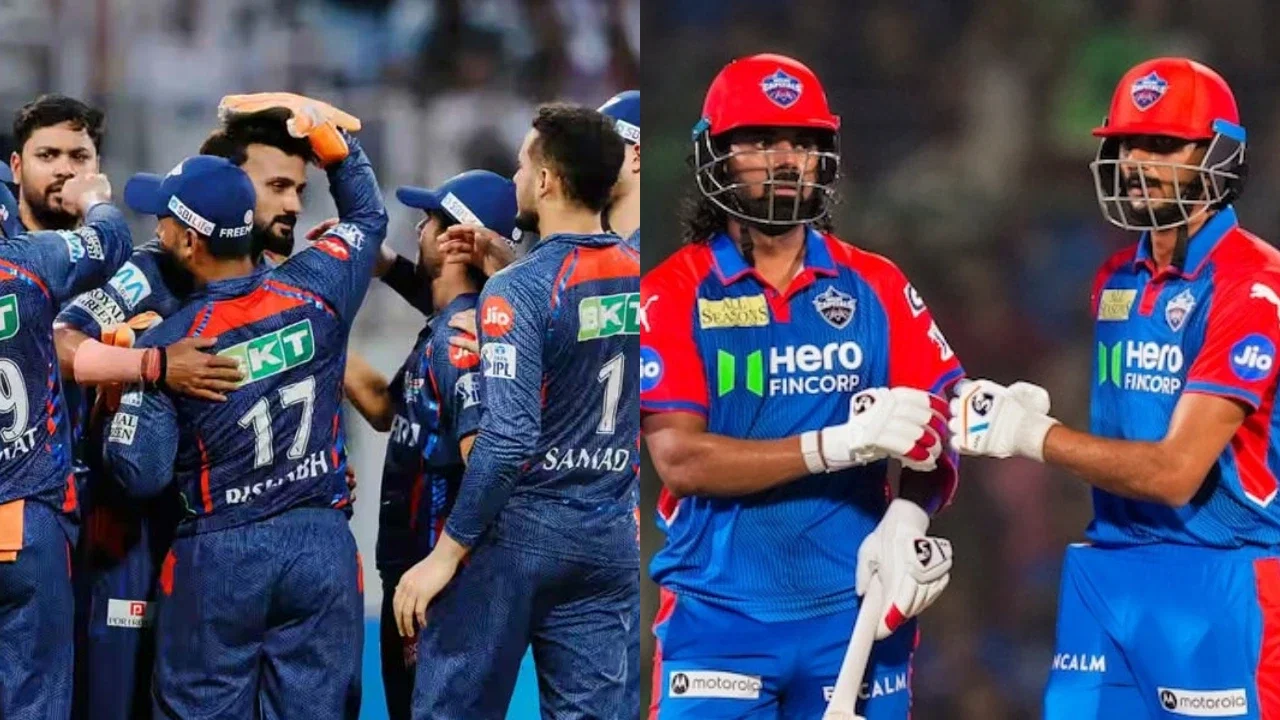
LSG Playing XI vs DC Playing XI – Match No. 5 | IPL 2026
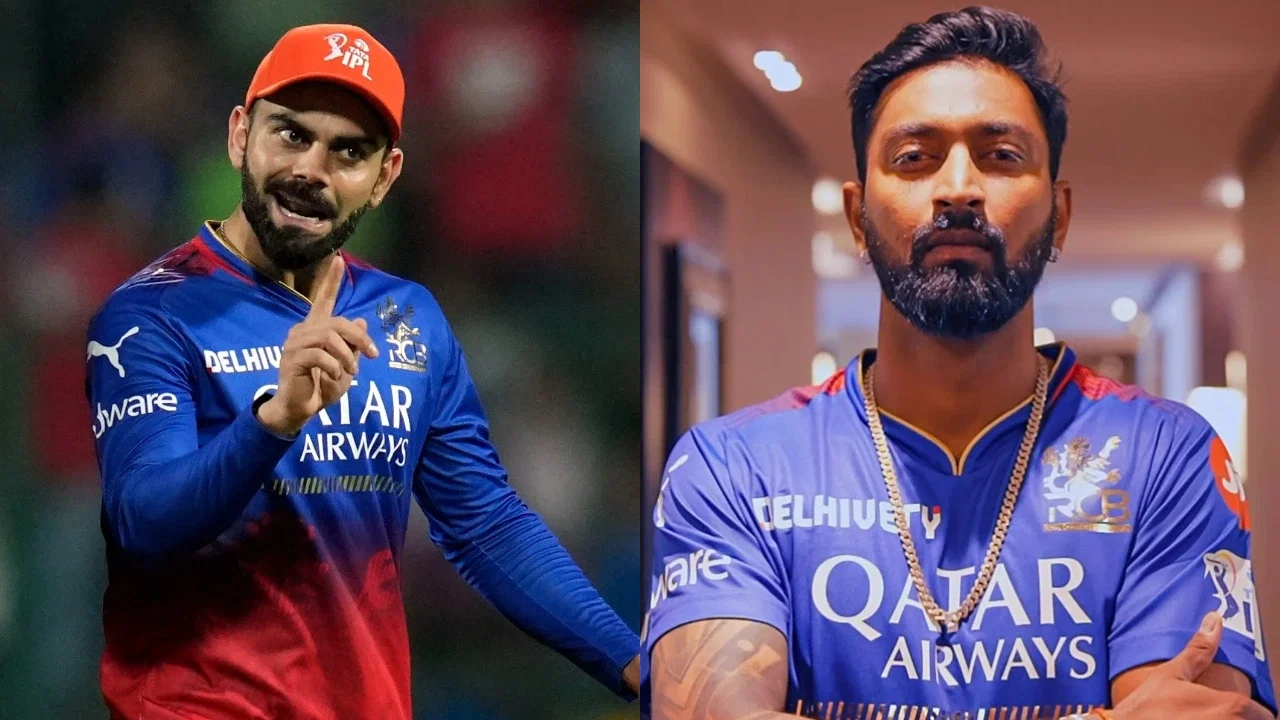
Krunal Pandya breaks silence on India snub, opens up on Virat Kohli
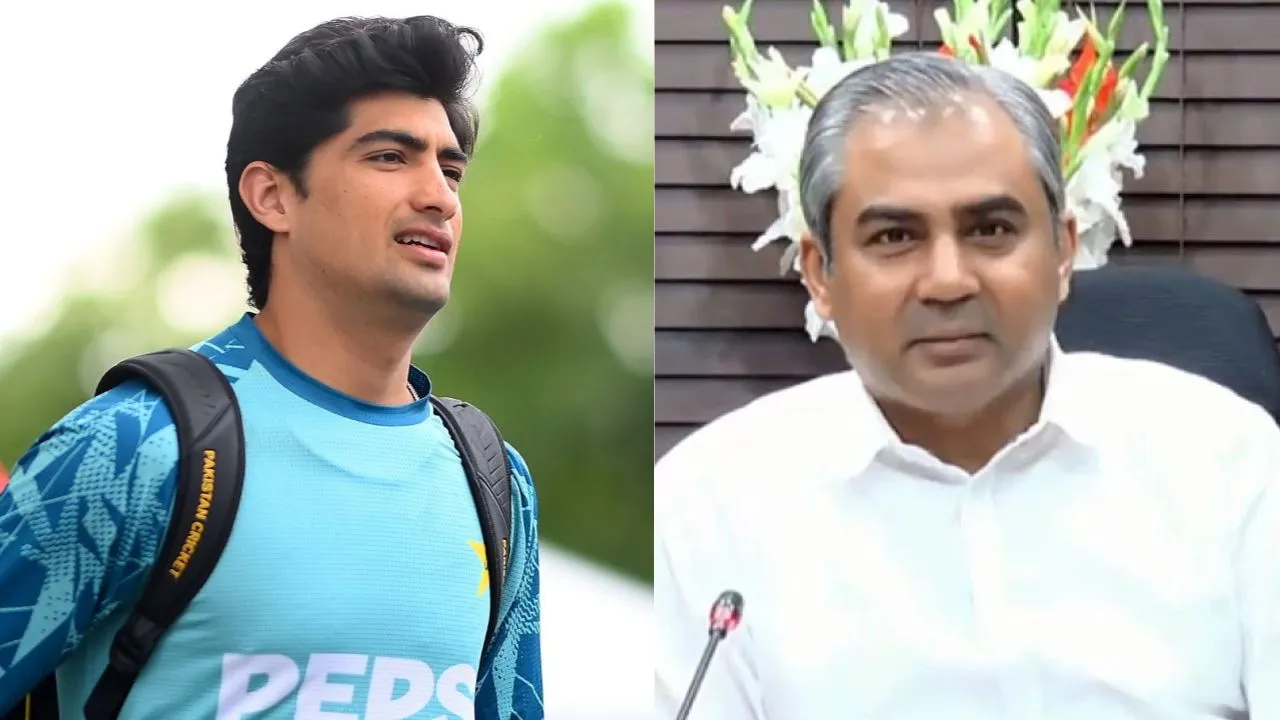
Mohsin Naqvi enforces new social media rules for Pakistan players following Naseem Shah incident
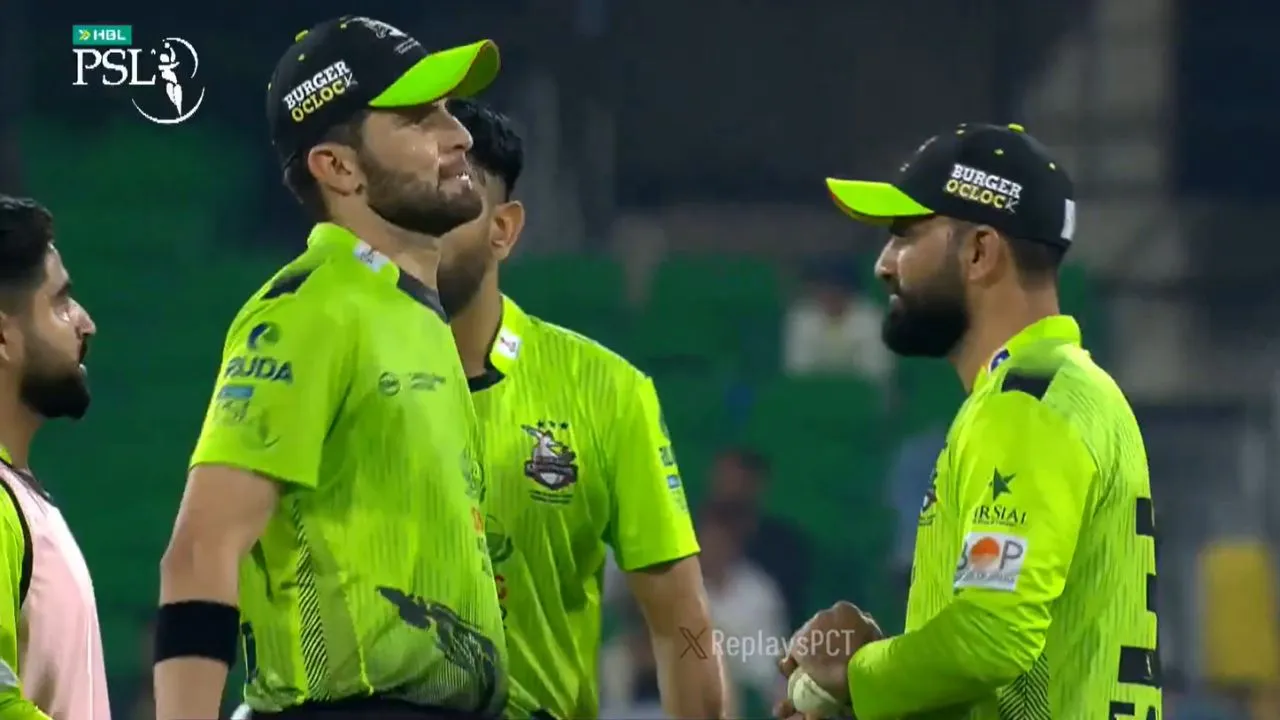
Fakhar Zaman officially handed cricket ban after PSL 2026 ball-tampering controversy
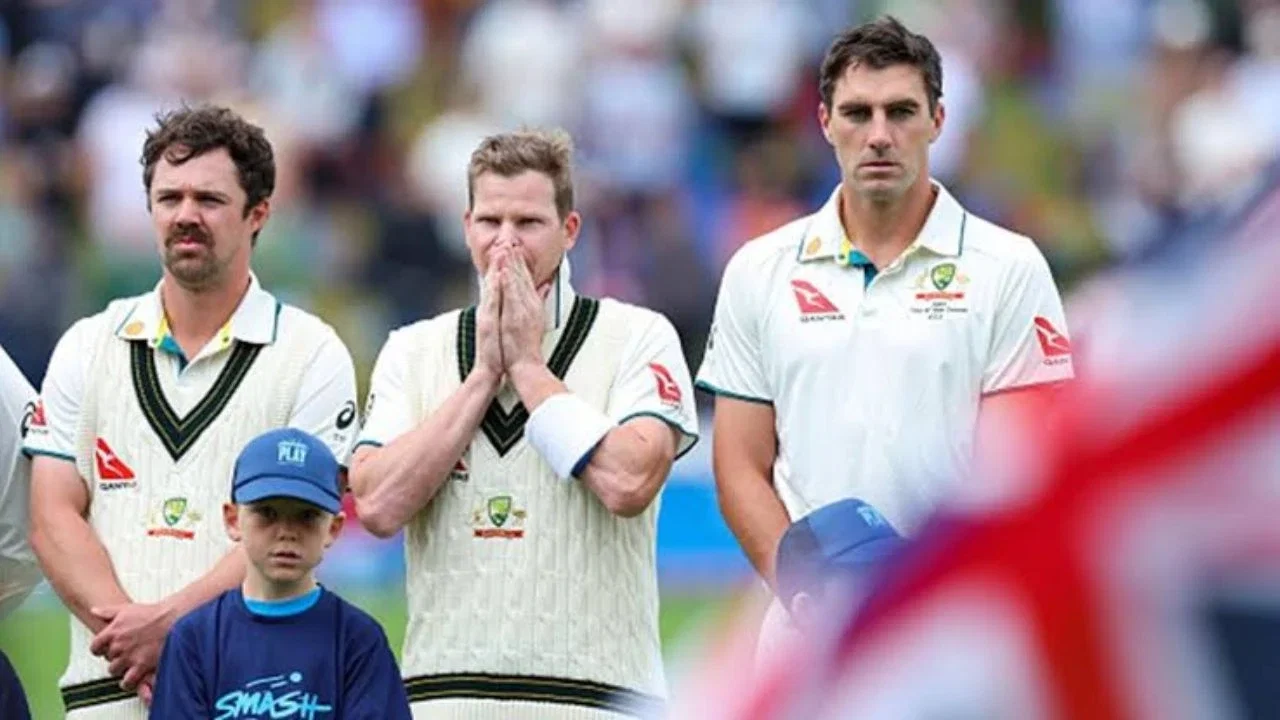
Pat Cummins forces Cricket Australia to slash central contracts list to secure premium deal
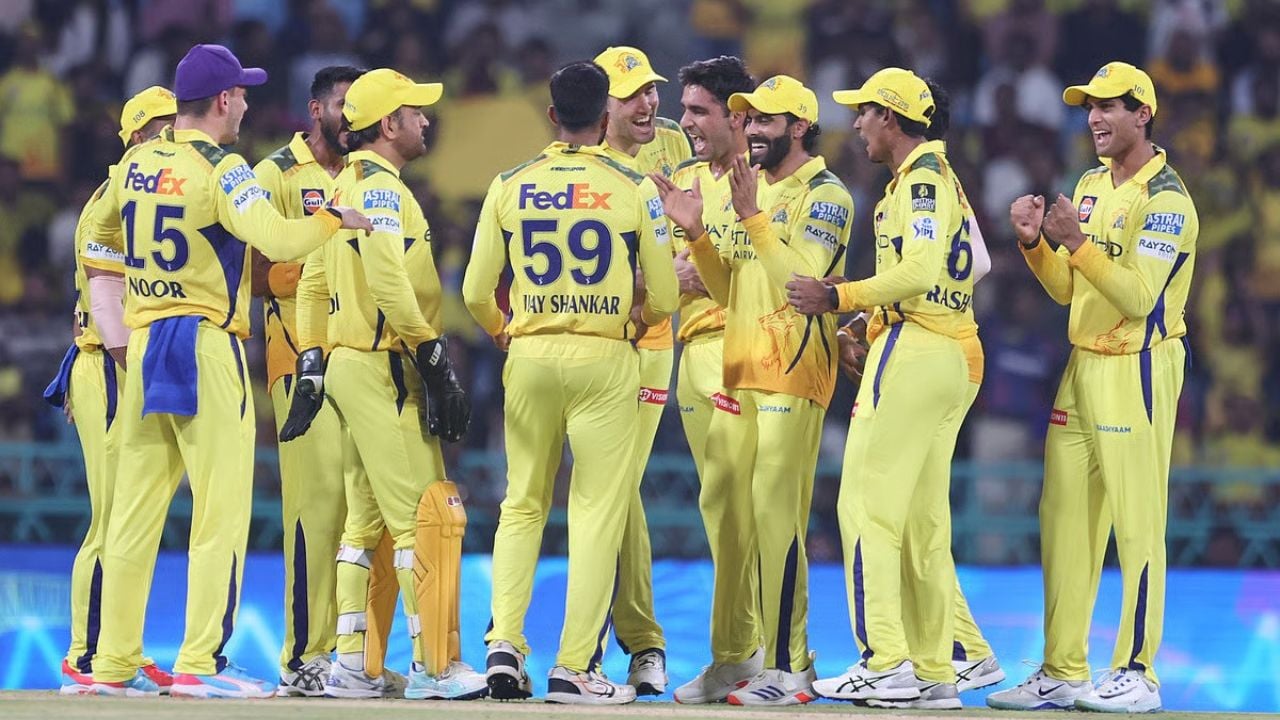
CSK’s big promise to players revealed amid IPL 2026: “Whatever BCCI offers, we’ll double it”
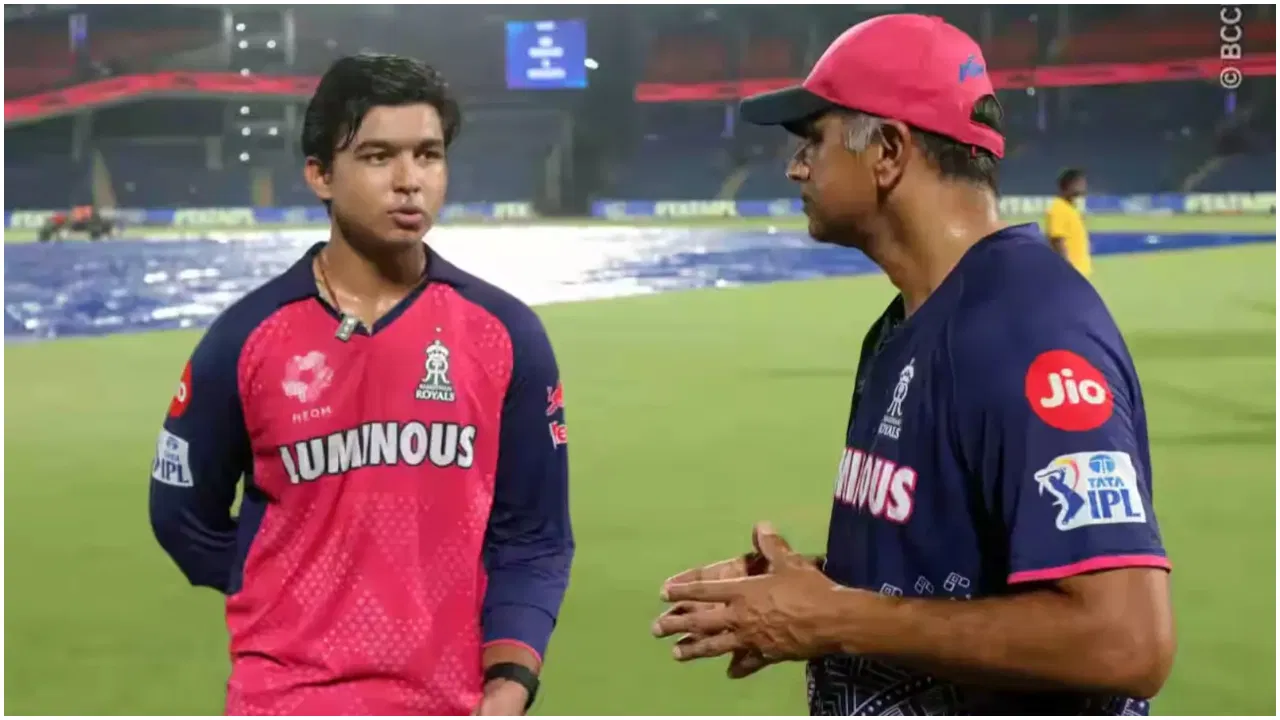
Ravichandran Ashwin rules out Vaibhav Sooryavanshi’s India call-up
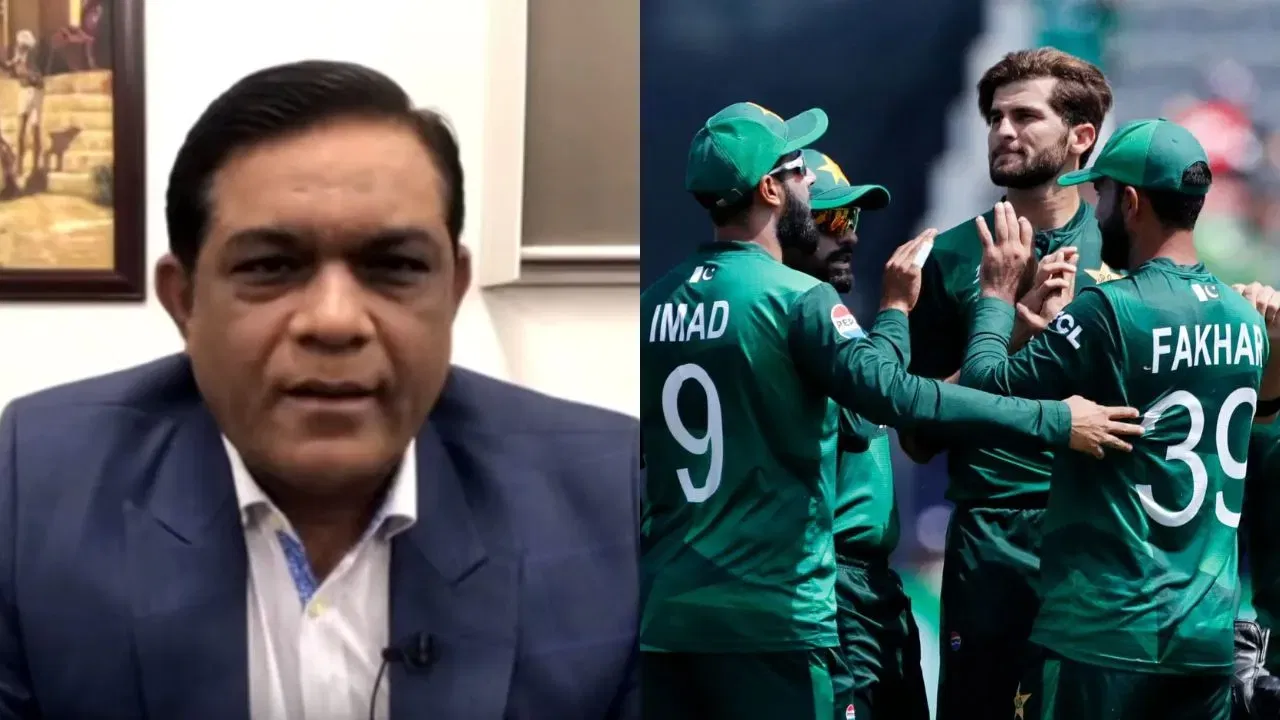
Rashid Latif claims PSL ball-tampering row was deliberately created for attention amid IPL rivalry
Mohammed Shami breaks silence on retirement buzz after India snub; has special message for LSG
Mohammed Shami reveals IPL 2026 Top 4, leaves out five-time champions
Mohammed Shami hits back at Ravichandran Ashwin over LSG’s poor IPL 2026 prediction
Riyan Parag mocked Sanju Samson? Batter’s muscle-flex celebration after sensational 6 vs CSK goes viral