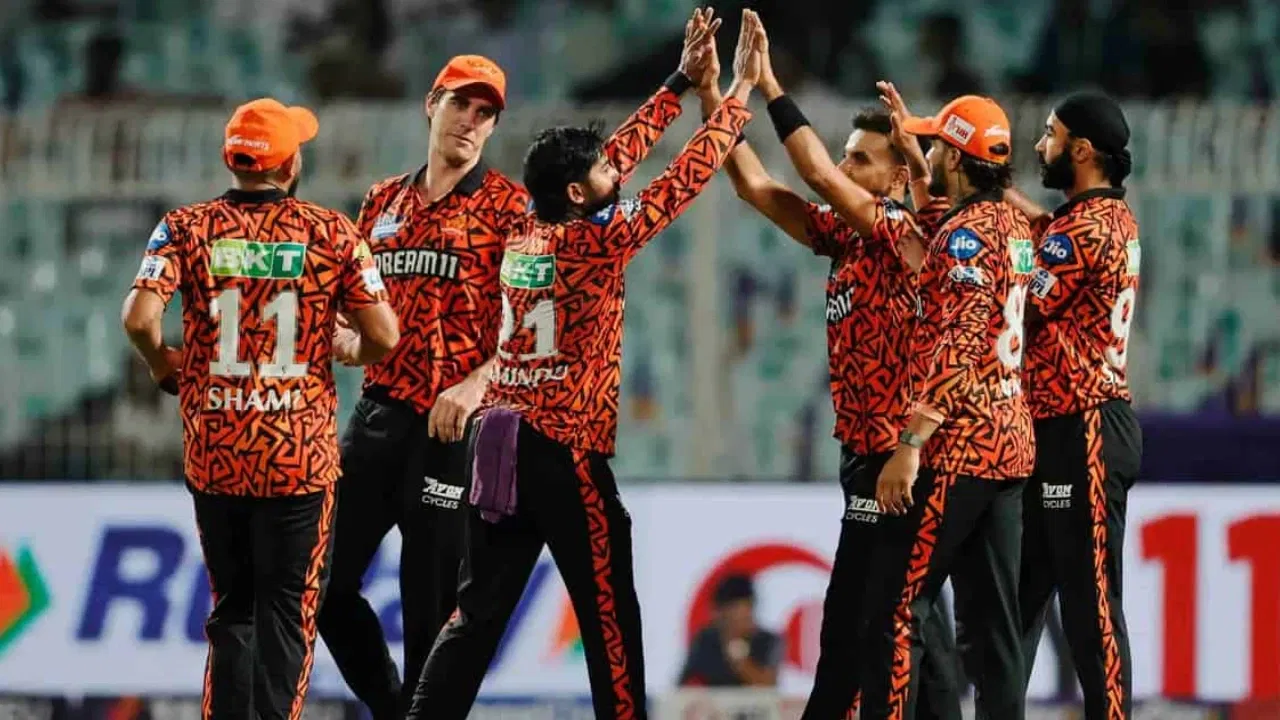
Sahibzada Farhan named new Pakistan captain after breaking Virat Kohli’s record
Pakistan Cricket Board Considers Leadership Changes After T20 World Cup Exit
Pakistan Cricket Board (PCB) chairman Mohsin Naqvi is reportedly planning to shake up the team’s leadership following their disappointing exit from the T20 World Cup 2026. The decision comes after Pakistan failed to qualify for the semi-finals of the tournament, sparking discussions about potential changes in captaincy and strategy.
Salman Ali Agha Under Scrutiny
Salman Ali Agha, who served as the T20I captain during the tournament, is facing scrutiny after Pakistan’s fourth consecutive semifinal miss in ICC events. Despite a hard-fought victory over Sri Lanka in their final group game, Pakistan’s net run rate was not sufficient to advance to the next stage. Agha’s performance as both a batsman and captain has come under fire, with fans and experts criticizing his decision-making on the field.
Former cricketers, including Mohammad Hafeez, Basit Ali, Ahmed Shehzad, Mohammad Amir, and Shoaib Akhtar, have raised concerns about Pakistan’s leadership and tactics. In response to the debate over the captaincy, Rashid Latif has suggested that Sahibzada Farhan could be the next candidate to lead the team in T20Is and ODIs.
Sahibzada Farhan Shines Despite Pakistan’s Exit
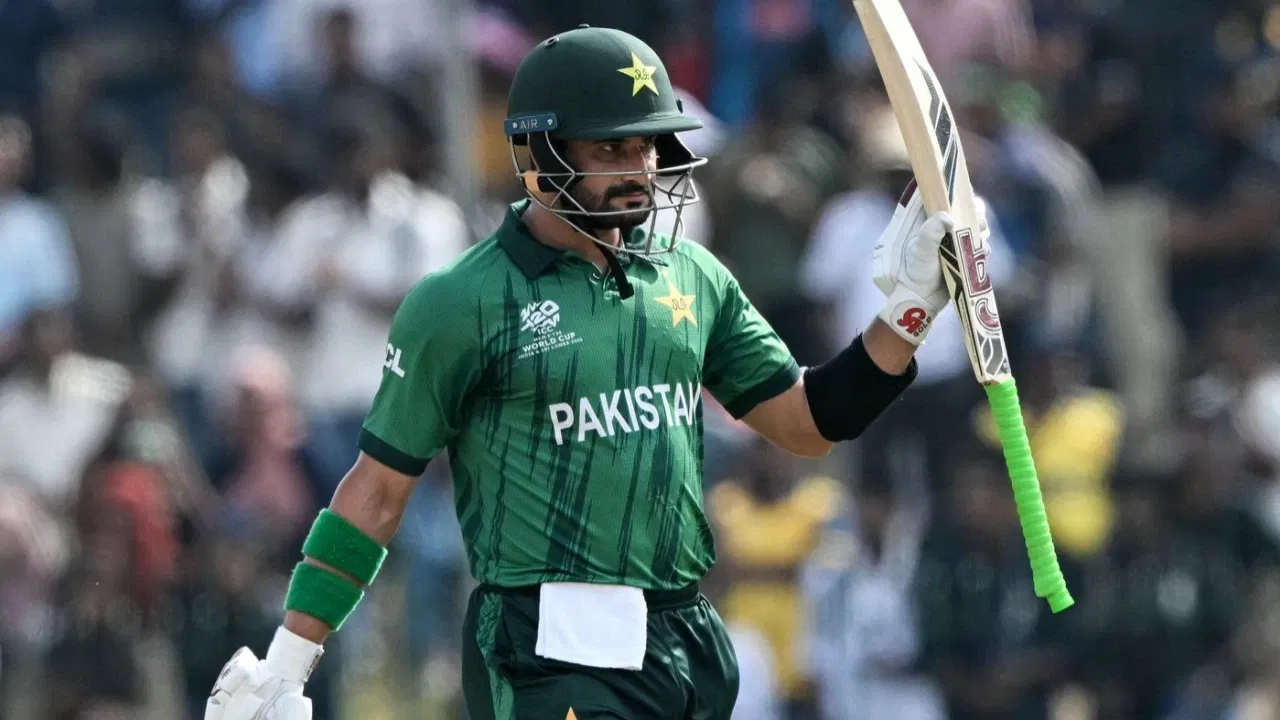
While Pakistan’s T20 World Cup campaign ended in disappointment, opener Sahibzada Farhan emerged as a standout performer, breaking the record for the most runs in a single edition of the tournament. Farhan’s impressive tally of 383 runs surpassed Virat Kohli’s previous record of 319 runs set in 2014.
Throughout the competition, Farhan showcased his consistency with strong performances against teams like the Netherlands, USA, and Namibia. His highlight reel includes a century against Namibia and a crucial innings against England. Farhan’s batting prowess and ability to deliver under pressure have caught the attention of fans and cricket experts alike.
Looking Ahead: Changes on the Horizon
As PCB evaluates the team’s performance and looks towards future tournaments, discussions are underway about potential changes in leadership and strategy. With Sahibzada Farhan’s impressive showing in the T20 World Cup, there is growing anticipation around his role in guiding Pakistan’s white-ball team forward.
While the disappointment of missing out on the T20 World Cup semifinals lingers, Pakistan cricket fans are hopeful that the upcoming changes will usher in a new era of success for the national team. The spotlight is now on the PCB’s decision-makers as they navigate the path ahead for Pakistan cricket.
Analysis of Pakistan’s T20 World Cup Performance
Despite the disappointment of Pakistan’s early exit from the T20 World Cup, there were several positive aspects to take away from their campaign. The emergence of young talents like Sahibzada Farhan indicates a promising future for Pakistan cricket. While the team faced setbacks, including close losses to powerhouse teams like India and Australia, they showed resilience and potential for growth.
One key area of improvement for Pakistan lies in their middle-order batting. In crucial moments, the team struggled to capitalize on strong starts provided by their top order. Addressing this issue will be crucial moving forward, as a more stable and reliable middle-order could make a significant difference in close matches.
The Role of Data and Analytics in Cricket
With the increasing use of data and analytics in modern cricket, teams have access to a wealth of information that can inform strategic decisions. By analyzing player performance, opposition strengths and weaknesses, pitch conditions, and other factors, teams can make more informed choices in terms of team selection, batting order, and bowling tactics.
Integrating data analytics into Pakistan’s cricketing strategy could provide valuable insights into areas for improvement and help optimize the team’s performance. By harnessing the power of data, Pakistan could enhance their decision-making process and adapt more effectively to different match situations.
The Importance of Consistency in Leadership
When considering changes in team leadership, it is essential to prioritize consistency and stability. While fresh perspectives and new leadership can bring innovation and energy to a team, abrupt changes can also disrupt the team dynamic and chemistry. Therefore, the PCB must carefully weigh the potential benefits of new leadership against the importance of continuity and long-term planning.
Building a strong leadership core that can guide the team through both successes and setbacks is crucial for sustained success in international cricket. While addressing any shortcomings in the current leadership setup is important, maintaining a balance between stability and evolution will be key in shaping Pakistan’s future cricketing endeavors.
Conclusion
As Pakistan Cricket Board deliberates on potential leadership changes and strategic shifts in the wake of their T20 World Cup exit, the focus remains on building a competitive and resilient team for future competitions. The performances of players like Sahibzada Farhan offer a glimmer of hope for Pakistan’s cricketing future, signaling the emergence of new talents who can carry the team forward.
With the right blend of experience, talent, and strategic planning, Pakistan has the potential to bounce back from their recent disappointments and make a mark on the international cricketing stage. As fans eagerly await the next chapter in Pakistan cricket, the stage is set for a period of reflection, renewal, and growth within the national team.
Latest News
‘I’m not carrying that baggage, but Virat Kohli…’: RCB boss makes huge statement ahead of IPL 2026
MS Dhoni set to return as CSK captain for his last IPL season?
‘Rohit Sharma is good enough to be part of Indian T20I team’: MS Dhoni’s ex-teammate’s big remark
3 RCB players who could struggle in IPL 2026 – ft Venkatesh Iyer
3 RCB players who could struggle in IPL 2026 – ft Venkatesh Iyer
3 MI players who could struggle in IPL 2026 – ft Rohit Sharma
3 CSK players who could struggle in IPL 2026 – ft MS Dhoni
3 KKR players who could struggle in IPL 2026 – ft Ajinkya Rahane
3 SRH players who could struggle in IPL 2026 – ft Liam Livingstone

3 DC players who could struggle in IPL 2026 – ft Mitchell Starc

3 RR players who could struggle in IPL 2026 – ft Jofra Archer
IPL suffers big setback! Media rights value expected to plateau despite huge popularity
‘Most of ECB hierarchy should be sacked’: England legend blasts decision to retain Brendon McCullum
Yash Dayal remains under RCB contract but won’t play IPL 2026 amid legal case