

Salman Agha ‘desperate’ for handshake with India, issues big warning to Suryakumar Yadav before Asia Cup final
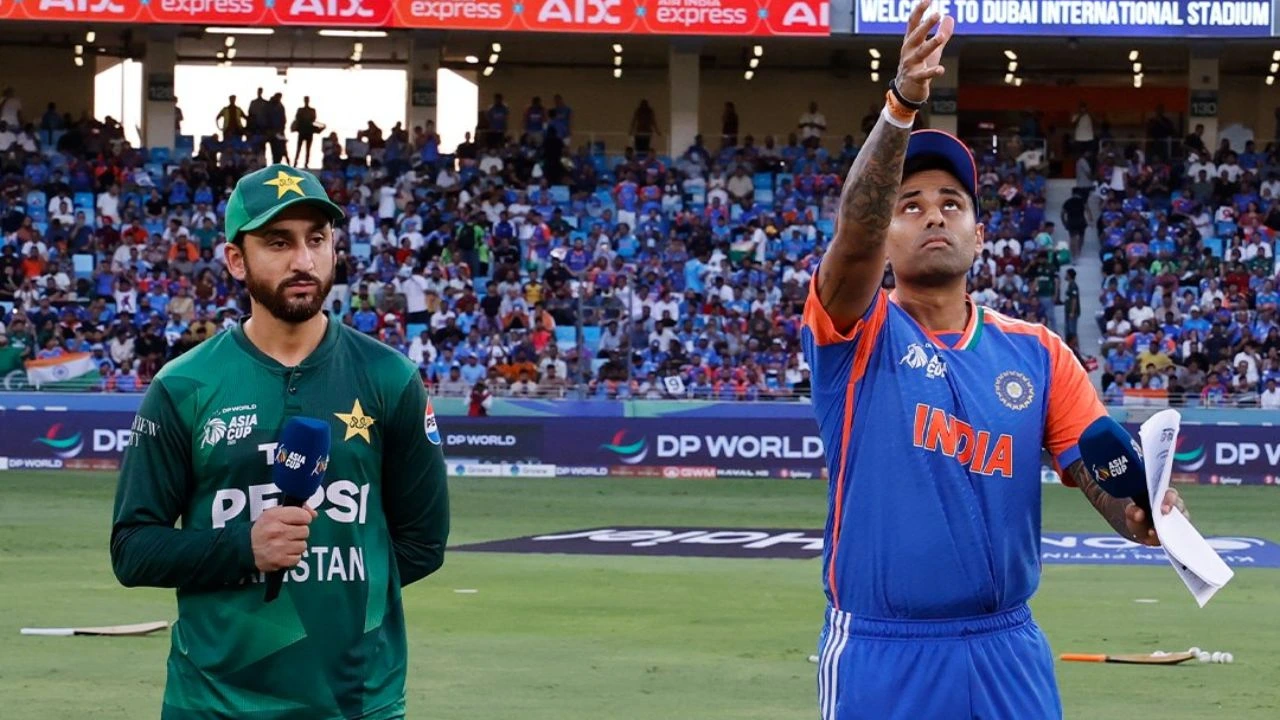
Pakistan National Cricket Team captain Salman Agha recently shared his thoughts on the no-handshake policy adopted by the India National Cricket Team during the Asia Cup 2025, sparking controversy and animosity between the two cricketing nations.
In an unprecedented move, the India National Cricket Team, led by Suryakumar Yadav, refused to shake hands with the Men In Green before and after their matches in the Asia Cup 2025. The first instance of this no-handshake policy occurred during the Group Stage match when Suryakumar Yadav neglected to greet Salman Agha at the toss. Following India’s 7-wicket victory, the Indian players did not extend their hands for the customary post-match handshake, leaving the Pakistan players waiting outside their dressing room.
This controversial decision led to the Pakistan Cricket Board (PCB) filing an official complaint with the International Cricket Council (ICC), citing match referee Andy Pycroft for the incident and demanding his removal. However, the ICC dismissed the claim, leaving tensions high between the two cricketing nations.
The no-handshake policy continued during the Super Four match between India and Pakistan, with Indian players once again ignoring the traditional gesture of sportsmanship. As both teams gear up to face each other in the Asia Cup 2025 final at the Dubai International Stadium on September 28, the no-handshake policy is likely to persist, adding a layer of intensity to the already highly anticipated match.
During a pre-match press conference, Salman Agha expressed his disappointment with the no-handshake incidents, emphasizing the importance of sportsmanship in cricket. Agha highlighted the longstanding tradition of teams shaking hands on the cricket field, regardless of the on-field rivalry or off-field tensions.
Agha also dismissed the comments made by the Indian media regarding the no-handshake controversy, stating that the focus should remain on the game itself rather than external distractions. He acknowledged the pressure both teams would face in the final and assured fans that Pakistan would give their all to emerge victorious against India.
Looking ahead to the final match, Agha hinted at a possible turnaround in Pakistan’s batting performance, suggesting that the team may have saved their best for the most crucial stage of the tournament. With both teams aiming for glory in the Asia Cup 2025 final, the clash between India and Pakistan promises to be a thrilling encounter filled with excitement and drama.
As cricket fans eagerly await the showdown between the arch-rivals, the no-handshake controversy continues to overshadow the on-field action, adding an extra layer of intrigue to what is sure to be a fiercely competitive final.
The Impact of the No-Handshake Policy on Cricketing Diplomacy
The no-handshake policy adopted by the India National Cricket Team has not only sparked controversy within the cricketing world but has also raised questions about the diplomatic relations between India and Pakistan. Cricket has long been seen as a vehicle for diplomacy between the two nations, with matches often serving as a platform for cultural exchange and goodwill. However, the recent incidents of players refusing to shake hands have strained these already fragile ties.
The no-handshake policy has brought the underlying tensions between India and Pakistan to the forefront, highlighting the deep-rooted rivalry that exists both on and off the cricket field. The refusal to engage in a simple gesture of sportsmanship has escalated the animosity between the players and fans, creating a hostile atmosphere that threatens to overshadow the spirit of the game.
In a time when political relations between India and Pakistan are strained, cricket has often been viewed as a means to bridge the gap and promote peace between the two nations. However, the no-handshake controversy serves as a stark reminder of the underlying issues that continue to divide these neighboring countries.
The International Cricket Council (ICC) plays a crucial role in maintaining the integrity of the sport and ensuring fair play among all teams. While the ICC dismissed Pakistan’s complaint regarding the no-handshake incidents, the governing body must address the broader implications of such behavior on the spirit of cricket and the diplomatic relations between nations.
As the cricketing world watches with bated breath, the Asia Cup 2025 final between India and Pakistan is not just a match between two teams but a reflection of the complex dynamics at play between these two cricketing giants. The outcome of the final will undoubtedly have far-reaching consequences beyond the boundaries of the cricket field, shaping the narrative of sportsmanship and diplomacy in the region.
While the no-handshake controversy has dominated headlines leading up to the final match, it is essential to remember the core values of cricket that promote respect, sportsmanship, and camaraderie among players. Regardless of the outcome of the match, both teams have a responsibility to uphold these values and set an example for future generations of cricketers.
In the midst of the tension and drama surrounding the no-handshake policy, it is crucial to remember the power of cricket to transcend borders and bring people together. As the Asia Cup 2025 final approaches, fans around the world hope that the spirit of the game will prevail, fostering a sense of unity and goodwill that extends beyond the cricket field.
As the two teams prepare to face off in the final showdown, the world will be watching to see not only who lifts the trophy but also how the players conduct themselves in the spirit of the game. The outcome of the match may fade with time, but the impact of the no-handshake controversy on cricketing diplomacy will continue to resonate for years to come.
Latest News
Rashid Latif claims PSL ball-tampering row was deliberately created for attention amid IPL rivalry
Mohammed Shami breaks silence on retirement buzz after India snub; has special message for LSG
Mohammed Shami reveals IPL 2026 Top 4, leaves out five-time champions
Mohammed Shami hits back at Ravichandran Ashwin over LSG’s poor IPL 2026 prediction
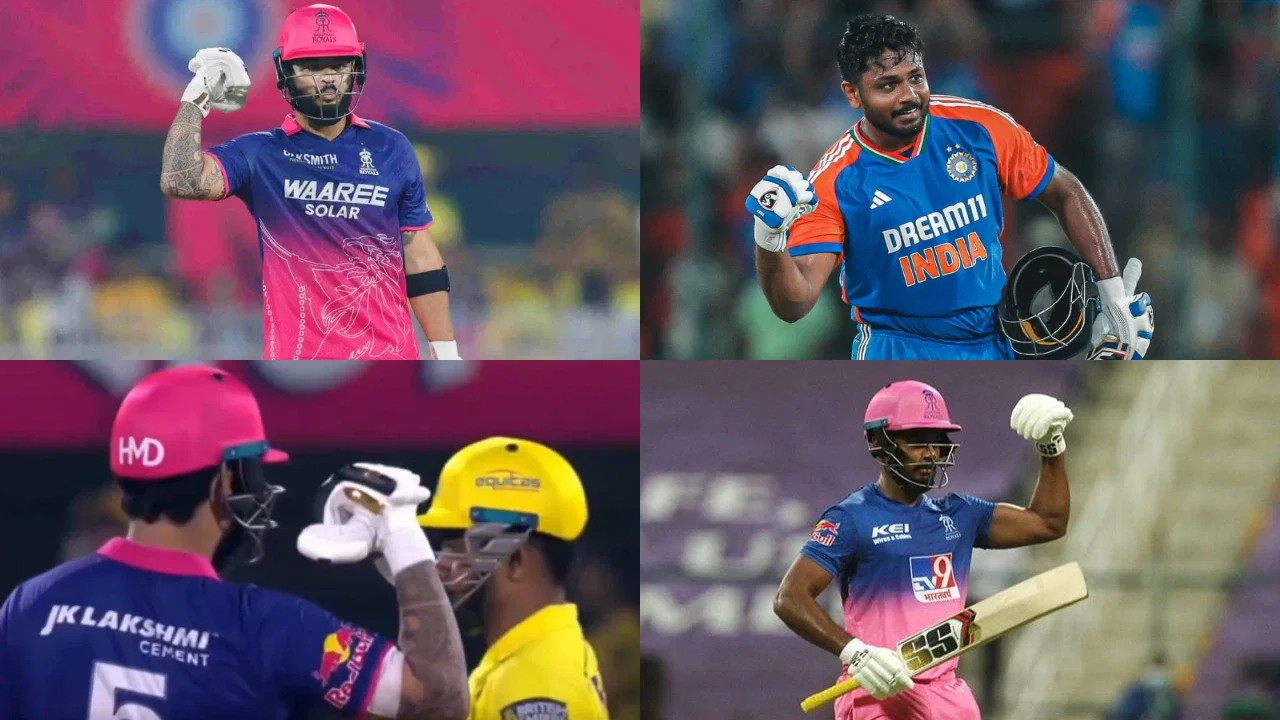
Riyan Parag mocked Sanju Samson? Batter’s muscle-flex celebration after sensational 6 vs CSK goes viral
IPL 2026 hit by tragedy! British broadcast engineer dies in Mumbai hotel room
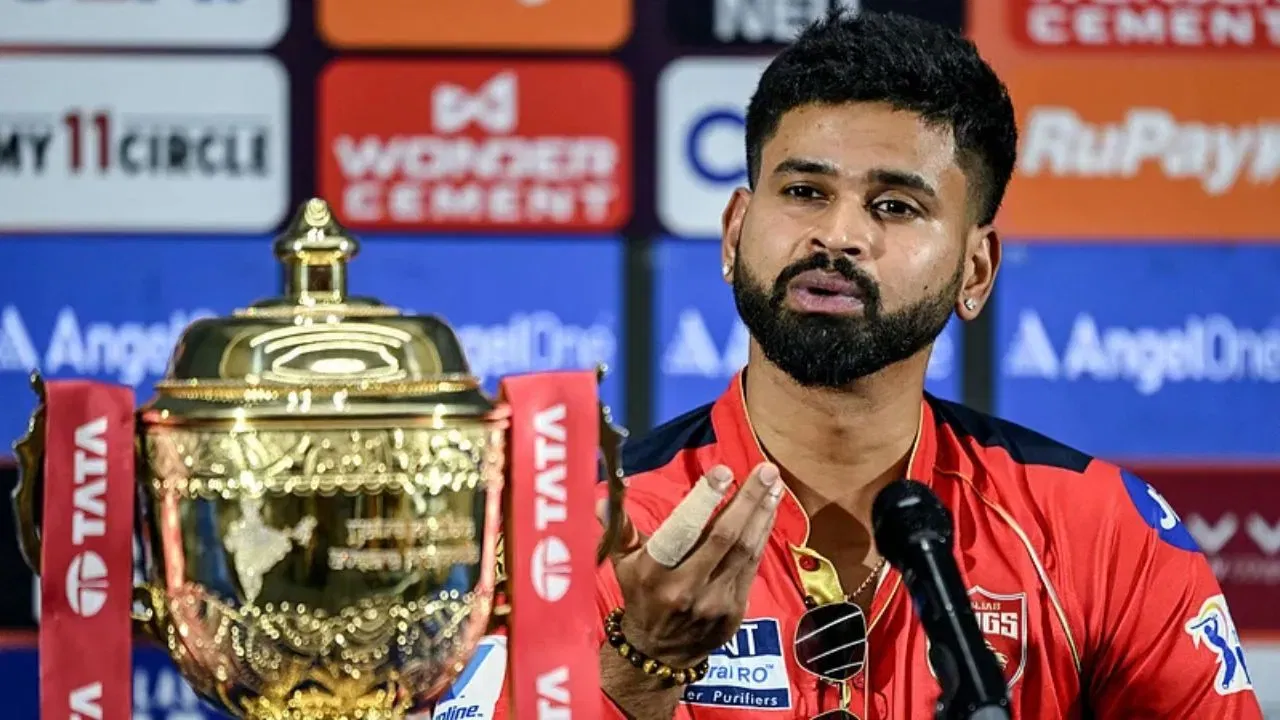
Brad Haddin reveals reality of Shreyas Iyer as captain
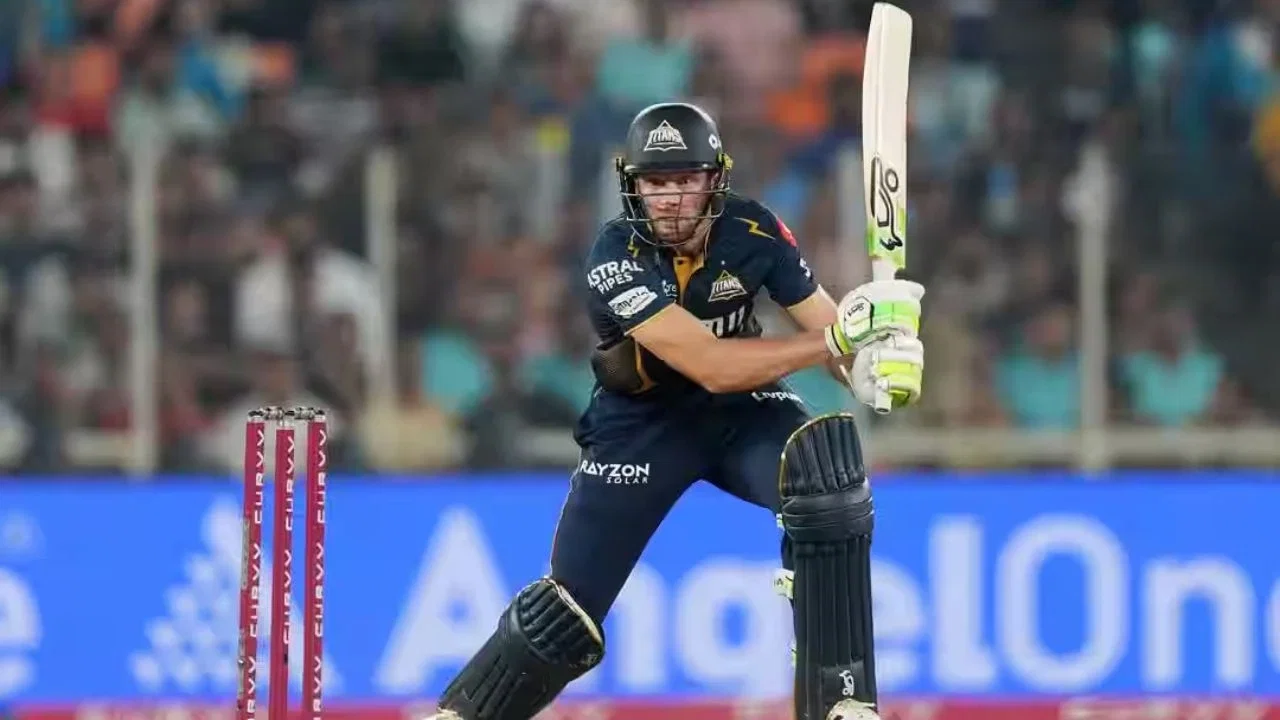
Jos Buttler set to dominate IPL 2026, thanks to Ashish Nehra
Ravindra Jadeja says he had no conversation with MS Dhoni after RR move
Mohsin Naqvi totally angry and stressed as PSL 2026 controversies escalate
Mohsin Naqvi saves Naseem Shah from two-year ban, shocking claim emerges after controversy
Michael Vaughan claims Vaibhav Sooryavanshi’s India call-up for England tour is confirmed
Ravindra Jadeja’s teary-eyed reaction goes viral after RR demolish CSK in IPL 2026 clash
New Zealand ODI and T20I squads for Bangladesh tour officially announced

