Salman Ali Agha begs Suryakumar Yadav to end handshake boycott in India vs Pakistan matches
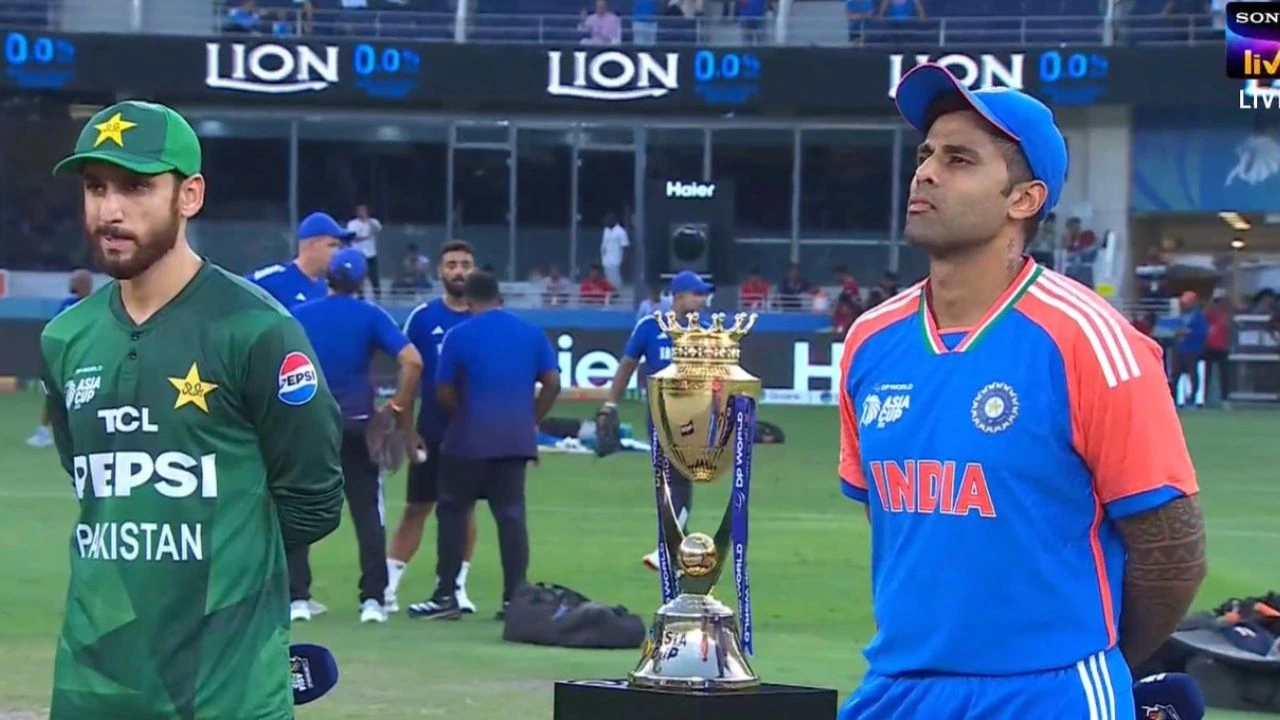
Pakistan Skipper Salman Ali Agha Speaks Out on Handshake Controversy
Pakistan’s captain, Salman Ali Agha, recently addressed the ongoing handshake controversies surrounding matches between India and Pakistan. The all-rounder expressed his concerns, stating that such actions are detrimental to the spirit of the game. He emphasized that cricketers serve as role models and should set a positive example on the field.
Opening Match Against the Netherlands
Pakistan is gearing up to face the Netherlands in their opening match of an upcoming tournament at the Sinhalese Sports Club in Colombo on Saturday, February 7. The pressure is on for the Men in Green, as a defeat could result in them being the first team eliminated from the 20-team ICC tournament within the first three hours.
If Pakistan wants to stay alive in the competition, they must secure victories in all their remaining group-stage matches. Reports have surfaced about Pakistan potentially boycotting their group match against India, adding more tension to the already heated rivalry between the two nations.
Salman Ali Agha’s Position in the T20 World Cup
Salman Ali Agha has confirmed that he will be batting at number three for Pakistan in the upcoming T20 World Cup, ahead of star batsman Babar Azam. This decision marks a significant change in Pakistan’s batting lineup, with Babar being pushed down to the number four position. During the recent home series against Australia, Babar also batted at number four.
Pakistan’s Decision to Boycott India Match
Amid ongoing tensions and security concerns, the Pakistan government has decided to boycott the match against India. This decision comes after Bangladesh was removed from the World Cup for refusing to play in India and requesting to move their matches to Sri Lanka due to security reasons.
The Pakistan government has accused the ICC of double standards and of overlooking security issues. India and Pakistan have a history of playing each other only at neutral venues in ICC events, as bilateral matches between the two countries are restricted due to political tensions.
In conclusion, Salman Ali Agha’s stance on the handshake controversy sheds light on the importance of sportsmanship in cricket. As Pakistan prepares to take on the Netherlands and make critical decisions regarding their batting lineup, all eyes will be on the Men in Green as they navigate through the challenges of the upcoming tournament.
The Impact of the Handshake Controversy on Cricket
The handshake controversy between India and Pakistan has sparked a broader conversation about sportsmanship in cricket. As the two nations have a long-standing rivalry on the field, gestures like handshakes have been scrutinized for their potential to escalate tensions. In a sport where camaraderie and mutual respect are vital, actions like refusing handshakes can have lasting implications beyond the game.
Salman Ali Agha’s comments highlight the need for cricketers to uphold the values of fair play and respect, regardless of the intense competition between teams. As role models for aspiring young athletes, players like Agha play a crucial role in shaping the perception of the game and fostering a spirit of sportsmanship that transcends boundaries.
Strategies for Success in the Upcoming Tournament
As Pakistan prepares to face the Netherlands in a crucial match, strategic planning and execution will be key to their success. With the pressure of potential elimination looming, the team must focus on cohesive teamwork, adaptability, and mental resilience to overcome challenges on the field.
Additionally, the decision to boycott the match against India adds another layer of complexity to Pakistan’s tournament strategy. By navigating through political tensions and security concerns, the team must remain focused on their performance and maintain a competitive edge against their opponents.
Babar Azam’s Adaptation to the Number Four Position
With Salman Ali Agha set to bat at number three in the upcoming T20 World Cup, the spotlight is on Babar Azam’s adjustment to the number four position. As a key player in Pakistan’s batting lineup, Azam’s flexibility and versatility will be put to the test as he navigates through the changing dynamics of the team’s strategy.
By embracing this new role and showcasing his prowess at number four, Babar Azam has the opportunity to demonstrate his adaptability and contribute significantly to Pakistan’s success in the tournament. His performance in this position could potentially reshape Pakistan’s batting strategy and unlock new opportunities for the team.
Political Implications of the Pakistan-India Match Boycott
The decision to boycott the match against India due to security concerns has far-reaching political implications for both countries. As cricket serves as a platform for diplomatic relations and cultural exchange, the absence of a highly anticipated match between India and Pakistan underscores the complex geopolitical landscape in which sports operate.
By highlighting the challenges of hosting international matches in regions with political tensions, the boycott decision sheds light on the delicate balance between sports, security, and diplomacy. As teams navigate through these complexities, the importance of ensuring the safety and well-being of players and spectators remains paramount.
In conclusion, the handshake controversy and subsequent developments in Pakistan’s tournament strategy underscore the multifaceted nature of cricket as a sport that transcends boundaries and captures the essence of global competition. As teams navigate through challenges on and off the field, the spirit of sportsmanship and camaraderie must prevail to uphold the integrity of the game.
Latest News
RCB suffer huge blow! SLC blocks Nuwan Thushara’s IPL 2026 participation
Border-Gavaskar Trophy 2027 schedule announced; Ahmedabad among five venues selected
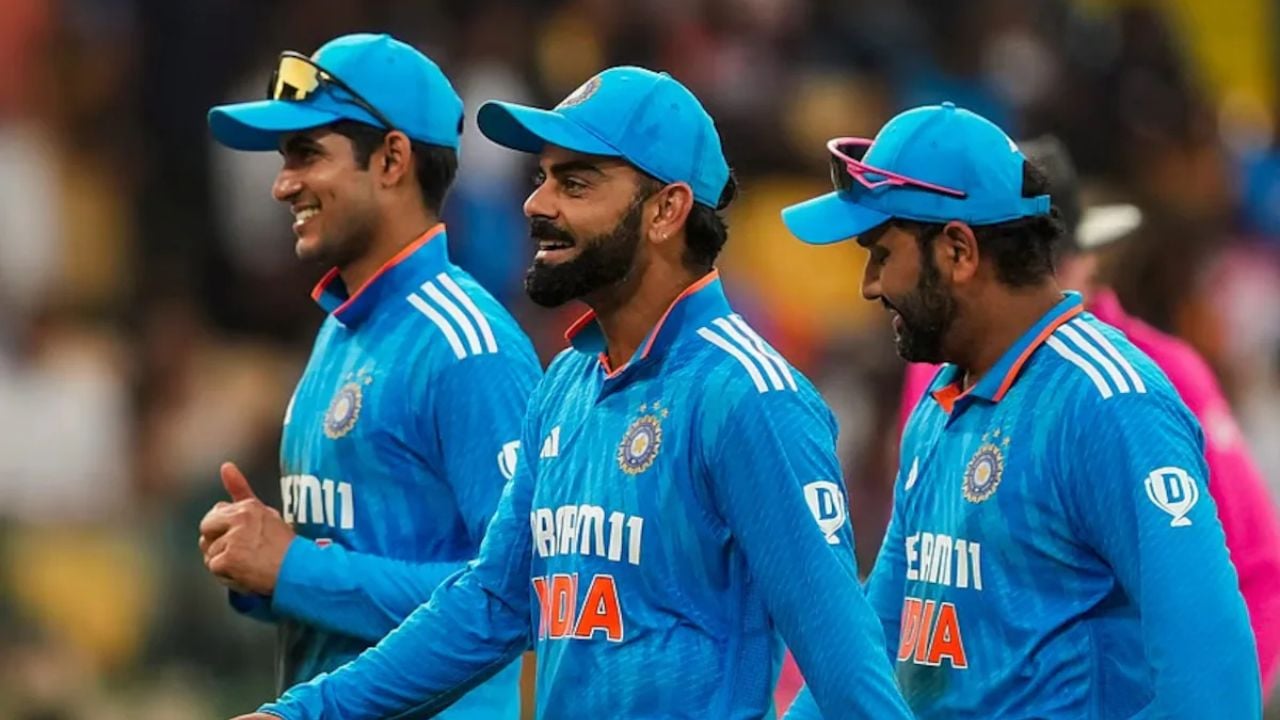
BCCI announces India’s 2026-27 international home season schedule; series vs AUS, WI, SL, ZIM finalized
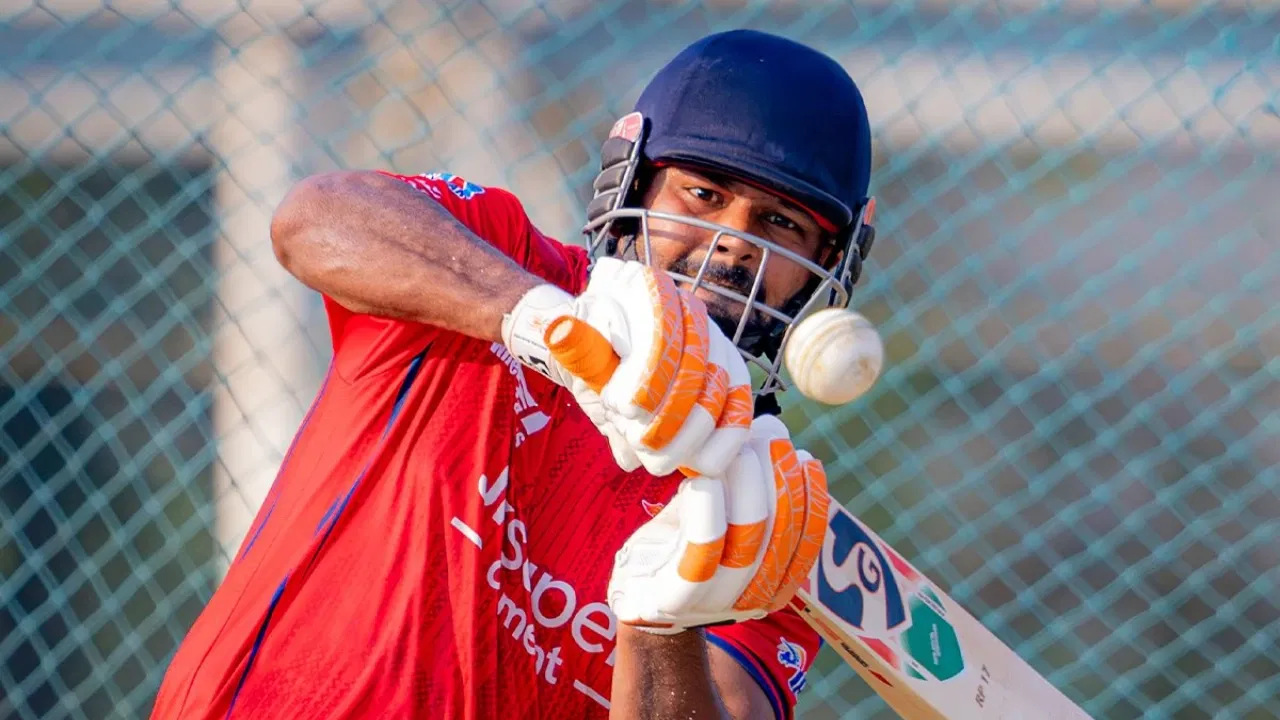
Irfan Pathan reveals Yuvraj Singh’s secret method to train Rishabh Pant ahead of IPL 2026
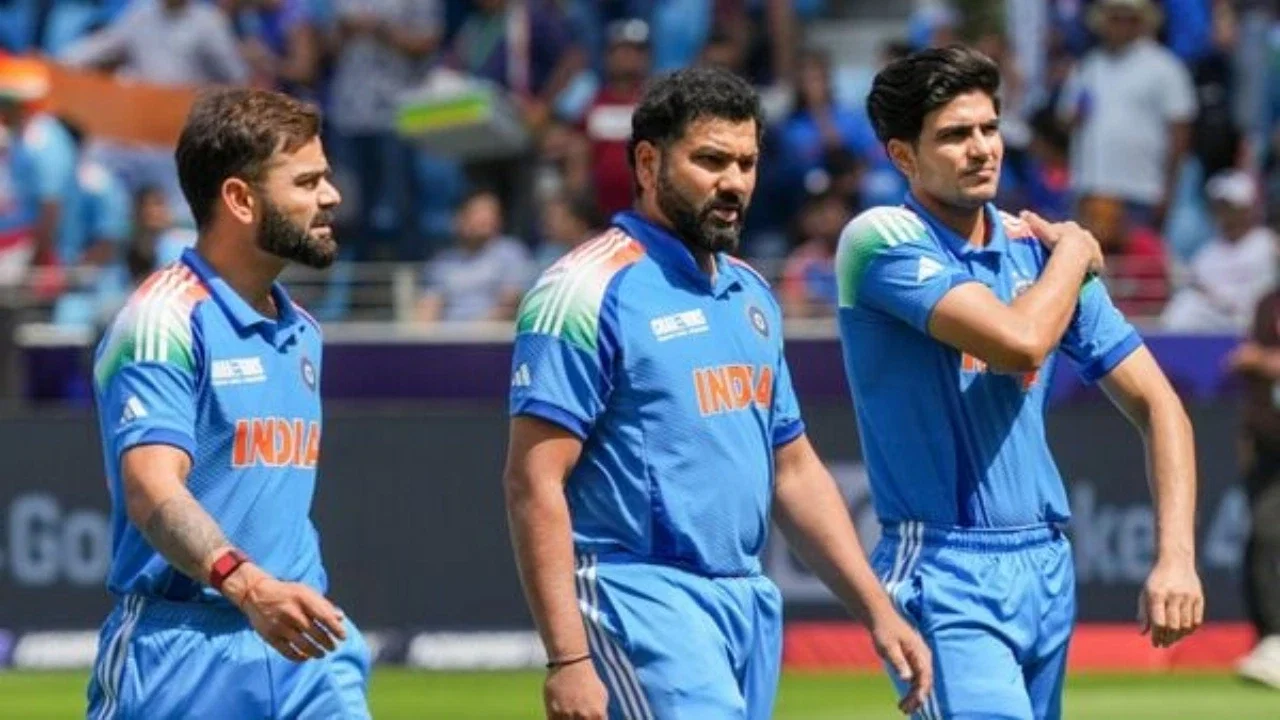
Virat Kohli, Rohit Sharma ODI schedule: Full list of matches they will play in India’s 2026-27 home season
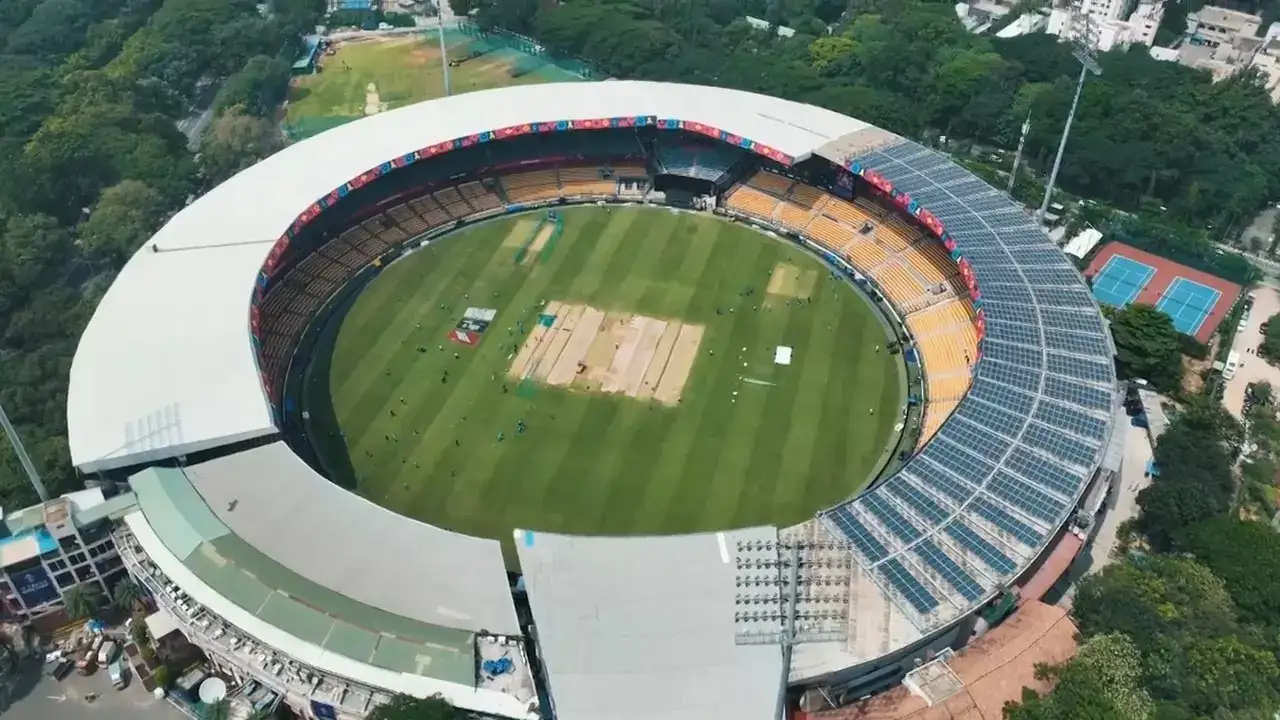
Days before RCB vs SRH IPL 2026 match, M. Chinnaswamy Stadium looks like a ‘construction side’
IPL 2026 second-half schedule announcement date revealed by BCCI secretary
LHQ vs HYDK Match Prediction, Pitch & Weather Report, Playing XIs, Head-to-Head, Free Live Streaming – PSL 2026 Match 1
Aditya Birla Group confirms NO NAME CHANGE plans after RCB takeover
Virat Kohli will win Orange Cap: Jitesh Sharma makes bold IPL 2026 predictions
David Warner tears into Shaheen Afridi and Mohammad Rizwan at PSL captains’ press conference
“Joker and Clueless”: Lalit Modi’s fiery attack on Sanjiv Goenka for his Jay Shah remark after RR–RCB mega sale
IPL 2026: BCCI scraps opening ceremony! Virat Kohli’s RCB linked to shocking decision
Sanju Samson gets huge role as Ruturaj Gaikwad confirms CSK openers for IPL 2026