Salman Ali Agha is the worst captain in cricket history: Rashid Latif
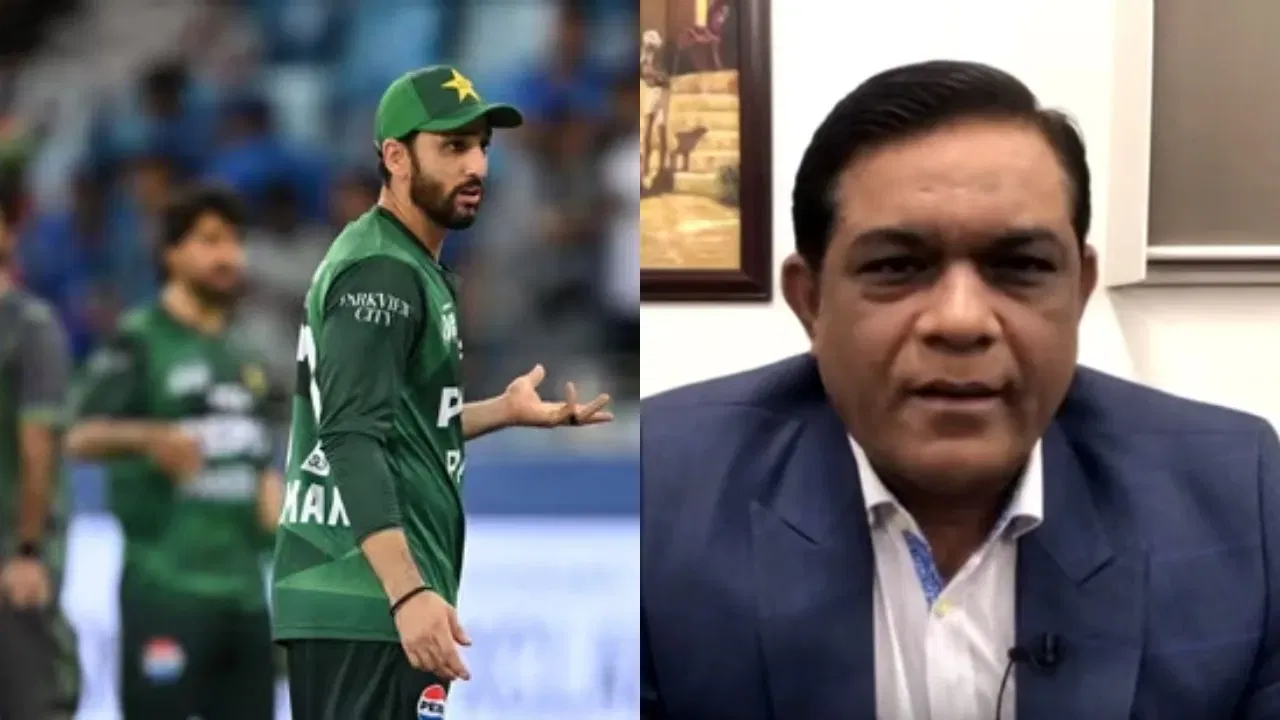
Rashid Latif Criticizes Salman Ali Agha’s Captaincy in Pakistan’s Recent Win
After Pakistan secured a narrow five-run victory against Sri Lanka, former Pakistani skipper Rashid Latif did not hold back in criticizing Salman Ali Agha’s captaincy and tactics. Despite having a team filled with world-class bowlers, Agha’s leadership has come under fire for his questionable decisions on the field.
Lack of Utilization of Fakhar Zaman
One of the main points of contention raised by Latif was the underutilization of Fakhar Zaman by head coach Mike Hesson. Analysts and cricket enthusiasts in Pakistan were left baffled by the decision to demote a player of Zaman’s caliber, especially after his standout performance in the recent match.
Tabish Hashmi, a presenter on ‘Harna Mana Hai,’ expressed his frustration, questioning the logic behind not allowing Zaman to open the innings sooner. The decision to drop him for multiple matches and then play him out of position in the middle order was seen as a disservice to his talent.
Blame Game on Captaincy
Latif did not mince words when he criticized Agha’s captaincy, stating that even with a star-studded bowling lineup, the team’s losses could be attributed to the captain’s poor decision-making. He went as far as to say that even legendary bowlers like Wasim Akram and Shoaib Akhtar would struggle under Agha’s leadership.
The former skipper highlighted the strength in the final XI picked for the match against Sri Lanka, emphasizing that the players delivered a strong performance with the ball. However, he pointed out that Agha’s failure to use the resources at his disposal effectively led to missed opportunities to pick up crucial wickets early in the game.
Strategic Errors Cost Pakistan the Game
Latif stressed the importance of strategic planning in utilizing bowlers effectively, especially in the context of needing early breakthroughs. He criticized Agha for not introducing Abrar into the attack earlier and relying too heavily on pacers in the initial overs.
Overall, Latif’s scathing remarks shed light on the dissatisfaction among Pakistan cricket fans regarding Agha’s captaincy and the team’s overall performance. As Pakistan looks to regroup and plan for future matches, the spotlight remains on Agha’s leadership and the need for strategic improvements to ensure better results in upcoming games.
Stay tuned for more updates on Pakistan cricket and the ongoing discussions surrounding the team’s performance and leadership.
The Importance of Effective Leadership in Cricket
Cricket is a sport where leadership plays a crucial role in the success of a team. A captain’s decisions on the field can often make or break a game, determining the outcome based on strategic choices, field placements, and team selection. Rashid Latif’s criticism of Salman Ali Agha’s captaincy highlights the intense scrutiny that leaders in cricket face, especially in a cricket-crazy nation like Pakistan.
Effective leadership in cricket involves not only tactical acumen but also the ability to inspire and motivate players to perform at their best. A captain must understand the strengths and weaknesses of each player, utilize their skills effectively, and make real-time decisions that can turn the tide of a match in their team’s favor.
Building Team Cohesion and Trust
In addition to strategic planning, a captain’s role extends to fostering team cohesion and trust among players. A cohesive team that trusts its leader is more likely to perform well under pressure and overcome challenges together. Salman Ali Agha’s leadership style and his ability to build rapport with his team members could be under scrutiny, as Rashid Latif pointed out the disconnect between the team’s potential and their on-field performance.
Leadership in cricket goes beyond just the on-field tactics; it involves creating a positive team culture, instilling confidence in players, and promoting a winning mentality. A captain who can inspire his team to believe in themselves and work cohesively towards a common goal is more likely to achieve success in the long run.
The Pressure of Expectations in Pakistan Cricket
Pakistan cricket has a rich history and a passionate fan base that expects nothing but the best from their team. The pressure to perform and deliver results in every match can be immense, adding an extra layer of complexity to the role of the captain. Salman Ali Agha’s critics may argue that he has not been able to handle this pressure effectively, leading to questionable decisions on the field.
In a cricket-obsessed nation like Pakistan, every decision made by the captain is scrutinized, analyzed, and often criticized by fans, experts, and former players. The expectations for success are high, and any misstep can lead to intense backlash and calls for change in leadership.
Looking Ahead: The Path to Redemption
As Pakistan cricket moves forward, the focus will be on how Salman Ali Agha can learn from the criticism leveled against him and improve his leadership skills. Building a stronger team dynamic, making better strategic decisions, and earning the trust of his players will be crucial for Agha to silence his critics and lead Pakistan to victories in future matches.
The journey towards redemption in the eyes of fans and critics alike will require introspection, adaptation, and a willingness to evolve as a leader. Pakistan cricket’s success hinges not only on the talent of its players but also on the effectiveness of its captain in navigating the challenges of international cricket.
As the team regroups and prepares for upcoming matches, all eyes will be on Salman Ali Agha to see if he can rise to the occasion, prove his detractors wrong, and guide Pakistan to success on the cricket field.
Latest News
Ben Duckett opts out from IPL 2026, set to face ban
“Players will prevail”: Sourav Ganguly’s drops big verdict on ‘Impact Player’ rule ahead of IPL 2026
“Players will prevail”: Sourav Ganguly’s drops big verdict on ‘Impact Player’ rule ahead of IPL 2026
3 LSG players who could struggle in IPL 2026 – ft Rishabh Pant
Rinku Singh gets major role for KKR ahead of IPL 2026
RCB gets new buyer ahead of IPL 2026, sold to…..

KKR take massive step to honour Andre Russell forever
“Mumbai Indians are winning it” – Ex-England captain makes bold prediction for IPL 2026
Mayank Yadav reveals real story behind his recovery and Sanjiv Goenka’s support
IPL 2026 ball change rule explained
Ottis Gibson reveals plan to revive Babar Azam’s confidence ahead of PSL 2026
Liam Livingstone survives as Rob Key confirms England spot after shocking interview claims
Kevin Pietersen credits RCB and IPL for career revival

Ottneil Baartman set to join CSK in IPL 2026 as replacement of….