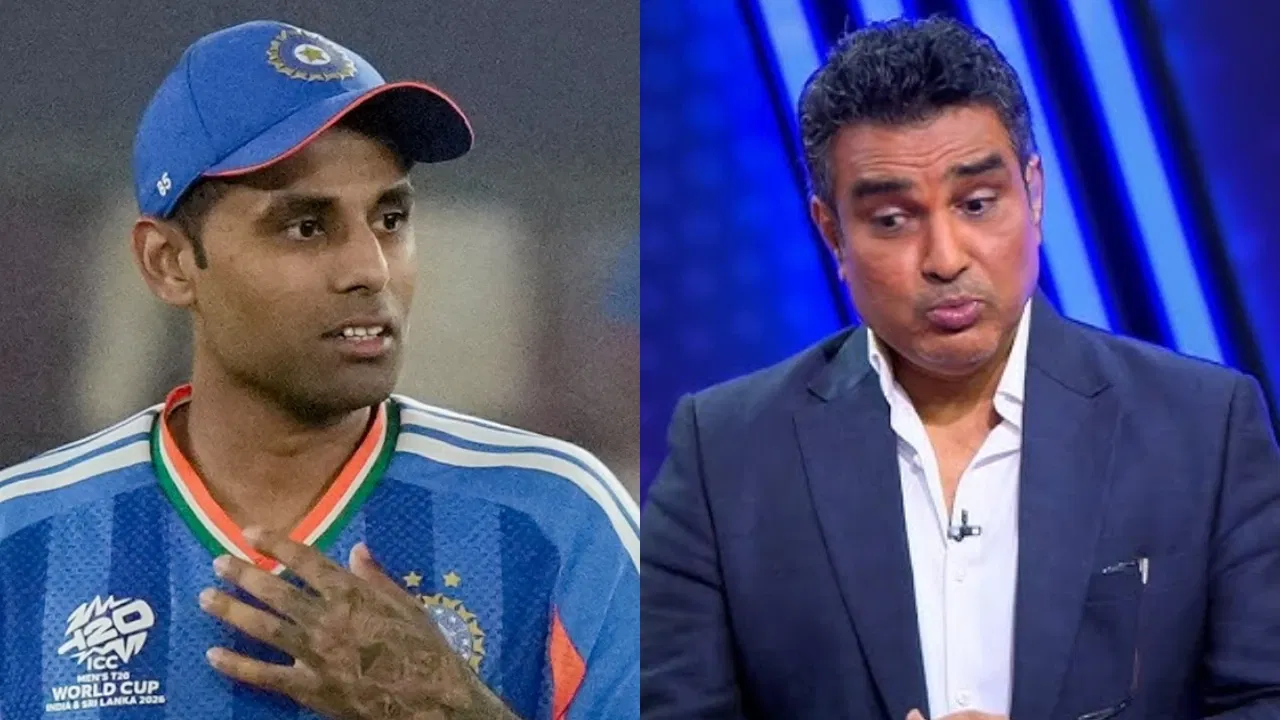
Sanjay Manjrekar exposes Suryakumar Yadav’s inability to lead from the front
India’s Weaknesses Exposed in T20 World Cup 2026 Match Against South Africa
India suffered a crushing 76-run defeat to South Africa in the Super 8 match of the ongoing T20 World Cup 2026, highlighting several weaknesses in the team. The loss in Ahmedabad has raised serious concerns, particularly regarding captain Suryakumar Yadav and the overall batting unit.
The Challenge of Slower Balls
In the high-stakes clash at the Narendra Modi Stadium, South Africa employed a strategic approach by consistently bowling slower balls and reducing the pace of deliveries. This tactic proved effective as Suryakumar Yadav struggled to counter it, scoring only 18 runs off 22 balls. The Indian team was eventually bowled out for a mere 111 runs.
Renowned commentator Sanjay Manjrekar emphasized that the problems faced by India’s batters against slower deliveries are not an isolated incident but a recurring issue. He specifically highlighted Suryakumar Yadav as the most affected by this tactic employed by opposing teams.
Sanjay Manjrekar’s Concerns
Speaking in a video shared on Instagram, Sanjay Manjrekar expressed his observations, stating, “The other thing that was glaring in this game against South Africa was even the pace bowlers, when they take the pace off, Indian batters are struggling. The captain struggled the most now, when the pace was taken off.”
Manjrekar also pointed out India’s struggles against spin bowling, suggesting that the team management should consider restructuring the batting order. He proposed a lineup that prioritizes players with strong skills against spin bowling to address this weakness.
Call for Inclusion of Kuldeep Yadav
Manjrekar emphasized the importance of strengthening the bowling lineup when the batting unit is faltering. He advocated for the inclusion of left-arm wrist spinner Kuldeep Yadav in the playing XI, citing his effectiveness in previous matches. Kuldeep’s skillset could provide India with a much-needed boost in the bowling department.
Highlighting the significance of tactical changes, Manjrekar stated, “When the batting is uncertain, not firing, very often you try and get more batting depth. There’s another way to cover that weakness: by having a stronger bowling attack. So, get Kuldeep Yadav in.”
Potential Changes in India’s Playing XI
Following their defeat to South Africa, India’s long winning streak in the T20 World Cup 2026 came to an end. With a crucial match against Zimbabwe scheduled in Chennai on February 26, the pressure on Suryakumar Yadav and the team has intensified. As a result, changes in the playing XI are highly anticipated as India aims to bounce back from their recent setback.
Stay tuned for updates on how India plans to address these challenges and make a strong comeback in the T20 World Cup 2026.
India’s Performance Analysis in T20 World Cup 2026
India’s recent defeat against South Africa in the T20 World Cup 2026 has sparked intense discussions among cricket enthusiasts and analysts. The match not only exposed weaknesses in the team but also shed light on crucial areas that need improvement for India to excel in the tournament.
Analysing India’s Batting Woes
One of the major concerns arising from the match was India’s inability to handle slower deliveries effectively. The struggles of key batsmen like Suryakumar Yadav against this tactic underscore the need for better preparation and adaptability in facing such challenges. The team’s performance against spin bowling also came under scrutiny, highlighting a broader issue that requires attention.
It is clear that India’s batting unit needs to work on strategizing against different bowling styles and sharpen their skills to counter various tactics employed by opponents. This includes developing a more robust approach to handling slower balls and spinners to ensure a balanced and resilient batting lineup.
Addressing Bowling Concerns and Tactical Adjustments
While the focus has been on India’s batting struggles, the bowling department also warrants scrutiny. The call for including Kuldeep Yadav in the playing XI reflects the need for strengthening the bowling lineup, especially when the batting unit is facing challenges. Kuldeep’s unique left-arm wrist spin could provide India with a valuable weapon to counter opposition batsmen effectively.
Moreover, the suggestion to prioritize a stronger bowling attack to compensate for potential batting uncertainties presents a strategic shift in approaching team composition. By balancing the team’s strengths in both batting and bowling, India can enhance its overall performance and competitiveness in the T20 World Cup.
Upcoming Match Against Zimbabwe and Tactical Adjustments
With an important match against Zimbabwe on the horizon, India has an opportunity to regroup, reassess their strategies, and make necessary changes in the playing XI. The pressure on Suryakumar Yadav and the team to deliver a strong performance and bounce back from the defeat looms large, underscoring the significance of tactical adjustments and a proactive approach.
It will be crucial for the team management to analyze the shortcomings from the match against South Africa, address the identified weaknesses, and make informed decisions regarding player selection and game plans. The upcoming match presents a chance for India to showcase their resilience, adaptability, and determination to succeed in the T20 World Cup.
Conclusion: Learning from Defeat and Striving for Improvement
India’s defeat against South Africa serves as a valuable learning experience for the team, highlighting areas that require immediate attention and improvement. By acknowledging their weaknesses, making strategic adjustments, and staying focused on their goals, India can turn adversity into an opportunity for growth and success in the T20 World Cup 2026.
As fans eagerly await India’s next match and anticipate the team’s response to the challenges they face, the journey of redemption and resurgence in the tournament promises to be a compelling narrative of determination, skill, and teamwork.
Latest News
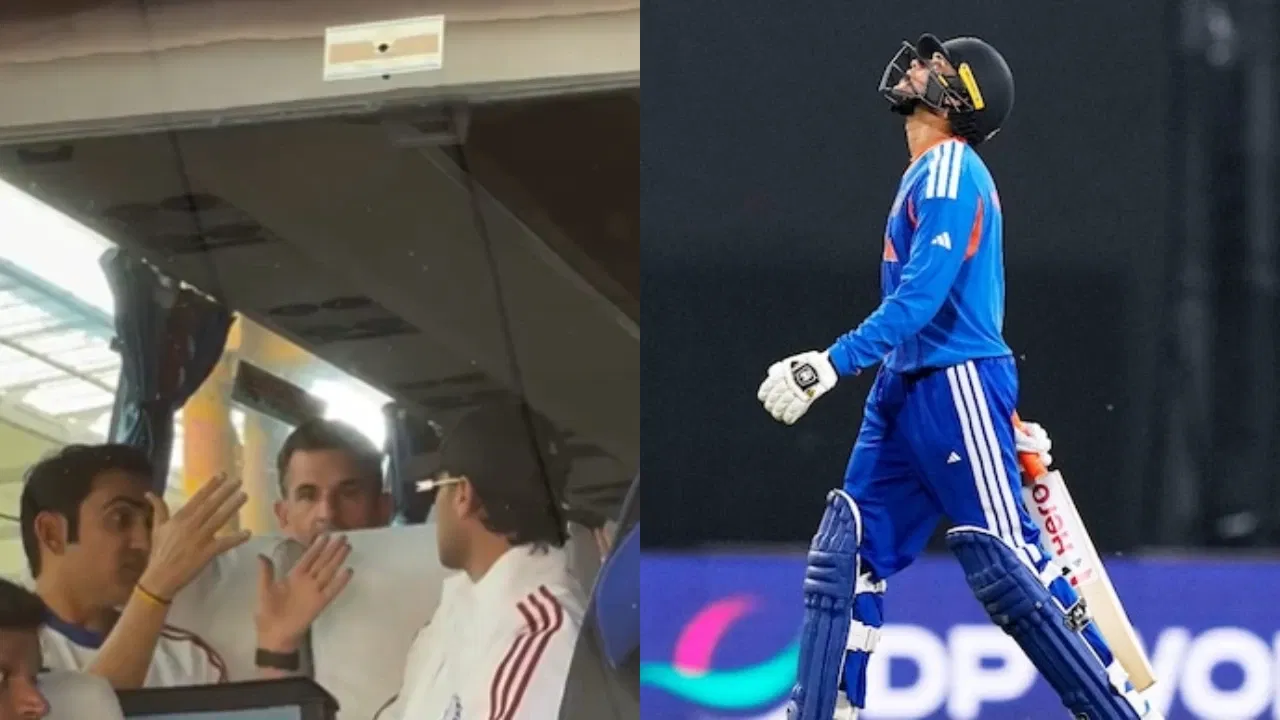
Gautam Gambhir caught scolding Abhishek Sharma inside team bus amid horror show in T20 World Cup 2026
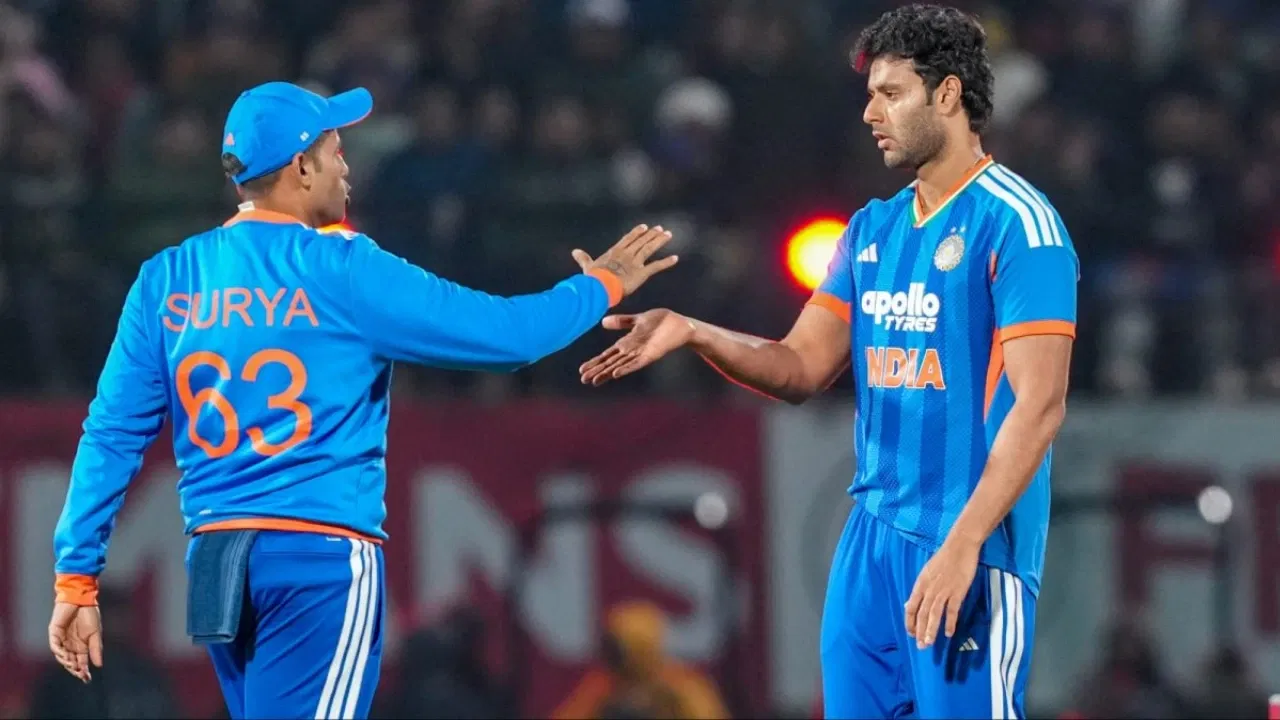
“Tune hi toh bola tha” – Suryakumar Yadav, Shivam Dube involved in heated exchange in loss to South Africa
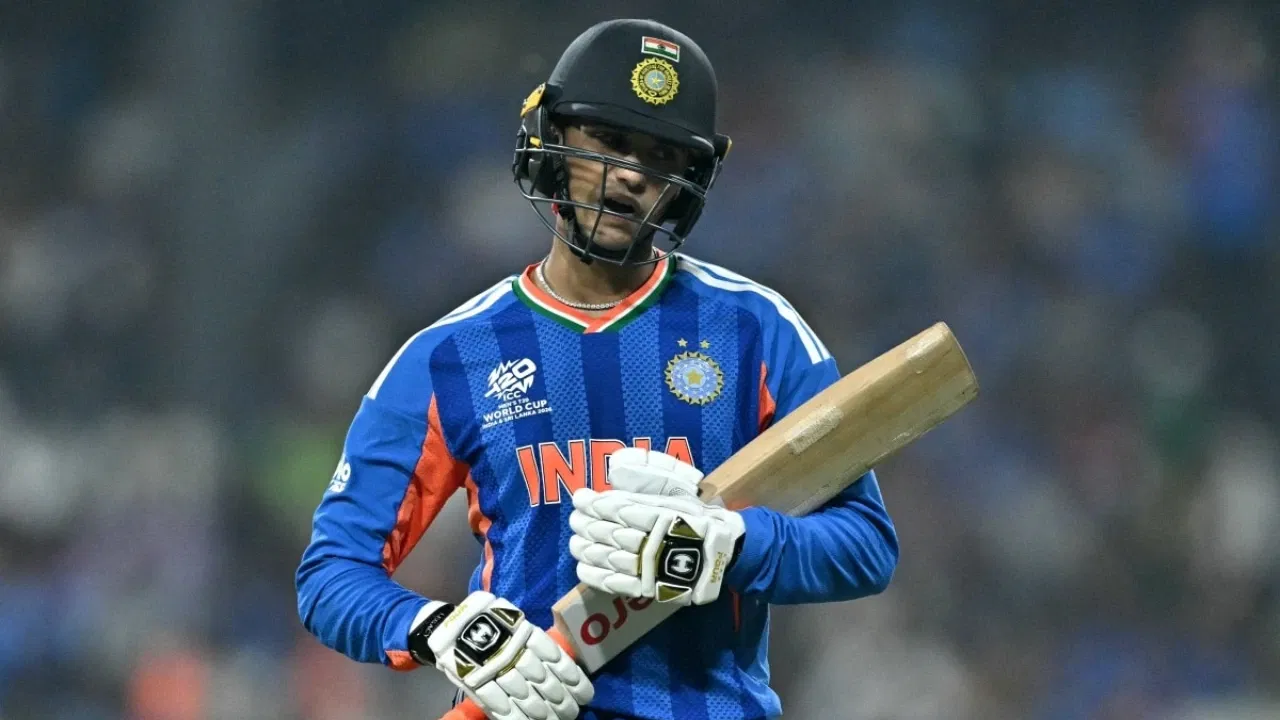
Abhishek Sharma hiding injury from team management? Shocking development emerges
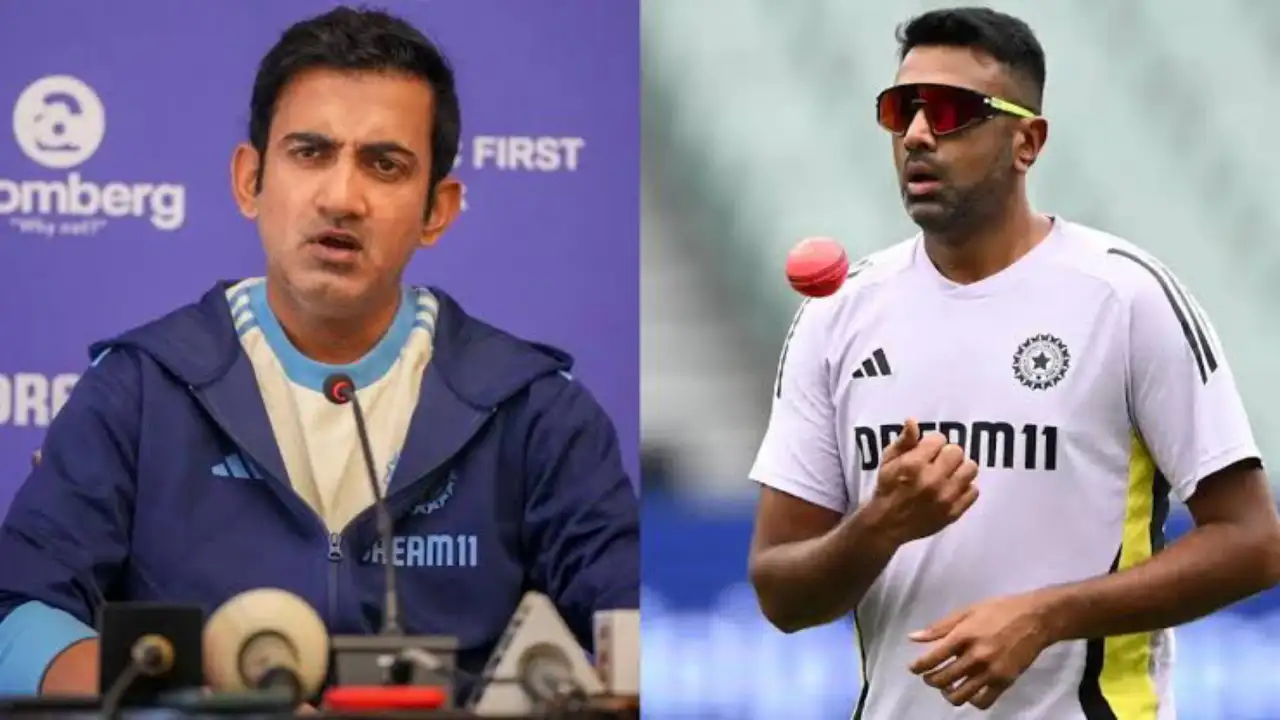
Gautam Gambhir’s experiments make Team India unstable! Ravichandran Ashwin makes shocking accusation
Gautam Gambhir’s experiments make Team India unstable! Ravichandran Ashwin makes shocking accusation
Afghanistan announce full schedule for white-ball series against Sri Lanka in March 2026
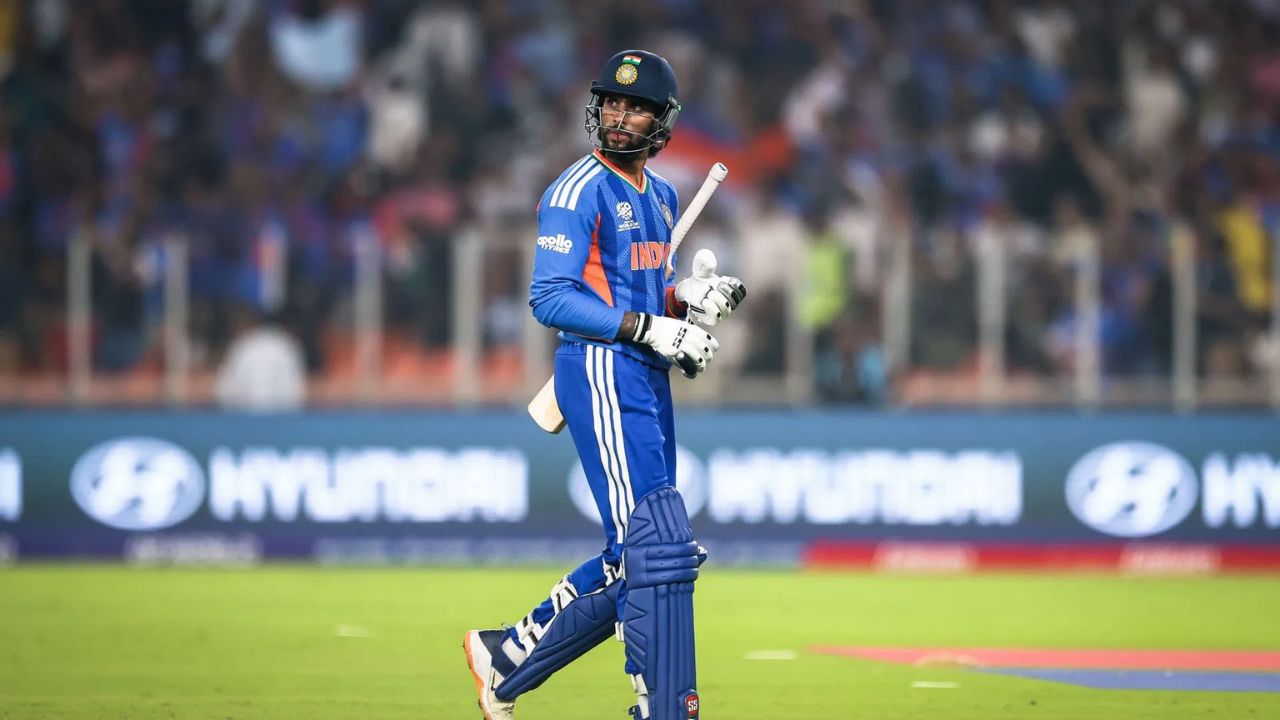
India missing Virat Kohli’s magic? Tilak Varma under fire after costly Super 8 blunder
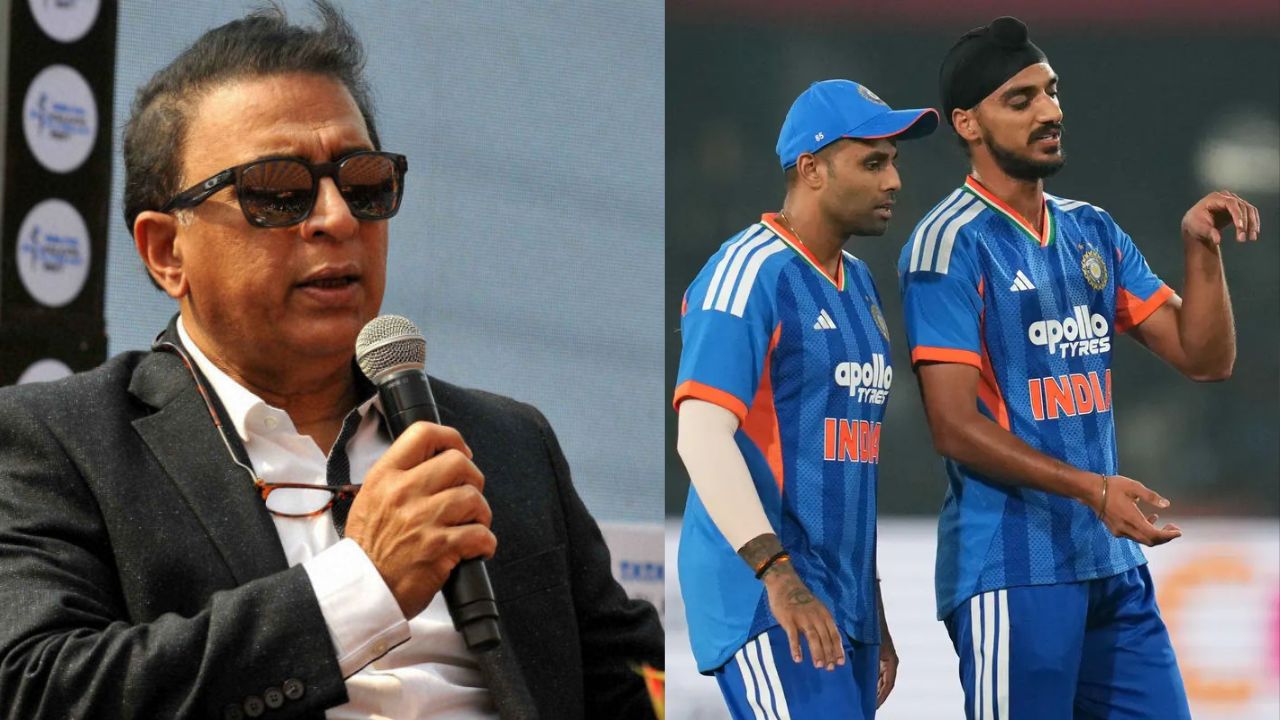
Sunil Gavaskar destroys ‘overconfident’ India batters after crushing loss vs South Africa in T20 World Cup
Sunil Gavaskar destroys ‘overconfident’ India batters after crushing loss vs South Africa in T20 World Cup
Sanjay Manjrekar exposes Suryakumar Yadav’s inability to lead from the front
KKR head coach brutally trolls Abhishek Sharma, Ishan Kishan after their ducks in T20 World Cup 2026
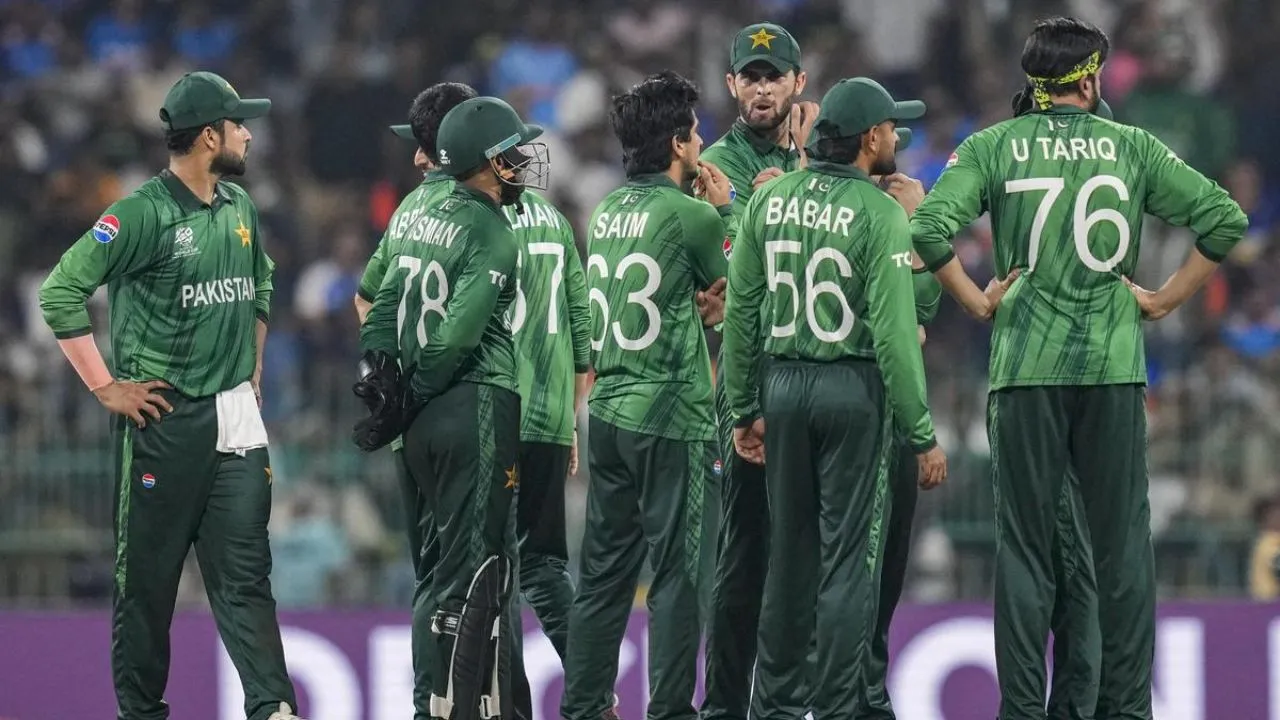
Babar Azam’s teammate issues official statement on The Hundred controversy involving Pakistan cricketers
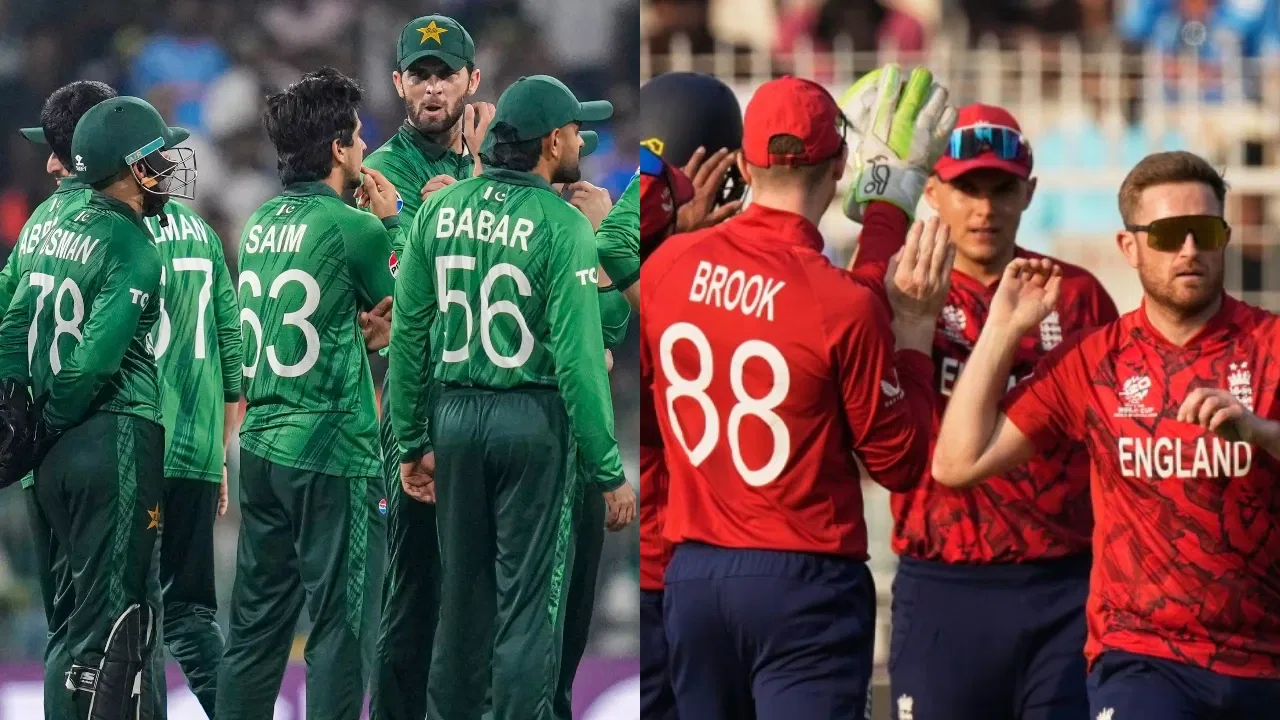
ENG vs PAK Preview – Match 45, Super 8 Group 2: Free Live Streaming, Pitch & Weather Report, Head-to-Head | T20 World Cup 2026
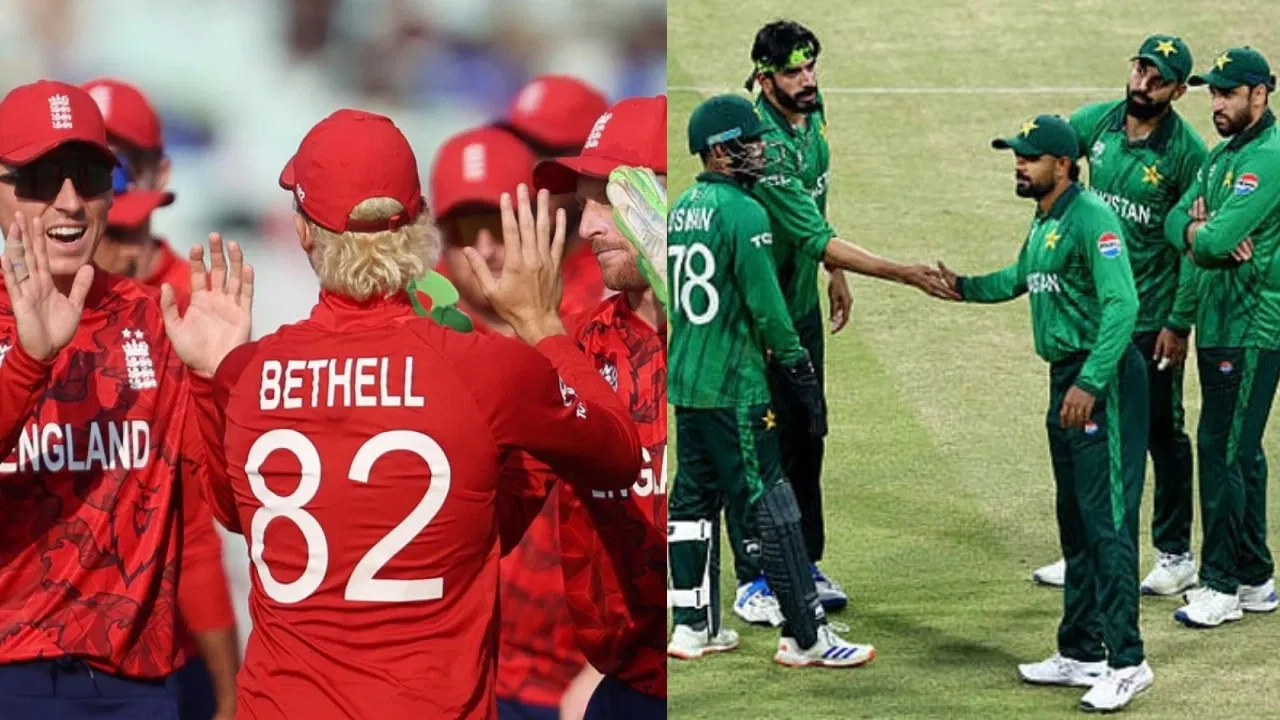
ENG vs PAK Match Prediction – Who Will Win Match 45, Super 8 Group 2? | T20 World Cup 2026