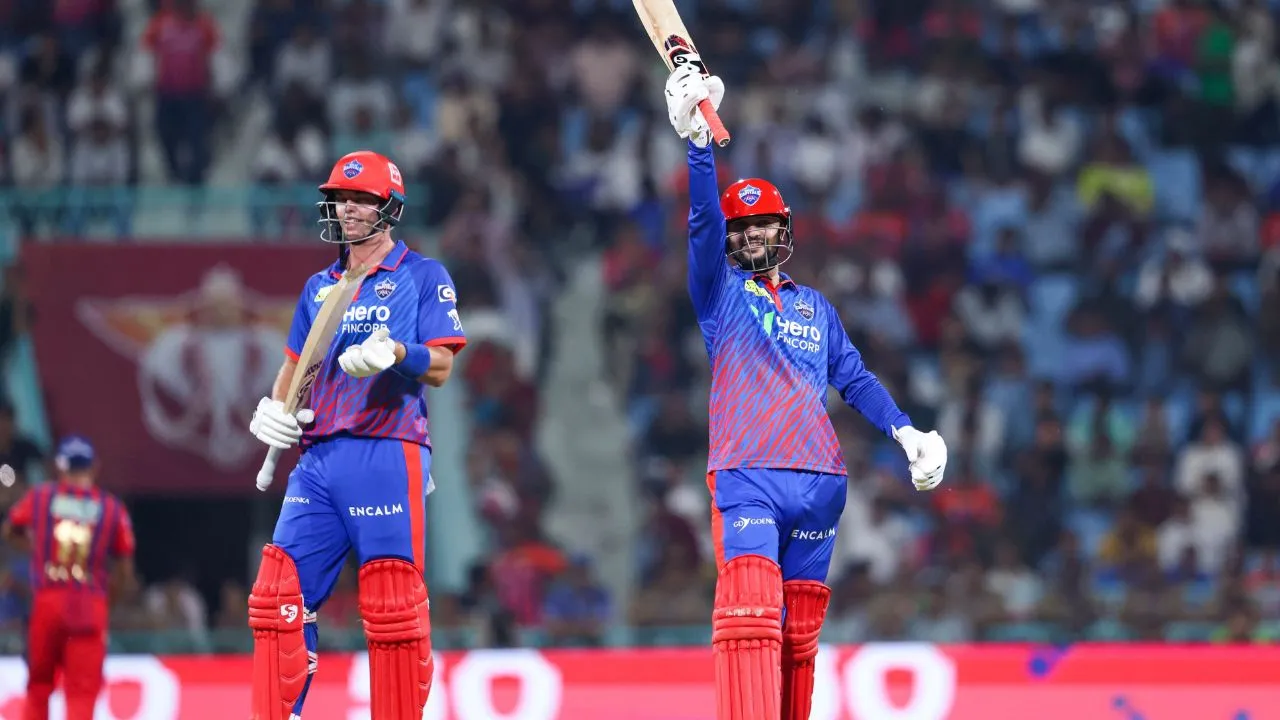
Sanju Samson being treated by a slave by Gautam Gambhir asserts BCCI selector
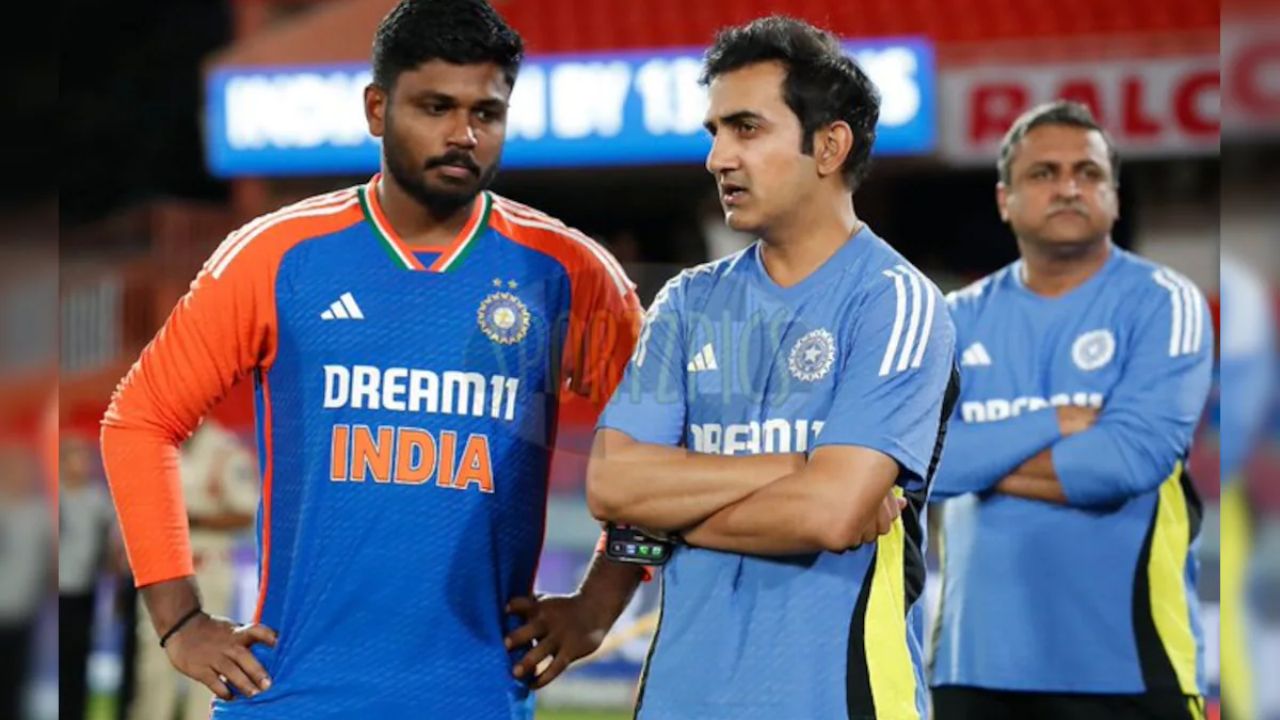
Kris Srikkanth Criticizes Gautam Gambhir for Sanju Samson’s Treatment in Team India
Former Team India captain Kris Srikkanth recently took to his YouTube channel to express his disapproval of head coach Gautam Gambhir’s handling of Sanju Samson in the T20I side. According to Srikkanth, Samson, who had been excelling as an opener, was unfairly shuffled around the batting order during the Asia Cup in the UAE.
Unfair Treatment of Sanju Samson
Sanju Samson had established himself as a dependable T20I opener between July 2024 and the start of the Asia Cup. However, during the tournament, his role changed abruptly, and he was moved out of the opening slot to accommodate Shubman Gill’s return to the team. This decision left Samson without a fixed position as he was shuffled through the middle order, batting at No. 5 in three matches and remaining unused in another despite India losing six wickets.
Kris Srikkanth’s Criticism
In his YouTube video, Kris Srikkanth referred to Sanju Samson as “the unluckiest player” and highlighted the fact that despite Samson’s success as an opener, the team management was sending him to bat at various positions from No. 3 to No. 8. Srikkanth expressed sympathy for Samson, stating that he had no choice but to accept the team’s decisions and perform wherever he was asked to bat.
Samson’s Future as India’s Wicketkeeper
Despite the challenges faced by Sanju Samson during the Asia Cup, Srikkanth pointed out that Samson performed well while batting in the middle order. He also mentioned that Samson is India’s first-choice wicketkeeper for the upcoming T20 World Cup. Srikkanth believes that Samson’s ability to adapt and deliver in various batting positions makes him a valuable asset for the team.
Performance Analysis
Sanju Samson’s batting performance as an opener alongside Abhishek Sharma was impressive, with three centuries in 13 innings at an average of 37 and a strike rate of 183. However, his numbers dipped after being moved down the order during the Asia Cup, where he scored 132 runs in seven matches at an average of 33 and a strike rate below 125. Despite these challenges, Samson played a crucial role in guiding India to a tense last-over victory against Pakistan in the final.
India’s T20 World Cup Lineup Prediction
Kris Srikkanth also shared his insights on India’s potential playing XI for the T20 World Cup, stating that it would be similar to the one that featured in the first T20I against Australia in Canberra. He mentioned that Hardik Pandya might replace Harshit Rana in the lineup, while the rest of the team would remain unchanged. Srikkanth emphasized the importance of finding the right balance in the team, especially considering the need for three spinners in certain matchups.
Overall, Kris Srikkanth’s critique of Gautam Gambhir’s handling of Sanju Samson sheds light on the challenges faced by players in adapting to changing roles within the team. As India prepares for upcoming tournaments, the management will need to carefully consider the best strategies to optimize the players’ performances and maximize their potential on the field.
Impact of Inconsistent Batting Positions on Players
The issue of inconsistent batting positions is not unique to Sanju Samson alone. Many players have faced similar challenges when shuffled around the batting order, impacting their performance and confidence. This lack of stability can hinder a player’s ability to establish themselves and showcase their full potential. It is essential for team management to understand the importance of consistency and clarity in assigning roles to players to help them thrive in their respective positions.
The Role of Communication in Team Dynamics
Effective communication between players and coaching staff is crucial in ensuring that everyone is on the same page regarding their roles and responsibilities within the team. Miscommunication or unclear expectations can lead to frustration and underperformance. Clear and transparent discussions about player roles can help build trust and cohesion within the team, fostering a positive environment for players to excel.
The Evolution of T20 Cricket Strategies
In the fast-paced world of T20 cricket, strategies and team compositions are constantly evolving to adapt to changing conditions and match scenarios. Coaches and selectors must continuously assess players’ strengths and weaknesses to make informed decisions about team selection and batting orders. Flexibility is key in T20 cricket, but it is essential to balance experimentation with stability to ensure players have the best chance to succeed.
The Psychology of Adapting to Change
Adapting to change, especially in high-pressure situations like international cricket, requires mental resilience and a strong mindset. Players like Sanju Samson must navigate the challenges of shifting roles with a positive attitude and a willingness to contribute wherever needed. Mental fortitude plays a significant role in how players handle adversity and bounce back from setbacks, ultimately shaping their performance on the field.
Striking a Balance Between Innovation and Tradition
As the game of cricket evolves, finding the right balance between innovative strategies and traditional approaches is crucial. While experimenting with new tactics and player rotations can lead to exciting breakthroughs, it is essential to respect the foundations of the game and the strengths of individual players. Balancing innovation with respect for traditional techniques can help teams achieve success while fostering a sense of continuity and stability within the squad.
Looking Ahead to Future Challenges
As India gears up for upcoming tournaments, including the T20 World Cup, the lessons learned from the handling of players like Sanju Samson will be invaluable. By addressing issues related to player roles, communication, and strategic planning, the team can position itself for success on the global stage. The ability to adapt, learn from past experiences, and evolve as a unit will be critical in facing the challenges that lie ahead.
In conclusion, the complexities of player management and team dynamics in cricket underscore the importance of strategic decision-making and effective communication within the squad. By fostering a supportive and cohesive environment, teams can empower players to maximize their potential and achieve collective success on the field.
Latest News
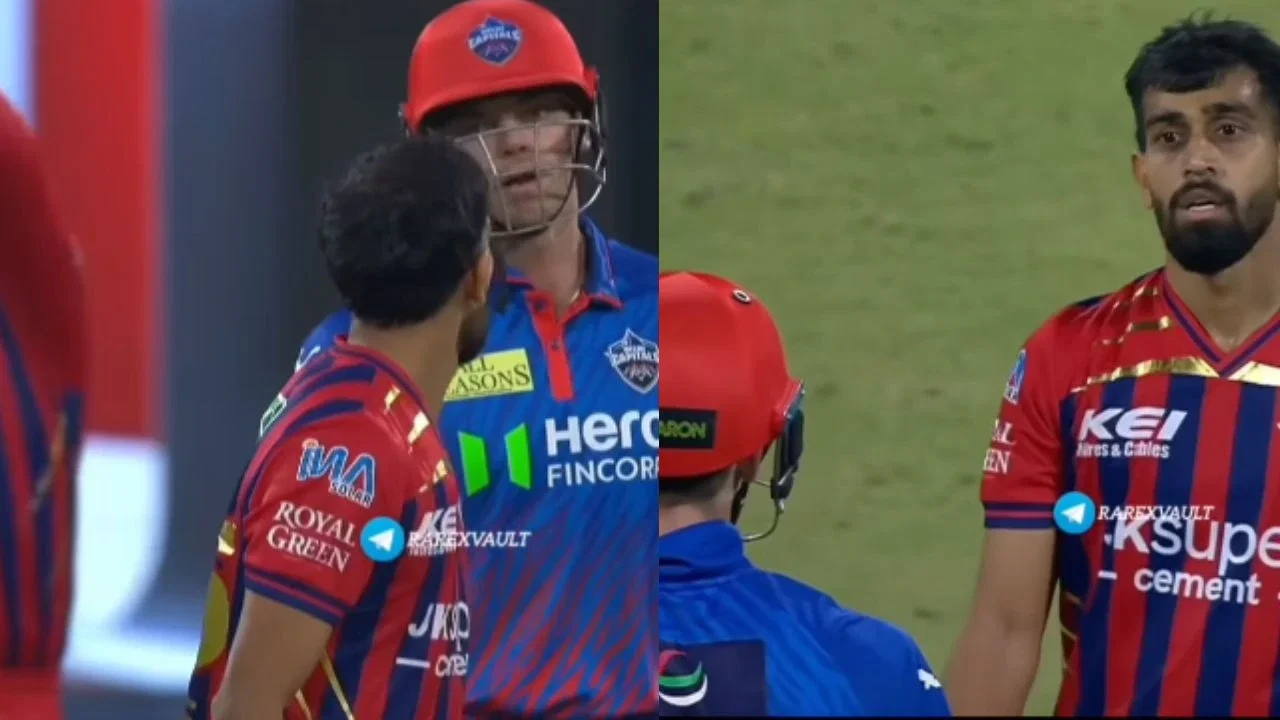
Watch: Tristan Stubbs vs Prince Yadav altercation video goes viral in IPL 2026
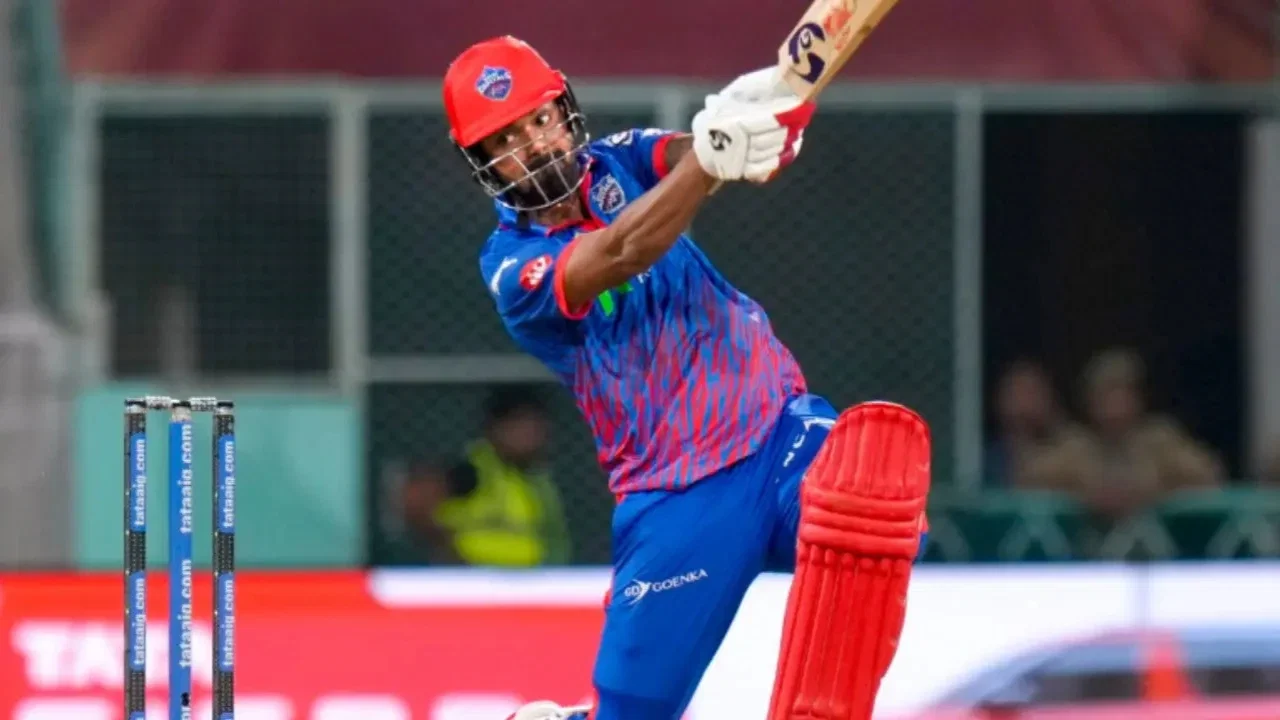
LSG take disgusting dig at KL Rahul, DC fire back with savage post as IPL 2026 heats up
Virat Kohli teases RCB teammate Romario Shepherd by imitating him in a hilarious fashion

Rassie van der Dussen announces retirement after South Africa contract snub
Rajat Patidar ignores MS Dhoni, Virat Kohli as he names best IPL captain
Yuvraj Singh name-dropped as ex-LSG coach gives honest verdict on Rishabh Pant’s T20 game

Abhishek Nayar urges Cameron Green to become Andre Russell 2.0 for KKR
Shreyas Iyer fully fit for Punjab Kings’ IPL 2026 clash against CSK
Matheesha Pathirana’s NOC delayed by SLC, KKR’s woes heighten in IPL 2026
Matheesha Pathirana’s NOC delayed by SLC, KKR’s woes heighten in IPL 2026
Nuwan Thushara takes legal action against SLC to secure RCB move for IPL 2026
Harry Brook and Jacob Bethell punished after conduct probe by cricket regulator
Sanjiv Goenka engages in heated chat with LSG coaches after loss to DC
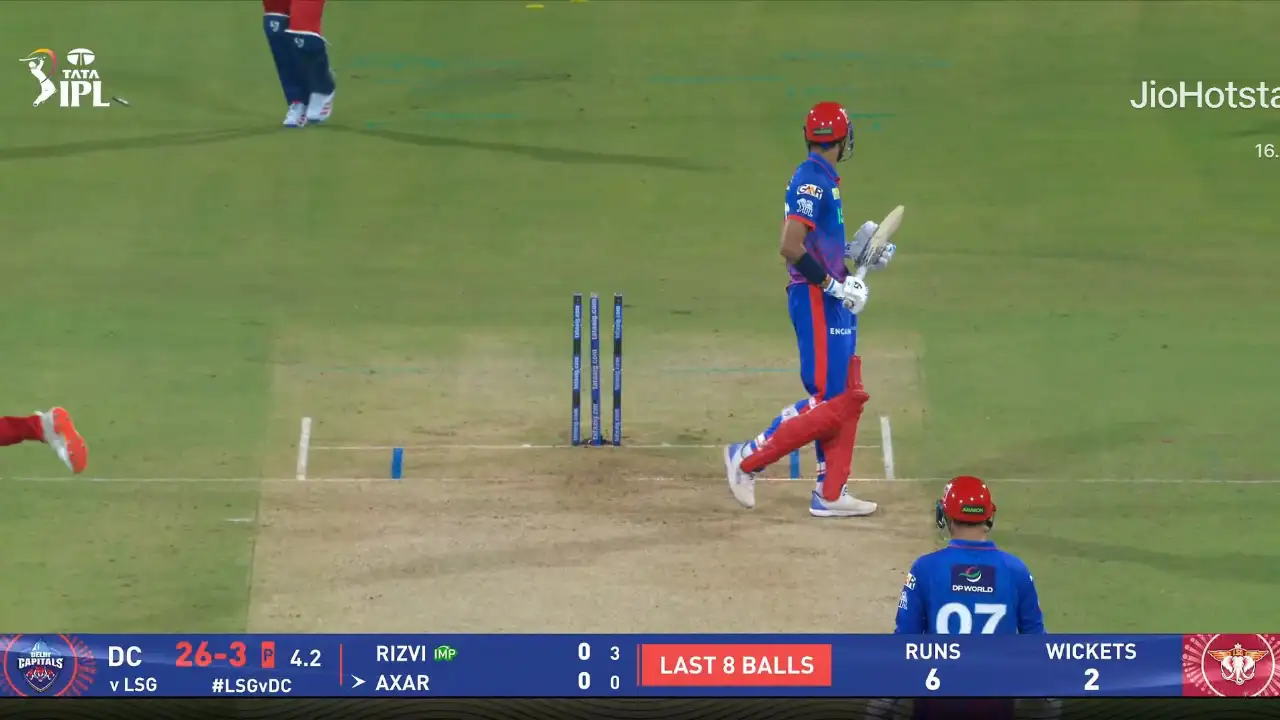
Axar Patel dismissed on ‘Golden Duck’ by Prince Yadav in LSG vs DC IPL 2026 clash