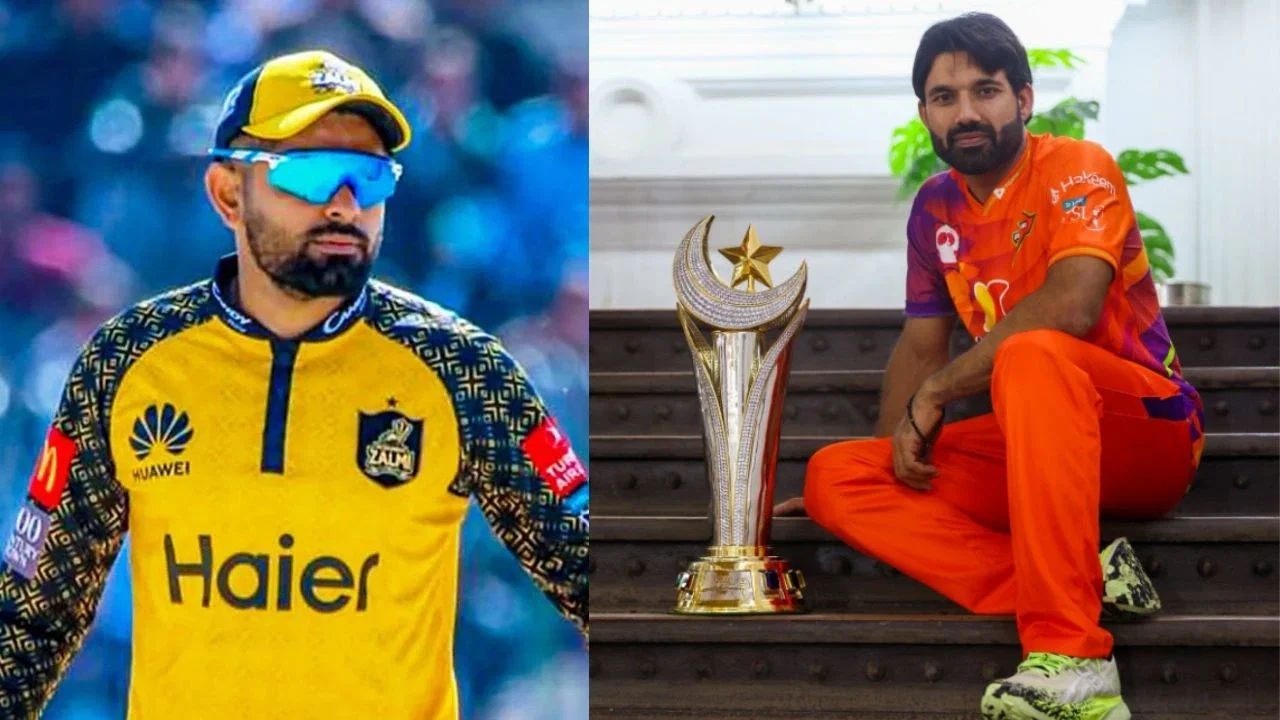
Sanju Samson in danger? Rishabh Pant’s T20 World Cup 2026 selection case ignited at last moment
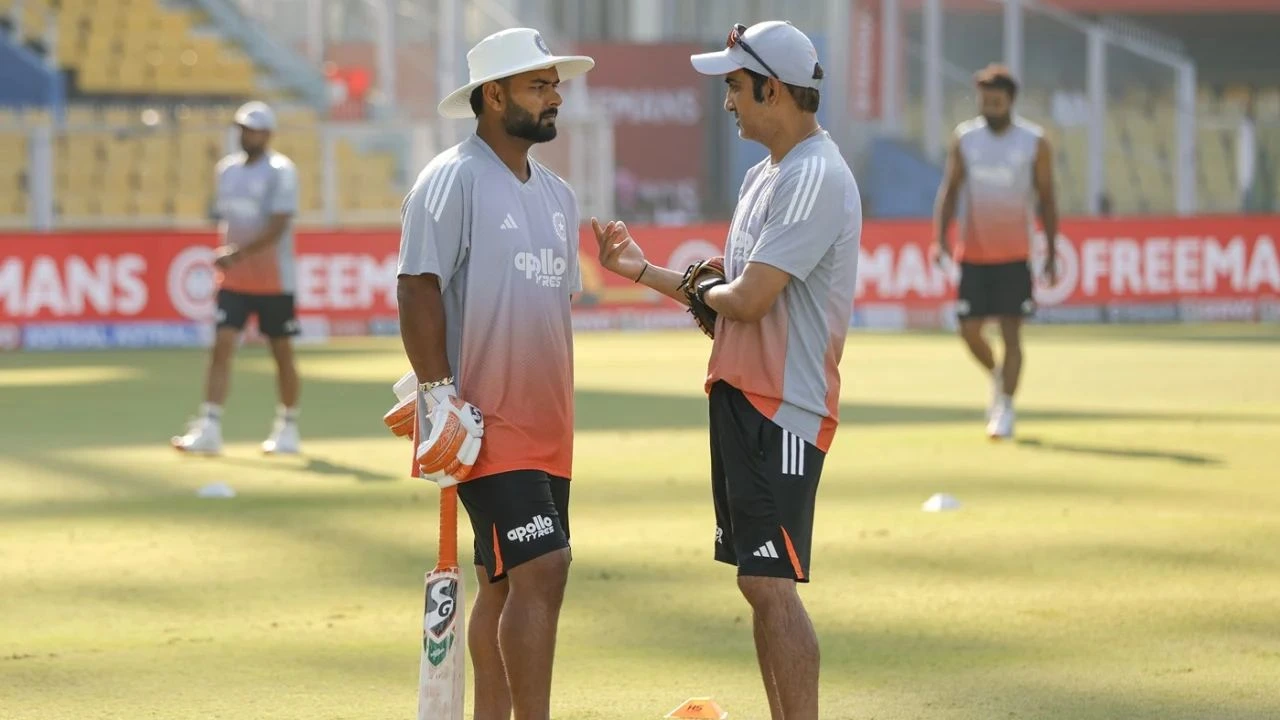
Former NZ Cricketer Questions India’s Decision to Exclude Rishabh Pant from T20 World Cup 2026
Former New Zealand wicketkeeper-batter Ian Smith has stirred up a debate by questioning India’s surprising move to not include Rishabh Pant in the squad for the upcoming ICC T20 World Cup 2026. This decision has raised eyebrows, especially considering Pant’s crucial role in India’s championship-winning squad during the 2024 edition of the tournament.
Ian Smith’s Critique on Rishabh Pant’s Omission
As a well-known broadcaster, Smith believes that India will be missing out on a rare match-winner by leaving Pant out of the squad, especially during the crunch moments of the T20 World Cup 2026 slated to begin on February 7 in both India and Sri Lanka. Despite Pant’s absence from T20I matches since July 2024, he is known for his ability to change the course of a game in just a few overs, making him a valuable asset in the fast-paced format of T20 cricket.
Smith’s Statement on Pant
Smith expressed his surprise and disappointment over Pant’s exclusion, emphasizing that Pant’s talent and match-winning abilities should have secured him a spot in the team. He stated, “I’d pick Rishabh Pant in my team any day of the week. He is a wonderfully gifted player who can win matches, a crucial trait in T20 cricket where match-winners are essential.”
Modern T20 Team Dynamics
Smith acknowledged the shift in modern T20 team strategies, focusing on balance and versatility in player selection. He highlighted the importance of players offering multiple skills rather than specializing in just one aspect of the game. Teams now prioritize all-round performers who can contribute with both bat and ball, leading to the evolution of the traditional roles in cricket.
Importance of Multi-Skilled Players
In the context of the current T20 landscape, Smith praised players like Sanju Samson who can bat effectively at the top order while also fulfilling wicketkeeping duties. He explained how the role of wicketkeepers has evolved, with the expectation for them to be impactful batters in addition to their wicketkeeping responsibilities.
Emphasis on Balancing Skills
Smith further emphasized the value of players like Tim Seifert, who excel in both batting and wicketkeeping, providing teams with the necessary balance without compromising on any aspect of the game. Such versatile players are considered invaluable assets in modern T20 cricket, contributing significantly to the overall team dynamics.
As the T20 World Cup 2026 approaches, India’s decision to prioritize multi-skilled players like Samson over specialists like Pant reflects the evolving demands of the game. While Pant’s exclusion may have raised concerns among fans and experts, the emphasis on balance and versatility in team composition is a strategic move aimed at enhancing India’s chances of success in the upcoming tournament.
India’s Strategy and Pant’s Role
India’s decision to exclude Rishabh Pant from the T20 World Cup 2026 squad signifies a strategic shift in their approach to team composition. While Pant has proven himself as a dynamic player capable of turning the tide of a match, the team management may have opted for a more balanced lineup that prioritizes versatility over specialized skills. This move underlines the importance of adapting to the changing demands of the game and recognizing the need for players who can contribute across multiple facets of cricket.
Specialists vs. All-Rounders
The debate between specialists like Pant and all-rounders like Samson reflects a broader trend in modern cricket where teams seek players who can offer a diverse range of skills. While specialists excel in their specific roles, all-rounders provide a more holistic approach to the game by contributing with the bat, ball, and in the field. This strategic shift towards all-rounders not only adds depth to the team but also enhances flexibility in responding to different match situations.
Team Dynamics and Performance
The composition of a cricket team goes beyond individual talent and focuses on creating a cohesive unit that can perform collectively under pressure. By emphasizing the importance of multi-skilled players, teams like India are aiming to build a well-rounded squad that can adapt to various scenarios during the T20 World Cup. This approach allows for greater tactical options and minimizes the reliance on a few key players to deliver consistently.
Adapting to the Evolution of the Game
Cricket, particularly in the T20 format, has evolved rapidly in recent years, prompting teams to reassess their strategies and player selections. The growing emphasis on innovation, adaptability, and versatility has led to a transformation in how teams function and compete at the highest level. By recognizing and embracing these changes, India’s decision to exclude Pant in favor of players with broader skill sets reflects their commitment to staying ahead of the curve in modern cricket.
Conclusion
While the omission of Rishabh Pant from India’s T20 World Cup squad has sparked discussions and debates, it serves as a testament to the evolving nature of the sport. As cricket continues to progress towards a more dynamic and multifaceted landscape, teams must adapt their strategies and player selections to remain competitive in the global arena. By prioritizing balance, versatility, and all-round capabilities, India’s approach to team composition for the upcoming tournament illustrates a forward-thinking mindset aimed at maximizing their chances of success in the ever-evolving world of T20 cricket.
Latest News
Naseem Shah charged with central contract violation during PSL 2026
MS Dhoni out of IPL 2026, has not recovered from calf strain
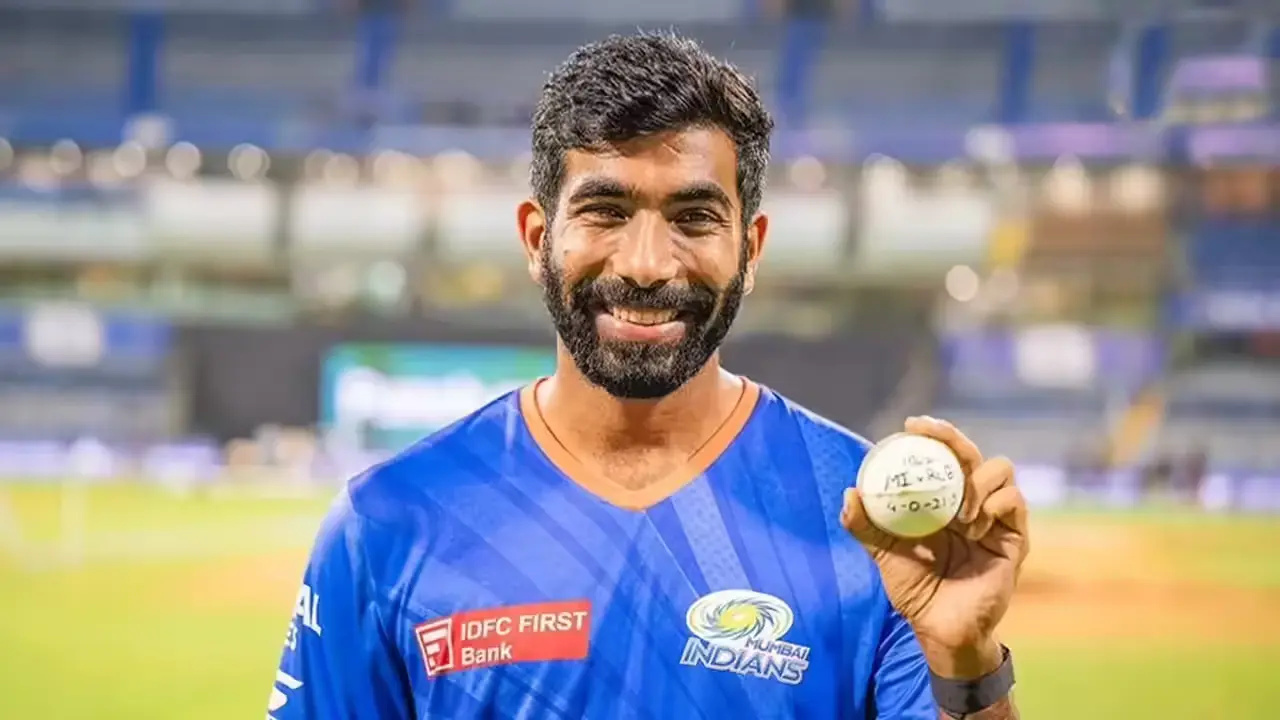
Jasprit Bumrah set to lead MI attack in blockbuster IPL 2026 clash vs KKR
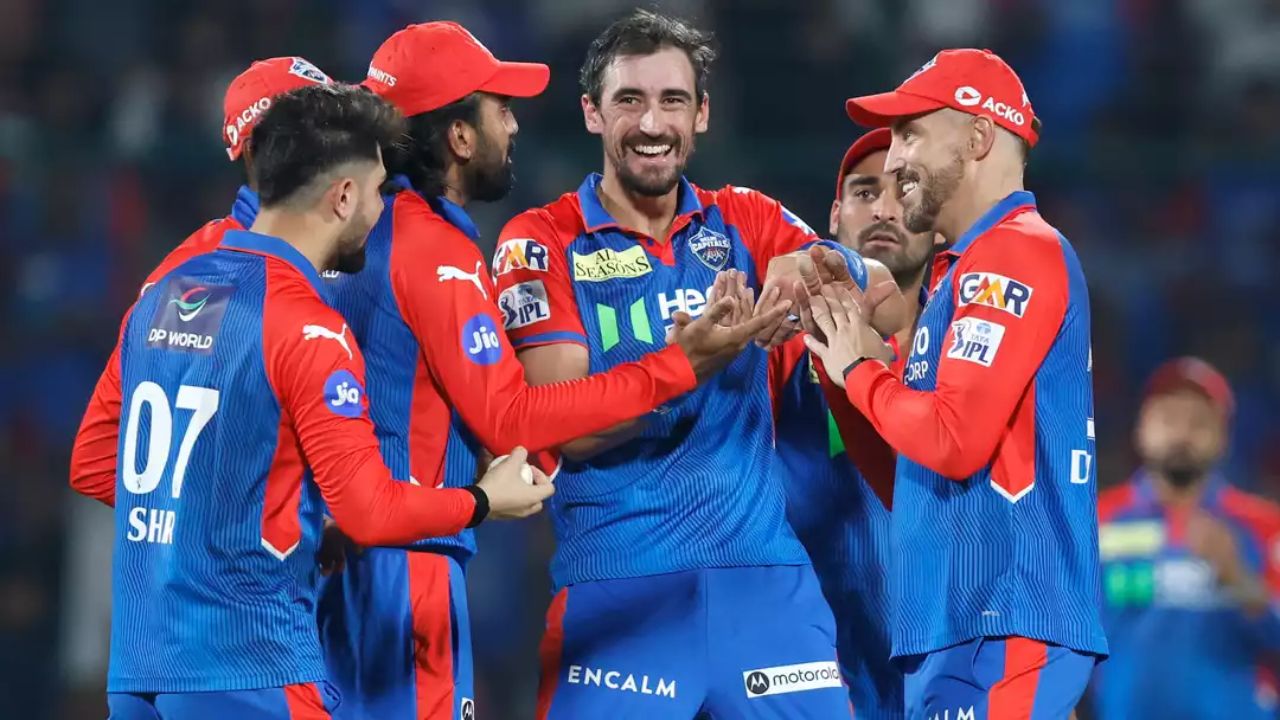
Mitchell Starc to miss IPL 2026, wife Alyssa Healy drops massive update on injury

Nick Knight rejects PSL to join IPL commentary panel
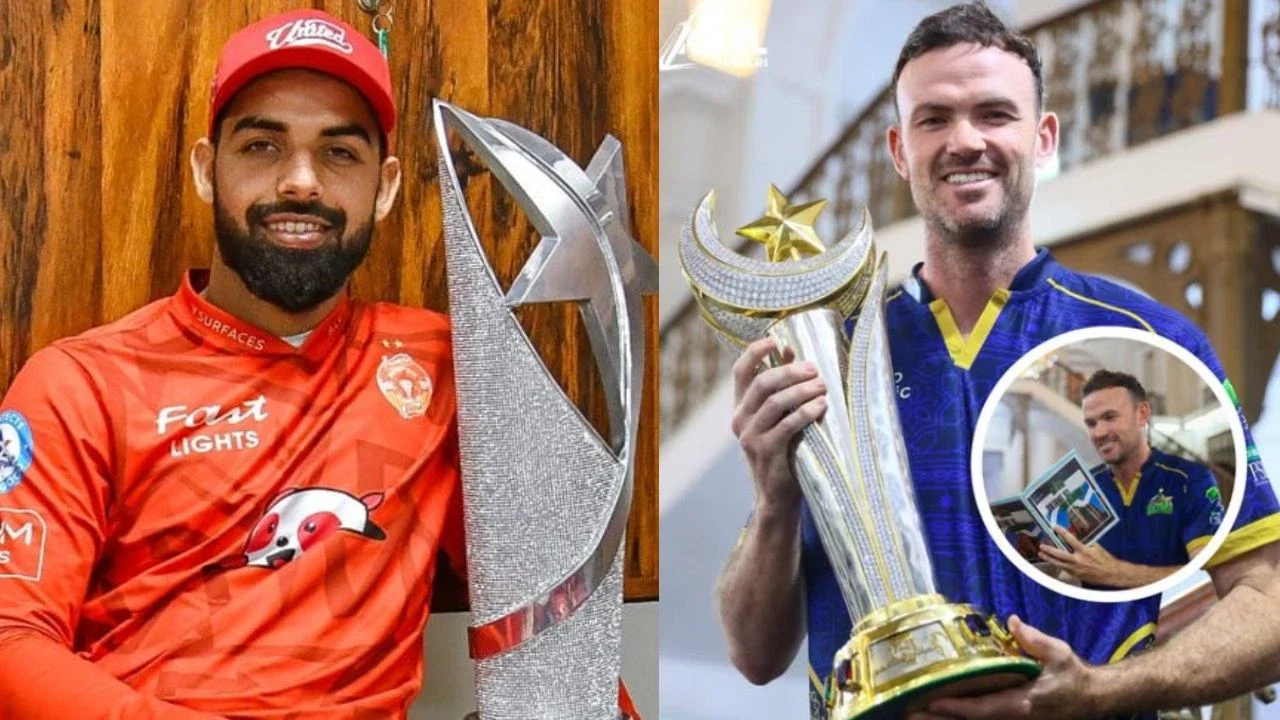
MS vs ISU Match Prediction, Pitch & Weather Report, Playing XIs, Head-to-Head, Free Live Streaming – PSL 2026 Match 4
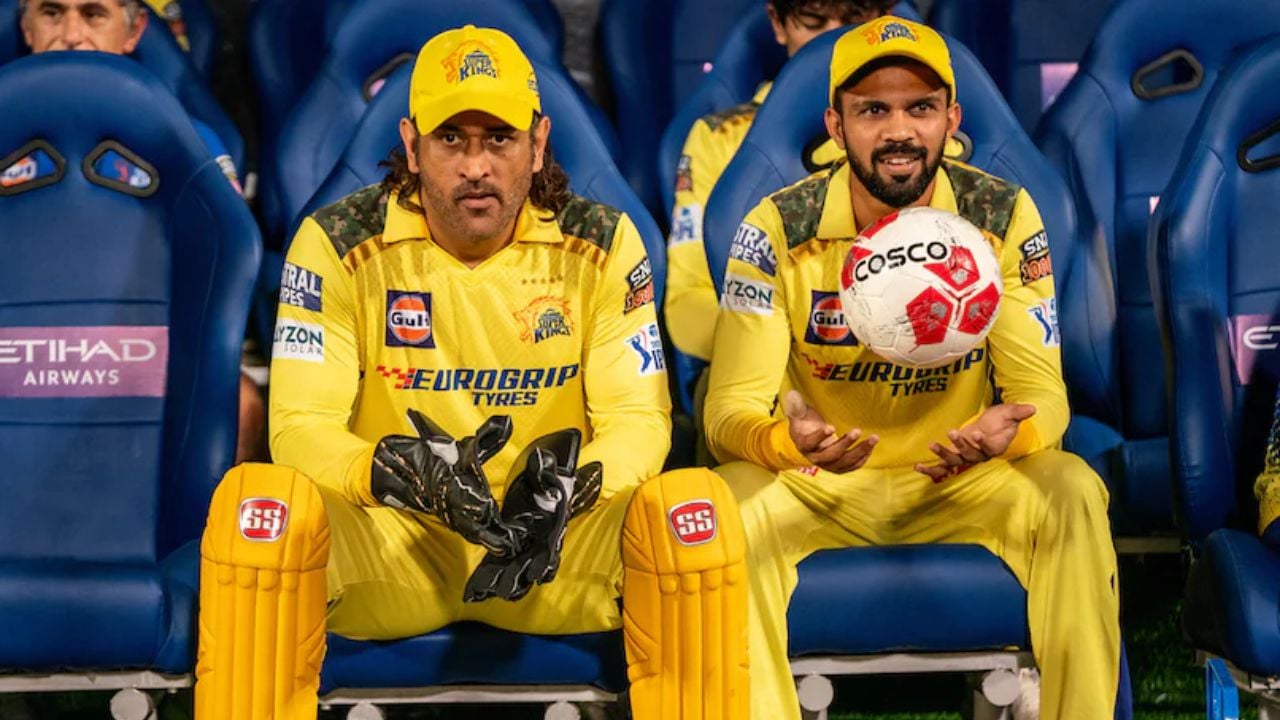
“MS Dhoni doesn’t attend team discussions” – Ruturaj Gaikwad makes stunning revelationtaincy Role

Ben Duckett breaks silence on Noosa Clip scandal, calls it ‘Worst’ moment in cricketing career
“IPL players are grossly underpaid”: Ex-CSK star calls out BCCI
Ahmed Shehzad summoned as former Pakistan skipper takes legal action over serious allegations
CSK to feature without their legendary duo MS Dhoni and Suresh Raina for the first time
Ishan Kishan set to create history as SRH captain in IPL 2026 opener against RCB
RCB Playing XI vs SRH Playing XI – Match No. 1 | IPL 2026
Delhi Capitals IPL 2026 Full Schedule: DC Fixtures, Dates, Timings and Venues | Squad and Coaches