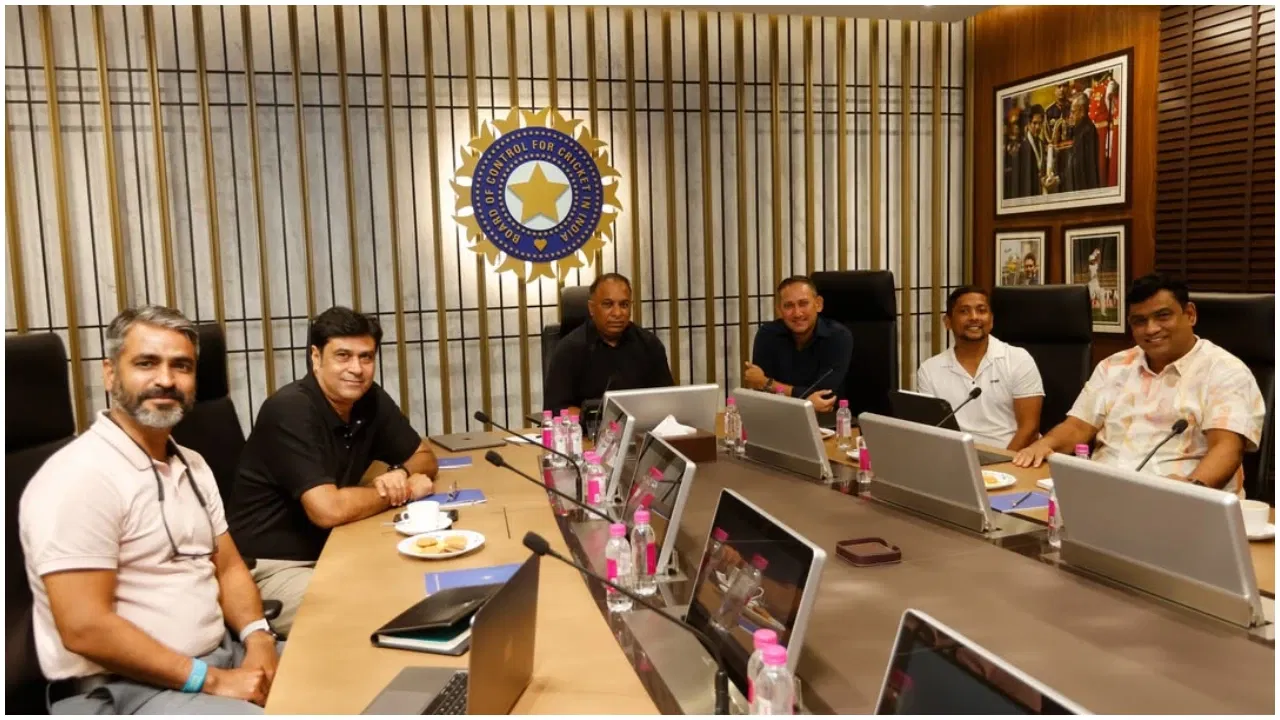
Sanju Samson named new India T20I captain by…
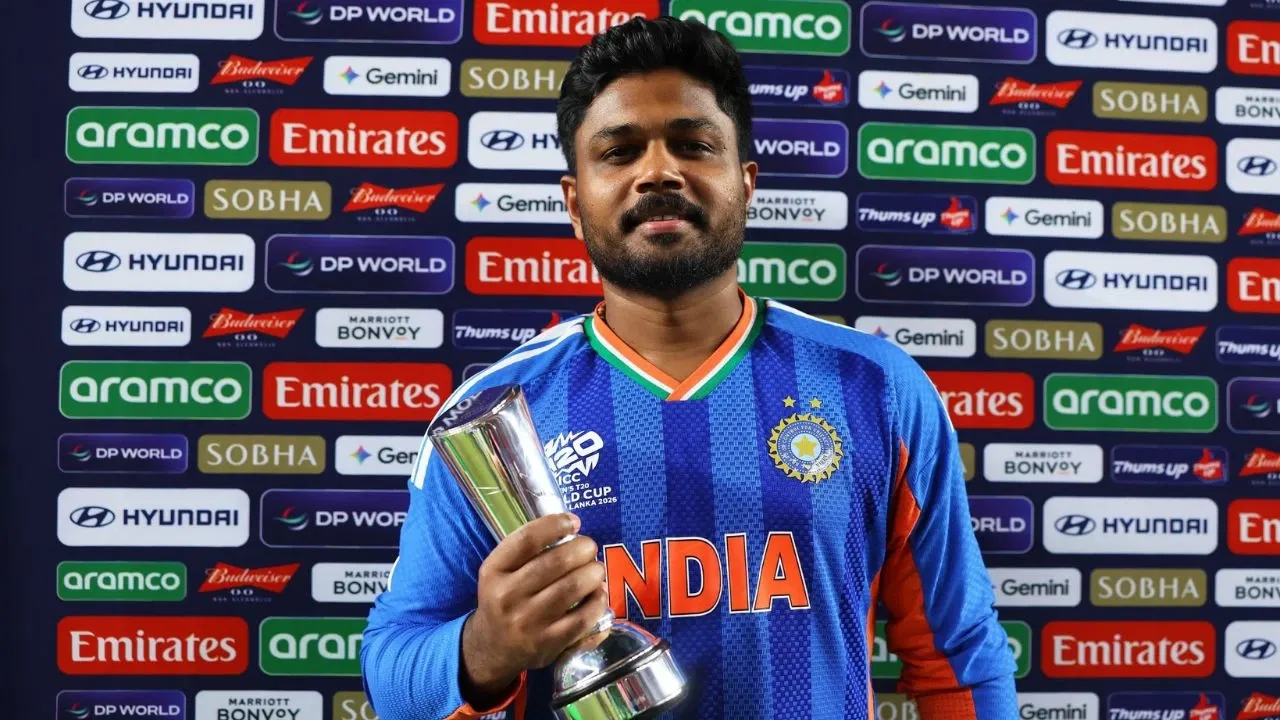
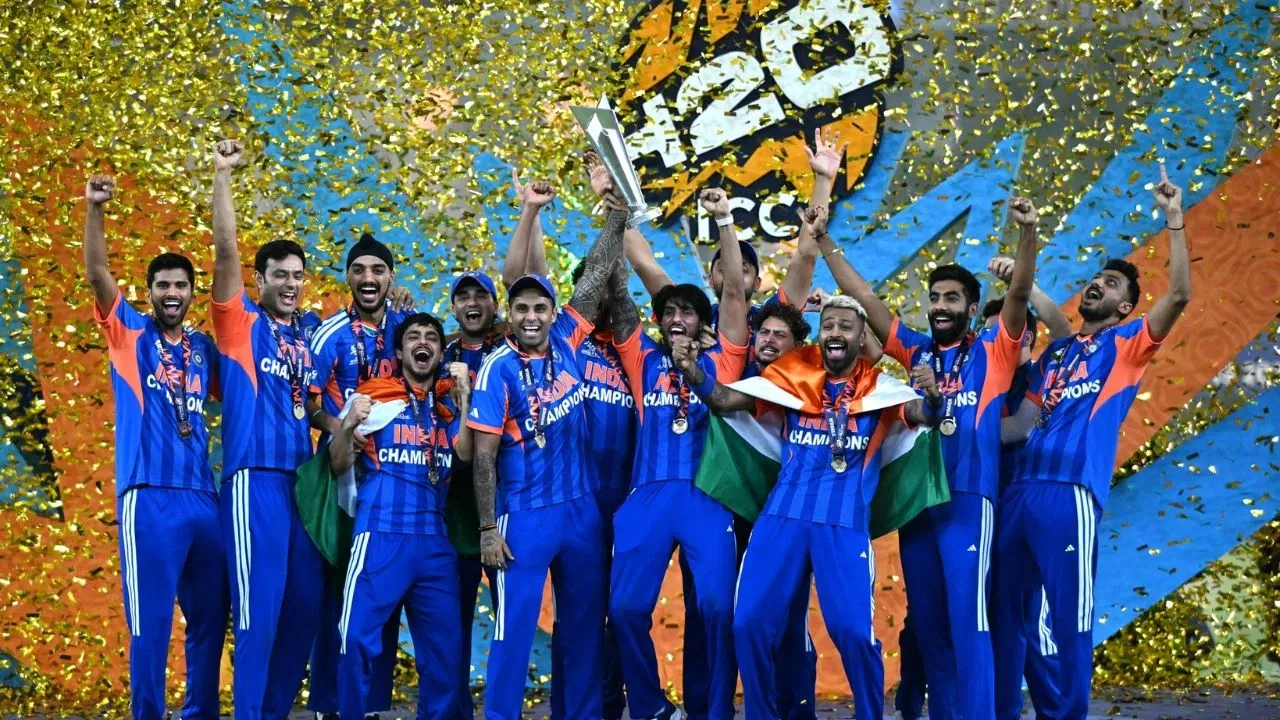
**India Clinches ICC Men’s T20 World Cup Title with a Dominant Victory**
The cricket world was left in awe as India secured a historic victory in the ICC Men’s T20 World Cup final against New Zealand, held at the iconic Narendra Modi Stadium in Ahmedabad. The Men in Blue displayed an exceptional performance, defeating New Zealand by a staggering 96 runs. This victory not only marked India’s back-to-back triumph in the tournament but also made them the first nation to claim the title on home soil.
**Sanju Samson Shines Bright as Player of the Tournament**
One of the standout players of the tournament was Sanju Samson, who was rightfully awarded the Player of the Tournament for his outstanding contributions to the team. Despite a start-stop beginning to the competition, Samson’s journey took a remarkable turn after being reintroduced into the side following India’s loss to South Africa. He went on to amass a total of 321 runs in just five innings, including three consecutive half-centuries, with notable performances in the semi-final and final matches.
**The Rise of Sanju Samson**
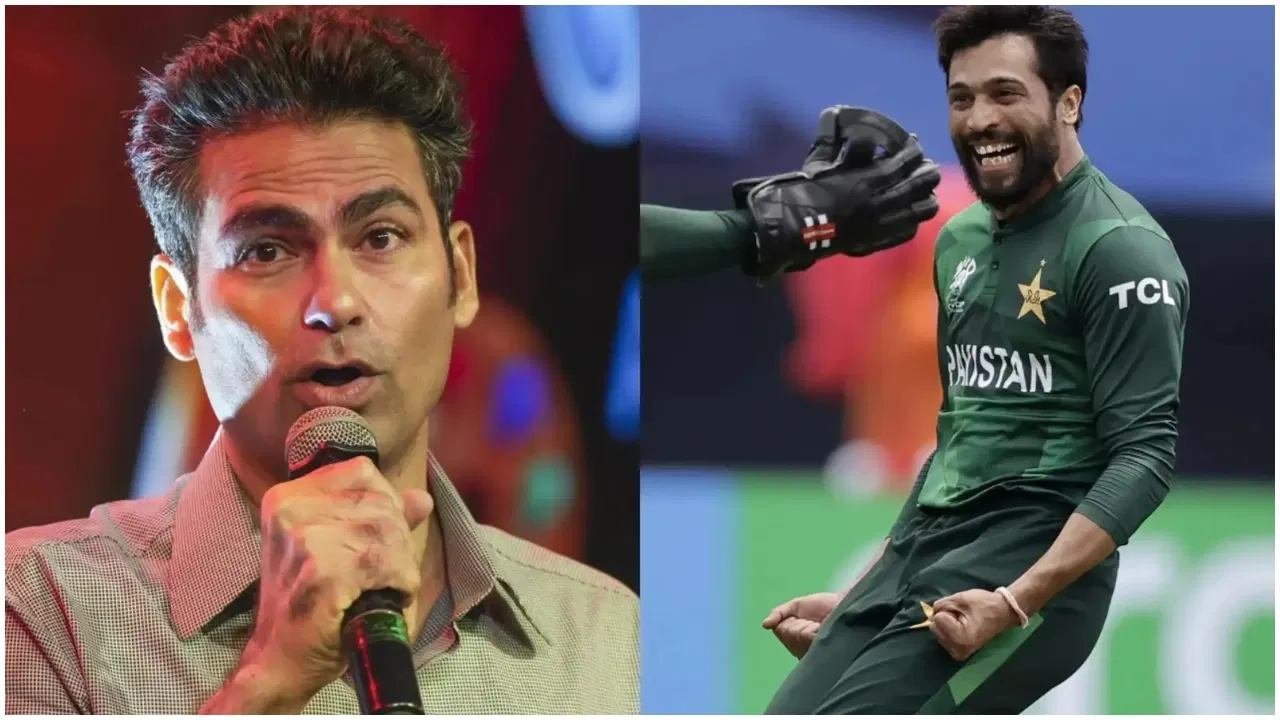
Sanju Samson’s redemption story has captured the attention of cricket enthusiasts worldwide, with many hailing his remarkable form and consistency throughout the tournament. Former India cricketer Mohammad Kaif even suggested that Samson could be a strong candidate for the role of India’s next T20 captain, emphasizing his leadership qualities and experience in captaining the Rajasthan Royals in the IPL.
**Speculations on India’s Next T20 Captain**
As discussions surrounding India’s next T20 captain intensify, names like Shubman Gill and Sanju Samson have emerged as potential contenders for the prestigious role. Mohammad Kaif, in a video discussion with Ravish Bisht, expressed his belief that Samson possesses the necessary qualities to lead the team effectively, citing his experience in making strategic decisions and nurturing young talents.
Kaif highlighted the importance of experience and leadership in the shorter format of the game, making a strong case for Samson to take on the captaincy role. However, he also acknowledged the talent and potential of players like Suryakumar Yadav, who has expressed his desire to continue playing at the highest level.
**The Road Ahead for Indian Cricket**
While the final decision regarding India’s next T20 captain remains uncertain, the team management and chief selector Ajit Agarkar are expected to carefully evaluate all available options before making a decision. Alongside Sanju Samson, players like Axar Patel are also being considered for the role, given their exceptional performances and all-around abilities on the field.
The future of Indian cricket looks promising, with a pool of talented players ready to take on new challenges and lead the team to further success on the international stage. As the cricketing world celebrates India’s triumph in the T20 World Cup, all eyes are now on the team’s next steps as they prepare for upcoming competitions and continue their quest for excellence in the sport.
**The Impact of Predictive Analytics in Cricket**
In the modern era of cricket, predictive analytics has emerged as a crucial tool for teams and players to gain a competitive edge. By leveraging advanced statistical models and data analysis techniques, teams can make informed decisions regarding player selection, game strategies, and performance predictions.
Predictive analytics in cricket involves the use of historical data, player statistics, pitch conditions, weather forecasts, and various other factors to forecast outcomes and trends in the game. This data-driven approach enables teams to identify patterns, weaknesses, and opportunities that can be utilized to optimize player performance and game strategies.
With the increasing emphasis on data-driven decision-making in cricket, predictive analytics has revolutionized the way teams prepare for matches, assess player performance, and strategize during gameplay. Coaches and analysts rely on sophisticated algorithms and machine learning models to predict player form, match outcomes, and even potential injuries, allowing them to make strategic adjustments in real-time.
**The Role of Predictive Analytics in Team Selection**
In the context of India’s recent victory in the ICC Men’s T20 World Cup, predictive analytics likely played a significant role in identifying players like Sanju Samson as key assets to the team. By analyzing Samson’s performance data, historical trends, and playing conditions, the team management could have predicted his potential impact on the tournament and made informed decisions about his inclusion in the squad.
Furthermore, predictive analytics can help teams identify emerging talent, assess player fitness levels, and predict match scenarios based on various variables. This data-driven approach enables teams to make strategic decisions that maximize performance on the field and increase the likelihood of success in high-stakes competitions.
**The Future of Predictive Analytics in Cricket**
As the cricketing landscape continues to evolve, the integration of predictive analytics is expected to play an increasingly vital role in shaping the future of the sport. By harnessing the power of data and technology, teams can gain deeper insights into player performance, opponent strategies, and match dynamics, ultimately enhancing their competitive advantage on the global stage.
In the years to come, we can expect to see a more widespread adoption of predictive analytics in cricket, with teams investing in cutting-edge technologies and data analysis tools to stay ahead of the curve. From player selection to in-game decision-making, predictive analytics will continue to drive innovation and excellence in the sport, ushering in a new era of data-driven success.
In conclusion, the use of predictive analytics in cricket has revolutionized the way teams prepare, perform, and strategize in the game. As India celebrates its triumph in the ICC Men’s T20 World Cup, the role of data-driven insights and predictive modeling cannot be understated in their path to victory. Looking ahead, the future of cricket will undoubtedly be shaped by the innovative application of predictive analytics, paving the way for new strategies, enhanced performance, and continued success on the global stage.
Latest News
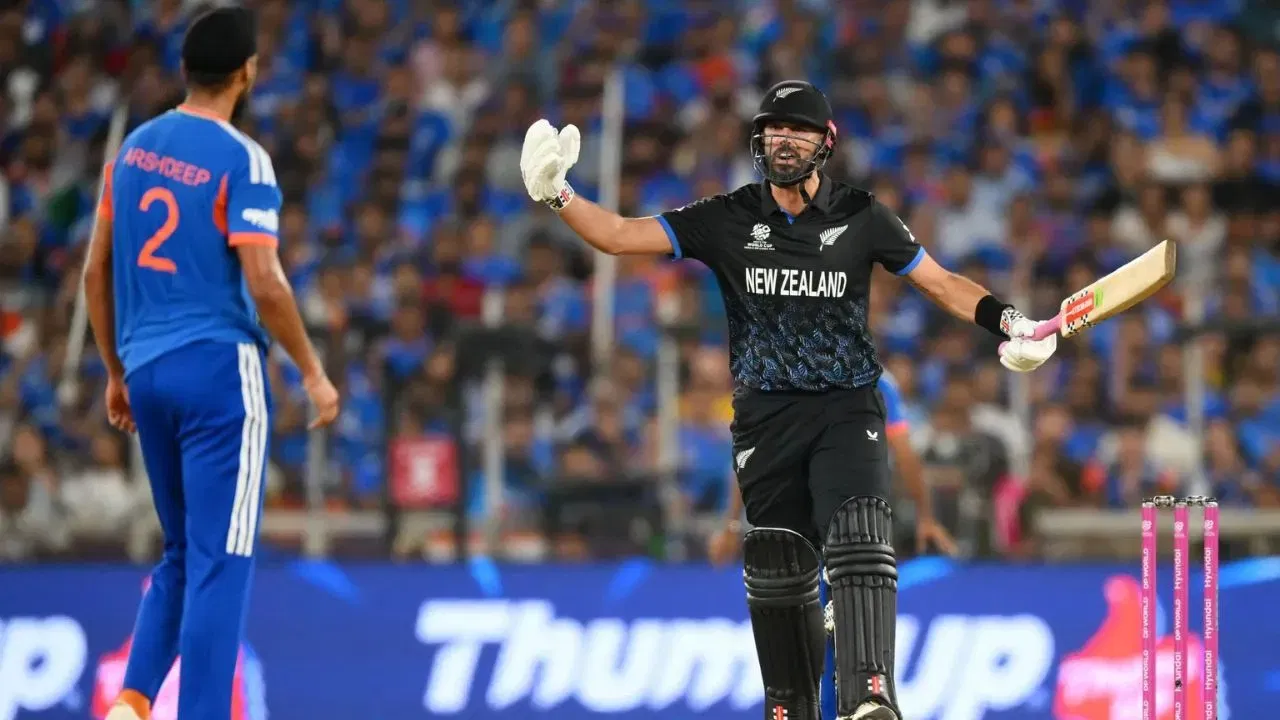
Jay Shah punishes Arshdeep Singh for dangerous act in T20 World Cup 2026 final
Not India! Kevin Pietersen’s ex-teammate claims South Africa were best team at T20 WC 2026
Sanju Samson named new India T20I captain by…
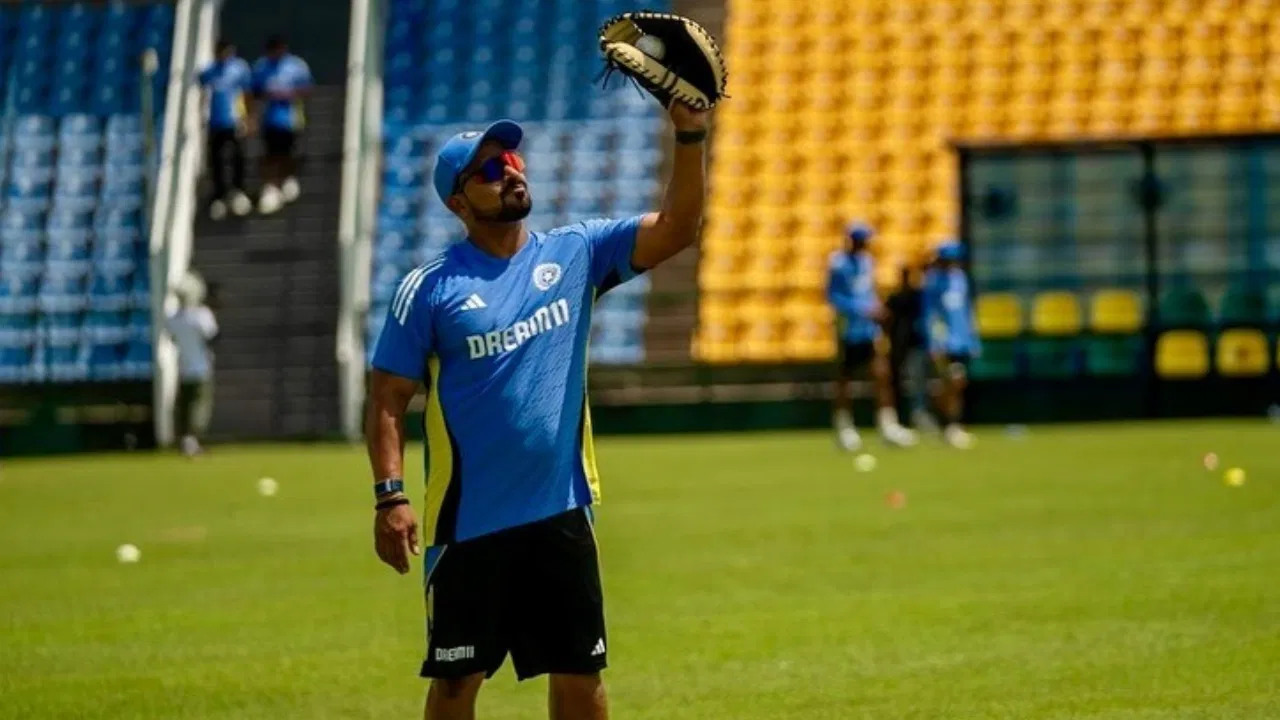
“It was the best effort” – T Dilip picks Team India’s ‘Jonty Rhodes’ after T20 World Cup 2026 win
IPL behind India’s T20 World Cup 2026 win, says Australia legend while mocking BBL
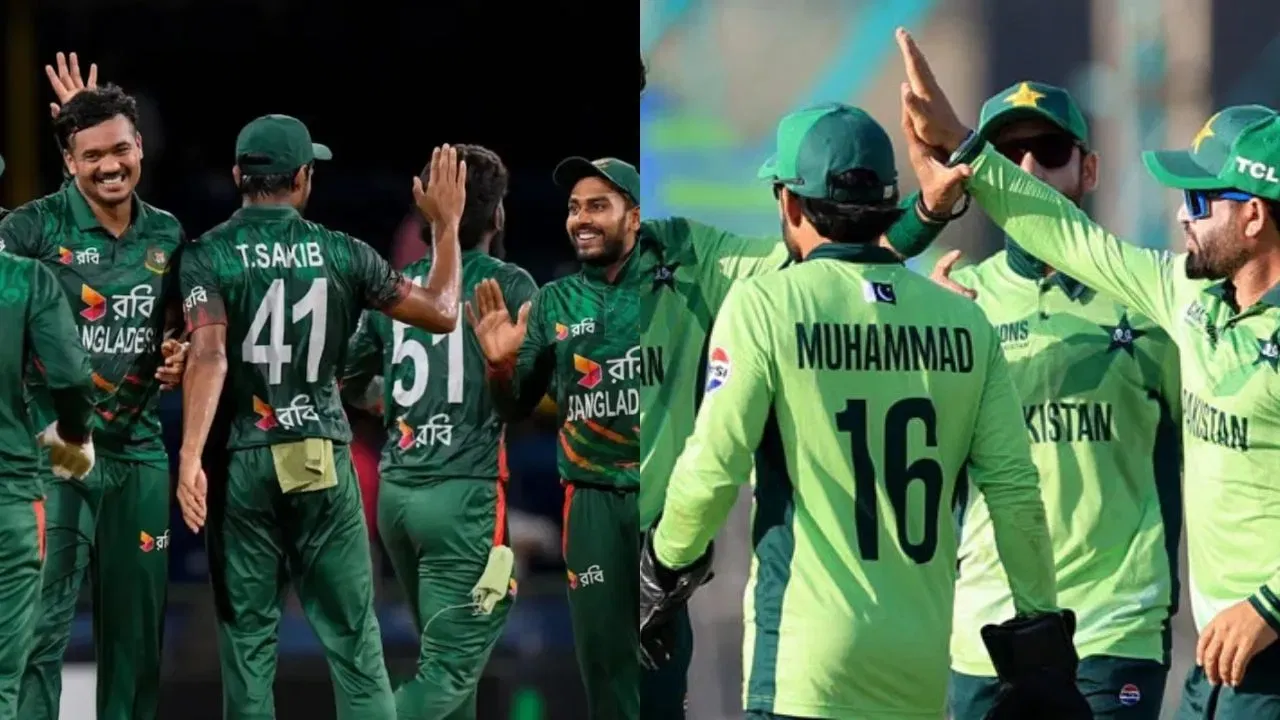
Bangladesh Playing XI vs Pakistan Playing XI – 1st ODI | Pakistan tour of Bangladesh 2026
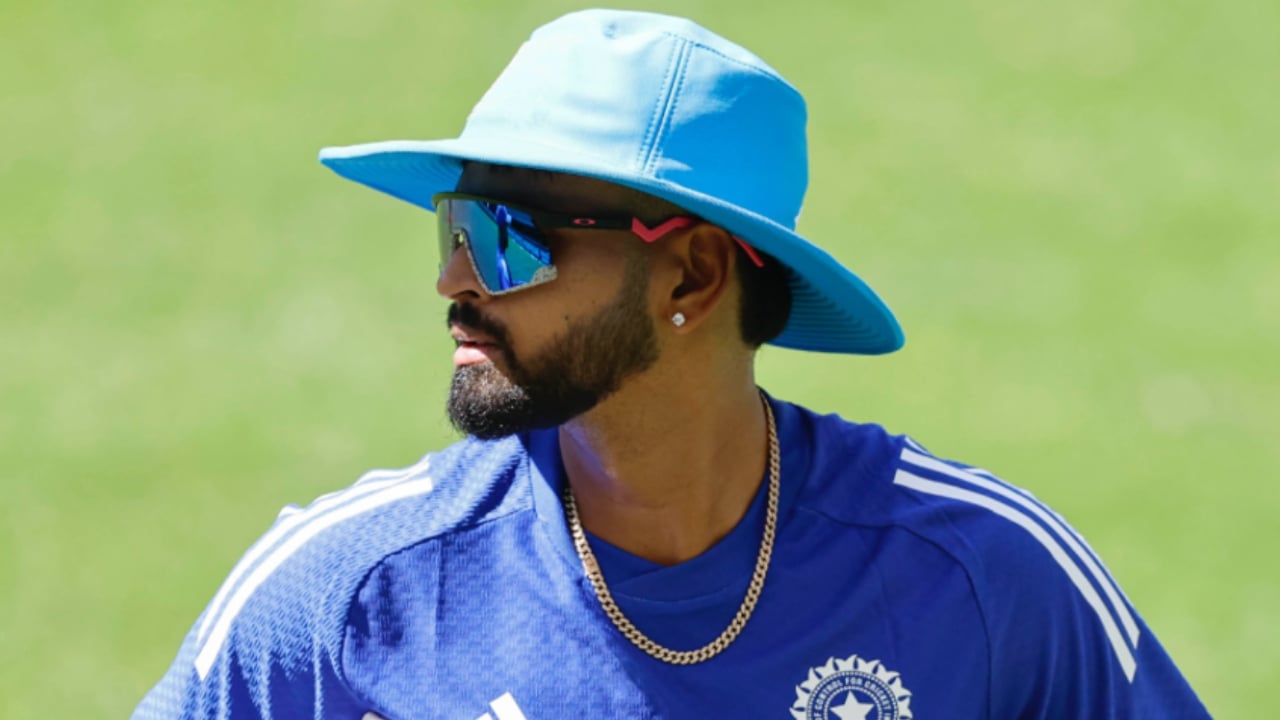
Shreyas Iyer’s comeback to India T20I team initiated after 2026 World Cup triumph
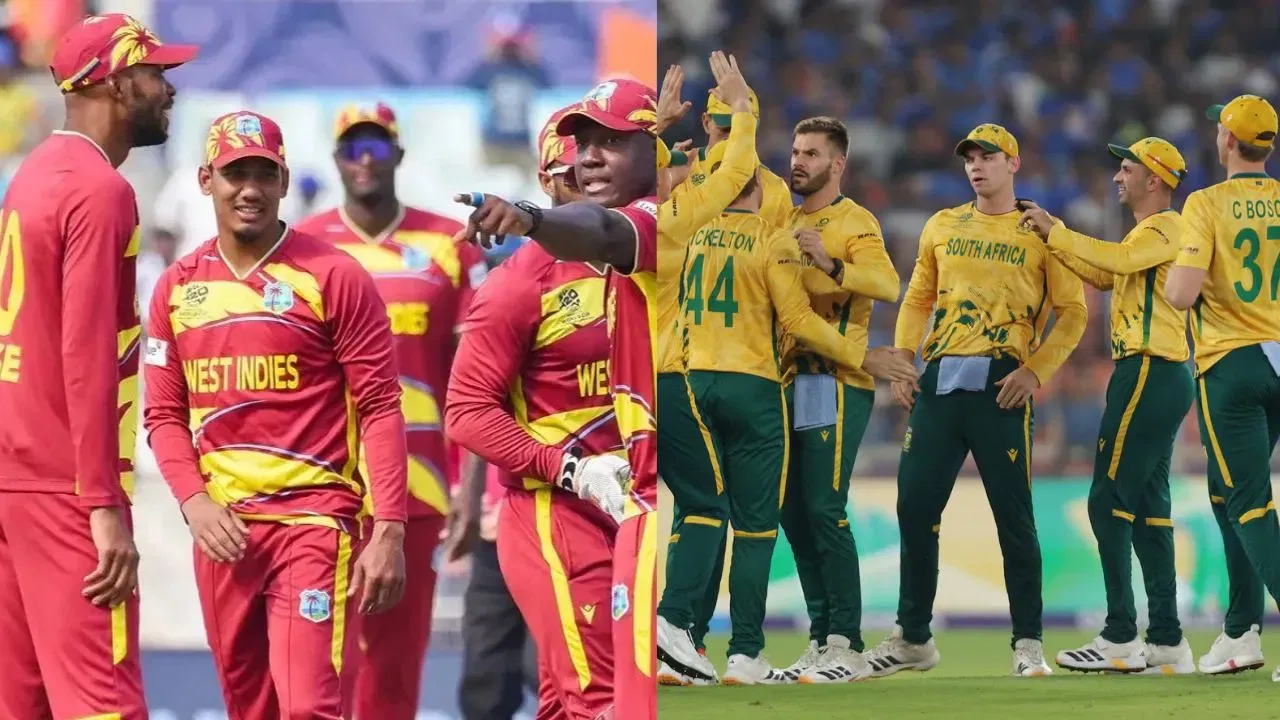
Jay Shah books commercial flights for West Indies and South Africa after charter flight chaos
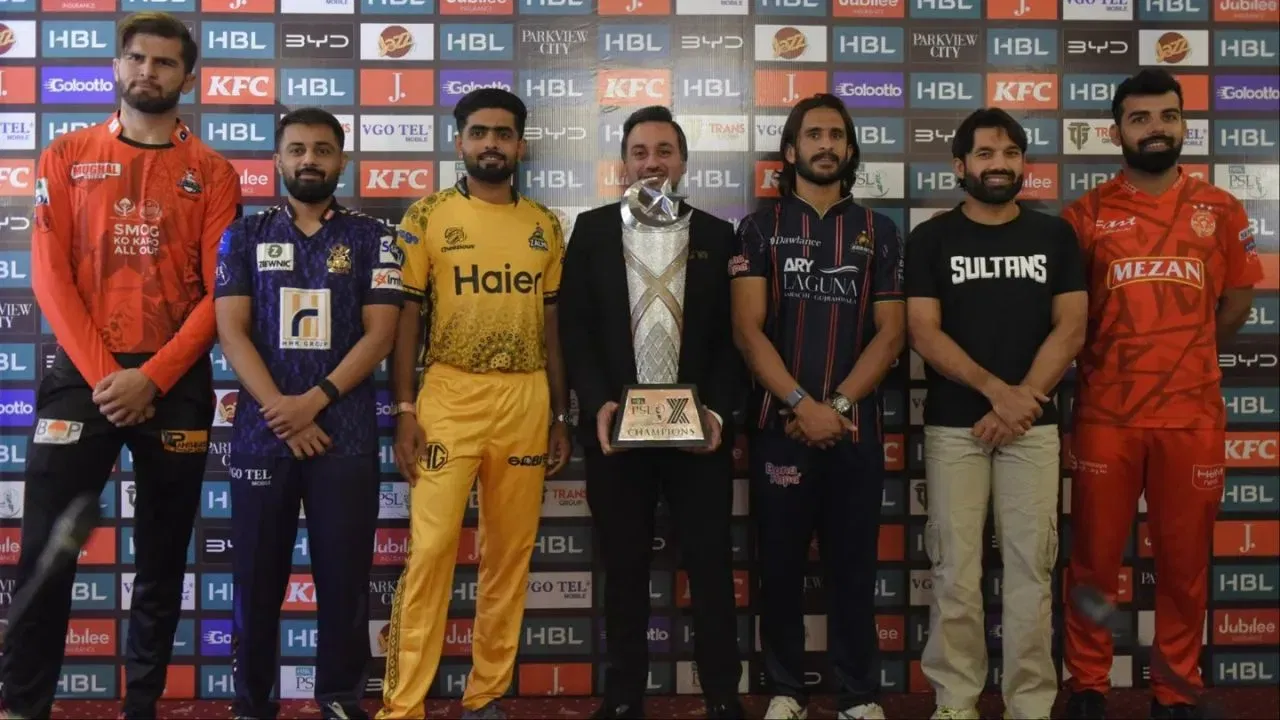
PSL 2026 fixture scheduled revealed as Lahore Qalandars to kick off the 11th season
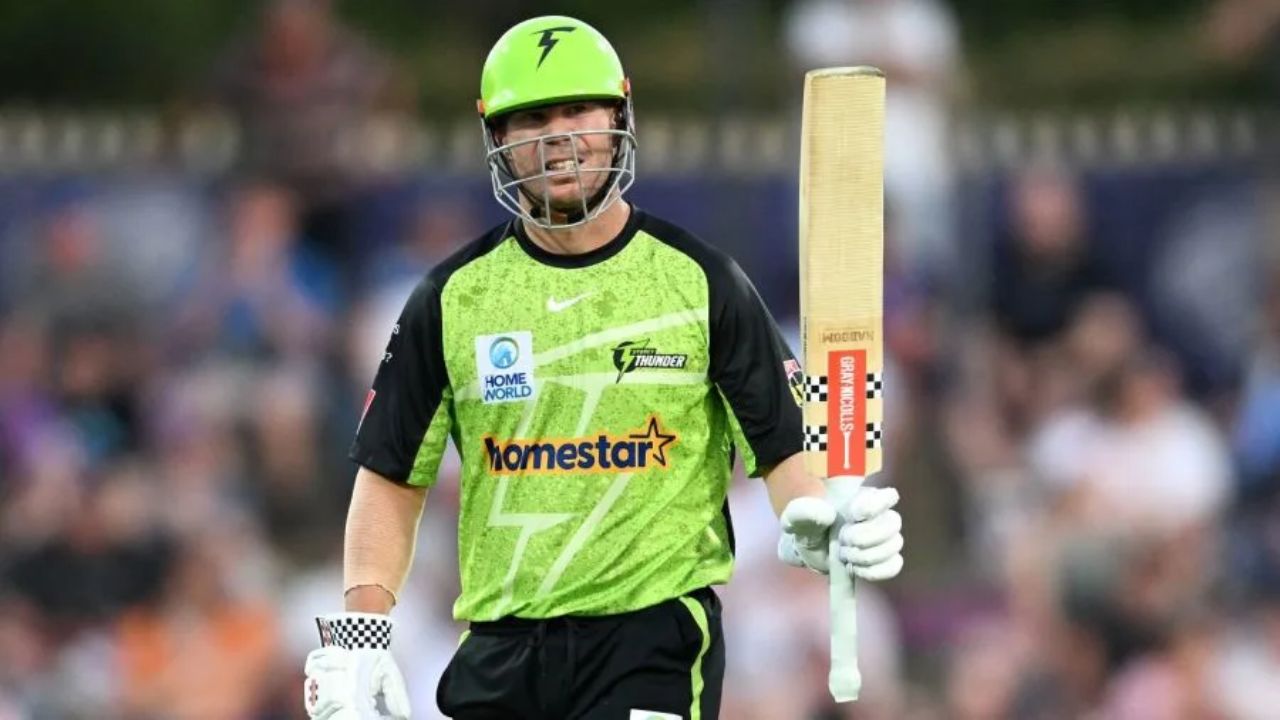
David Warner officially named Pakistani team captain
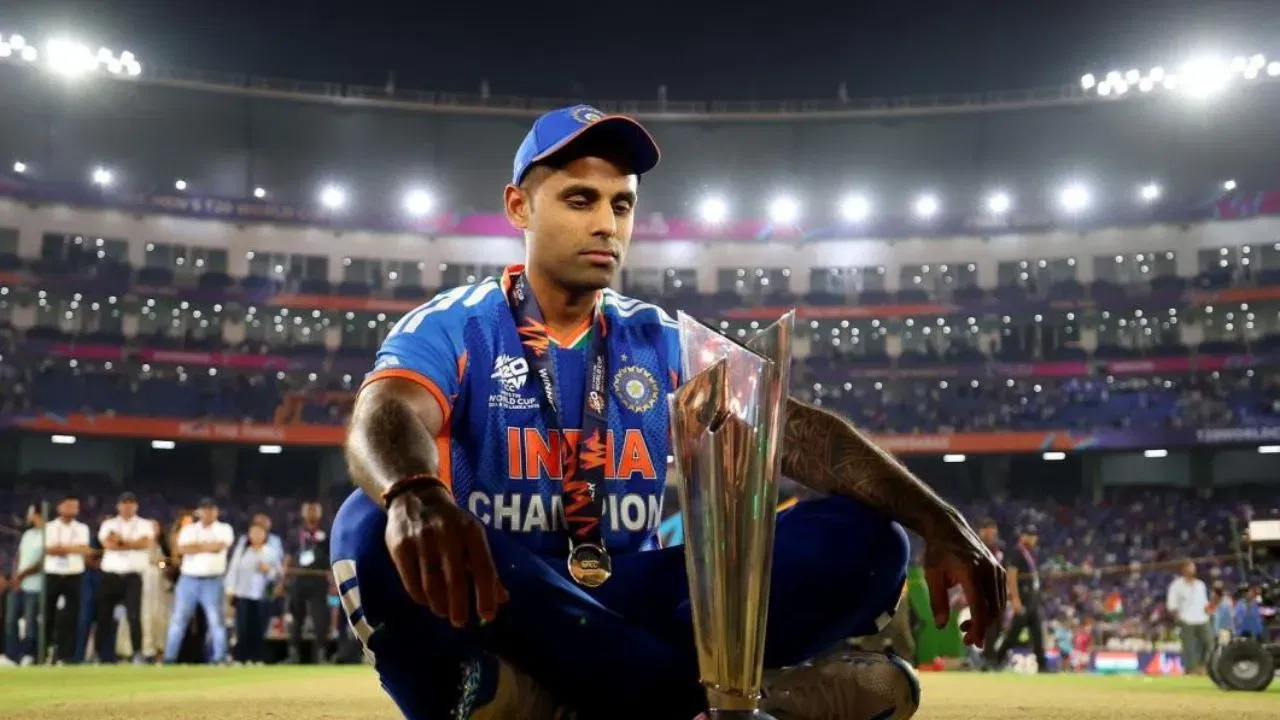
Suryakumar Yadav blocks new captain talk in India T20I team, shifts focus to Olympic gold
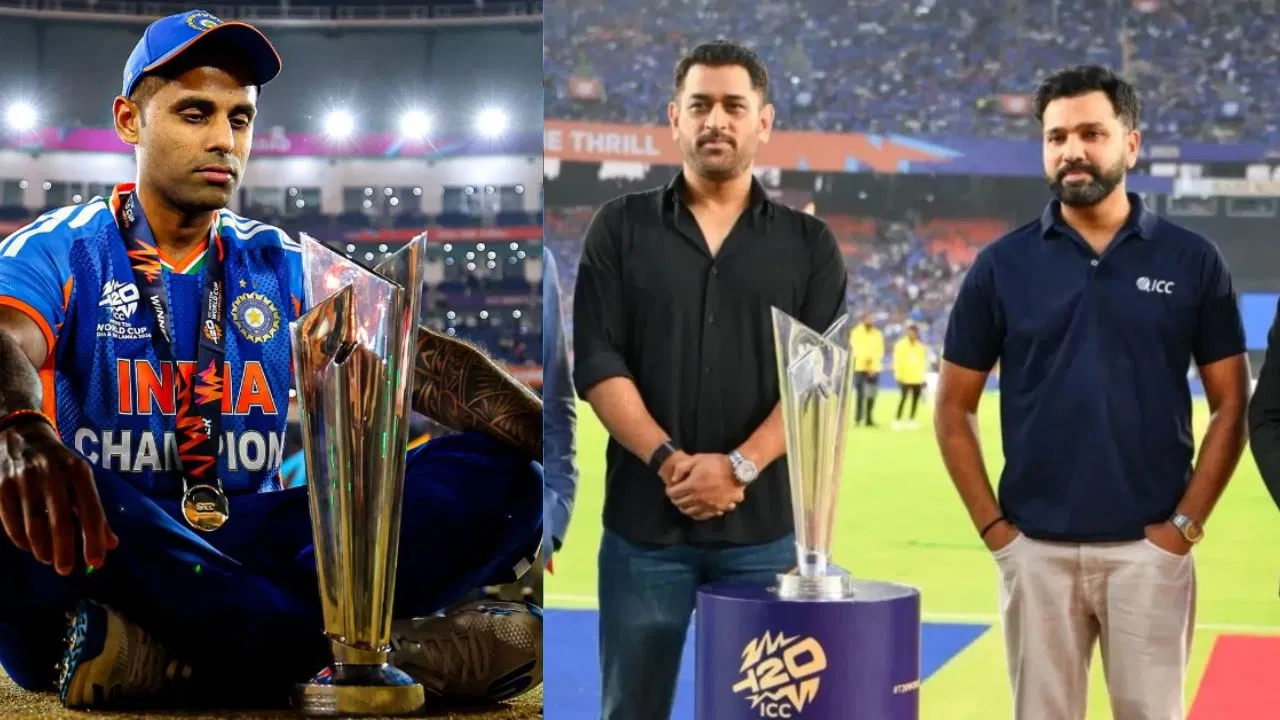
NOT Rohit Sharma! Suryakumar Yadav credits MS Dhoni after ICC Men’s T20 WC 2026 glory

Rinku Singh shares emotional tribute to late father after India’s T20 World Cup 2026 victory
Mohammad Amir surrenders to Mohammad Kaif after ugly fight over India’s T20 WC 2026 chances