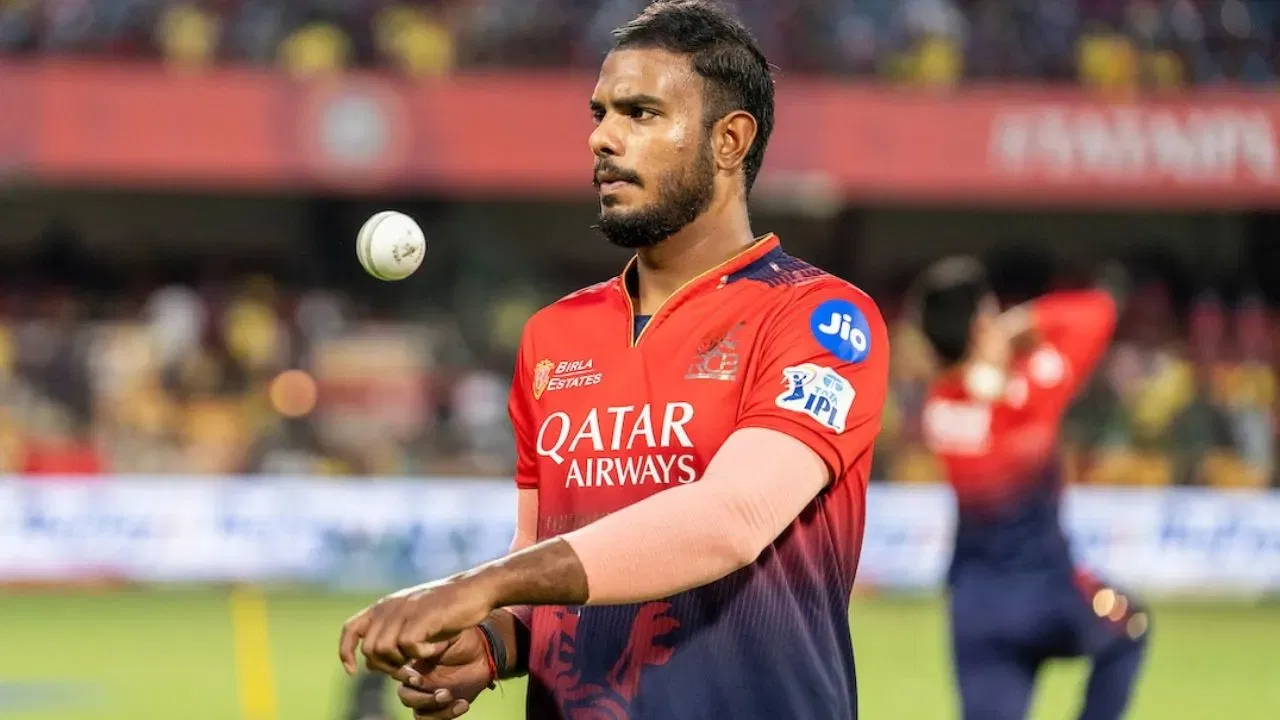
Saqlain Mushtaq smells ‘MATCH-FIXING’ in West Indies vs South Africa T20 World Cup match
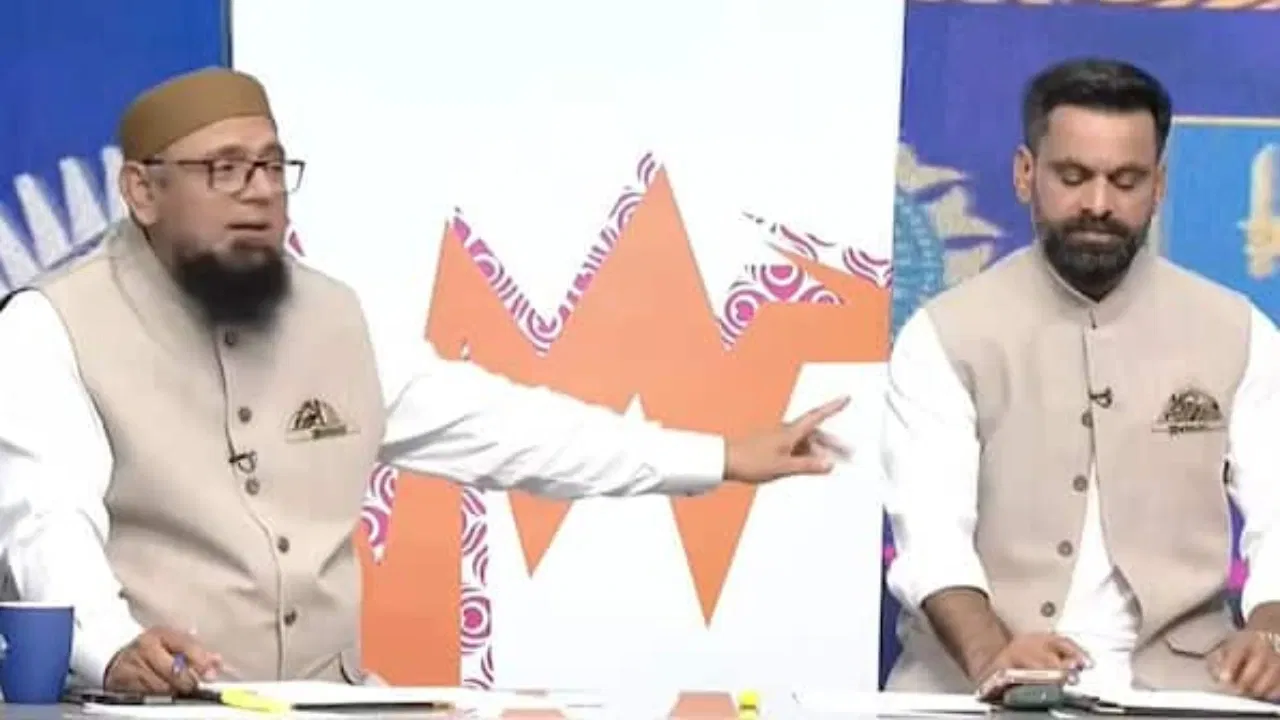
West Indies Suffers Defeat Against South Africa in T20 World Cup 2026
The West Indies cricket team faced a devastating nine-wicket loss to South Africa in their Super 8 match of the T20 World Cup 2026 in Ahmedabad on February 26. This defeat dealt a heavy blow to their semifinal prospects, leaving them with the daunting task of beating India in their final Super 8 encounter to secure a spot in the top 4.
West Indies’ Selection Blunder
The West Indies made a significant gamble by opting to drop the in-form bowler Akeal Hosein in favor of Roston Chase, a decision that ultimately backfired. Their bowling attack appeared lackluster, with only Chase managing to secure a single wicket against the formidable South African side.
South Africa’s Dominance
South Africa showcased their power and control as they successfully chased down a target of 177 runs, remaining undefeated in the ongoing T20 World Cup. The West Indies struggled from the outset, finding themselves at 83 for 7 at one stage during the crucial Super 8 match.
Romario Shepherd emerged as a ray of hope for the West Indies, displaying exceptional determination and skill to score his maiden T20I fifty. Supported by Jason Holder’s impressive knock of 49 runs, the duo added 89 runs, pushing the West Indies to a competitive total of 176 for 8.
South Africa’s Commanding Batting Display
In response to the target set by the West Indies, the South African batters displayed ruthless efficiency. Aiden Markram (82*) and Quinton de Kock (47*) launched a brutal assault from the outset, forming a partnership that added 95 runs in just 48 balls for the first wicket.
Although Chase managed to dismiss de Kock in the eighth over, Ryan Rickelton continued the onslaught against the struggling West Indies bowling attack. Rickelton scored 45 runs from 28 balls, while Markram guided the chase, culminating in an unbeaten 82-run partnership that saw South Africa securing victory within 17 overs.
Saqlain Mushtaq’s Criticism
Following the defeat in Ahmedabad, former Pakistan spinner Saqlain Mushtaq raised concerns regarding the West Indies team’s strategy and sudden changes. He criticized the decision to drop Hosein for Chase, highlighting the lackluster performance of the bowlers against South Africa.
Saqlain insinuated that the manner in which the West Indies concluded the match seemed suspicious, hinting at potential match-fixing to aid India’s qualification for the semifinals. Expressing astonishment at Hosein’s exclusion for such a crucial match, Saqlain questioned the team’s decision-making.
Despite their recent dominant victory over Zimbabwe, the West Indies faltered against South Africa, with Saqlain noting a stark contrast in their energy and execution on the field. He expressed disappointment in the team’s performance, emphasizing the drastic shift from their previous display of dominant cricket.
In conclusion, the West Indies’ loss to South Africa serves as a wake-up call for the team, highlighting the importance of strategic decisions and consistent performance in high-stakes matches.
Impact of the Defeat on West Indies
The defeat against South Africa not only jeopardized the West Indies’ chances of advancing to the semifinals but also raised questions about the team’s overall performance and decision-making. With the pressure mounting for their upcoming clash against India, the West Indies will need to regroup and address the shortcomings exposed in their match against South Africa.
Importance of Predictive Analytics in Cricket
One area that cricket teams are increasingly turning to for gaining a competitive edge is predictive analytics. By analyzing vast amounts of data, teams can make informed decisions regarding strategy, team selection, and match predictions. In the case of the West Indies’ selection blunder in dropping Akeal Hosein, predictive analytics could have potentially highlighted the impact of such a decision on the team’s overall performance.
Utilizing advanced statistical models and machine learning algorithms, cricket teams can now predict player performance, match outcomes, and even simulate various scenarios to optimize their chances of success. This data-driven approach can provide valuable insights into opposition strengths and weaknesses, helping teams make more precise decisions under pressure.
The Evolution of T20 Cricket
The T20 format of cricket has revolutionized the game, bringing in a new era of fast-paced, high-scoring matches that captivate audiences worldwide. With its emphasis on power-hitting, innovative shots, and dynamic bowling strategies, T20 cricket has challenged traditional cricketing norms and pushed players to adapt to the demands of the format.
Teams like South Africa have excelled in T20 cricket by blending aggression with tactical acumen, showcasing a balance between explosive batting and disciplined bowling. Their dominant performance against the West Indies exemplifies the evolution of T20 cricket and the importance of adaptability and skill in this format.
The Role of Mentality and Resilience in Cricket
Cricket is not just a physical game but also a mental one, where a player’s mentality and resilience play a crucial role in determining success. The West Indies’ collapse against South Africa underscores the significance of mental strength in overcoming adversity and bouncing back from setbacks.
Players like Romario Shepherd, who showed grit and determination in scoring a crucial fifty, exemplify the importance of mental fortitude in high-pressure situations. Developing a resilient mindset and the ability to stay focused under duress can make a significant difference in a team’s performance, especially in critical matches like the T20 World Cup.
Looking Ahead: Lessons Learned
As the West Indies prepare to face India in their final Super 8 encounter, they must reflect on the lessons learned from their defeat against South Africa. The team’s selection process, bowling strategies, and overall approach to the game will need to be recalibrated to tackle the formidable Indian side and secure a spot in the semifinals.
By leveraging predictive analytics, embracing the evolution of T20 cricket, nurturing a resilient mentality, and making strategic adjustments, the West Indies can bounce back from their loss and strive for success in the remainder of the T20 World Cup 2026.
Latest News
Rajasthan Royals sold! Kal Somani’s $1.63 billion deal backed by Walmart and Ford powerhouses
‘I’m not carrying that baggage, but Virat Kohli…’: RCB boss makes huge statement ahead of IPL 2026
MS Dhoni set to return as CSK captain for his last IPL season?
‘Rohit Sharma is good enough to be part of Indian T20I team’: MS Dhoni’s ex-teammate’s big remark
3 RCB players who could struggle in IPL 2026 – ft Venkatesh Iyer
3 RCB players who could struggle in IPL 2026 – ft Venkatesh Iyer
3 MI players who could struggle in IPL 2026 – ft Rohit Sharma
3 CSK players who could struggle in IPL 2026 – ft MS Dhoni
3 KKR players who could struggle in IPL 2026 – ft Ajinkya Rahane

3 SRH players who could struggle in IPL 2026 – ft Liam Livingstone

3 DC players who could struggle in IPL 2026 – ft Mitchell Starc

3 RR players who could struggle in IPL 2026 – ft Jofra Archer
IPL suffers big setback! Media rights value expected to plateau despite huge popularity
‘Most of ECB hierarchy should be sacked’: England legend blasts decision to retain Brendon McCullum