Serious scandal involving Ravindra Jadeja’s stint at Kochi Tuskers Kerala comes out
The Kochi Tuskers Kerala Controversy Resurfaces with Shocking Revelations
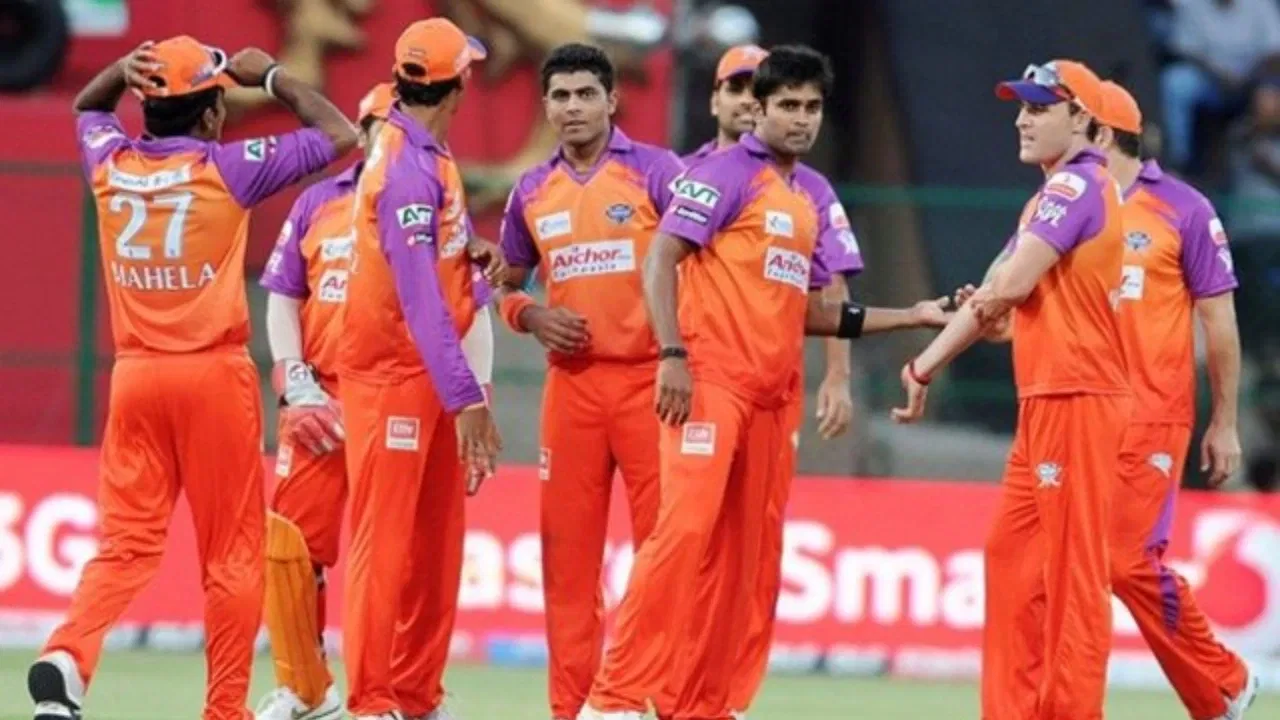
The long-standing controversy surrounding the Kochi Tuskers Kerala (KTK) has once again made headlines, this time with even more shocking developments. The franchise, which participated in just one season of the Indian Premier League (IPL) back in 2011, has found itself embroiled in a massive money dispute involving cricketing legends such as Mahela Jayawardene, VVS Laxman, and Ravindra Jadeja.
The History of the Kochi Tuskers Kerala Controversy
The saga began when the Board of Control for Cricket in India (BCCI) terminated the Kochi Tuskers Kerala’s contract after only 14 matches due to a missed bank guarantee deadline. Fast forward more than a decade later, and the situation has taken a dramatic turn. Recently, the Bombay High Court ruled in favor of the now-defunct franchise, ordering the BCCI to pay a staggering Rs 538 crore.
However, the controversy does not end there. A recent report published by the Malayalam newspaper Mathrubhumi has uncovered a startling truth. According to the report, several renowned cricketers from around the world are still awaiting their full payments from the IPL 2011 season.
The Unpaid Dues to Cricketers
The Mathrubhumi report revealed that the Kochi Tuskers Kerala had only paid the first two salary installments to players, leaving the third installment, which accounted for 35 percent of their total pay, still outstanding. Among the affected players are some of the biggest names in cricket.
For instance, Sri Lankan cricketing legend Mahela Jayawardene is reportedly owed over INR 2 crore, while former New Zealand captain and current England head coach Brendon McCullum’s pending dues amount to nearly Rs 75 lakh. Other players, including VVS Laxman, Ravindra Jadeja, Steve Smith, S. Sreesanth, and Parthiv Patel, are also among those awaiting their final installment from the defunct franchise.
Bombay High Court’s Verdict
Following years of legal battles, the Bombay High Court has finally intervened in the dispute between the Kochi Tuskers Kerala and the BCCI. The court has directed the BCCI to pay a total of Rs 550 crore, with Rs 384 crore allocated to KCPL and Rs 153 crore to Rendezvous Sports.
The roots of the conflict trace back to 2011 when the BCCI terminated the Kochi Tuskers Kerala’s contract for failing to pay the annual franchise fee. Despite the franchise’s purchase price of Rs 1,550 crore, it managed to challenge the decision and secure an arbitration victory in 2015.
While the BCCI attempted to contest the ruling, the Bombay High Court upheld the arbitration decision, citing a breach of contract terms due to the wrongful use of the team’s bank guarantee. With this definitive judgment, it appears that the prolonged legal battle may finally be reaching its conclusion, and the BCCI is now obligated to fulfill its financial obligations.
As the Kochi Tuskers Kerala controversy continues to unfold, the cricketing world watches closely to see how this longstanding issue will be resolved and what implications it may have on the future of the sport in India.
The Impact on Cricketers and the Future of the IPL
The unpaid dues to cricketers from the Kochi Tuskers Kerala controversy have not only affected the players financially but have also raised concerns about the treatment of athletes in the world of professional cricket. The delayed payments not only tarnish the reputation of the IPL but also highlight the vulnerability of players, especially when dealing with defunct franchises.
With players like Mahela Jayawardene and Brendon McCullum awaiting their rightful earnings from a decade ago, the issue brings into question the accountability and responsibility of team owners and league organizers in ensuring that players are fairly compensated for their contributions to the sport. This controversy serves as a stark reminder of the importance of maintaining transparency and upholding contractual agreements in the realm of professional sports.
Moreover, the ongoing legal battle between the Kochi Tuskers Kerala and the BCCI has implications beyond the immediate financial repercussions. It sheds light on the need for robust governance and oversight mechanisms within cricketing organizations to prevent similar disputes from arising in the future. The verdict delivered by the Bombay High Court sets a precedent for resolving conflicts between franchises and governing bodies, emphasizing the significance of adhering to contractual obligations and abiding by the rules and regulations set forth by the BCCI.
The Future of Franchises in the IPL
As the Kochi Tuskers Kerala controversy unfolds, it prompts reflection on the sustainability and viability of franchises within the IPL. The episode serves as a cautionary tale for both existing and prospective team owners, highlighting the risks and challenges associated with operating a franchise in one of the world’s most lucrative cricket leagues.
The financial troubles faced by the Kochi Tuskers Kerala underscore the complexities of managing a sports franchise, from securing sponsorships and managing player contracts to meeting financial obligations and navigating the competitive landscape of the IPL. The controversy serves as a reminder of the need for robust financial planning, transparent operations, and effective governance structures to ensure the long-term success and stability of franchises within the league.
Moving forward, the BCCI and other cricketing authorities may need to reevaluate their oversight mechanisms and regulatory frameworks to prevent similar controversies from arising in the future. By enhancing transparency, enforcing compliance with contractual agreements, and promoting financial accountability, the governing bodies can safeguard the interests of players, franchises, and the broader cricketing community.
Conclusion
The resurgence of the Kochi Tuskers Kerala controversy has reignited discussions about the financial integrity, governance, and accountability within the IPL and the broader landscape of professional cricket. The shocking revelations of unpaid dues to cricketers and the legal battle between the franchise and the BCCI underscore the complexities and challenges inherent in managing sports franchises at the highest level.
As stakeholders continue to navigate the fallout from this controversy, the key takeaway remains the importance of upholding contractual agreements, ensuring fair treatment of players, and fostering a culture of transparency and accountability within cricketing organizations. By learning from past mistakes and implementing stronger regulatory frameworks, the cricketing community can work towards a more sustainable and ethical future for the sport in India and beyond.
Latest News
Prithvi Shaw declares his mission to return to team India begins from IPL 2026
Irfan Pathan questions Arshdeep Singh’s bowling ahead of IPL 2026
“Mind is somewhere else”: Yuvraj’s Father exposes Abhishek Sharma’s indiscipline lifestyle

EX-RCB pacer joins KKR as replacement of Harshit Rana ahead of IPL 2026

“Win our first trophy”: Sanjiv Goenka crowns LSG as champions ahead of IPL 2026
New catching rule? Captains warned over ‘Incomplete’ catches ahead of IPL 2026

Pat Cummins in awe of Ishan Kishan’s captaincy

Ex-India star accuses teammates of ‘Racism’, blames it for early international exit
“I love watching Shreyas Iyer bat” – PBKS all-rounder Cooper Connolly ahead of IPL 2026

Yograj Singh gives Ravichandran Ashwin belt treatment because of Arjun Tendulkar remarks
CSK legend advises Shubman Gill the best way to bounce back in T20I team
Jasprit Bumrah Injury Scare, reason behind visit to CoE revealed
“Didn’t invite me”: R Ashwin puts Kuldeep Yadav in spotlight over wedding snub
Ireland Cricket announced the full list of central contracts for the 2026-27 season