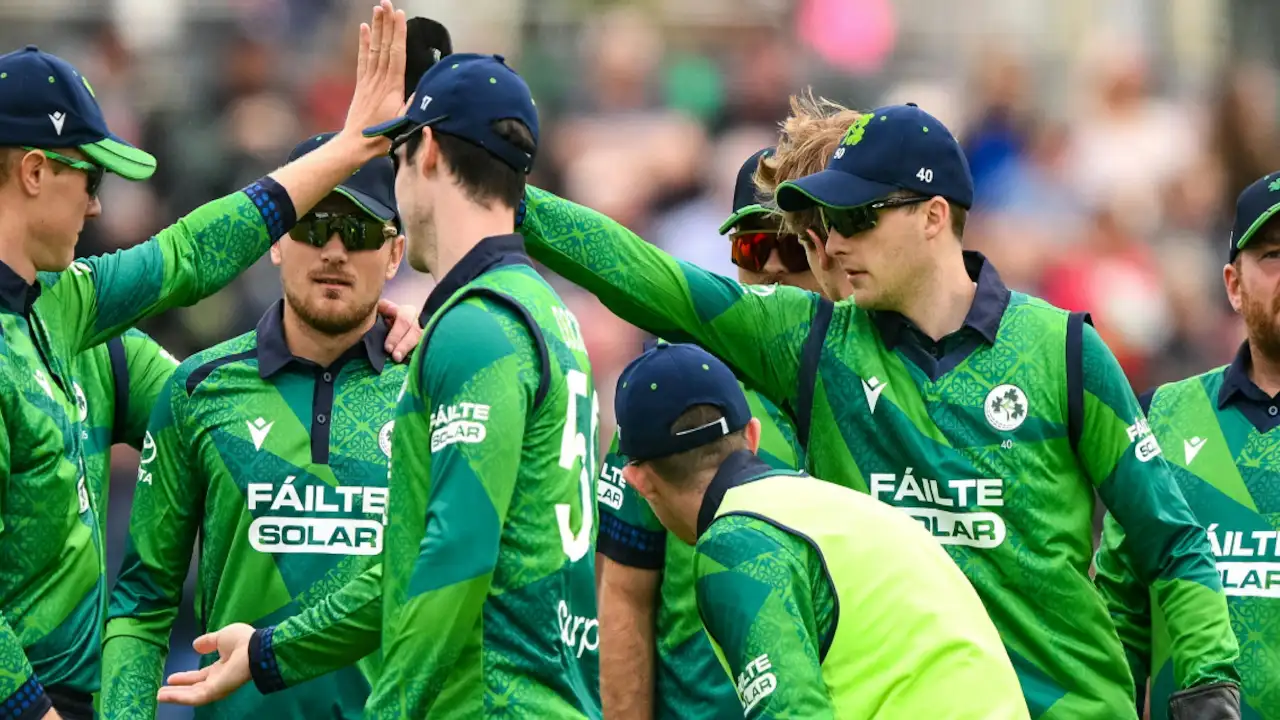
Shadab Khan to be named new Pakistan captain despite poor performances
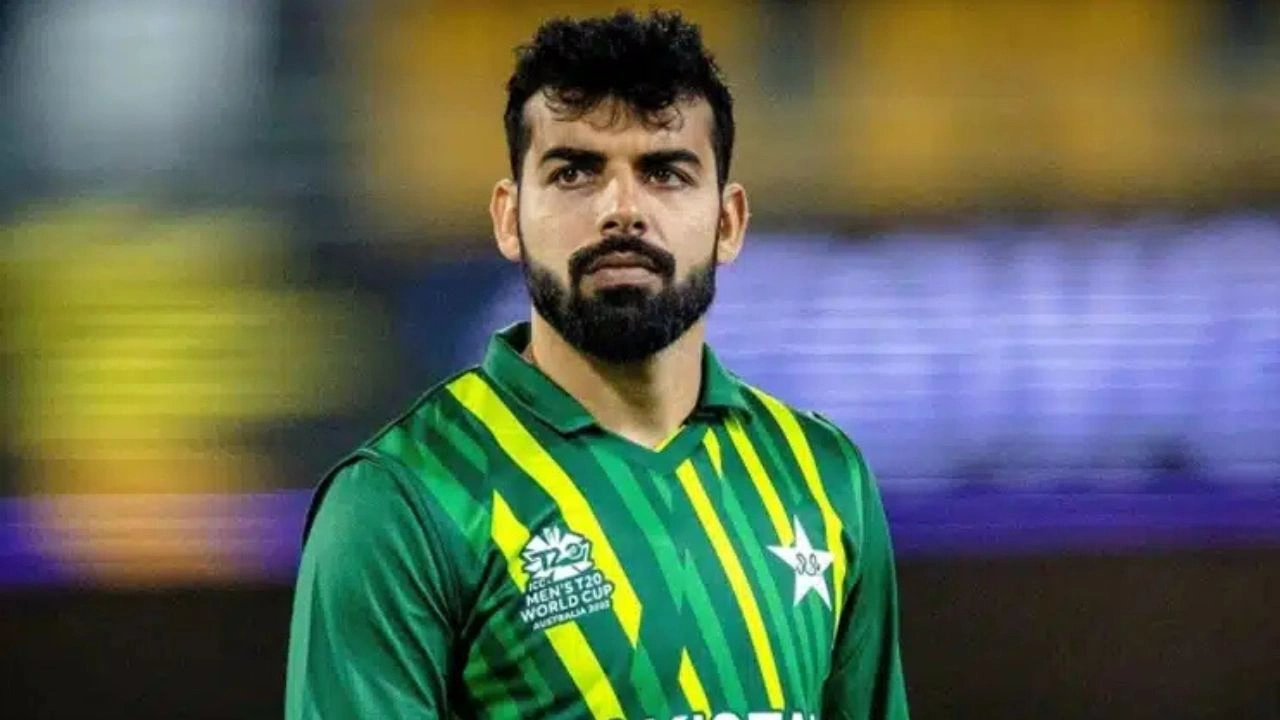
Pakistan Cricket Board Contemplates Captaincy Change Amid T20 World Cup Struggles
The Pakistan Cricket Board (PCB) is reportedly considering a change in captaincy for the Men in Green if they fail to advance to the semi-finals of the ongoing ICC T20 World Cup 2026. Captain Salman Ali Agha is facing mounting pressure, with speculations suggesting that all-rounder Shadab Khan could be the potential replacement.
Salman Ali Agha’s Captaincy Struggles
Salman Ali Agha took charge as Pakistan’s captain in March last year, stepping in after the exclusion of Babar Azam and Mohammad Rizwan for the New Zealand series. Under Agha’s leadership, Pakistan has played five matches in the T20 World Cup 2026, with his tactical decisions coming under scrutiny.
Notably, Pakistan suffered a significant 61-run defeat to arch-rivals India in their Group A encounter in Colombo on February 15. Subsequently, another loss to England in a Super Eight match further raised doubts regarding Agha’s captaincy abilities.
Possible Change in Leadership
Reports from Revsportz suggest that Salman Ali Agha may be relieved of his captaincy duties, paving the way for Shadab Khan to take over the reins. However, the final decision is likely to be made post the conclusion of the Pakistan Super League (PSL) 2026. Agha’s own performance with the bat has also been lackluster, managing just 60 runs in five innings during the tournament.
A source quoted by RevSportz mentioned, “I think they will wait until the end of the PSL before taking a call” regarding Agha’s future as captain.
Shadab Khan in the Spotlight
Former Pakistan cricketer Shoaib Malik weighed in on the ongoing discussions, stating that Shadab Khan has been a prominent figure in the captaincy conversations for some time now. Malik highlighted that even during Shadab Khan’s injury layoff, reports were already linking him to the leadership role.
Malik added, “People have started taking Shadab’s name for the captaincy. Even earlier, if you look at it, when he was injured, things were moving in the same direction.” He also hinted at the influence of Islamabad United’s regime potentially shaping these decisions.
Pakistan’s Semi-Final Hopes Hang in the Balance
As Pakistan gears up to face Sri Lanka in their final Super Eight match on February 28 in Pallekele, their chances of progressing to the T20 World Cup 2026 semi-finals are delicately poised. With a maximum of three points up for grabs, Pakistan’s fate depends on the outcomes of matches involving New Zealand, England, and Sri Lanka.
Currently sporting a net run rate of -0.461, Pakistan needs a comprehensive victory against Sri Lanka to boost their semi-final prospects. A defeat or a washed-out match would spell elimination for the Men in Green. The results of the New Zealand vs. England fixture on February 27 will also influence Pakistan’s required margin of victory in their final group game.
As the cricketing world awaits the unfolding drama in the T20 World Cup 2026, the spotlight remains firmly on Pakistan’s leadership dynamics and their quest for semi-final qualification.
Shadab Khan’s Leadership Qualities
Shadab Khan’s potential ascent to the captaincy role is not only based on his cricketing skills but also on his leadership qualities. Known for his astute tactical awareness on the field and his ability to motivate and inspire his teammates, Shadab Khan has all the makings of a successful captain. His calm demeanor under pressure and strategic mindset could bring a fresh perspective to Pakistan’s leadership, revitalizing the team’s performance.
Moreover, Shadab Khan’s experience in playing in various T20 leagues around the world has honed his skills and provided him with exposure to different playing conditions and cricketing scenarios. This exposure could prove invaluable in steering Pakistan towards success in high-stakes tournaments like the T20 World Cup.
Impact of Captaincy Change on Team Dynamics
A change in captaincy can have a significant impact on team dynamics. While Salman Ali Agha has led the team through challenging times, a new captain like Shadab Khan could bring a fresh perspective and a renewed sense of energy to the squad. Players may respond differently to a new leader, potentially leading to improved performances on the field.
It is crucial for the PCB to assess not only the individual capabilities of the captain but also how the team as a whole will react to the change. Building a cohesive unit under a new captaincy is essential for long-term success and stability within the team.
The Role of Domestic Performances in Captaincy Decisions
Domestic performances, particularly in tournaments like the Pakistan Super League (PSL), often play a pivotal role in determining leadership positions within the national team. The PCB closely monitors players’ performances in domestic leagues to gauge their form, temperament, and leadership potential. This emphasis on domestic cricket ensures that captains are selected based on merit and current form, rather than reputation alone.
Shadab Khan’s performance in the ongoing PSL 2026 could serve as a crucial factor in determining his suitability for the captaincy role. A strong showing in the league matches could bolster his case for leading the national team, showcasing his ability to perform under pressure and lead from the front.
Looking Ahead: Pakistan’s Future in International Cricket
Regardless of the outcome of the T20 World Cup 2026, Pakistan’s cricketing future remains bright. With a talented pool of young cricketers and experienced veterans, Pakistan has the potential to achieve great success in international cricket. The PCB’s focus on nurturing talent, promoting meritocracy, and making strategic leadership decisions will be instrumental in shaping Pakistan’s cricketing trajectory in the years to come.
As the cricketing world eagerly anticipates the unfolding drama of the T20 World Cup, the spotlight on Pakistan’s captaincy situation highlights the importance of effective leadership in driving team performance and achieving success at the highest level of the sport.
Latest News
Sanju Samson gets huge role as Ruturaj Gaikwad confirms CSK openers for IPL 2026
Prithvi Shaw declares his mission to return to team India begins from IPL 2026
Irfan Pathan questions Arshdeep Singh’s bowling ahead of IPL 2026
“Mind is somewhere else”: Yuvraj’s Father exposes Abhishek Sharma’s indiscipline lifestyle
EX-RCB pacer joins KKR as replacement of Harshit Rana ahead of IPL 2026

“Win our first trophy”: Sanjiv Goenka crowns LSG as champions ahead of IPL 2026
New catching rule? Captains warned over ‘Incomplete’ catches ahead of IPL 2026

Pat Cummins in awe of Ishan Kishan’s captaincy

Ex-India star accuses teammates of ‘Racism’, blames it for early international exit
“I love watching Shreyas Iyer bat” – PBKS all-rounder Cooper Connolly ahead of IPL 2026
Yograj Singh gives Ravichandran Ashwin belt treatment because of Arjun Tendulkar remarks
CSK legend advises Shubman Gill the best way to bounce back in T20I team
Jasprit Bumrah Injury Scare, reason behind visit to CoE revealed
“Didn’t invite me”: R Ashwin puts Kuldeep Yadav in spotlight over wedding snub