Shahid Afridi accuses Mike Hesson of destroying Babar Azam and protecting Saim Ayub

Shahid Afridi Criticizes Mike Hesson’s Strategy in ICC T20 World Cup
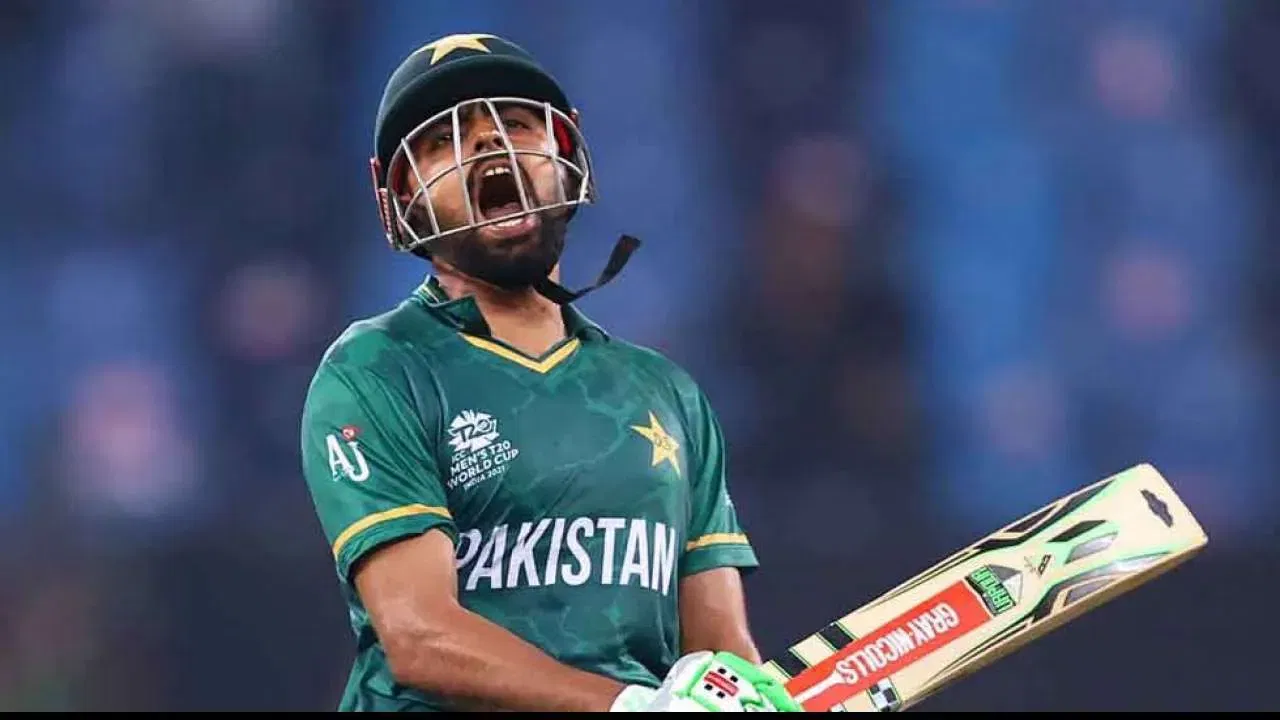
Former Pakistani captain, Shahid Afridi, has raised his voice against the tactics employed by head coach Mike Hesson during the ICC T20 World Cup. Afridi slammed Hesson for not promoting star batsman Babar Azam to the top of the order after Saim Ayub’s failure in the crucial match against England.
Disagreement with Strategy
The match against England ended in a heart-wrenching defeat for Pakistan, with Harry Brook’s century leading the English side to victory. Afridi expressed his frustration at Hesson for not making the strategic decision to replace Ayub with Azam in the batting lineup.
“When Saim Ayub failed to perform, Babar should have been offered his position,” Afridi stated, clearly disappointed with the outcome of the match.
Loss of Morale
The defeat to England not only impacted Pakistan’s chances in the tournament but also dealt a blow to their high morale. Despite entering the ICC T20 World Cup with a string of T20I series wins, Pakistan faltered in crucial matches against India and England, with a rain-affected game against New Zealand further complicating their journey.
Potential Lineup Changes
Afridi emphasized the need for strategic changes in the team, suggesting that Azam should have been given the opportunity to open the batting alongside Sahibzada Farhan, who has shown consistency in his performances. The former captain also highlighted the presence of experienced batsman Fakhar Zaman as another option for the team.
“He had a senior option in the form of Babar Azam, who is not ideally a player to play at no. 4. You had planned to play at no. 4, and now you have lost a bunch of matches, so you should make him swap to his natural role at the top,” Afridi explained.
Qualification Hopes
With New Zealand securing a dominant victory over Sri Lanka, Pakistan’s chances of qualifying for the semi-finals have become extremely slim. Their final match against Sri Lanka is a must-win, and they also require New Zealand to lose against England in order to progress.
As Pakistan looks ahead to their crucial match and hopes for an English victory over New Zealand, the team will need to regroup and potentially make changes to their lineup based on Afridi’s criticisms of Hesson’s strategies.
Overall, Afridi’s passionate critique highlights the intensity and pressure of the ICC T20 World Cup as teams fight for their place in the knockout stages.
Team Dynamics and Leadership Challenges
Shahid Afridi’s criticism of Mike Hesson’s strategy sheds light on the intricacies of team dynamics and leadership challenges in high-stakes tournaments like the ICC T20 World Cup. The clash between a coach’s tactical decisions and a former player’s strategic viewpoint exemplifies the complexities of managing a cricket team under immense pressure.
Furthermore, Afridi’s vocal disapproval underscores the importance of clear communication and alignment between the coaching staff and players. The ability to adapt and optimize team composition and strategy based on performance and match scenarios is essential for success in international cricket competitions.
Strategic Adaptability and Player Roles
In modern cricket, the ability to adapt strategically and optimize player roles is crucial for achieving consistent success. Afridi’s emphasis on Babar Azam’s ideal batting position highlights the significance of utilizing key players in roles where they can maximize their impact on the game.
By recognizing the need for strategic changes and potential lineup adjustments, Afridi brings attention to the importance of flexibility and foresight in team selection and composition. The ability to recognize and address weaknesses in real-time can be a deciding factor in determining a team’s performance in critical matches.
Pressure and Performance Expectations
The pressure of performing in high-profile tournaments like the ICC T20 World Cup can significantly impact players and teams. Afridi’s critique of Hesson’s strategy reflects the heightened expectations and scrutiny faced by teams representing their countries on the global stage.
As Pakistan navigates the challenges of must-win matches and slim qualification hopes, the team must manage the external pressures and internal expectations to deliver their best on the field. Afridi’s insights serve as a reminder of the demanding nature of international cricket and the resilience required to succeed in such competitive environments.
Lessons for Future Tournaments
As the ICC T20 World Cup unfolds, Afridi’s critique provides valuable lessons for teams and coaches looking to enhance their performance in future tournaments. The importance of strategic adaptability, player optimization, and effective communication within the team are key takeaways from Afridi’s comments.
By reflecting on the outcomes and decisions made during the tournament, teams can identify areas for improvement and implement changes to strengthen their approach in future competitions. Afridi’s passionate critique serves as a catalyst for introspection and growth within the cricketing community, fostering a culture of continuous learning and evolution.
Looking Ahead
As Pakistan prepares for their crucial match against Sri Lanka and hopes for a favorable result in the England-New Zealand clash, the team faces a pivotal moment in their ICC T20 World Cup campaign. The pressure is on for Pakistan to deliver a convincing performance and keep their qualification hopes alive.
With Afridi’s criticisms sparking discussions and potential changes in the team’s lineup and strategy, the match against Sri Lanka presents an opportunity for Pakistan to showcase their ability to adapt, overcome challenges, and strive for success in the face of adversity.
Overall, Afridi’s critique adds depth and perspective to the narrative of Pakistan’s journey in the ICC T20 World Cup, highlighting the complexities, challenges, and opportunities inherent in elite cricket competitions.
Latest News
Ben Duckett opts out from IPL 2026, set to face ban

“Players will prevail”: Sourav Ganguly’s drops big verdict on ‘Impact Player’ rule ahead of IPL 2026
“Players will prevail”: Sourav Ganguly’s drops big verdict on ‘Impact Player’ rule ahead of IPL 2026
3 LSG players who could struggle in IPL 2026 – ft Rishabh Pant
Rinku Singh gets major role for KKR ahead of IPL 2026
RCB gets new buyer ahead of IPL 2026, sold to…..

KKR take massive step to honour Andre Russell forever
“Mumbai Indians are winning it” – Ex-England captain makes bold prediction for IPL 2026

Mayank Yadav reveals real story behind his recovery and Sanjiv Goenka’s support
IPL 2026 ball change rule explained
Ottis Gibson reveals plan to revive Babar Azam’s confidence ahead of PSL 2026

Liam Livingstone survives as Rob Key confirms England spot after shocking interview claims
Kevin Pietersen credits RCB and IPL for career revival

Ottneil Baartman set to join CSK in IPL 2026 as replacement of….