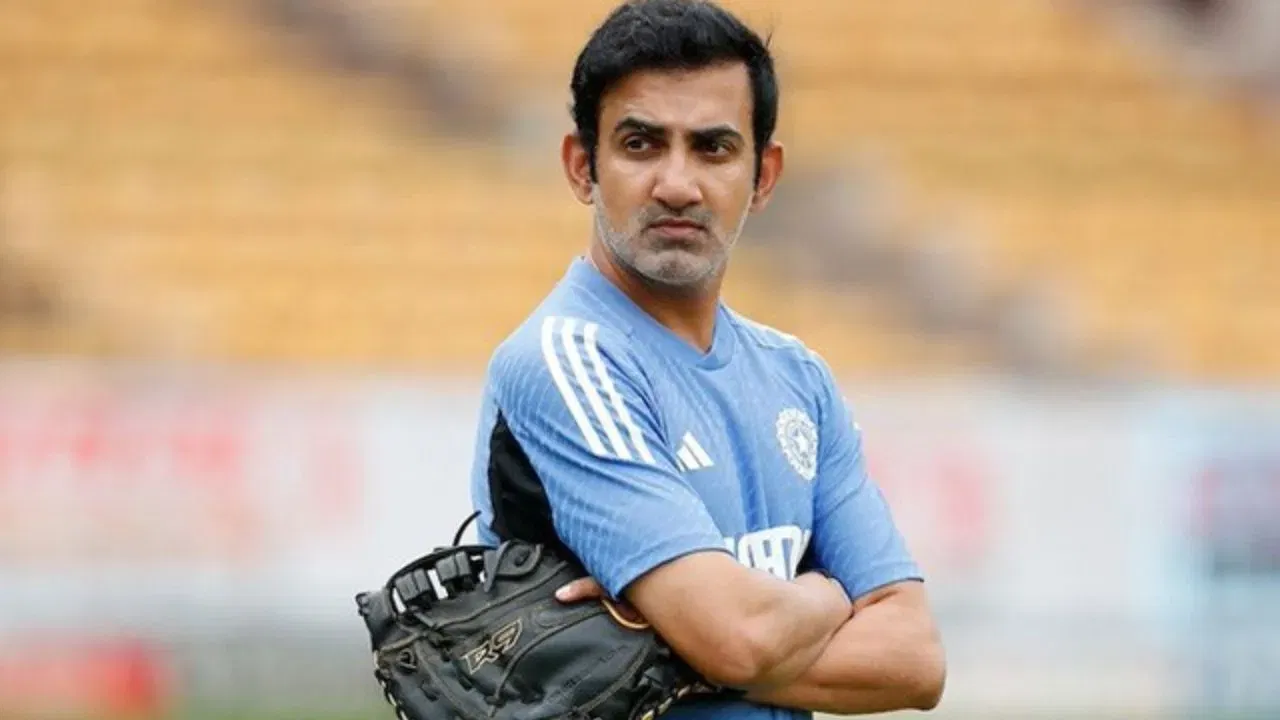
Shahid Afridi attacks Indian government after India-Pakistan WCL 2025 match gets cancelled
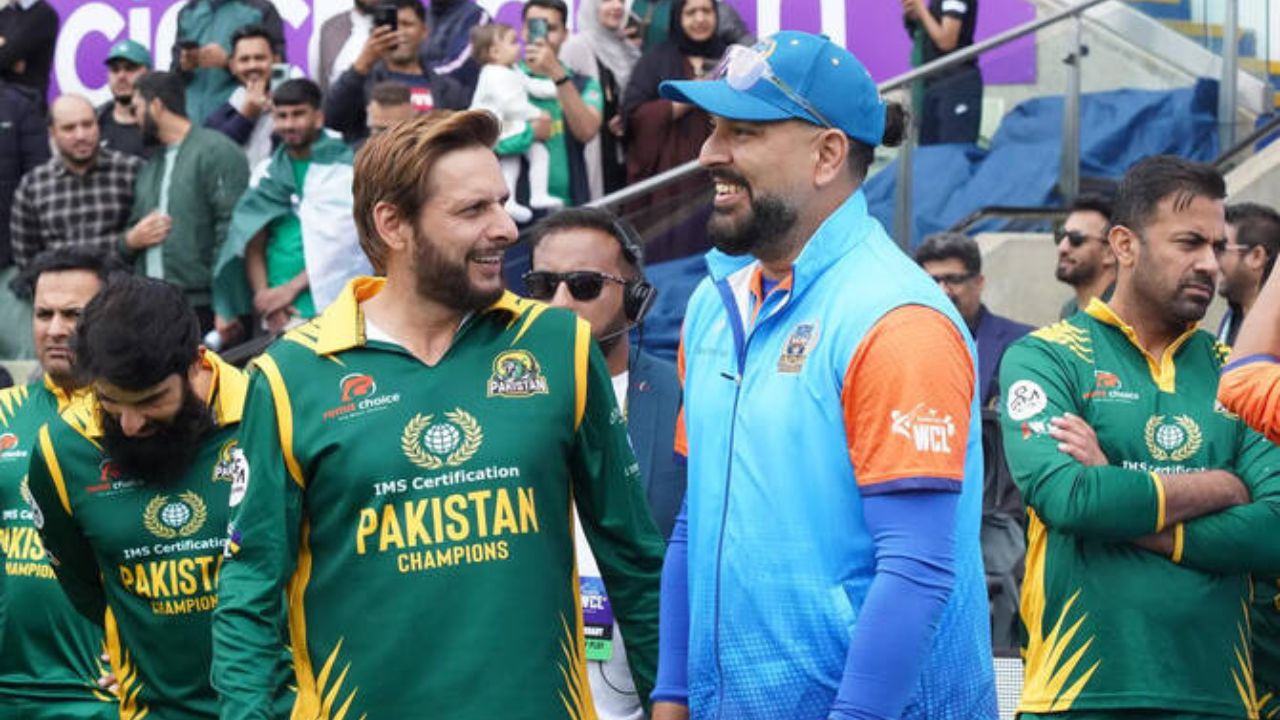
**Shahid Afridi Criticizes Indian Players for Withdrawing from India vs Pakistan Match**
Former Pakistani all-rounder Shahid Afridi recently made headlines by expressing his disappointment over the decision of several Indian players to pull out of the highly anticipated India vs Pakistan match in the ongoing World Championship of Legends. The match, which was scheduled to take place on the 20th of July in Birmingham, was ultimately canceled due to the absence of key Indian players like Yuvraj Singh, Suresh Raina, and Harbhajan Singh.
In a bold statement to the media, Afridi criticized the Indian players for letting politics interfere with cricket. He emphasized the importance of keeping sports separate from political tensions and highlighted the role of athletes as ambassadors for their countries. “We are here to play cricket, and I’ve always said that cricket should be kept away from politics — it should move forward. A player should be a good ambassador, not a source of embarrassment for their country,” Afridi stated.
Afridi also expressed his frustration over the last-minute nature of India’s decision to withdraw from the match. He questioned why the players had participated in practice sessions only to cancel the game on short notice. “We’ve come here to play cricket. If [India] didn’t want to play against Pakistan, they should’ve refused before coming here. But now you’ve arrived, even held practice sessions, and then suddenly changed everything in a single day,” Afridi remarked.
Despite the cancellation of the India vs Pakistan match, Kamil Khan, the owner of the Pakistan Champions team, reassured fans that the remaining fixtures of the World Championship of Legends would proceed as scheduled. He confirmed that there would be no further changes to the tournament structure, with matches continuing as planned. However, Khan acknowledged the possibility of adjustments if Pakistan and India were to face each other in the semifinals or final stages of the competition.
In addition to addressing the immediate situation, Shahid Afridi also called for unity between the two nations through the game of cricket. Amidst escalating political tensions, Afridi emphasized the role of sports in bringing people together and fostering communication. He urged both countries to set aside differences and engage in constructive dialogue to improve relations. “Sports bring people closer, but if politics gets involved in everything, how will we move forward? Until we sit together and discuss issues, nothing will improve — lack of communication only makes things worse,” Afridi said.
While Afridi’s message of unity resonated with many, some media reports suggested that his past controversial remarks on social media may have contributed to the Indian players’ decision to withdraw from the match. Despite the backlash, Afridi remained focused on promoting the spirit of cricket and emphasizing the importance of the game above individual controversies. As tensions persist between India and Pakistan, Afridi’s call for unity through sports serves as a reminder of the power of cricket to transcend political divides and foster goodwill among nations.
### The Significance of India vs Pakistan Cricket Matches
The rivalry between India and Pakistan in cricket goes beyond the boundaries of the sport. Matches between the two countries are not just about winning or losing; they carry a deep cultural, historical, and emotional significance for the people of both nations. The intensity of the competition is fueled by decades of political tensions, shared history, and a common love for the game.
The India vs Pakistan cricket matches have the power to captivate audiences around the world, drawing in millions of viewers and sparking passionate discussions both on and off the field. The matches serve as a reflection of the complex relationship between the two countries, offering a platform for people to come together, celebrate their shared heritage, and showcase their sporting prowess.
### The Impact of Political Tensions on Sports
The intersection of sports and politics is a delicate balance that often comes into play when countries with strained relations compete against each other. In the case of India and Pakistan, historical conflicts, territorial disputes, and diplomatic issues can spill over into the realm of sports, leading to controversies, withdrawals, and disruptions in scheduled matches.
The decision of Indian players to withdraw from the India vs Pakistan match highlights how political tensions can influence the sporting arena. While athletes are expected to represent their countries with pride and sportsmanship, external pressures and national interests can sometimes overshadow the spirit of the game, resulting in missed opportunities for sports diplomacy and cultural exchange.
### The Role of Cricket in Diplomacy
Cricket has long been used as a tool for diplomacy between India and Pakistan. Beyond the realm of competition, cricket matches provide a platform for dialogue, engagement, and people-to-people contact. The shared passion for the sport transcends borders and brings communities together, fostering understanding and empathy in the face of political differences.
As Shahid Afridi rightly pointed out, sports have the power to bridge divides and promote unity among nations. By advocating for dialogue, communication, and a focus on the game rather than politics, Afridi’s message resonates with the broader significance of cricket as a unifying force in a region marked by historical animosities and unresolved conflicts.
### Looking Ahead: The Future of India-Pakistan Cricket Relations
Despite the challenges and setbacks, the spirit of cricket continues to endure, offering hope for improved relations between India and Pakistan through the shared love of the game. As cricket fans eagerly await the next chapter in this storied rivalry, the importance of sportsmanship, respect, and mutual understanding remains paramount in shaping the future of India-Pakistan cricket relations.
In conclusion, Shahid Afridi’s criticism of the Indian players’ withdrawal from the India vs Pakistan match serves as a reminder of the broader implications of sports in diplomatic relations. While the cancellation of the match may have been a missed opportunity for cricket fans worldwide, it also underscores the complexities of navigating political tensions in the sporting arena. As both countries strive to find common ground and promote peace through sports, the legacy of the India-Pakistan cricket rivalry remains a testament to the enduring power of sports in transcending borders and fostering goodwill among nations.
Latest News
Prithvi Shaw declares his mission to return to team India begins from IPL 2026
Irfan Pathan questions Arshdeep Singh’s bowling ahead of IPL 2026
“Mind is somewhere else”: Yuvraj’s Father exposes Abhishek Sharma’s indiscipline lifestyle
EX-RCB pacer joins KKR as replacement of Harshit Rana ahead of IPL 2026

“Win our first trophy”: Sanjiv Goenka crowns LSG as champions ahead of IPL 2026
New catching rule? Captains warned over ‘Incomplete’ catches ahead of IPL 2026
Pat Cummins in awe of Ishan Kishan’s captaincy
Ex-India star accuses teammates of ‘Racism’, blames it for early international exit
“I love watching Shreyas Iyer bat” – PBKS all-rounder Cooper Connolly ahead of IPL 2026
Yograj Singh gives Ravichandran Ashwin belt treatment because of Arjun Tendulkar remarks
CSK legend advises Shubman Gill the best way to bounce back in T20I team
Jasprit Bumrah Injury Scare, reason behind visit to CoE revealed
“Didn’t invite me”: R Ashwin puts Kuldeep Yadav in spotlight over wedding snub
Ireland Cricket announced the full list of central contracts for the 2026-27 season