

Shahid Afridi barks at 3rd umpire; accuses IPL involvement around Fakhar Zaman decision

Fakhar Zaman’s Dismissal Sparks Uproar in Asia Cup 2025
In a recent Super Four Asia Cup 2025 match between Pakistan and India, former Pakistan all-rounder Shahid Afridi criticized the umpires for their decision to dismiss Fakhar Zaman. The match, which took place at the Dubai International Stadium, ended with India securing a six-wicket victory over Pakistan. However, the highlight of the game was Fakhar Zaman’s controversial dismissal, which has caused quite a stir in the cricketing world.
Controversial Dismissal of Fakhar Zaman
Fakhar Zaman was promoted to open the innings for Pakistan and started off strongly by hitting three boundaries off eight deliveries. However, his innings came to an end at 15 when he edged a delivery from Hardik Pandya to wicketkeeper Sanju Samson. The on-field umpire referred the decision to the TV umpire after Fakhar initially refused to walk. The third umpire, Ruchira Palliyaguruge, reviewed multiple angles and ruled Fakhar out, stating that Samson had his fingers under the ball while taking the catch. Despite the decision being a tough one, the third umpire followed the rules.
Shahid Afridi’s Criticism
Speaking on a local TV channel, Shahid Afridi slammed the umpire’s decision and even dragged the Indian Premier League (IPL) into the controversy by saying, “He has to umpire in the IPL too.” Afridi’s comments have sparked a debate among cricket fans, with many agreeing that Fakhar Zaman’s dismissal was contentious. Mohammad Yusuf, another ex-Pakistan player, echoed Afridi’s sentiments, stating that the match official did not review enough angles before giving Fakhar out.
PCB Files Complaint with ICC
Former Pakistan fast bowler Shoaib Akhtar also criticized the third umpire’s decision, calling it “wrong” and stating that Fakhar could have turned the match in Pakistan’s favor. The Pakistan Cricket Board (PCB) took the matter further by filing a complaint with the International Cricket Council (ICC) over Fakhar Zaman’s controversial dismissal against India. The PCB argued that the TV umpire did not review all available angles and that the evidence was not “clear and conclusive” to justify the dismissal. Pakistan expressed dissatisfaction with the handling of the decision and questioned the umpire’s call, claiming it favored the fielding side despite replays showing some uncertainty.
The uproar over Fakhar Zaman’s dismissal has reignited the debate around the role of technology in cricket and the decision-making process of umpires. The controversy has added an extra layer of intrigue to the ongoing Asia Cup 2025, with fans eagerly awaiting the next matches to see how the umpires handle similar situations in the future.
Impact on Players and Teams
The controversial dismissal of Fakhar Zaman has not only sparked a debate among fans and former players but has also affected the morale of the Pakistani team. Losing a key player under contentious circumstances can have a ripple effect on the team’s performance and mindset. Pakistan’s captain, Babar Azam, expressed his disappointment with the decision and emphasized the need for fair and unbiased officiating in crucial matches like the Asia Cup.
On the other hand, the Indian team has faced backlash from Pakistani fans and media for what is perceived as benefiting from a questionable umpiring decision. The controversy has added an extra layer of tension to an already intense rivalry between the two cricketing nations. Moving forward, both teams will need to focus on maintaining their composure and not letting external factors affect their gameplay.
Role of Technology in Cricket
The Fakhar Zaman dismissal incident has once again brought into question the role of technology in modern-day cricket. While the introduction of tools like UltraEdge and HotSpot has helped in making more accurate decisions, there is still a level of subjectivity involved in interpreting the evidence provided by these technologies. The reliance on third umpires for crucial decisions raises the issue of human error and differing perspectives on what constitutes a clear and conclusive piece of evidence.
Cricket authorities may need to revisit the protocols around the use of technology in decision-making to ensure that the game’s integrity is maintained. Finding a balance between on-field umpires’ judgments and technological assistance is crucial to avoid controversies like the one surrounding Fakhar Zaman’s dismissal. As the sport continues to evolve, so too must the systems in place to uphold fairness and transparency.
Future Implications for Umpiring Standards
The fallout from Fakhar Zaman’s dismissal could have lasting implications on umpiring standards and the scrutiny under which match officials operate. With increased media coverage and fan engagement, every decision made on the field is subject to intense scrutiny and debate. Umpires are under pressure to make split-second decisions that can impact the outcome of a match, as seen in the case of Fakhar Zaman.
There may be calls for a review of the training and evaluation processes for umpires to ensure they are equipped to handle high-pressure situations and make consistent and fair judgments. Additionally, transparency in the decision-making process, especially when it comes to utilizing technology, will be crucial in building trust and credibility among players, teams, and fans.
Conclusion
The controversy surrounding Fakhar Zaman’s dismissal in the Asia Cup 2025 match between Pakistan and India has brought to light larger issues around umpiring standards, the role of technology in cricket, and the impact of contentious decisions on players and teams. As the cricketing world continues to evolve, it is essential for all stakeholders to work towards maintaining the integrity and fairness of the game, ensuring that controversies like this do not overshadow the spirit of competition and sportsmanship that cricket embodies.
Latest News

Arshdeep Singh issues public apology to Morne Morkel for bowling costly wides in 2nd T20I vs SA

Tilak Varma snatches Virat Kohli’s ‘Chasemaster’ crown after historic rise

PSL declares war on IPL again as PCB challenges BCCI’s supremacy

ICC honours Simon Harmer for destroying India in Test series; Shafali Verma also rewarded
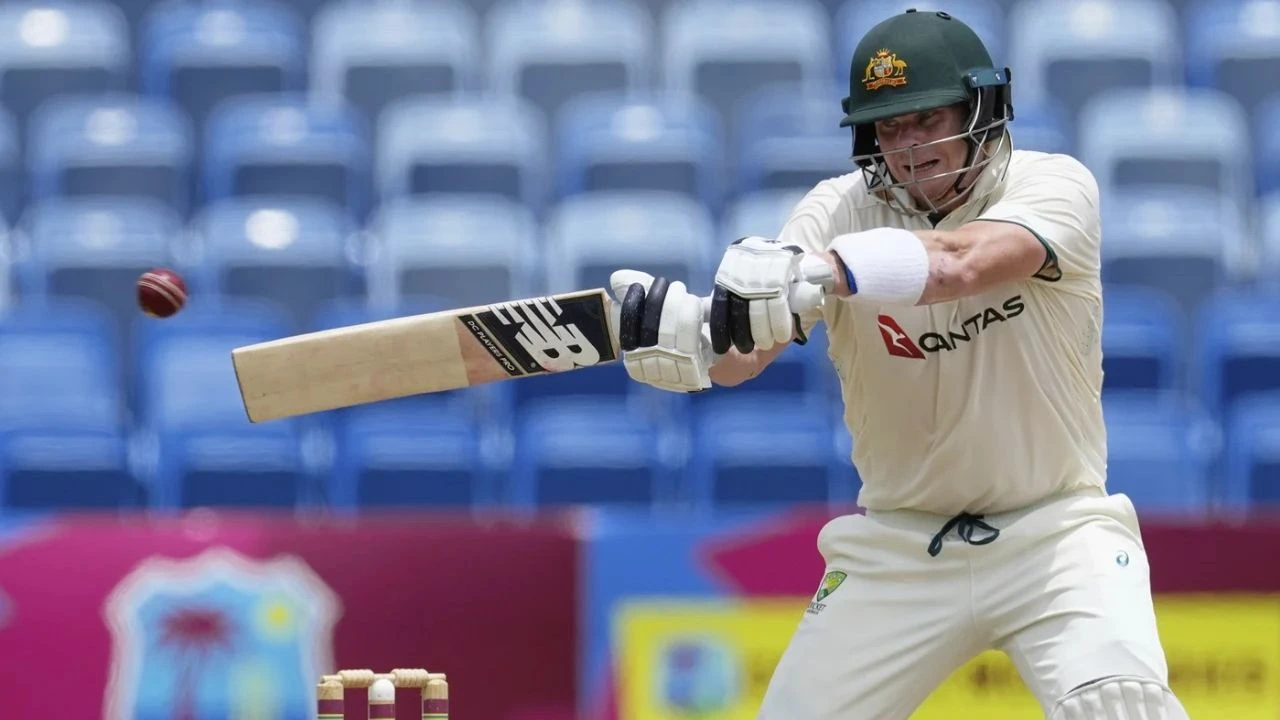
Steve Smith’s health scare sparks PANIC in Australian camp before 3rd Test of Ashes 2025-26

Shaheen Afridi BANNED mid-over in BBL for dangerous bowling vs Melbourne Renegades
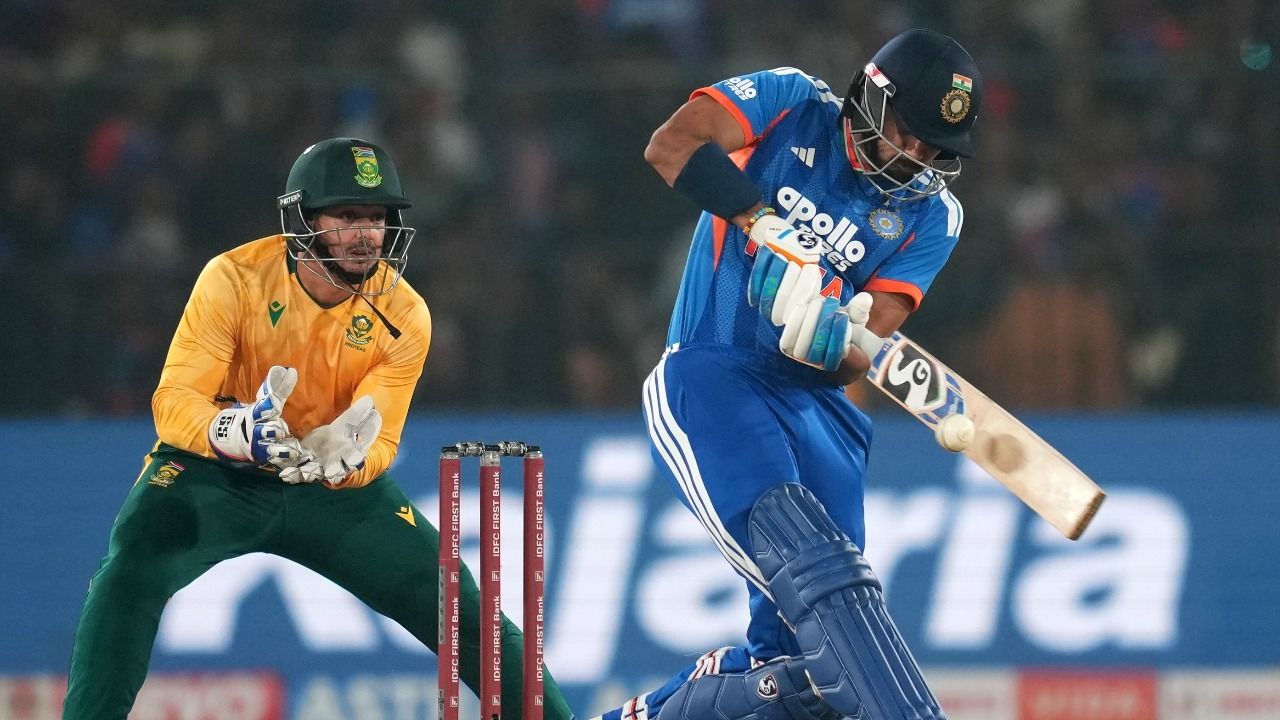
Axar Patel ruled out of remainder of five-match T20I series against South Africa
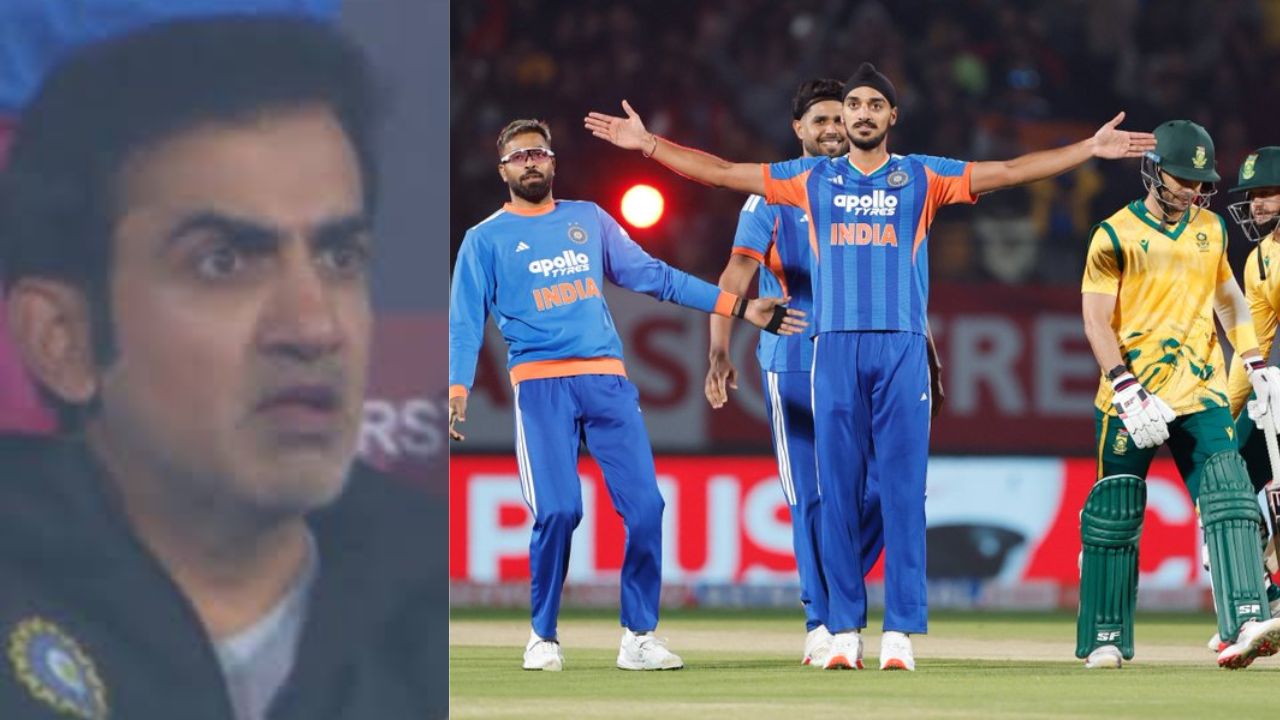
Arshdeep Singh savagely trolls Gautam Gambhir with ‘wide-ball’ celebration after Dharamsala heroics
Arshdeep Singh savagely trolls Gautam Gambhir with ‘wide-ball’ celebration after Dharamsala heroics
Arshdeep Singh savagely trolls Gautam Gambhir with ‘wide-ball’ celebration after Dharamsala heroics
Arshdeep Singh savagely trolls Gautam Gambhir with ‘wide-ball’ celebration after Dharamsala heroics
Arshdeep Singh savagely trolls Gautam Gambhir with ‘wide-ball’ celebration after Dharamsala heroics
Arshdeep Singh savagely trolls Gautam Gambhir with ‘wide-ball’ celebration after Dharamsala heroics
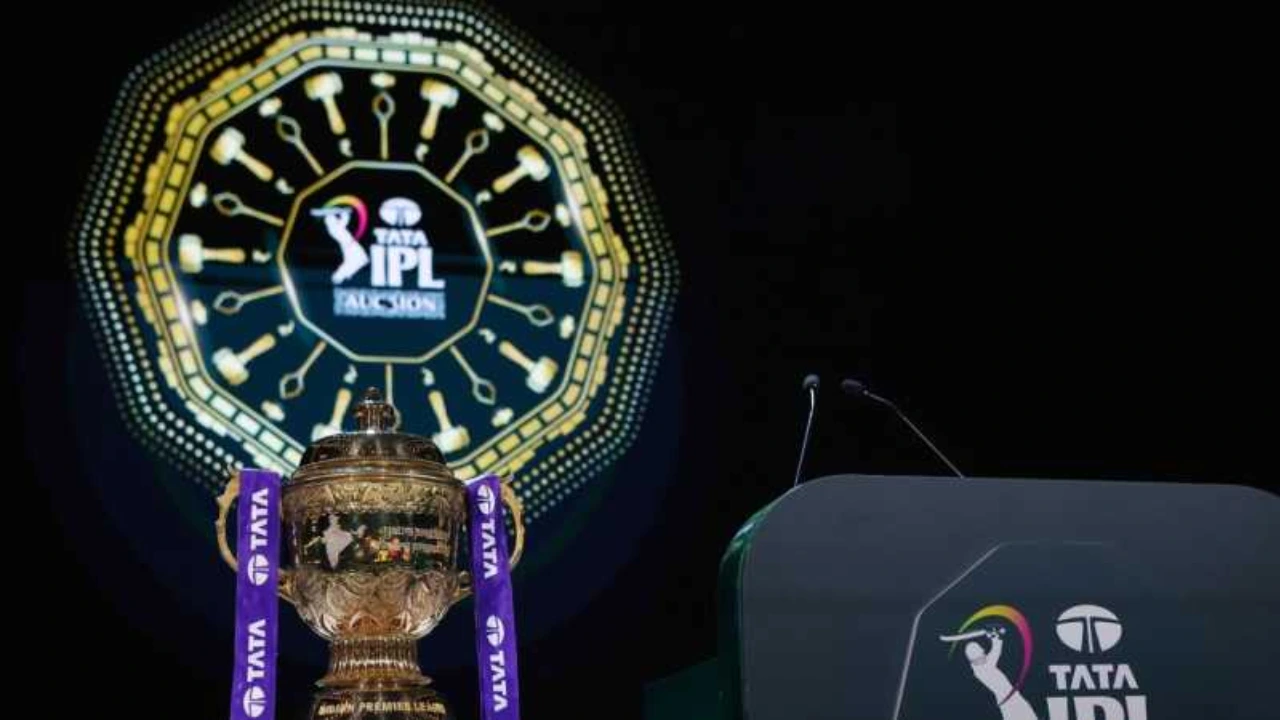
Rejected by Gautam Gambhir, domestic cricket veteran storms into IPL 2026 auction after franchise rebellion

