Shahid Afridi bluntly accuses Pakistan youngster of age fraud on Live TV
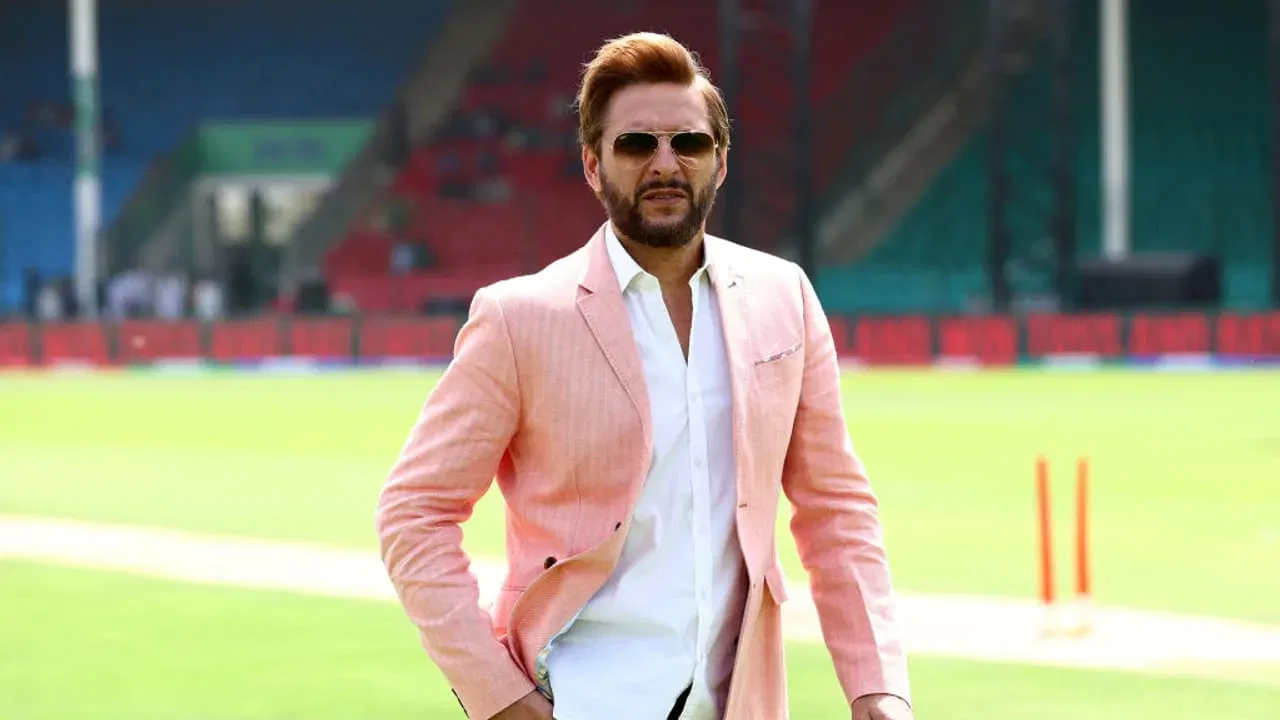
Shahid Afridi Questions Irfan Khan Niazi’s Age Amidst Leadership Debate
Former Pakistan captain Shahid Afridi has stirred controversy by openly accusing young cricketer Irfan Khan Niazi of falsifying his age during a recent television appearance. The discussion arose while Afridi was analyzing potential candidates for the Pakistan national cricket team’s captaincy, following the disappointing performance in the T20 World Cup 2026.
Poor Performance Raises Questions
Pakistan’s lackluster showing in the T20 World Cup has led to doubts about the team’s leadership under Salman Ali Agha. With the Pakistan Cricket Board (PCB) reportedly considering a change in captaincy for the T20I format, Afridi’s remarks about Niazi’s age have added fuel to the debate.
During the television segment, Afridi expressed skepticism about Niazi’s official age and humorously suggested that the player might be older than what is documented. His comments sparked laughter among the audience as he quipped, “Niazi ko toh pehle bhi aap khila chuke ho… uski umar kitni hai yeh jo nayi aa gayi hai?” (You have already played Niazi before… what is his age now that is being mentioned?).
When informed that Niazi is officially 23 years old, Afridi jokingly responded, “Oh, then we are fine… we must be around 30–35 years old.” The exchange highlighted Afridi’s playful demeanor while also hinting at the age discrepancy in cricket.
Irfan Khan Niazi’s Cricket Journey
Despite the age controversy, Niazi has shown great potential in Pakistan cricket. The right-handed batsman made his T20 International debut in 2024 and garnered attention during the 2024 Pakistan Super League (PSL) for his explosive batting performances with the Karachi Kings.
With 14 T20 Internationals under his belt, Niazi has scored 189 runs at an average of 27 and a strike rate of 135.00. His recent stint as captain of the Pakistan Shaheens team in the Men’s Asia Cup Rising Stars tournament further showcased his leadership abilities.
Afridi’s Own Age Controversy
Interestingly, Afridi’s comments on Niazi’s age raise parallels to his own past controversy regarding age discrepancies. During his playing days, Afridi’s official records stated he was only 16 when he famously scored a century in 1996. However, in his autobiography, Afridi later admitted that his official age was incorrect, revealing the discrepancy in his age during his record-breaking innings.
This revelation from Afridi’s autobiography caused a stir in the cricket community, making his recent musings about Niazi’s age all the more intriguing. While the debate over Niazi’s age continues, the focus remains on Pakistan’s cricketing future and the selection of capable leaders to guide the team to success.
The Importance of Age Verification in Cricket
Age verification in cricket is a crucial aspect that ensures fair play and integrity within the sport. The issue of age fraud has plagued cricket for years, with players sometimes falsifying their ages to gain a competitive advantage or extend their playing careers. This controversy not only affects individual players but also impacts the overall credibility of the game.
Organizations like the International Cricket Council (ICC) and national cricket boards have implemented various measures to address age fraud, including the use of medical tests and birth certificate verifications. These efforts aim to maintain the transparency and authenticity of player information, safeguarding the integrity of the sport at all levels.
Leadership Qualities in Cricket
Choosing the right captain for a cricket team is a decision that requires careful consideration of various factors, including leadership qualities, experience, performance, and team dynamics. A captain plays a pivotal role in guiding the team on and off the field, making strategic decisions, motivating players, and fostering a winning mindset.
While age can be a factor in determining leadership capabilities, it is not the sole indicator of a player’s suitability for captaincy. Younger players like Irfan Khan Niazi can display exceptional leadership skills and maturity beyond their years, while seasoned veterans may bring invaluable experience and composure to the role.
The Evolution of Cricket Leadership
Cricket leadership has evolved over the years, with captains taking on increasingly complex roles that extend beyond just on-field tactics. Modern captains are expected to be astute strategists, effective communicators, and inspirational figures who can navigate the pressures of high-stakes matches and media scrutiny.
The debate surrounding the captaincy of the Pakistan national cricket team reflects the ongoing evolution of leadership standards in cricket. As the sport continues to evolve, so too must the criteria for selecting captains who can lead their teams to success in a fast-paced and competitive environment.
Conclusion
In conclusion, the controversy surrounding Irfan Khan Niazi’s age and Shahid Afridi’s comments highlight the multifaceted nature of cricket leadership and the importance of age verification in maintaining fairness and integrity within the sport. As cricket teams around the world navigate the complexities of team leadership and player development, it is essential to prioritize transparency, honesty, and accountability to uphold the values of the game.
Ultimately, the selection of captains and players in cricket should be based on merit, character, and leadership qualities, rather than age alone. By emphasizing these principles, cricket can continue to thrive as a sport that values integrity, sportsmanship, and excellence at all levels.
Latest News
“His bowling is terrible” – Ex-India captain tears into Sam Curran before IND vs ENG semi-final
Abhishek Sharma dropped? India Playing XI for England clash officially revealed hours before match
Ahmed Shehzad exposes ‘evil’ Misbah-ul-Haq for stopping salary of Babar Azam’s teammate
PCB officially backs Salman Agha, Shaheen Afridi for white-ball captaincy; Mike Hesson to continue as head coach
Misbah-ul-Haq, Sarfaraz Ahmed join new Pakistan selection committee after T20 World Cup 2026
Ravichandran Ashwin BURNS down Gautam Gambhir over ‘data’ remarks
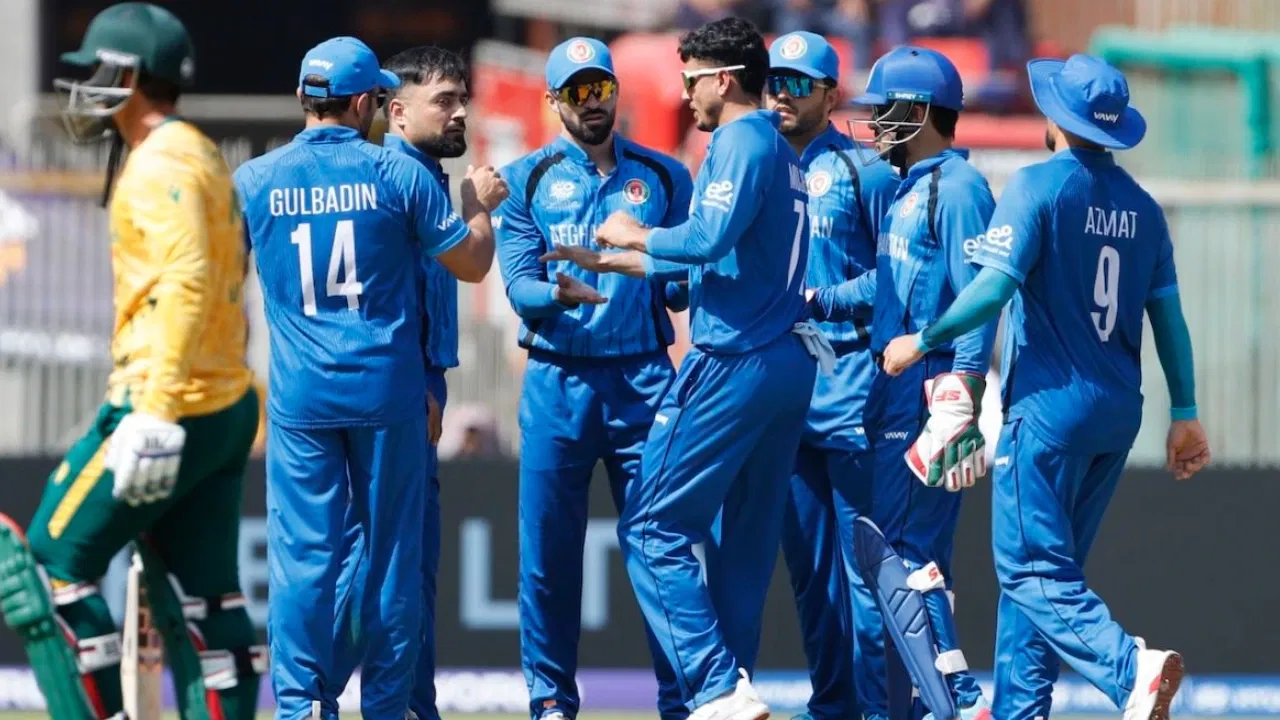
Rashid Khan SACKED! Rohit Sharma-Virat Kohli challenger named new Afghanistan captain
West Indies head coach Darren Sammy takes a swipe at Jay Shah after being stranded in Kolkata
Rashid Latif fears death, refuses to say a word against Mohsin Naqvi
Mohammad Amir, Mohammad Yousuf revolt against Mohsin Naqvi after Babar Azam’s ODI axing
Moeen Ali ignored for The Hundred auction after pro-Pakistan stance against IPL owners
Pakistan star harasses female hotel staff in Sri Lanka; Mohsin Naqvi shamed into taking strong action
Ahmed Shehzad again SLAPS Mohammad Amir with IND vs ENG semi-final prediction
“Doesn’t matter who…”: Finn Allen fires open threat to Suryakumar Yadav & India before T20 WC final