Shahid Afridi calls Mohsin Naqvi CHEAP for punishing Pakistan stars financially
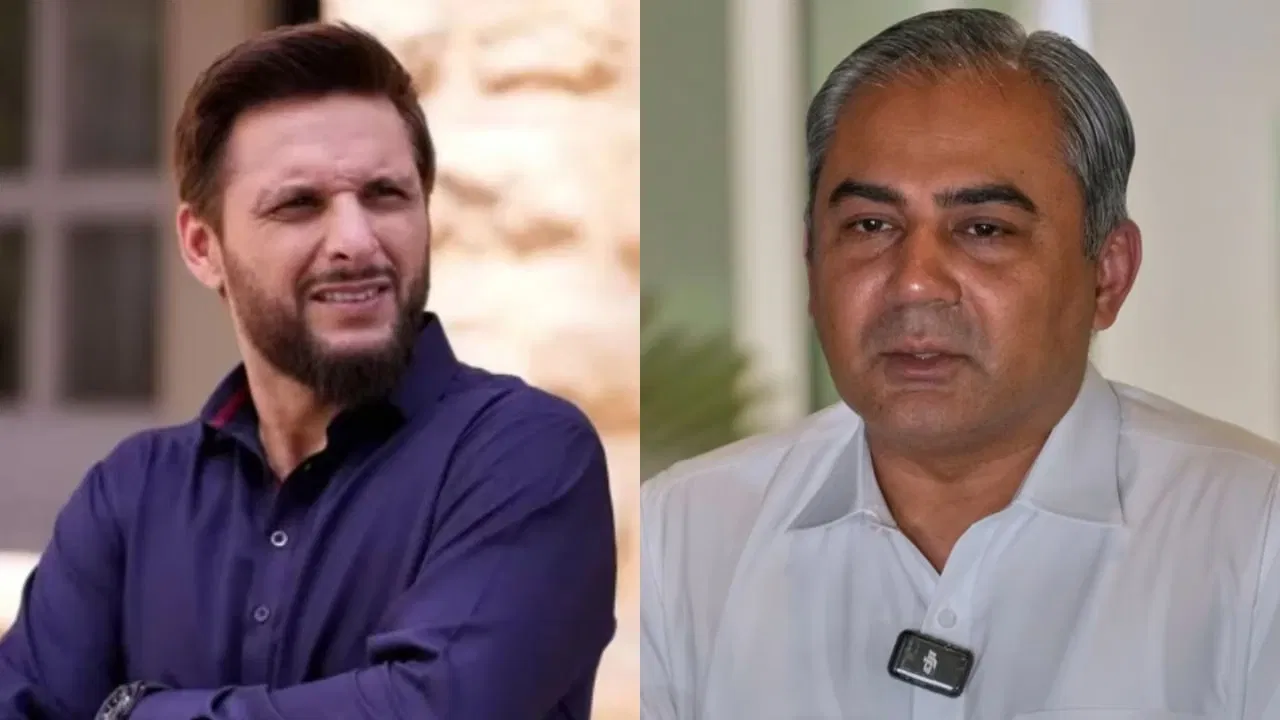
Pakistan Cricketers Facing Backlash for Poor Performance in ICC T20 World Cup
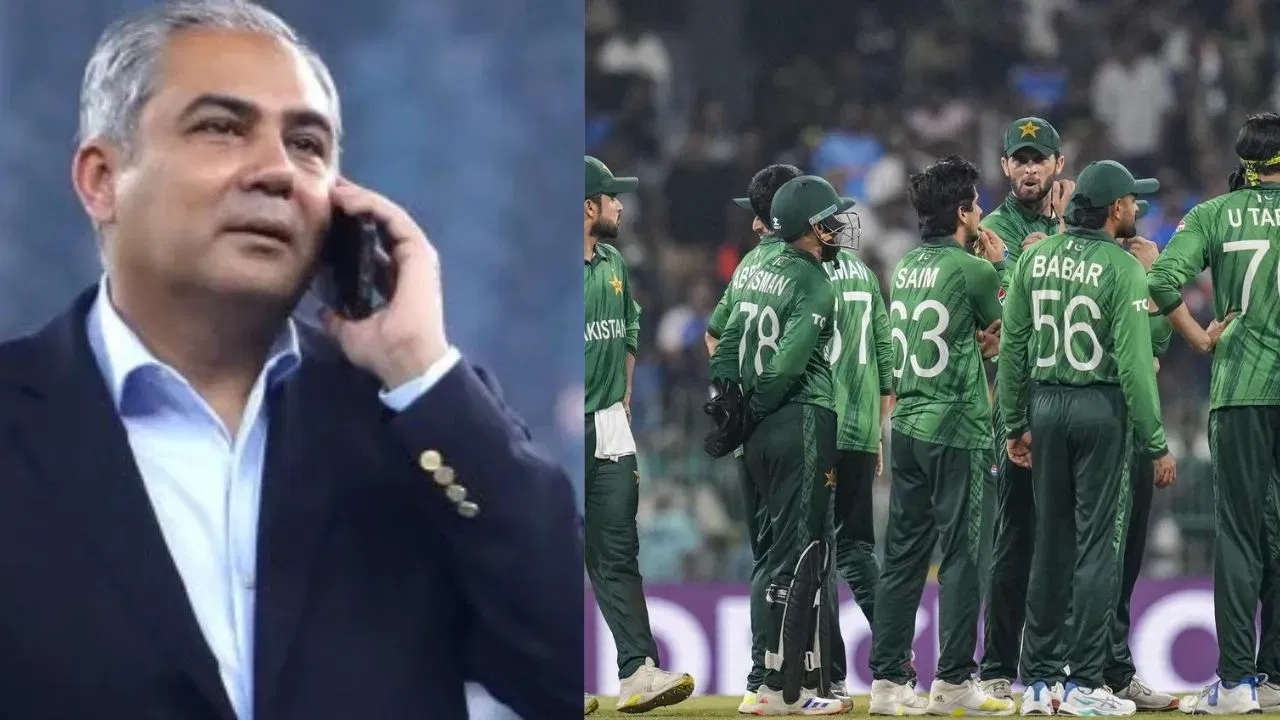
Former Pakistan National Cricket Team captain, Shahid Afridi, has expressed his disappointment with the penalties imposed on players following their failure to reach the semi-finals in the ICC T20 World Cup 2026. This marked the fourth consecutive ICC tournament where Pakistan failed to qualify for the knockout stages, including the ICC World Cup 2023, T20 World Cup 2024, ICC Champions Trophy 2025, and the recent T20 World Cup.
Pakistan’s Disappointing Campaign at the ICC T20 World Cup
Despite advancing to the second group stage after losing their only group game to India, Pakistan faced difficulties in the Super-8 group. A washed-out game against New Zealand and a defeat to England added to their woes. Although they managed to win their final game against Sri Lanka, their net run rate fell short of taking them to the semi-finals.
The Pakistan Cricket Board (PCB) imposed a penalty of PKR 50 lakh on the players for their lackluster performance in the T20 World Cup. The penalty was not for disciplinary reasons but specifically for their poor showing in the tournament. However, many, including Shahid Afridi, believe that this financial penalty is not enough to motivate the players to perform better in the future.
Shahid Afridi Calls for Stricter Action
Speaking to Samaa TV, Afridi expressed his discontent with the lenient penalties, suggesting that underperforming players should be sent back to first-class cricket. He also recommended excluding certain players from the national team for at least two years as a stronger deterrent.
“This is a decision that’s hard to understand. That’s narrow-minded thinking. This is a small amount. What will you even do with 50 lakhs? It doesn’t even sound like a penalty,” Shahid Afridi remarked.
Should Sahibzada Farhan be Exempt from Penalties?
While the PCB is yet to address these concerns, there have been discussions about exempting opener Sahibzada Farhan from the penalties. Farhan was a standout performer in the T20 World Cup, providing crucial contributions with the bat throughout the tournament.
Pakistan heavily relied on Farhan’s batting prowess, especially after experiencing a collapse in their match against India when he failed to make a significant impact. Considering his exceptional performance, many are questioning whether he should face the same penalties as the rest of the team.
As the cricketing world discusses the repercussions of Pakistan’s disappointing campaign in the ICC T20 World Cup, the players and the PCB are under pressure to address the issues that have plagued the team in recent tournaments. Fans and experts are eagerly awaiting the board’s decision on how to handle the situation and whether stricter measures will be taken to ensure better performances in the future.
The Impact of Player Performance on Team Dynamics
One crucial aspect that often gets overlooked in discussions about penalties and player performance is the impact it has on team dynamics. When players are penalized for poor performance, it can create a sense of fear and pressure within the team. This fear of failure can lead to a lack of confidence and hinder player morale, ultimately affecting their on-field performance.
It is essential for team management and cricket boards to strike a balance between holding players accountable for their performance and providing them with the support and encouragement they need to excel. Punishments should be constructive and aimed at improving players’ skills and mindset rather than simply penalizing them for underperforming.
The Role of Coaching and Mentoring in Player Development
Coaching and mentoring play a significant role in player development and performance. Cricket boards should invest in experienced coaches and mentors who can work closely with players to enhance their skills, address any weaknesses, and boost their confidence. Developing a strong coaching infrastructure can help players reach their full potential and perform consistently at the highest level.
Furthermore, mentors can provide valuable guidance and support to players, helping them navigate the challenges of international cricket and cope with the pressures of representing their country. By fostering a supportive and nurturing environment, players are more likely to thrive and deliver their best on the field.
The Need for Long-Term Planning and Strategy
While penalties and disciplinary actions may address immediate concerns regarding player performance, long-term planning and strategy are crucial for sustained success in international cricket. Cricket boards should focus on identifying talented young players, providing them with the necessary resources and opportunities to develop their skills, and grooming them for future success.
By implementing a comprehensive talent development program and long-term strategy, cricket boards can build a strong pipeline of players who are capable of competing at the highest level. This approach not only ensures a steady supply of talented players but also fosters a culture of excellence and continuous improvement within the national team.
Conclusion
As the cricketing world grapples with the aftermath of Pakistan’s disappointing campaign in the ICC T20 World Cup, there is a pressing need to reevaluate how player performance is assessed and managed. While penalties and consequences have their place in holding players accountable, it is essential to consider the broader implications on team dynamics, coaching, mentoring, and long-term planning.
By striking a balance between accountability and support, cricket boards can create an environment where players feel empowered to excel and achieve success on the international stage. Through a concerted effort to address the underlying issues that have plagued the team in recent tournaments, Pakistan cricket can bounce back stronger and more competitive in future competitions.
Latest News
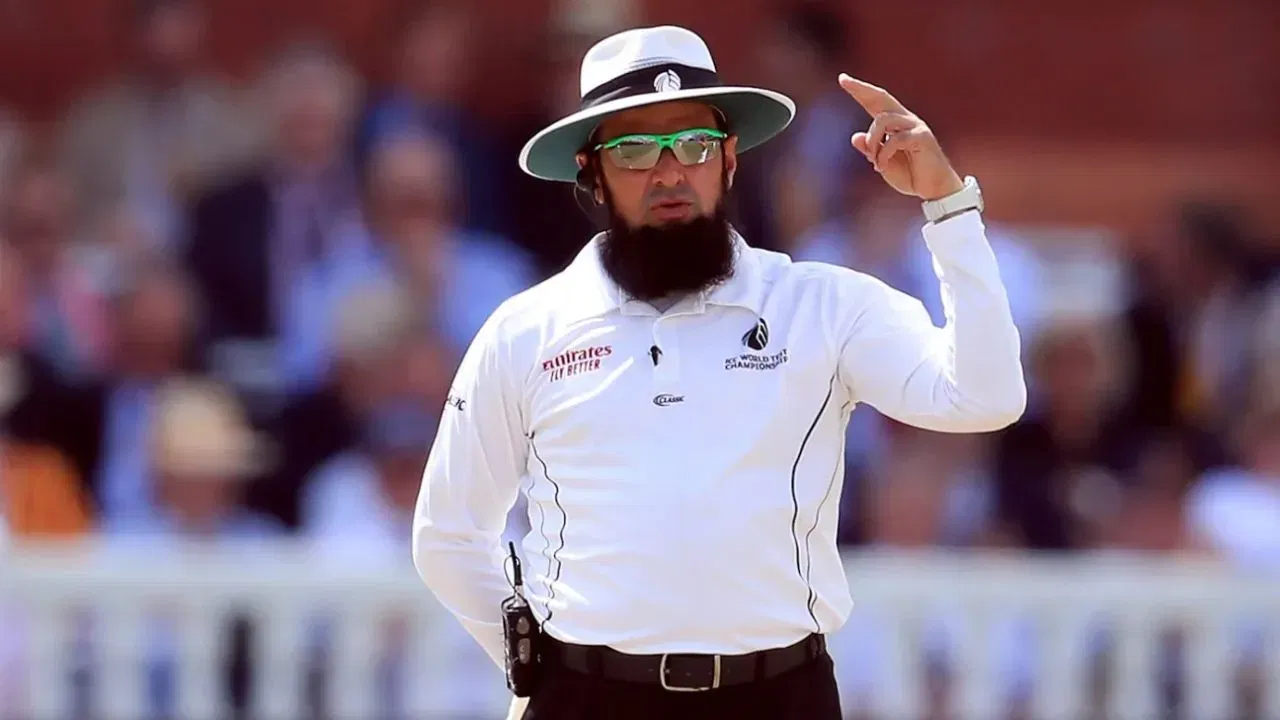
Mohsin Naqvi removes Aleem Dar as PCB’s selector after T20 WC Disaster
BCB issues strong statement on Bangladesh-Pakistan ODI series after PCB’s cancellation threat
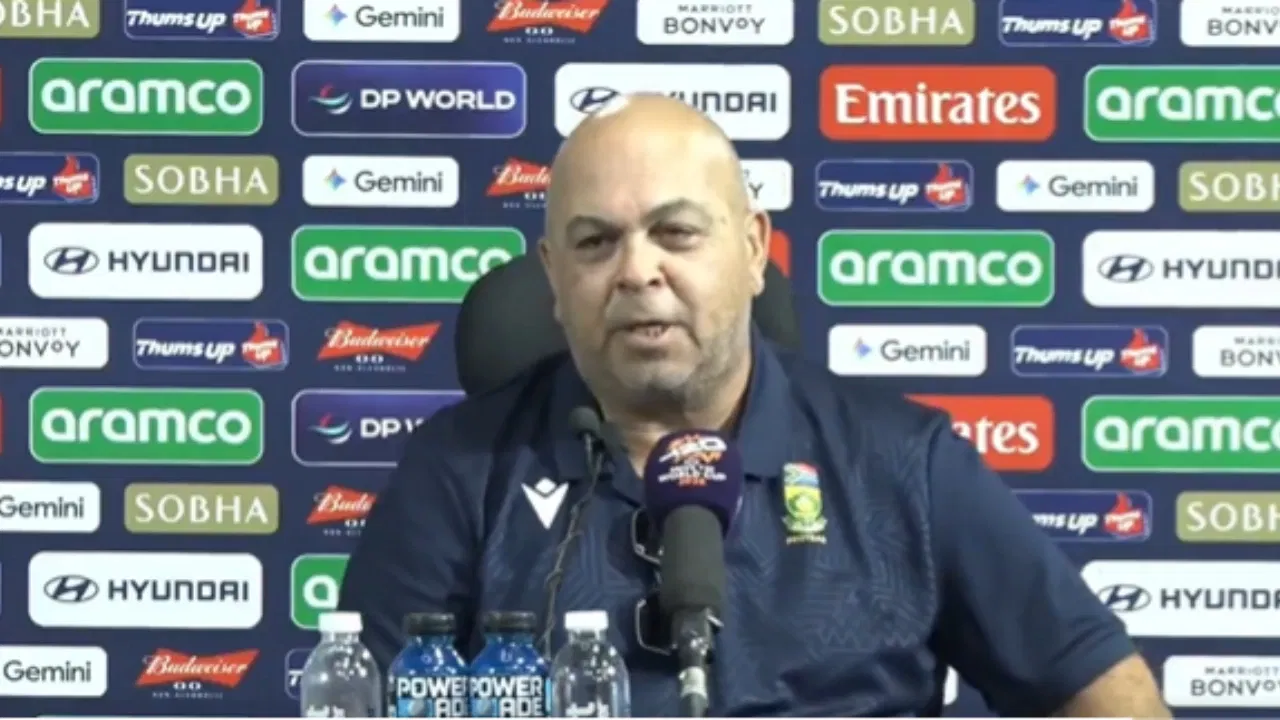
Shukri Conrad brutally mocks Mukesh Ambani’s JioStar over ‘cupcake ad’ after facing ‘chokers’ question at PC
Shahid Afridi calls Mohsin Naqvi CHEAP for punishing Pakistan stars financially
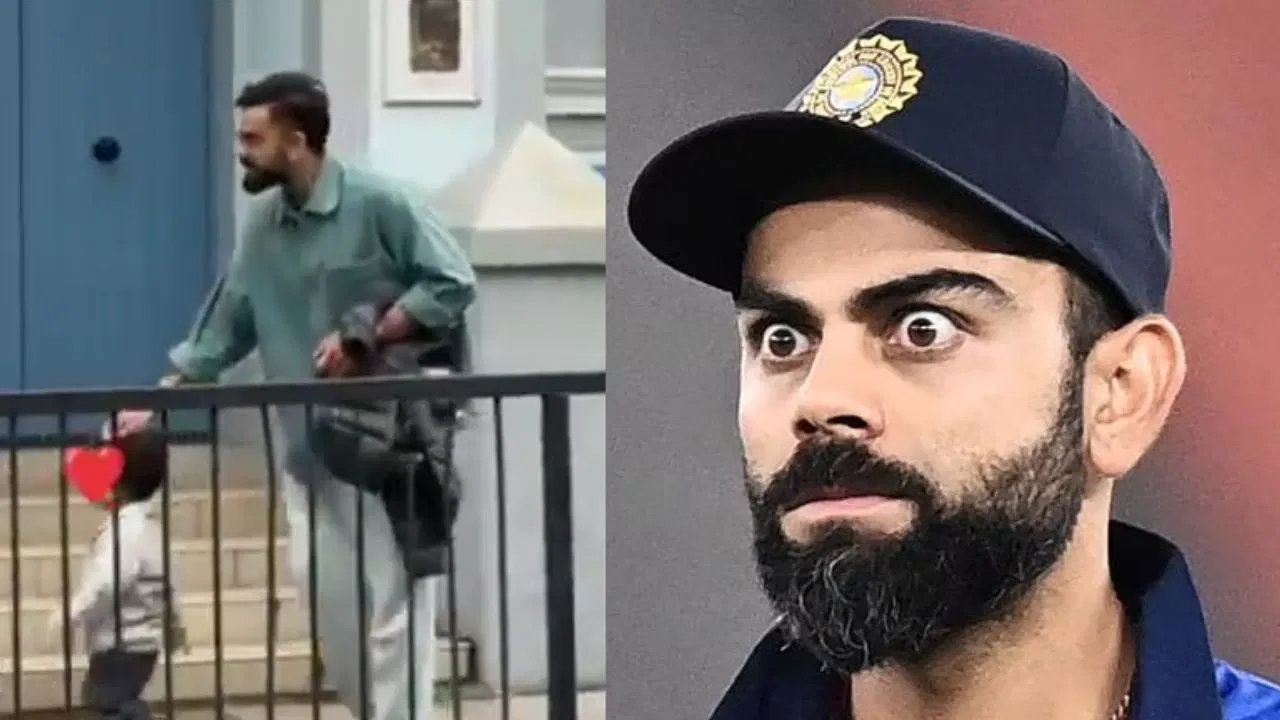
Watch: Virat Kohli’s son Akaay’s video leaked online as India great faces privacy threat
IPL 2026 postponed? BCCI issues official statement on schedule announcement delay
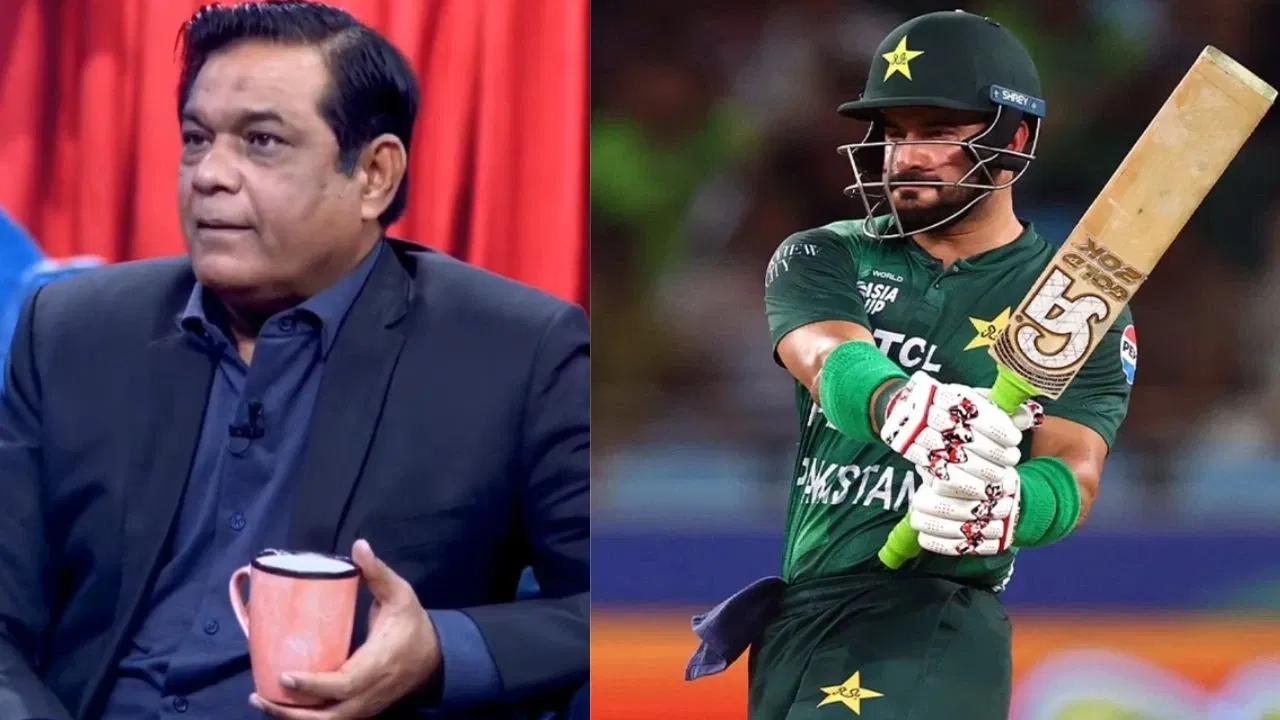
PCB fined Pakistan stars to fund Sahibzada Farhan reward? Bombshell dropped
Mohammed Siraj, Mohammed Shami unfollowed Yuzvendra Chahal over Iran-related post? Fact Check

Suryakumar Yadav & Co. defy BCCI orders, abandon Team India amid T20 World Cup 2026
ECB loses IPL owners’ contract from the Hundred after shortlisting Pakistan players for auction
Sanju Samson achieves rare milestone after 97 not out against West Indies
PCB cracks whip after Pakistan miss semi-finals spot in 2026 T20 World Cup
No Suryakumar Yadav at 2028 T20 WC! Michael Vaughan drops brutal verdict on team India captain’s future
Mohsin Naqvi remove Aleem Dar from PCB’s selector post T20 WC Disaster