Shahid Afridi demands Mohsin Naqvi’s resignation after PCB chief steals India’s Asia Cup trophy
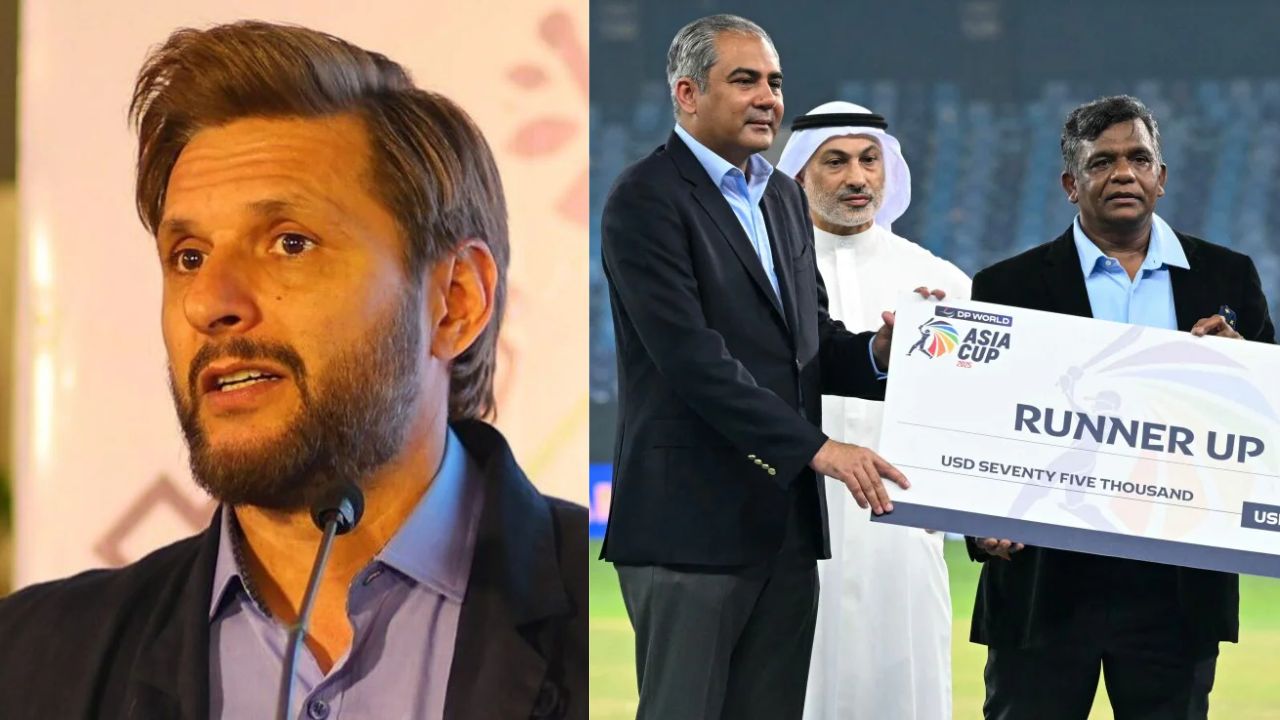
Former Pakistan Captain Shahid Afridi Questions Mohsin Naqvi’s Credibility and Double Role
Former Pakistan cricket team captain Shahid Afridi has raised concerns about the credibility of the advisors to Mohsin Naqvi. Afridi has also questioned Naqvi’s ability to serve in a dual role within the Pakistan government and the Pakistan cricket team.
Criticism Surrounding Mohsin Naqvi
Mohsin Naqvi has faced criticism in recent times, especially after the Asia Cup 2025 concluded with the Indian team winning the trophy. The post-match presentation ceremony saw Naqvi receiving backlash not only from global critics but also from former star cricketers and administrators within Pakistan.
BCCI Takes Action
The Board of Control for Cricket in India (BCCI) has taken a stand against Mohsin Naqvi and has vowed to bring the matter to the International Cricket Council (ICC). The controversy arose when Naqvi, who is currently serving as the President of the Pakistan Cricket Board (PCB) and the Asian Cricket Council, was seen walking off the field with the trophy in hand during the presentation ceremony.
Shahid Afridi’s Call for Change
Shahid Afridi has called for a change in Naqvi’s dual roles, suggesting that Naqvi should focus on one position to ensure better management of the PCB. Afridi emphasized the importance of having a dedicated leader for the cricket board and advised Naqvi to prioritize the role that aligns with his expertise.
Appointment of Competent Advisors
Afridi stressed the need for Naqvi to appoint competent advisors who have a deep understanding of the game. He highlighted the recent success of the Pakistan team under the guidance of Mike Hesson and emphasized the importance of having a strong support system in place for the betterment of Pakistan cricket.
According to Afridi, the current advisors are not leading Naqvi in the right direction, and their lack of cricket knowledge is hindering the progress of the team. He urged Naqvi to make a bold decision and surround himself with individuals who can contribute positively to the development of Pakistan cricket.
Conclusion
Shahid Afridi’s critique of Mohsin Naqvi’s dual role and the appointment of advisors reflects a growing concern within the cricket community about the direction of Pakistan cricket. As the controversy surrounding Naqvi continues to escalate, it remains to be seen how the PCB and other cricketing authorities will address the issues raised by Afridi and other critics.
Impact of Coaching and Leadership on Team Performance
One key aspect that Shahid Afridi’s criticism brings to light is the importance of coaching and leadership in determining a team’s success. With the recent success of the Pakistan team under the guidance of experienced coaches like Mike Hesson, the role of competent advisors and leaders in shaping the team’s performance cannot be overstated.
Effective coaching involves not only technical expertise but also the ability to inspire and motivate players to perform at their best. By appointing advisors who possess a deep understanding of the game and can provide valuable insights, teams like Pakistan can improve their strategic approach, player development, and overall performance on the field.
Striking a Balance between Administration and Sport
The controversy surrounding Mohsin Naqvi’s dual roles as the President of the PCB and the Asian Cricket Council highlights the challenges of balancing administrative responsibilities with a direct involvement in the sport. While it is not uncommon for sports administrators to hold multiple roles, ensuring transparency, accountability, and impartiality becomes crucial to avoid conflicts of interest.
By questioning Naqvi’s credibility and ability to serve in a dual capacity, Shahid Afridi raises valid concerns about the potential impact on decision-making processes, team management, and overall governance within the Pakistan cricket ecosystem. As cricket continues to evolve as a professional sport, the need for clear delineation of roles and responsibilities becomes imperative to maintain integrity and foster growth.
Importance of Constructive Criticism and Accountability
Shahid Afridi’s call for change and his critique of the current advisors to Mohsin Naqvi underscore the significance of constructive criticism and accountability in driving positive change within cricket organizations. By openly addressing shortcomings and advocating for improvements, Afridi demonstrates a commitment to the betterment of Pakistan cricket and the sport as a whole.
Encouraging transparency, fostering open dialogue, and holding individuals accountable for their actions are essential pillars of governance in sports. As the cricket community continues to scrutinize leadership decisions and administrative practices, the role of former players like Shahid Afridi in advocating for change and upholding standards of excellence becomes pivotal in shaping the future of the game.
Looking Ahead: The Path to Reform
As the debate surrounding Mohsin Naqvi’s credibility and double role unfolds, it is essential for cricketing authorities, including the PCB and the ICC, to address the concerns raised by Shahid Afridi and other stakeholders. By prioritizing transparency, merit-based appointments, and effective governance structures, cricket organizations can foster a culture of accountability, innovation, and excellence.
Ultimately, the path to reform in Pakistan cricket lies in embracing constructive criticism, nurturing leadership talent, and fostering a culture of continuous improvement. By learning from past mistakes, embracing diversity of thought, and valuing the contributions of all stakeholders, Pakistan cricket can strive towards sustainable success and global recognition in the world of cricket.
Latest News
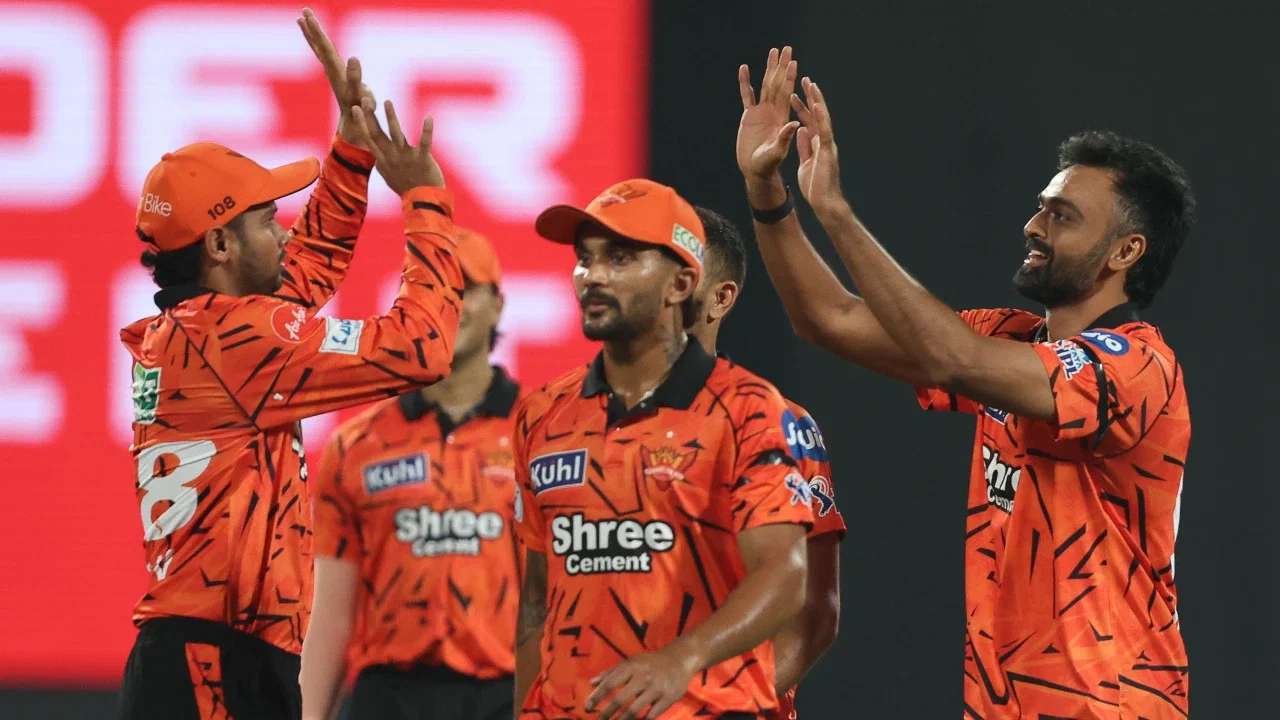
“Only God can save them”: SRH’s bowling attack slammed as “fake” and “terrible” after RCB thrashing
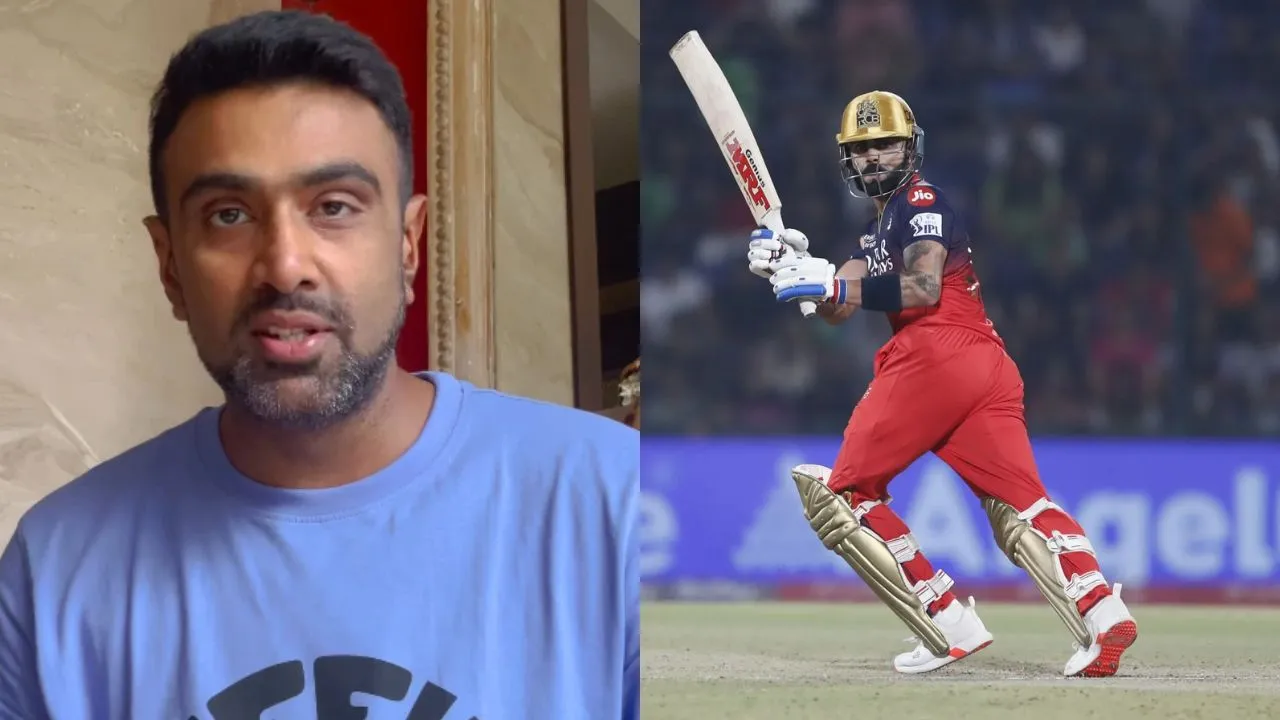
“I find him quite bizarre”: Ravichandran Ashwin’s no-nonsense verdict on Virat Kohli
Michael Vaughan makes a bold declaration on IPL 2026, hands SRH no chance for the playoffs
‘Virat Kohli made my job easier’: Devdutt Padikkal bows down to King after heroics vs SRH

“We dedicate this win to 11 fans”: RCB captain Rajat Patidar pays tribute to stampede victims
Ravi Bishnoi trolls Babar Azam from the Rajasthan Royals training camp
Mumbai Indians on the verge of history ahead of IPL 2026 clash against KKR
Jofra Archer imitates Ravindra Jadeja’s bowling action in nets amid IPL 2026 (Watch video)

‘Tommy, Ek ko papa chun le’: Harbhajan Singh delivers abusive responses to commentary critics
Huge blow for CSK! MS Dhoni likely out for six matches in IPL 2026
Rohit Sharma to wreak havoc at Wankhede! Ex-BCCI selector’s massive warning for KKR bowlers
‘Shreyas Iyer is one of the strongest captains in IPL’ – Australia star in awe of PBKS skipper
Shubman Gill out? Virat Kohli’s Test comeback as captain suggested by CSK legend
Jason Gillespie gives major update on Glenn Maxwell’s availability for PSL 2026