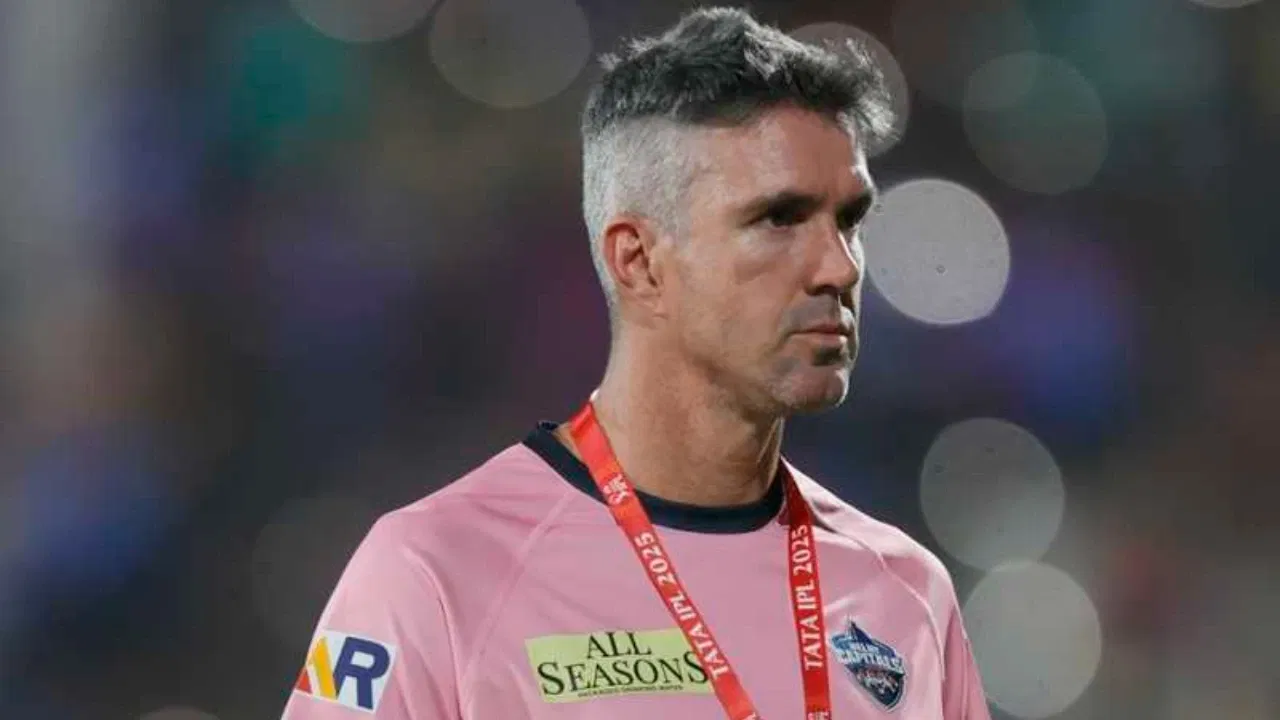
Shahid Afridi leaks private chat with Mohsin Naqvi: ‘PCB chairman said he doesn’t know anything about cricket’
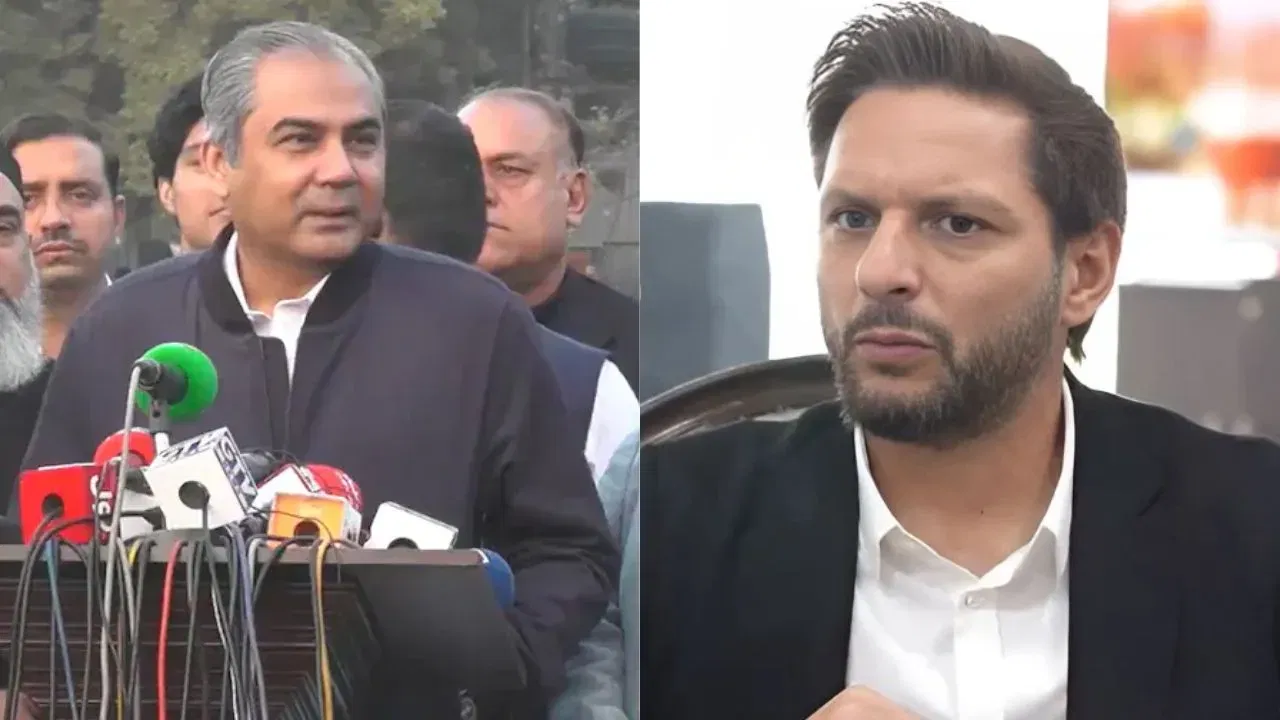
Shahid Afridi Reveals Mohsin Naqvi’s Lack of Cricket Knowledge
Former Pakistan captain Shahid Afridi recently made a shocking revelation about Pakistan Cricket Board (PCB) chairman Mohsin Naqvi, shedding light on the lack of cricketing knowledge within the board.
After Pakistan’s disappointing performance in the ICC Champions Trophy 2025, Afridi disclosed that Naqvi himself admitted to having no understanding of the sport. Naqvi, who also serves as Pakistan’s interior minister, assumed the role of PCB chairman last year. Despite overseeing Pakistan’s hosting of the first ICC tournament in nearly three decades, the team endured one of its most challenging periods in cricketing history over the past two years.
During a recent interview on Samaa TV, Afridi recounted his meeting with Naqvi, praising the efforts to enhance stadium infrastructure. However, Afridi emphasized the importance of working with experienced cricket professionals. “He has worked and wants to continue working on improving the grounds, but he has openly admitted that he lacks knowledge about cricket. It is crucial to collaborate with individuals who have a strong connection to the sport,” Afridi stated.
Call for Reforms in Pakistan’s Cricket Structure
Afridi pointed fingers at the lack of experienced individuals in critical cricket roles, attributing it to the national team’s decline in performance. He called for urgent reforms in Pakistan’s domestic cricket system, highlighting the disconnect between decision-makers and the sport itself. “The personnel in the selection committee and director roles lack cricketing expertise. It’s essential to strengthen the domestic cricket structure to elevate the overall standards of Pakistani cricket,” Afridi emphasized.
Pakistan’s Struggles in ICC Champions Trophy 2025
The ICC Champions Trophy 2025 proved to be a disastrous campaign for Pakistan, led by Mohammad Rizwan. The team finished at the bottom of Group A after facing heavy defeats from New Zealand and India, marking their third consecutive early exit from an ICC tournament. The leadership changes within PCB have raised questions about the team’s preparation and selection processes.
As Pakistan gears up for a white-ball series against New Zealand, criticisms continue to mount over squad decisions. Salman Ali Agha has replaced Rizwan as the T20I captain, while notable players like Babar Azam and Rizwan have been excluded from the T20I squad. The upcoming series will kick off with a five-match T20I series at Hagley Oval in Christchurch on March 16.
In conclusion, Shahid Afridi’s revelations shed light on the challenges faced by Pakistan cricket, urging for a more cricket-centric approach within the PCB to steer the national team towards success.
Cricketing Expertise Crucial for Success
Shahid Afridi’s comments underscore the importance of having individuals with deep cricketing knowledge and experience in key decision-making positions within the PCB. Without a strong understanding of the game, it becomes challenging to make informed decisions regarding player selection, team strategies, and overall cricket development in the country. Afridi’s call for collaboration with experienced cricket professionals highlights the need for a more cricket-centric approach to steer Pakistan cricket in the right direction.
The Impact of Leadership Changes on Team Performance
The frequent changes in leadership within the PCB, including the appointment of Mohsin Naqvi as chairman, have had a noticeable impact on the performance of the national team. With leadership roles lacking cricketing expertise, it becomes difficult to create a cohesive vision and strategy for the team. The recent ICC Champions Trophy campaign serves as a stark reminder of the repercussions of having decision-makers who may not fully grasp the nuances of the sport.
Reforms in Domestic Cricket Structure
Shahid Afridi’s advocacy for urgent reforms in Pakistan’s domestic cricket system is crucial for nurturing talent and improving the overall standards of cricket in the country. The disconnect between decision-makers and the sport itself has contributed to a decline in performance at the international level. By strengthening the domestic cricket structure, Pakistan can better identify and develop promising players who can represent the country effectively on the global stage.
Looking Ahead: Pakistan’s Cricketing Future
As Pakistan prepares for the upcoming white-ball series against New Zealand, all eyes will be on the team’s performance under new leadership. The changes in captaincy and squad composition signal a shift in strategy, as the team aims to bounce back from recent setbacks. The series against New Zealand presents an opportunity for Pakistan to regroup, showcase their talent, and demonstrate their competitiveness on the international stage.
In conclusion, Shahid Afridi’s candid revelations about the lack of cricketing knowledge within the PCB highlight the pressing need for a more cricket-focused approach to decision-making. By prioritizing expertise and experience in key roles, Pakistan can pave the way for sustainable success and growth in the world of cricket.
Latest News

Who is Aryaman Birla? From Rajasthan Royals player to RCB chairman in blockbuster deal
“I will tell MS Dhoni what to do”: Sourav Ganguly on retirement talks
Ben Duckett opts out from IPL 2026, set to face ban
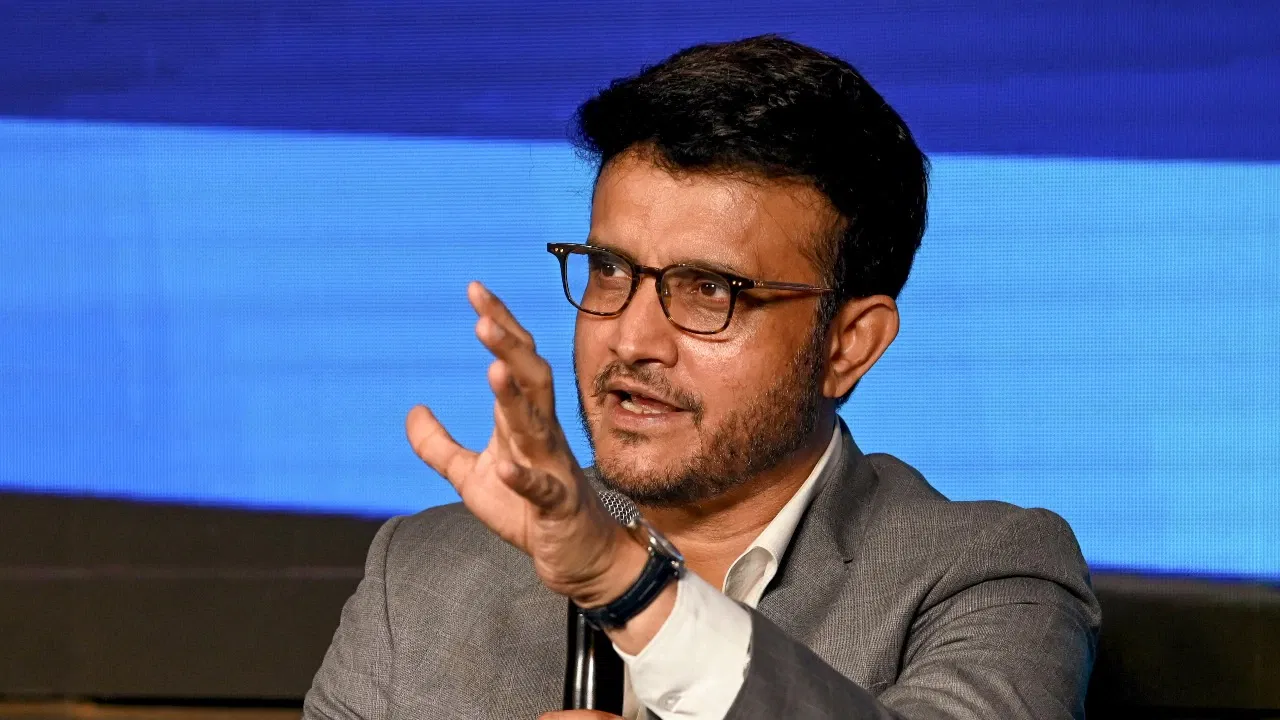
“Players will prevail”: Sourav Ganguly’s drops big verdict on ‘Impact Player’ rule ahead of IPL 2026
“Players will prevail”: Sourav Ganguly’s drops big verdict on ‘Impact Player’ rule ahead of IPL 2026
3 LSG players who could struggle in IPL 2026 – ft Rishabh Pant
Rinku Singh gets major role for KKR ahead of IPL 2026
RCB gets new buyer ahead of IPL 2026, sold to…..

KKR take massive step to honour Andre Russell forever
“Mumbai Indians are winning it” – Ex-England captain makes bold prediction for IPL 2026
Mayank Yadav reveals real story behind his recovery and Sanjiv Goenka’s support
IPL 2026 ball change rule explained
Ottis Gibson reveals plan to revive Babar Azam’s confidence ahead of PSL 2026
Liam Livingstone survives as Rob Key confirms England spot after shocking interview claims