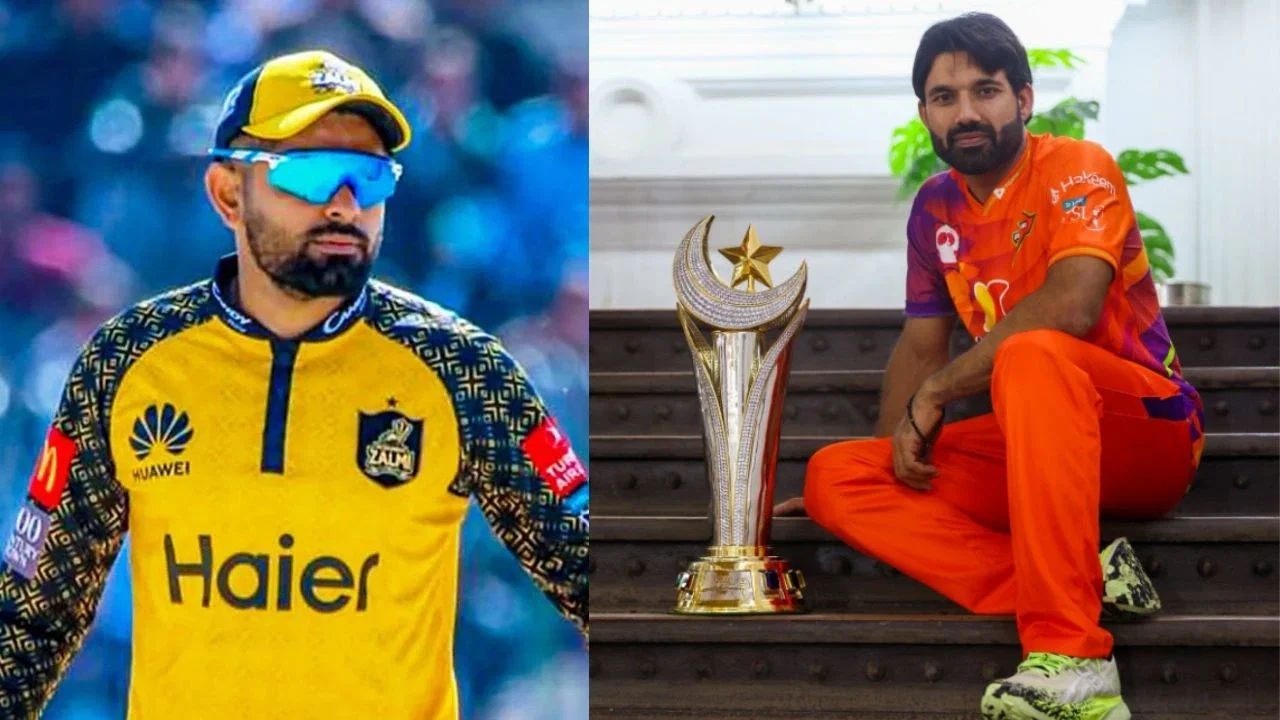
Shahid Afridi’s Instagram account banned in India after fake story
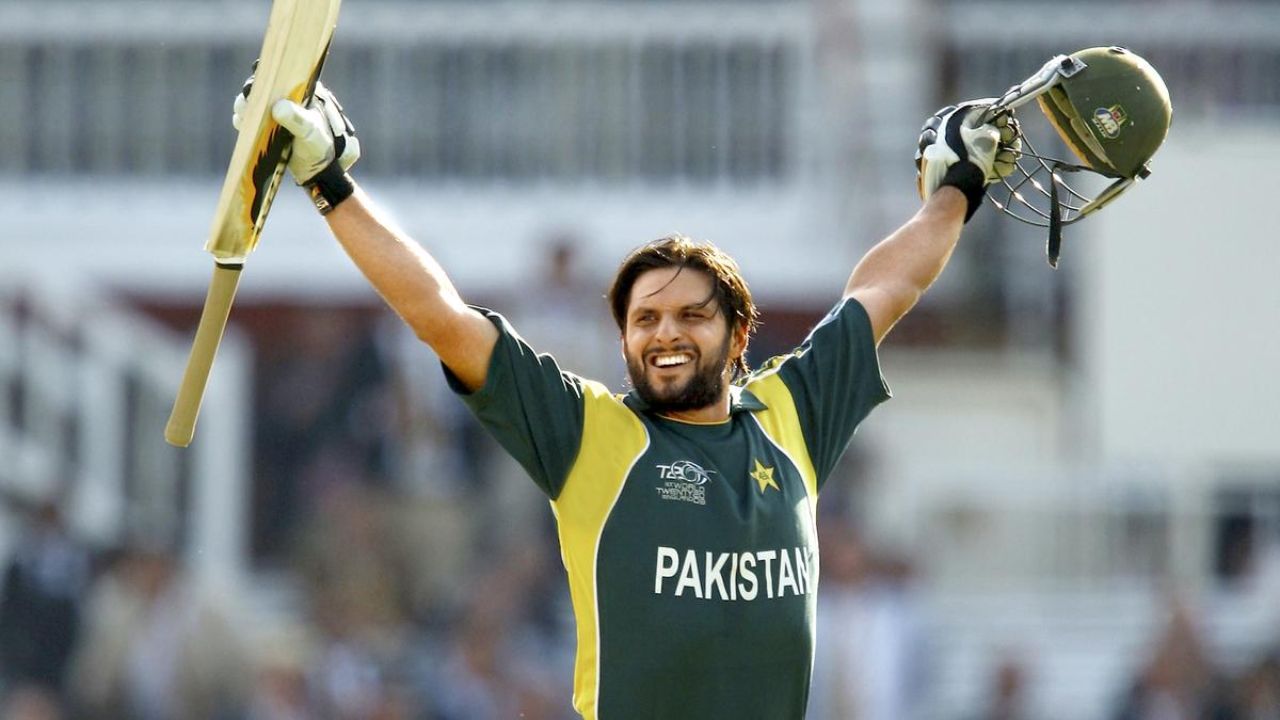
Social Media Accounts of Pakistani Celebrities Unbanned and Blocked Again in India
Several Pakistani celebrities, including former cricketers Shahid Afridi, Shoaib Akhtar, Basit Ali, and Rashid Latif, found their social media accounts accessible once again in India on July 2, after being blocked for two months by the Indian government. This sudden re-accessibility sparked a massive backlash on social media platforms, with users expressing anger and shock over the temporary lift of the ban.
The accounts were originally suspended in India following the Pahalgam terror attack in April. The Ministry of Home Affairs recommended action against these celebrities for allegedly spreading provocative content, false claims, misinformation, and anti-India narratives targeting India, its armed forces, and security agencies.
Controversy Surrounding Shahid Afridi’s Alleged Provocative Post
Adding fuel to the fire, a controversial post allegedly made by Shahid Afridi went viral, where he made bold claims about the Pahalgam terror attack and mocked the Indian government. The post even called India’s Prime Minister Narendra Modi “spineless” and suggested that the only solution to the Kashmir issue was for India to give Kashmir to Pakistan.
Shahid Afridi later clarified that the screenshot was fake and fabricated, but his account was re-banned in India amidst widespread outrage from Indian users over the decision to restore access to Pakistani celebrities’ accounts.
Re-Banning of Accounts and AICWA’s Demand for Total Ban
Just as the controversy was escalating, the social media accounts of Pakistani celebrities were blocked again on Thursday, July 3, morning. Attempts to access the accounts showed a message stating that the content was restricted due to a legal request.
The All-Indian Cine Workers Association (AICWA) also demanded a complete ban on Pakistani artists and content in India. They urged Prime Minister Narendra Modi to halt all cultural and digital ties with Pakistan, referring to the presence of Pakistani artists like Mawra Hocane and Yumna Zaidi on Indian platforms as a disrespect to the soldiers who lost their lives in terror attacks.
AICWA highlighted past terror attacks like the 26/11 Mumbai attacks, Pulwama, Uri, and the recent Pahalgam attack in which 26 civilians were killed. They emphasized that certain Pakistani celebrities had spoken against India in the past, and now they were calling for a permanent ban on Pakistani content and artists in India, both online and offline.
In conclusion, the rollercoaster of events surrounding the unbanning and subsequent re-banning of Pakistani celebrities’ social media accounts in India has stirred controversy and debate on national security, cross-border relations, and the role of celebrities in sensitive political matters.
The Impact of Social Media on Diplomatic Relations
It is essential to recognize the significant role that social media plays in shaping diplomatic relations between countries. The use of social media by celebrities to express their opinions on political issues can have far-reaching consequences, especially in the context of India-Pakistan relations, which have been historically strained.
When celebrities with large followings make controversial statements or engage in inflammatory discourse, it can exacerbate existing tensions and fuel nationalist sentiments on both sides. Governments often feel compelled to take action to regulate or censor such content to prevent further escalation of hostilities.
In this case, the Indian government’s decision to ban and then unban the social media accounts of Pakistani celebrities reflects the delicate balancing act between freedom of expression and national security concerns. The swift reversal of the ban in response to public outcry demonstrates the power of social media in influencing government decisions.
The Role of Celebrities in Political Discourse
Celebrities, particularly those with a large following, wield significant influence over public opinion and can shape political discourse in ways that impact diplomatic relations between countries. While some celebrities choose to remain apolitical or neutral on sensitive issues, others feel compelled to use their platform to advocate for causes they believe in.
In the case of Pakistani celebrities whose accounts were temporarily unblocked in India, their statements and posts were perceived as provocative and anti-India, leading to calls for their permanent ban. This raises questions about the responsibility of celebrities to exercise restraint and sensitivity when commenting on politically sensitive matters that have the potential to incite tensions.
The Need for Constructive Dialogue and De-escalation
Amidst the controversy surrounding the social media accounts of Pakistani celebrities in India, there is a pressing need for constructive dialogue and de-escalation of tensions between the two nations. Both countries have a shared history of conflict and animosity, but they also have much to gain from fostering peaceful coexistence and cooperation.
By engaging in respectful and meaningful dialogue, both governments and celebrities can work towards building bridges of understanding and mutual respect. Rather than resorting to bans and censorship, efforts should be made to promote cultural exchange, dialogue, and empathy between the people of India and Pakistan.
Conclusion
The recent events surrounding the banning and re-banning of Pakistani celebrities’ social media accounts in India underscore the complex dynamics of social media, celebrity influence, and diplomatic relations. As we navigate the challenges posed by digital communication in an increasingly interconnected world, it is important to prioritize dialogue, empathy, and mutual respect in our interactions with one another.
Latest News
Naseem Shah charged with central contract violation during PSL 2026
MS Dhoni out of IPL 2026, has not recovered from calf strain
Jasprit Bumrah set to lead MI attack in blockbuster IPL 2026 clash vs KKR
Mitchell Starc to miss IPL 2026, wife Alyssa Healy drops massive update on injury
Nick Knight rejects PSL to join IPL commentary panel
MS vs ISU Match Prediction, Pitch & Weather Report, Playing XIs, Head-to-Head, Free Live Streaming – PSL 2026 Match 4
“MS Dhoni doesn’t attend team discussions” – Ruturaj Gaikwad makes stunning revelationtaincy Role
Ben Duckett breaks silence on Noosa Clip scandal, calls it ‘Worst’ moment in cricketing career
“IPL players are grossly underpaid”: Ex-CSK star calls out BCCI
Ahmed Shehzad summoned as former Pakistan skipper takes legal action over serious allegations
CSK to feature without their legendary duo MS Dhoni and Suresh Raina for the first time
Ishan Kishan set to create history as SRH captain in IPL 2026 opener against RCB
RCB Playing XI vs SRH Playing XI – Match No. 1 | IPL 2026
Delhi Capitals IPL 2026 Full Schedule: DC Fixtures, Dates, Timings and Venues | Squad and Coaches