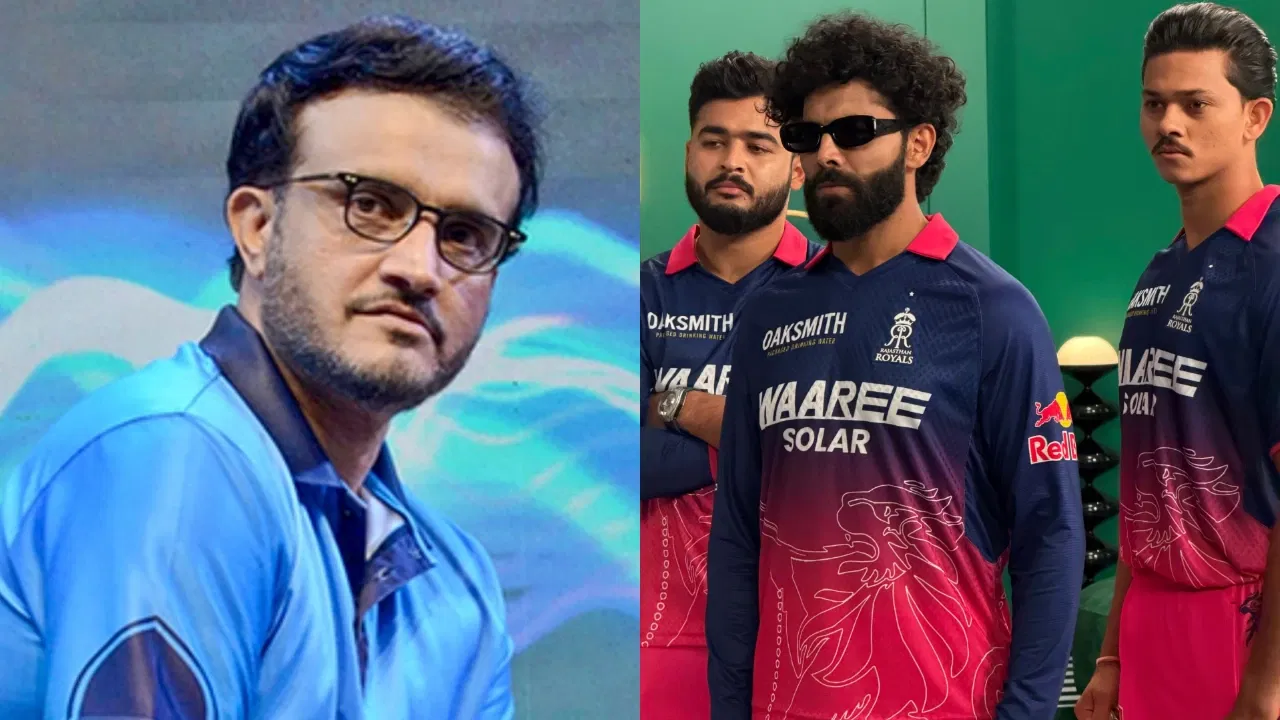
Shama Mohamed joins Mohammed Shami Roza controversy after exiting Rohit Sharma controversy
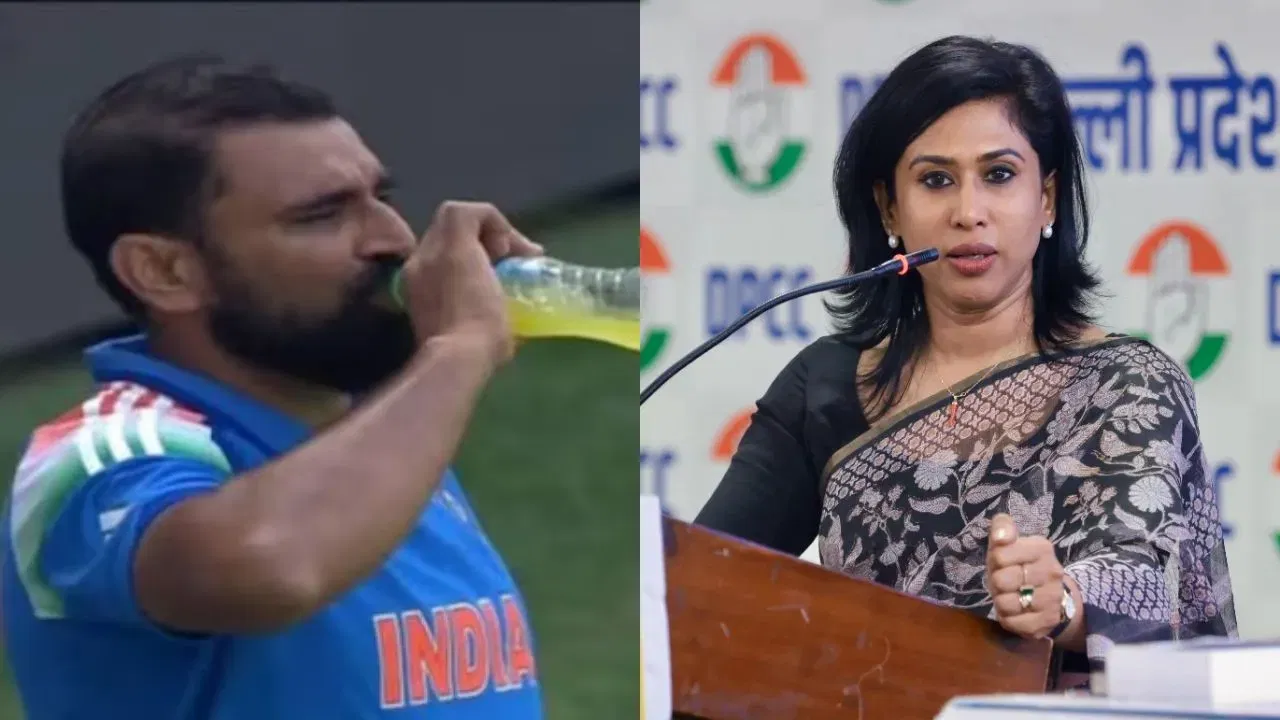
Indian Pacer Mohammed Shami Faces Criticism for Drinking During Champions Trophy Semifinal
Indian fast bowler Mohammed Shami has sparked a debate after he was caught sipping a hydration drink during the Champions Trophy 2025 semifinal against Australia. Despite his impressive performance in the match, Shami faced backlash for not observing Roza, a fasting ritual during Ramzan.
Controversy Surrounding Mohammed Shami
During the semifinal match in Dubai on March 4, Mohammed Shami took three crucial wickets, helping India dismiss Australia for 264 runs. His stellar performance contributed to India’s four-wicket victory, securing their spot in the final match. However, amidst the celebrations, a video of Shami consuming an energy drink circulated on social media, leading to criticism from Maulana Shahabuddin Rizvi, who labeled Shami a “criminal” for not observing Roza.
Defending Mohammed Shami
Congress spokesperson Shama Mohamed came to Shami’s defense, stating that in Islam, individuals are exempt from fasting while traveling. She emphasized that Shami was away from home and playing a sport that required hydration. Mohamed highlighted the importance of deeds over rituals in Islam, explaining that during travel, fasting is not mandatory. Maulana Khalid Rashid Firangi Mahali also supported Shami, asserting that no one has the right to judge him for his decision not to observe Roza.
Backlash Against Shama Mohamed
Shama Mohamed had previously faced criticism for her comments on cricketer Rohit Sharma, where she referred to him as the “most unimpressive Indian captain.” Her remarks drew condemnation from former cricketers like Harbhajan Singh and Sunil Gavaskar. Despite the backlash, Mohamed stood by her defense of Shami and clarified the Islamic perspective on fasting during travel.
Mohammed Shami’s Performance in Champions Trophy
As India’s leading pacer in the Champions Trophy, Mohammed Shami has showcased his talent with a five-wicket haul against Bangladesh. While he faced a dry spell against Pakistan and New Zealand, Shami remains India’s highest wicket-taker in the tournament. With the final match against New Zealand approaching, Shami will look to secure his first ICC tournament victory for India at the Dubai International Cricket Stadium on March 9.
In conclusion, despite the controversy surrounding his fasting practices, Mohammed Shami’s dedication to the game and consistent performance on the field have solidified his position as a key player in India’s pace attack. As the cricket world awaits the final showdown, Shami’s skills and resilience will be put to the test once again as he aims to lead India to victory in the Champions Trophy.
Impact of Social Media on Athletes
The incident involving Mohammed Shami highlights the significant impact of social media on athletes’ public image and personal lives. With the proliferation of smartphones and instant sharing capabilities, athletes are under constant scrutiny, even during moments of personal choices like hydration or religious practices. The rapid spread of videos and opinions on platforms like Twitter, Instagram, and Facebook can quickly turn a private moment into a public controversy, affecting an athlete’s reputation and mental well-being.
Understanding Cultural Sensitivities
It is essential to consider the cultural and religious sensitivities of athletes when assessing their actions. In a diverse country like India, where people follow different faiths and traditions, it is crucial to respect individual beliefs and practices. Mohammed Shami’s situation serves as a reminder of the importance of understanding and acknowledging diverse cultural backgrounds, especially in the context of sports where athletes come from various religious and cultural backgrounds.
Balancing Professionalism and Personal Beliefs
Athletes often face the challenge of balancing their professional commitments with personal beliefs and practices. While sports require dedication, discipline, and adherence to training regimens, athletes also have personal lives, traditions, and rituals that hold significance to them. Finding a balance between these two aspects can be challenging, as seen in Mohammed Shami’s case, where the decision to hydrate during a match sparked a debate over religious observance.
Role of Religious Leaders in Sports
The involvement of religious leaders in critiquing athletes’ behaviors raises questions about the intersection of religion and sports. While individuals may look to religious authorities for guidance on moral and ethical matters, the public scrutiny of athletes’ actions based on religious interpretations can lead to unnecessary controversies. It is crucial for religious leaders and sports communities to engage in constructive dialogue and mutual understanding to prevent misunderstandings and promote respect for individual choices.
Looking Ahead: Future of Cricket and Cultural Sensitivity
As cricket continues to be a popular sport in India and around the world, discussions around cultural sensitivity, religious practices, and athletes’ rights will persist. It is essential for sports organizations, teams, and fans to create an inclusive and supportive environment for athletes of all backgrounds. By fostering respect, understanding, and tolerance, the cricketing community can celebrate diversity and unity, both on and off the field.
In conclusion, while Mohammed Shami’s incident sparked controversy, it also shed light on broader themes of cultural diversity, personal beliefs, and the impact of social media on athletes. As the Champions Trophy reaches its climax, it serves as a reminder of the complexities and challenges that athletes face in navigating their professional and personal lives in the public eye.
Latest News
Ben Duckett opts out from IPL 2026, set to face ban
“Players will prevail”: Sourav Ganguly’s drops big verdict on ‘Impact Player’ rule ahead of IPL 2026
“Players will prevail”: Sourav Ganguly’s drops big verdict on ‘Impact Player’ rule ahead of IPL 2026
3 LSG players who could struggle in IPL 2026 – ft Rishabh Pant
Rinku Singh gets major role for KKR ahead of IPL 2026
RCB gets new buyer ahead of IPL 2026, sold to…..
KKR take massive step to honour Andre Russell forever
“Mumbai Indians are winning it” – Ex-England captain makes bold prediction for IPL 2026
Mayank Yadav reveals real story behind his recovery and Sanjiv Goenka’s support
IPL 2026 ball change rule explained
Ottis Gibson reveals plan to revive Babar Azam’s confidence ahead of PSL 2026
Liam Livingstone survives as Rob Key confirms England spot after shocking interview claims
Kevin Pietersen credits RCB and IPL for career revival
Ottneil Baartman set to join CSK in IPL 2026 as replacement of….