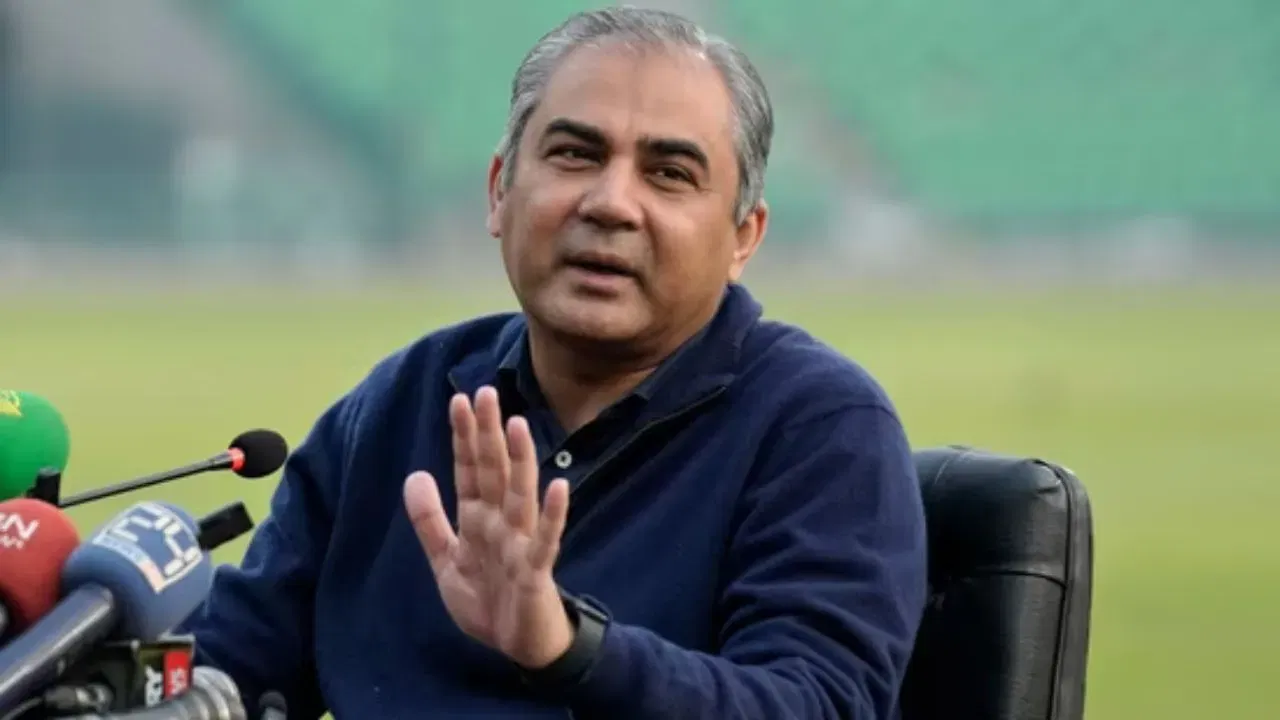
Shardul Thakur launches missile attack on Gautam Gambhir’s Management; reveals all players frustrated

Shardul Thakur Emphasizes Importance of Workload Management in Cricket
Team India’s all-rounder Shardul Thakur recently highlighted the significance of workload management in cricket, stressing the need to handle the body’s demands effectively to prevent injuries. Thakur expressed concerns that players are often “taken for granted” despite months of continuous play, emphasizing the critical role of proper management in ensuring players’ health and performance.
Thakur’s Continuous Cricket Engagement Over the Past 11 Months
Thakur’s involvement in continuous cricket over the past 11 months has been notable. From playing in the Irani Trophy in October 2024 to featuring in various domestic tournaments like the 2024-25 Ranji Trophy, Vijay Hazare Trophy, and Syed Mushtaq Ali Trophy, Thakur has remained actively engaged in the sport. Despite going unsold in the IPL auction, he later joined the Lucknow Super Giants (LSG) as an injury replacement in 2025.
Following his IPL stint, Thakur participated in two India A tour games against England Lions and played in two Tests during the Anderson-Tendulkar Trophy in England. Despite his contributions with two wickets and 46 runs in three innings, Thakur’s spot in the upcoming Test squad for the home series against the West Indies remains uncertain. Additionally, the 33-year-old captained West Zone in the Duleep Trophy semi-final, showcasing his leadership qualities on the field.
Challenges of Managing Workload According to Thakur
During the Duleep Trophy semi-final, Thakur opened up about the challenges of managing workload as a professional cricketer. He highlighted the lack of attention some players receive regarding their fitness and revealed that he relies on physios and Strength & Conditioning coaches to maintain his physical well-being.
Thakur expressed his frustration, stating, “A lot of times we are taken for granted, and the management is not at the highest level. No one actually comes and asks us how our body feels after playing for so many months. But yes, I have been managing my body with physios, S&Cs [Strength & Conditioning coach], doing constant work.”
Thakur’s Stance on Workload Management During Matches
Despite emphasizing the importance of workload management, Thakur also emphasized the need for players to focus on giving their best during matches without worrying about workload management on the field. He suggested that players should give their all during the game and focus on managing their workload during breaks or rest periods.
Thakur stated, “Once you enter the game, you can’t be talking about workload management because then the game situation also takes over. When you go into the game, you’re expected to give your best. Whatever you have in your tank, you have to give it all. And I believe you shouldn’t be shying away from coming in and hitting the deck hard in the game, keep doing those efforts.”
Thakur’s insights shed light on the delicate balance required in managing a player’s workload effectively while maintaining peak performance on the field. His experiences serve as a reminder of the importance of holistic player management strategies in modern cricket.
Shardul Thakur’s Approach to Recovery and Regeneration
In addition to acknowledging the importance of workload management, Shardul Thakur has also emphasized the significance of recovery and regeneration in sustaining peak performance levels. Thakur’s meticulous approach to post-match recovery includes ice baths, massage therapy, and proper nutrition to ensure that his body recovers effectively after strenuous matches. By prioritizing recovery alongside workload management, Thakur aims to minimize the risk of injuries and maintain his physical condition throughout the demanding cricket season.
Moreover, Thakur has incorporated yoga and meditation into his routine to enhance mental well-being and focus. Recognizing the mental toll of continuous cricket engagement, Thakur’s holistic approach encompasses both physical and mental aspects of player well-being. By striking a balance between physical recovery and mental resilience, Thakur strives to optimize his performance on the field while safeguarding his long-term health.
The Role of Data and Analytics in Workload Management
As cricket evolves with advancements in sports science and technology, data and analytics have become integral tools in workload management strategies. Players like Shardul Thakur benefit from data-driven insights that track their workload, performance metrics, and injury risks. Through wearable technology and performance monitoring systems, teams can analyze player data to tailor training programs, rest periods, and match schedules accordingly.
Thakur’s collaboration with sports scientists and data analysts enables him to make informed decisions about his training intensity, recovery protocols, and overall workload distribution. By leveraging data-driven approaches, players can optimize their performance, prevent injuries, and prolong their careers in a competitive sporting environment.
Adapting Workload Management to Different Formats of the Game
One of the challenges faced by modern cricketers like Shardul Thakur is adapting workload management strategies to different formats of the game. With the proliferation of T20 leagues, bilateral series, and multi-format tours, players are constantly exposed to varied playing conditions and match intensities. Thakur’s versatility as an all-rounder requires him to balance his workload across Test matches, ODIs, and T20s while maintaining a high level of performance in each format.
Thakur’s approach to workload management may vary depending on the demands of specific formats. For instance, he may focus on building endurance and recovery for Test matches, while prioritizing explosive power and agility for T20 contests. By tailoring his training regimen to suit the requirements of each format, Thakur can optimize his performance across different cricketing scenarios.
Conclusion
Shardul Thakur’s insights into workload management offer valuable lessons for aspiring cricketers and sports enthusiasts alike. By highlighting the importance of balancing workload, recovery, and performance, Thakur underscores the holistic nature of player management in contemporary cricket. As the sporting landscape continues to evolve, integrating data-driven approaches, mental well-being strategies, and format-specific adaptations will be crucial for athletes like Thakur to thrive in a competitive environment.
Ultimately, Shardul Thakur’s journey exemplifies the dedication, resilience, and foresight required to navigate the complexities of modern cricket while prioritizing long-term health and sustainability in a demanding sport.
Latest News
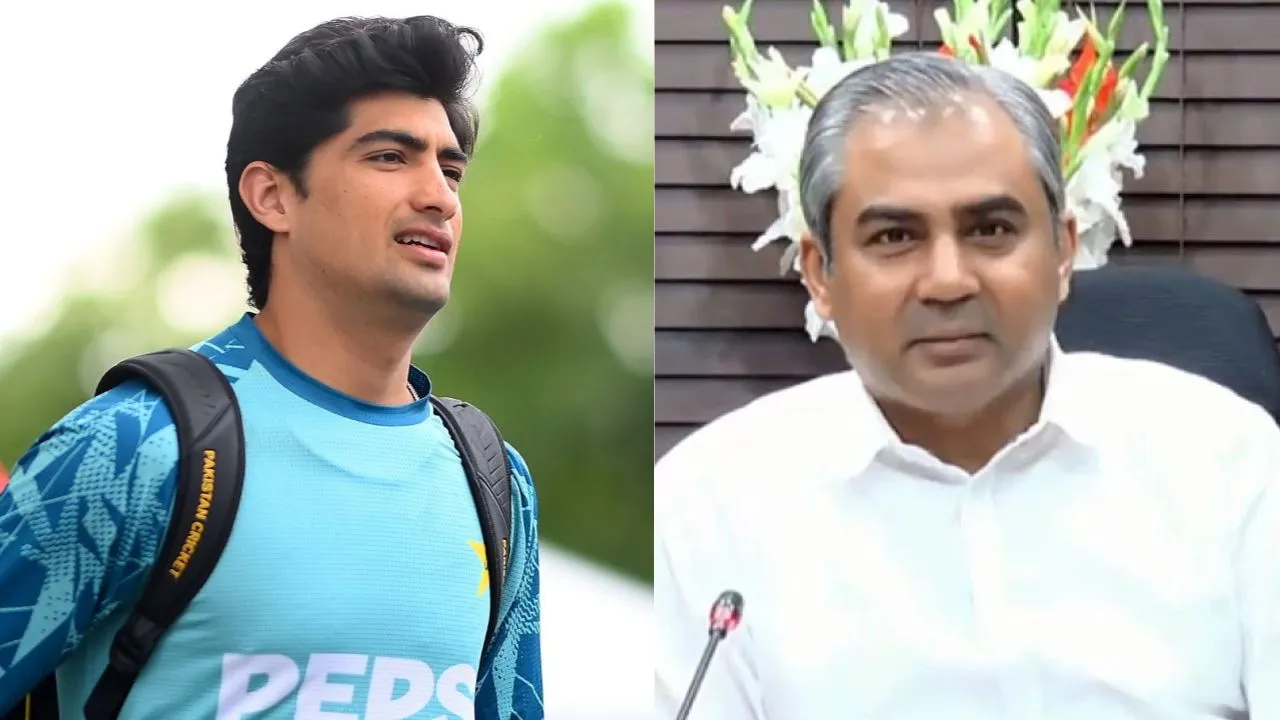
Mohsin Naqvi enforces new social media rules for Pakistan players following Naseem Shah incident
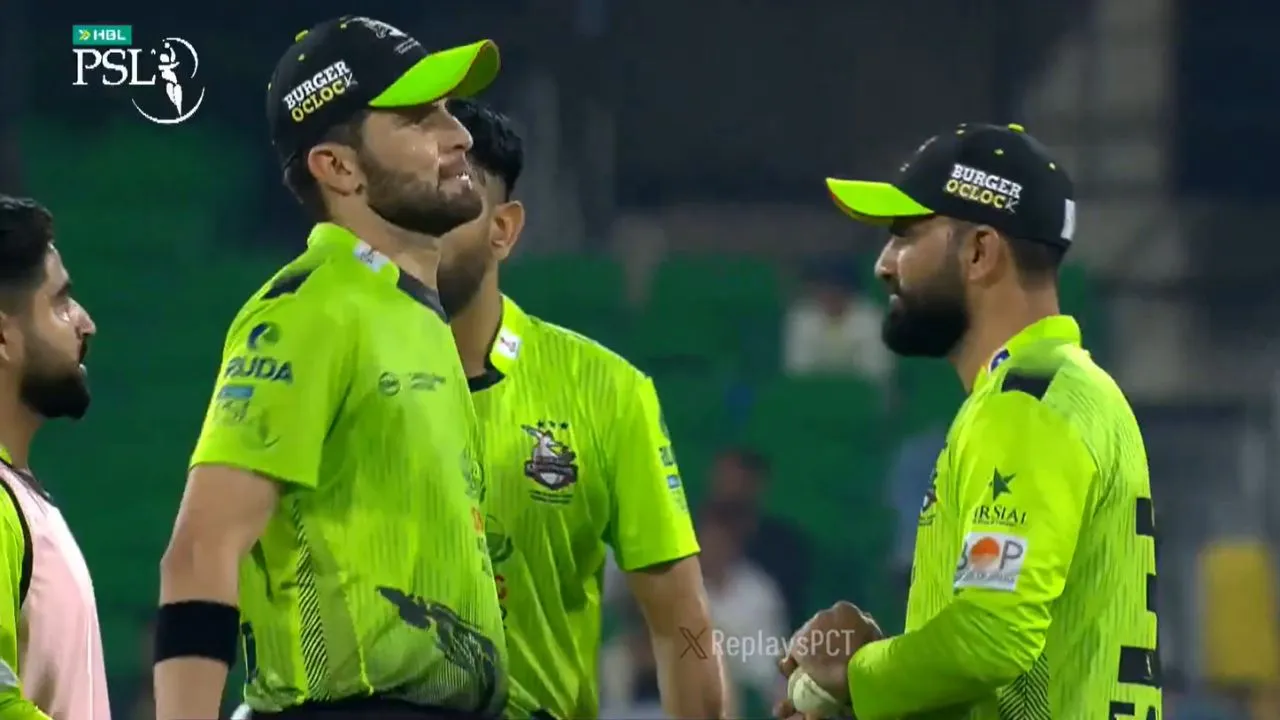
Fakhar Zaman officially handed cricket ban after PSL 2026 ball-tampering controversy

Pat Cummins forces Cricket Australia to slash central contracts list to secure premium deal
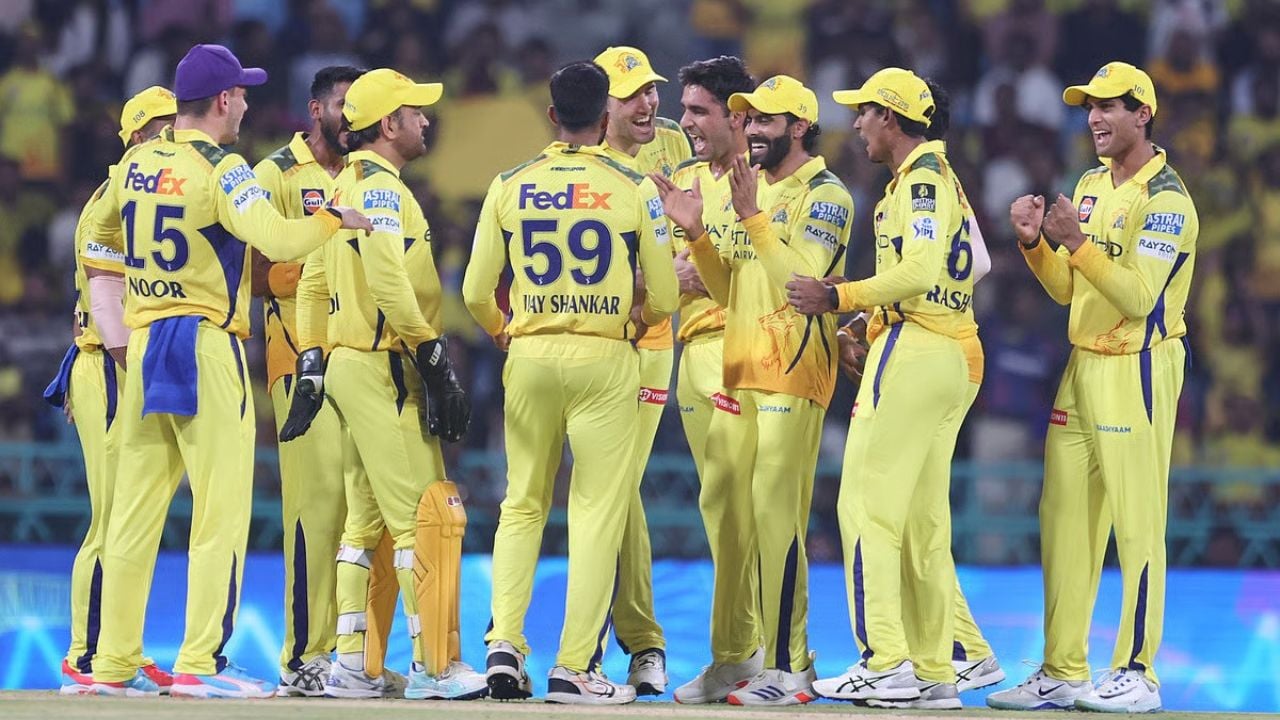
CSK’s big promise to players revealed amid IPL 2026: “Whatever BCCI offers, we’ll double it”
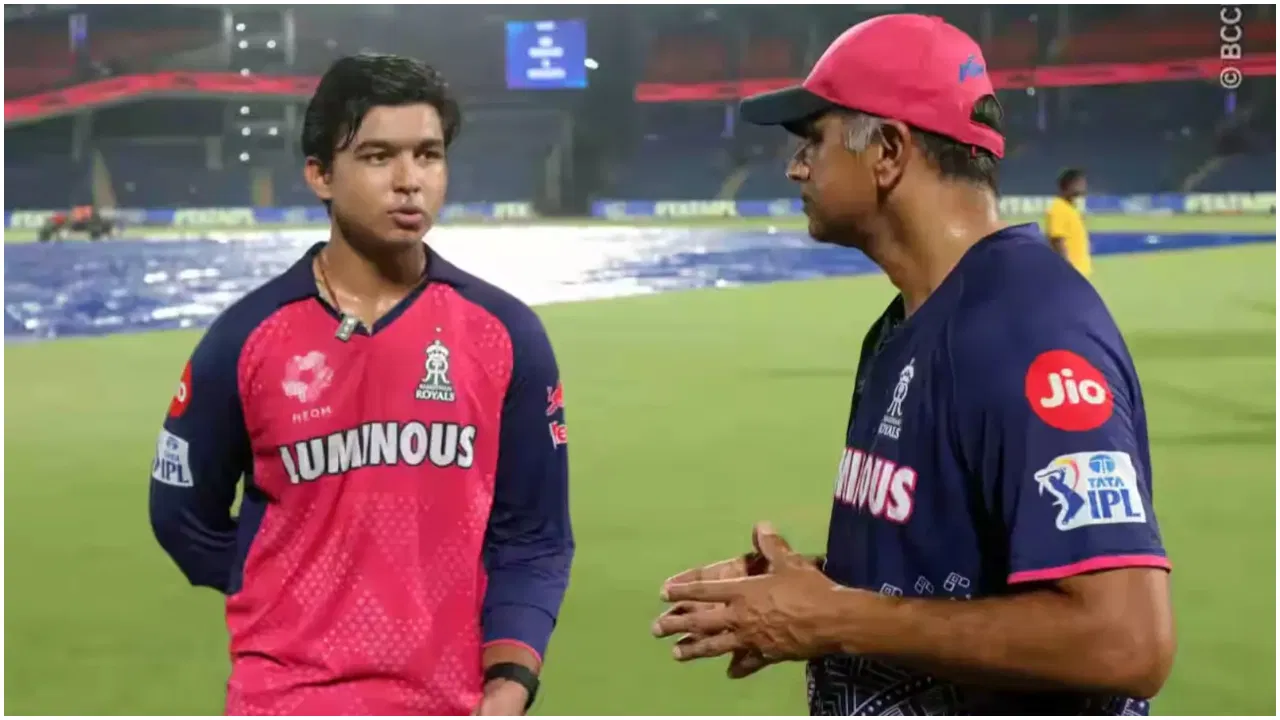
Ravichandran Ashwin rules out Vaibhav Sooryavanshi’s India call-up
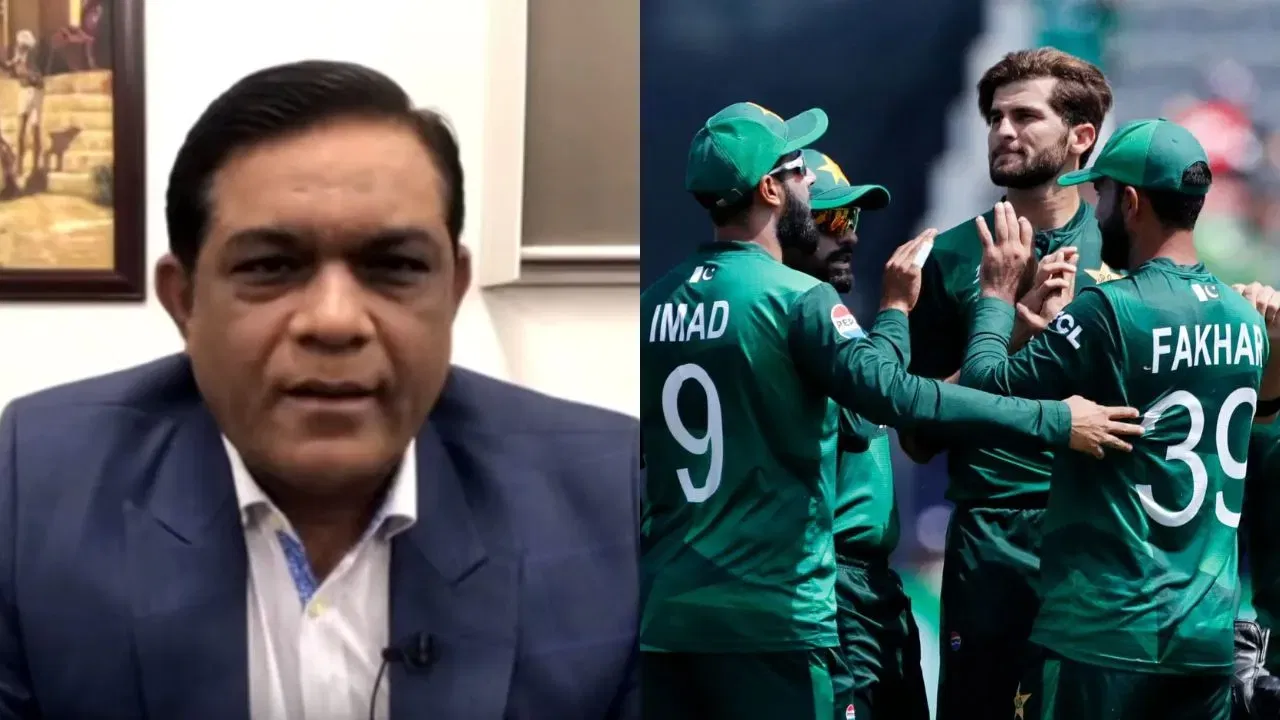
Rashid Latif claims PSL ball-tampering row was deliberately created for attention amid IPL rivalry
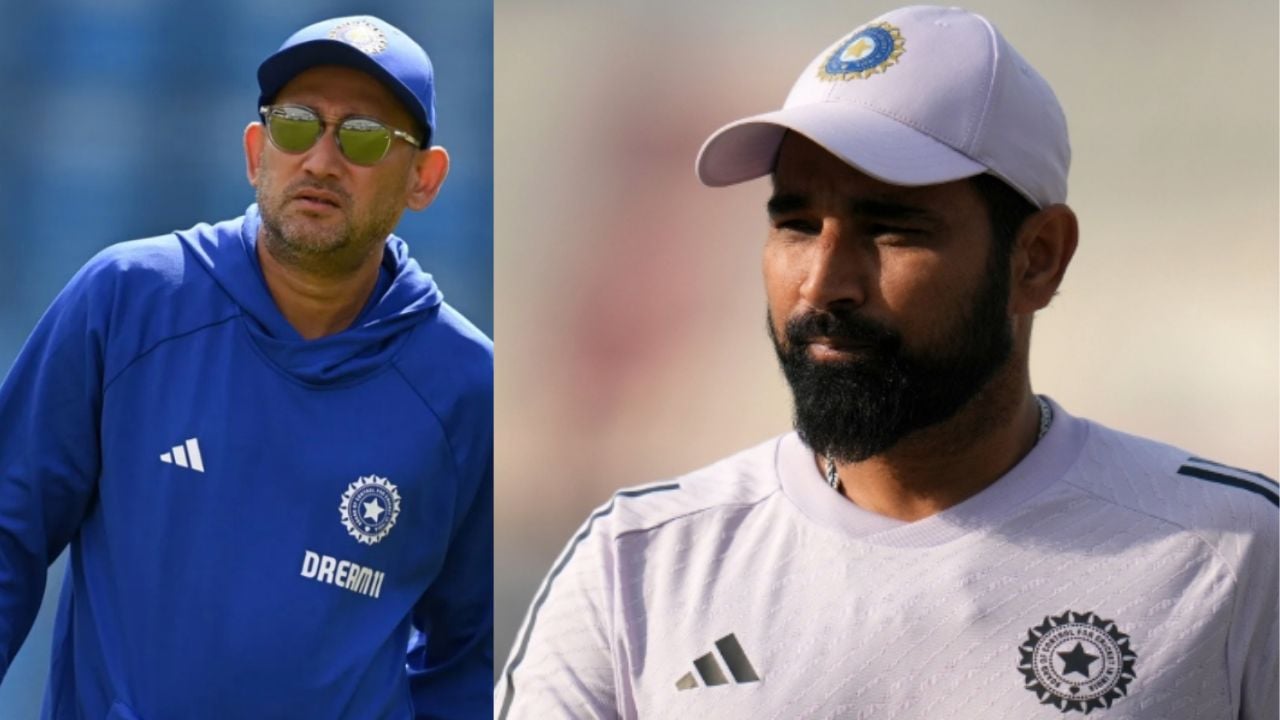
Mohammed Shami breaks silence on retirement buzz after India snub; has special message for LSG
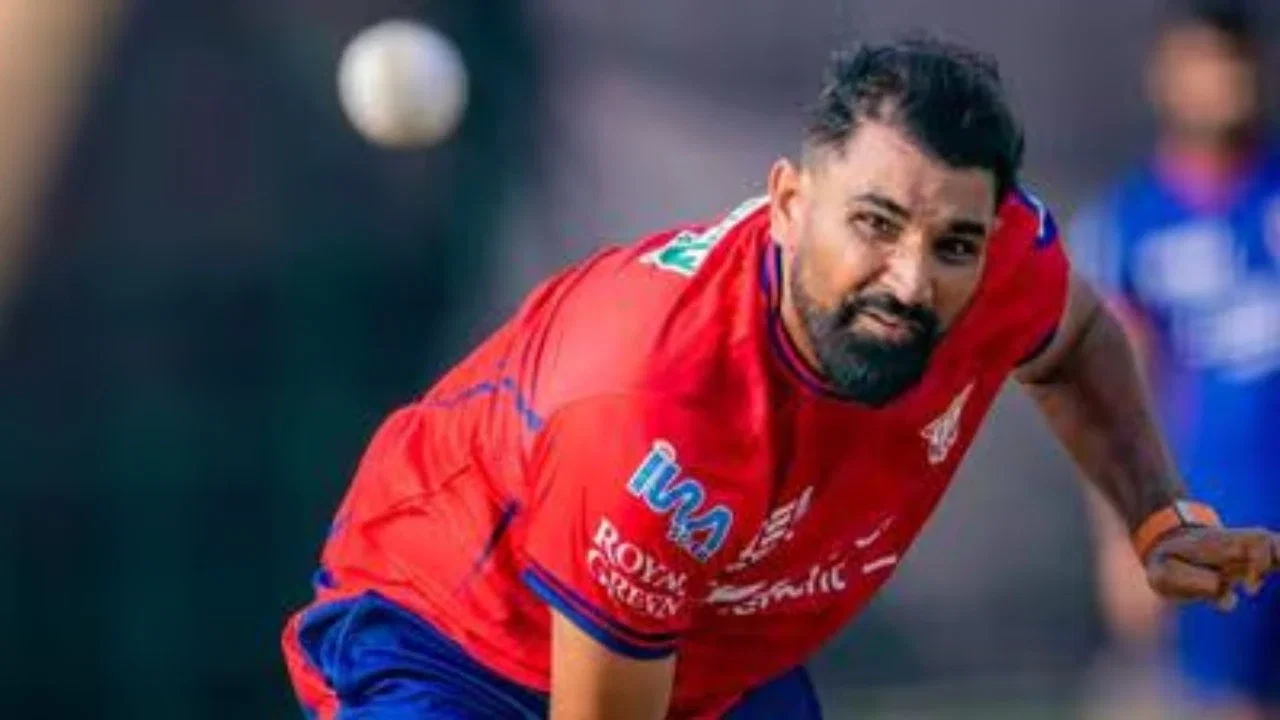
Mohammed Shami reveals IPL 2026 Top 4, leaves out five-time champions
Mohammed Shami hits back at Ravichandran Ashwin over LSG’s poor IPL 2026 prediction
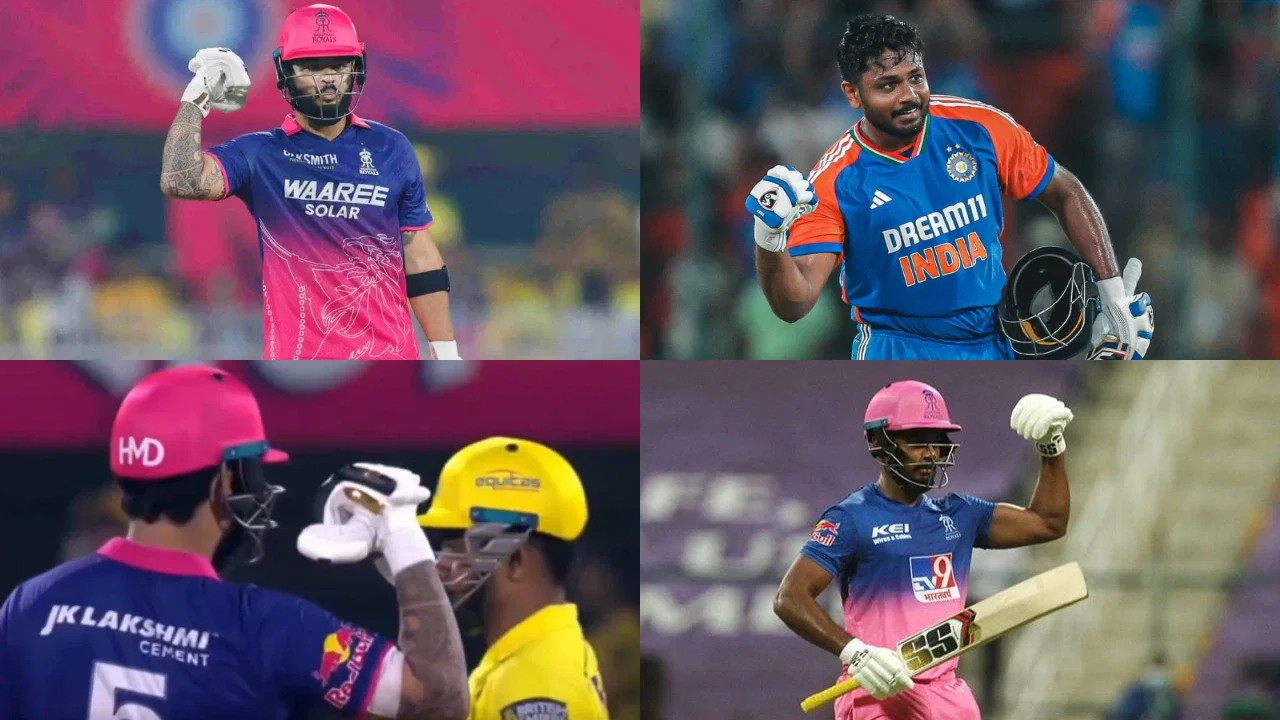
Riyan Parag mocked Sanju Samson? Batter’s muscle-flex celebration after sensational 6 vs CSK goes viral

IPL 2026 hit by tragedy! British broadcast engineer dies in Mumbai hotel room
Brad Haddin reveals reality of Shreyas Iyer as captain

Jos Buttler set to dominate IPL 2026, thanks to Ashish Nehra
Ravindra Jadeja says he had no conversation with MS Dhoni after RR move