Shardul Thakur launches missile attack on Gautam Gambhir’s Management; reveals all players frustrated

Shardul Thakur Emphasizes Importance of Workload Management in Cricket
Indian all-rounder Shardul Thakur has recently highlighted the significance of workload management in cricket, stressing the need to handle the body’s demands effectively. Thakur pointed out that players are often overlooked despite months of continuous play, making proper management essential to prevent injuries.
Thakur’s Busy Schedule Over the Past 11 Months
Thakur has been actively participating in cricket for the past 11 months, starting with the Irani Trophy in October 2024. He then featured in various tournaments such as the Ranji Trophy, Vijay Hazare Trophy, and Syed Mushtaq Ali Trophy. Despite going unsold in the IPL auction, Thakur later joined Lucknow Super Giants (LSG) as an injury replacement in 2025.
Following the IPL, Thakur continued to showcase his skills by playing India A tour games against England Lions and participating in two Tests during the Anderson-Tendulkar Trophy in England. Even though he contributed with two wickets and 46 runs across three innings, his spot in the upcoming Test squad for the home series against the West Indies remains uncertain. Additionally, the 33-year-old captained West Zone in the Duleep Trophy semi-final, showcasing his leadership qualities.
Thakur’s Thoughts on Workload Management
During the Duleep Trophy semi-final, Thakur opened up about the challenges of managing workload in cricket. He expressed his concerns about the lack of attention some players receive regarding their fitness and emphasized the importance of working closely with physios and Strength & Conditioning coaches to maintain peak performance.
Thakur stated, “A lot of times we are taken for granted, and the management is not to the highest level. No one actually comes and asks us how our body feels after playing for so many months. But yes, I have been managing my body with physios, S&Cs, doing constant work.”
Balancing Performance and Workload Management
Despite acknowledging the necessity of workload management, Thakur believes that players should focus on delivering their best performance during matches without worrying about the workload. He emphasized that cricketers should give their all on the field and save discussions about workload management for rest periods.
Thakur explained, “Once you enter the game, you can’t be talking about workload management because then the game situation also takes over. When you go into the game, you’re expected to give your best. Whatever you have in your tank, you have to give it all.”
Thakur’s insights shed light on the ongoing debate surrounding workload management in cricket and emphasize the importance of balancing performance with player well-being. As Indian cricket continues to evolve, the focus on managing players’ workload effectively is crucial to ensuring their long-term success and preventing injuries.
Importance of Workload Management in Cricket
Workload management in cricket has become a hot topic in recent years as players are subjected to grueling schedules across multiple formats of the game. The demands placed on cricketers can lead to physical and mental fatigue, increasing the risk of injuries and burnout. It is crucial for teams and players to prioritize managing workload effectively to maintain peak performance and longevity in their careers.
Evolution of Workload Management Strategies
With advancements in sports science and technology, teams have begun to adopt more sophisticated strategies for workload management. Monitoring tools such as GPS trackers, heart rate monitors, and player wellness questionnaires are used to track players’ physical and mental states throughout a season. This data allows teams to tailor training programs, rest schedules, and match participation to individual players’ needs.
Coaches and support staff collaborate closely with physiotherapists, Strength & Conditioning coaches, and sports psychologists to ensure that players are adequately prepared and recovered for each match. By implementing proactive measures to reduce the risk of injuries and fatigue, teams can optimize players’ performance while prolonging their careers.
Player Well-Being as a Priority
As the demands of international cricket continue to increase, there is a growing recognition of the importance of prioritizing player well-being. The physical and mental toll of constant travel, training, and competition can take a significant toll on players, impacting their performance and overall health.
By fostering a culture that values open communication between players and management regarding workload management, teams can create a supportive environment where players feel comfortable addressing concerns about their fitness and workload. This transparent approach helps prevent injuries and burnout while fostering a sense of trust and collaboration within the team.
Long-Term Benefits of Workload Management
Effective workload management not only benefits players in the short term by reducing the risk of injuries and fatigue but also has long-term implications for their careers. By prioritizing player well-being and implementing strategies to optimize performance, teams can ensure that their players have sustainable careers and continue to excel at the highest level of the game.
Players like Shardul Thakur serve as role models for the importance of managing workload effectively to achieve success in cricket. By following his example and prioritizing their physical and mental health, cricketers can prolong their careers, maximize their potential, and contribute to the continued evolution of the sport.
Conclusion
In conclusion, Shardul Thakur’s insights on workload management underscore the challenges and importance of balancing performance with player well-being in cricket. As the sport continues to evolve, teams and players must prioritize effective workload management strategies to ensure sustained success and minimize the risk of injuries and burnout. By investing in player health and implementing proactive measures, cricket can continue to thrive while supporting the well-being of its athletes.
Latest News
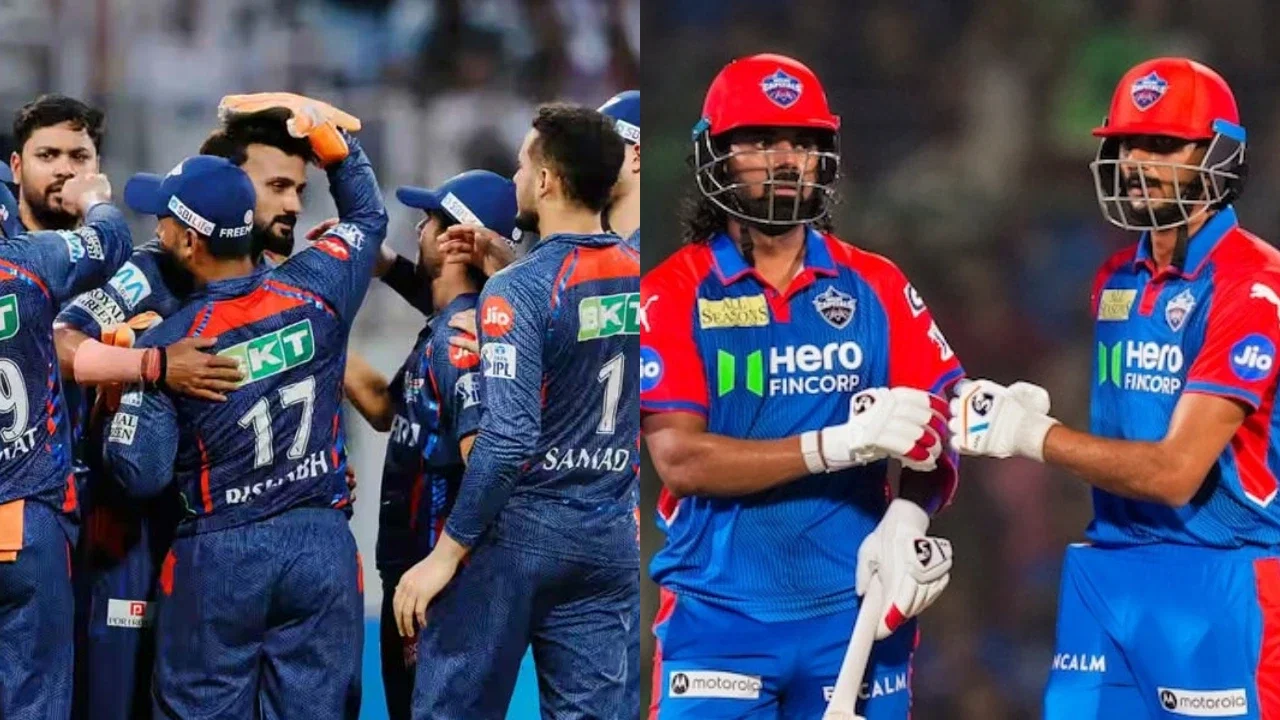
LSG Playing XI vs DC Playing XI – Match No. 5 | IPL 2026

Krunal Pandya breaks silence on India snub, opens up on Virat Kohli
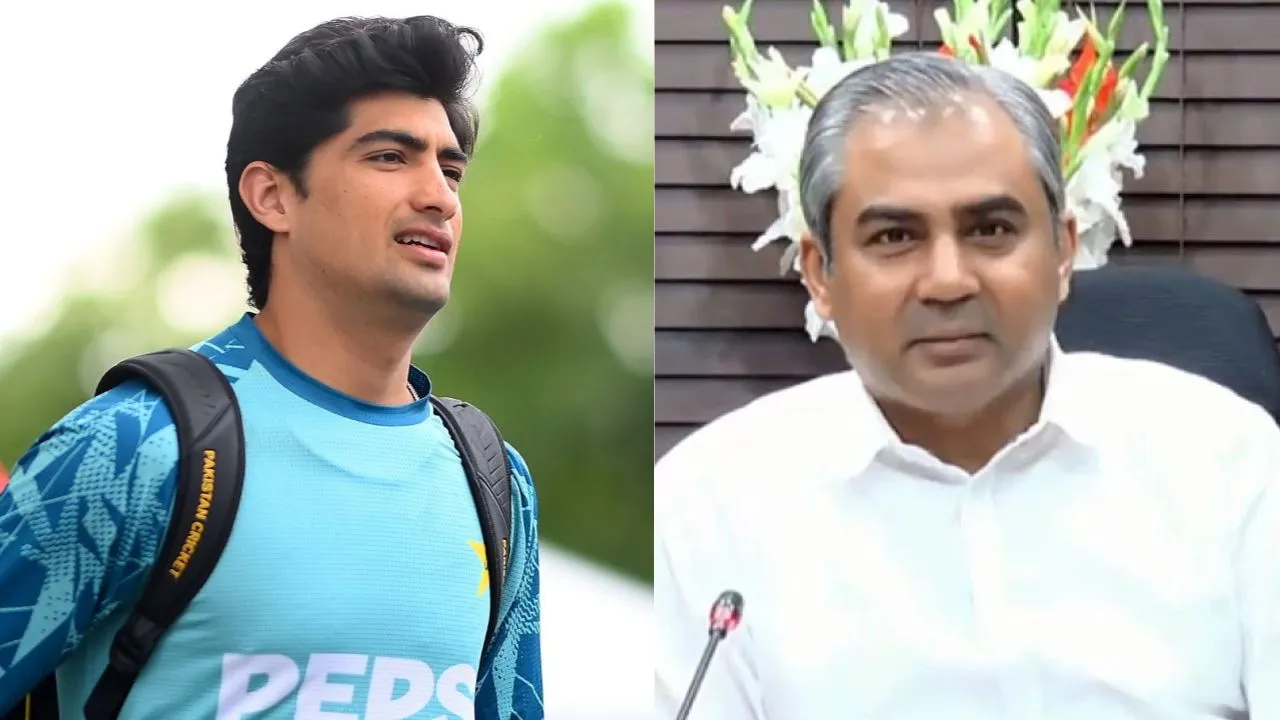
Mohsin Naqvi enforces new social media rules for Pakistan players following Naseem Shah incident
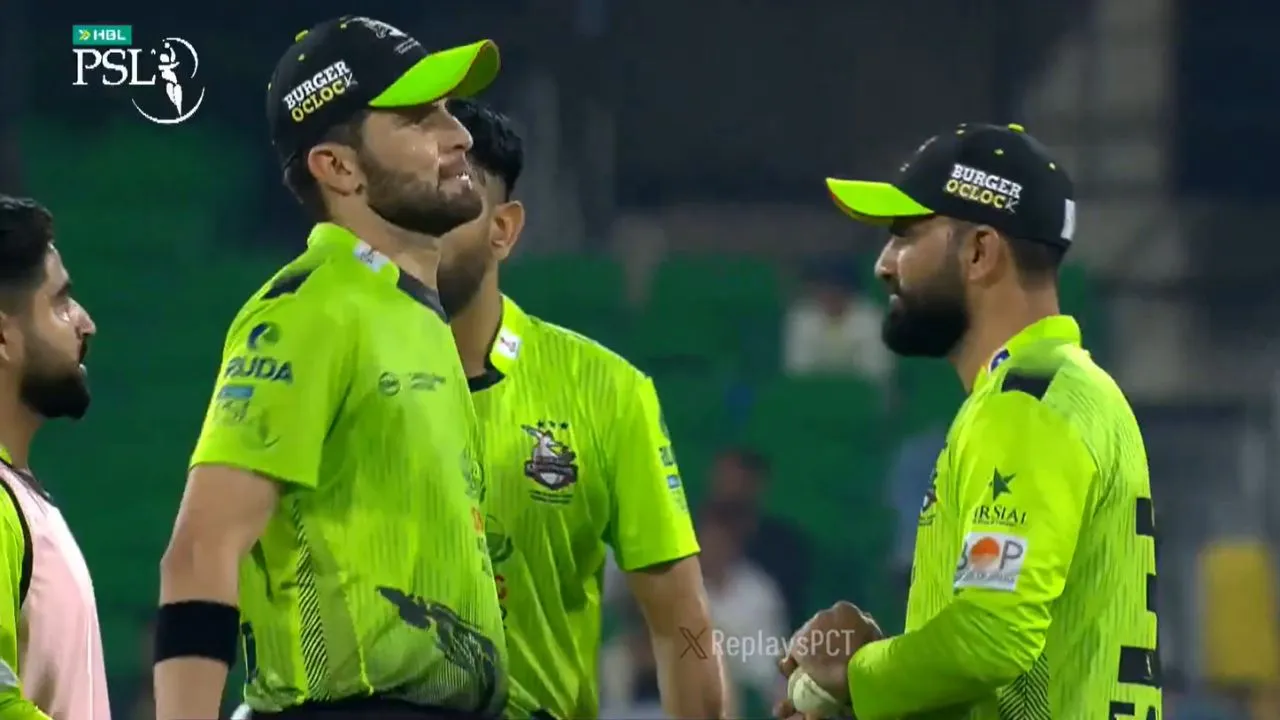
Fakhar Zaman officially handed cricket ban after PSL 2026 ball-tampering controversy
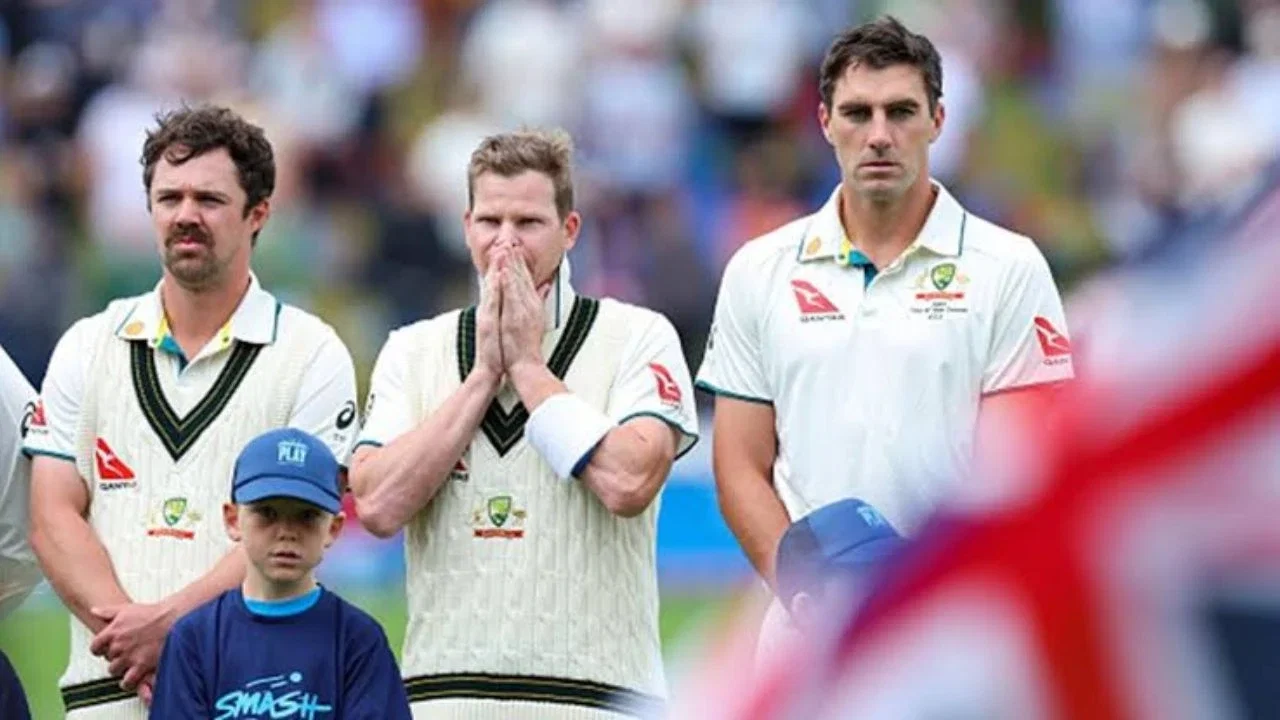
Pat Cummins forces Cricket Australia to slash central contracts list to secure premium deal
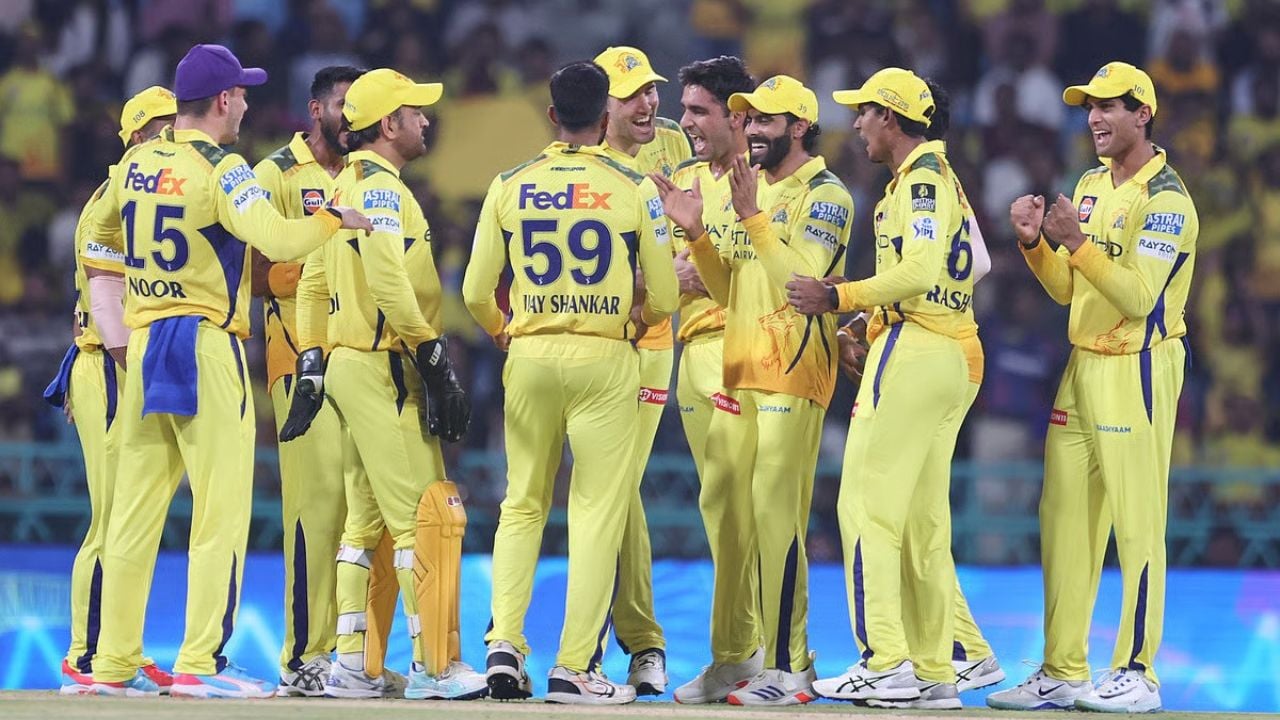
CSK’s big promise to players revealed amid IPL 2026: “Whatever BCCI offers, we’ll double it”
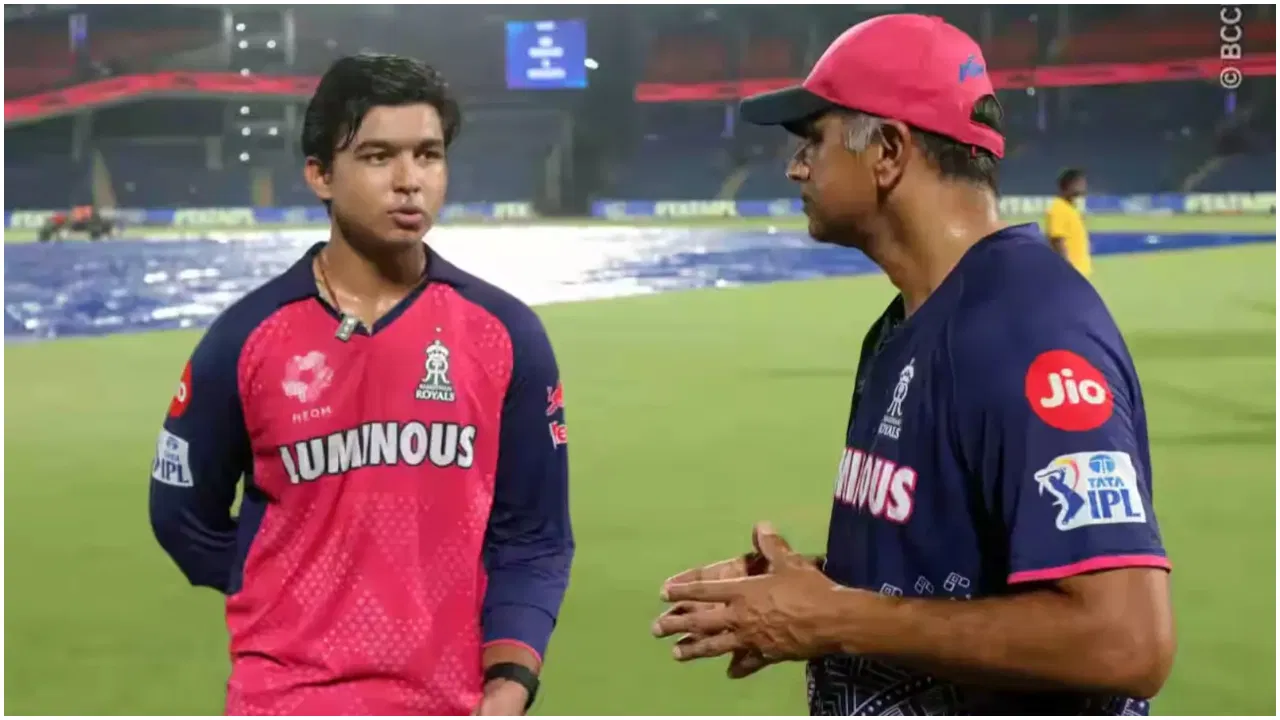
Ravichandran Ashwin rules out Vaibhav Sooryavanshi’s India call-up

Rashid Latif claims PSL ball-tampering row was deliberately created for attention amid IPL rivalry
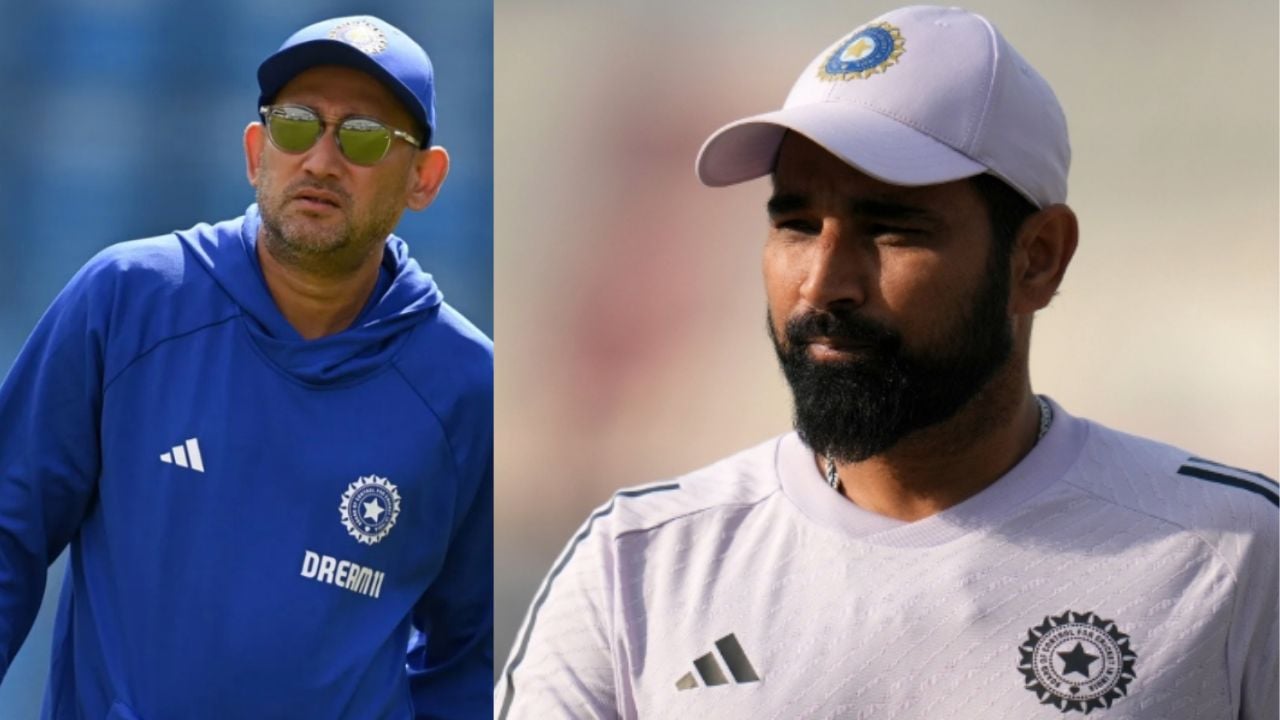
Mohammed Shami breaks silence on retirement buzz after India snub; has special message for LSG
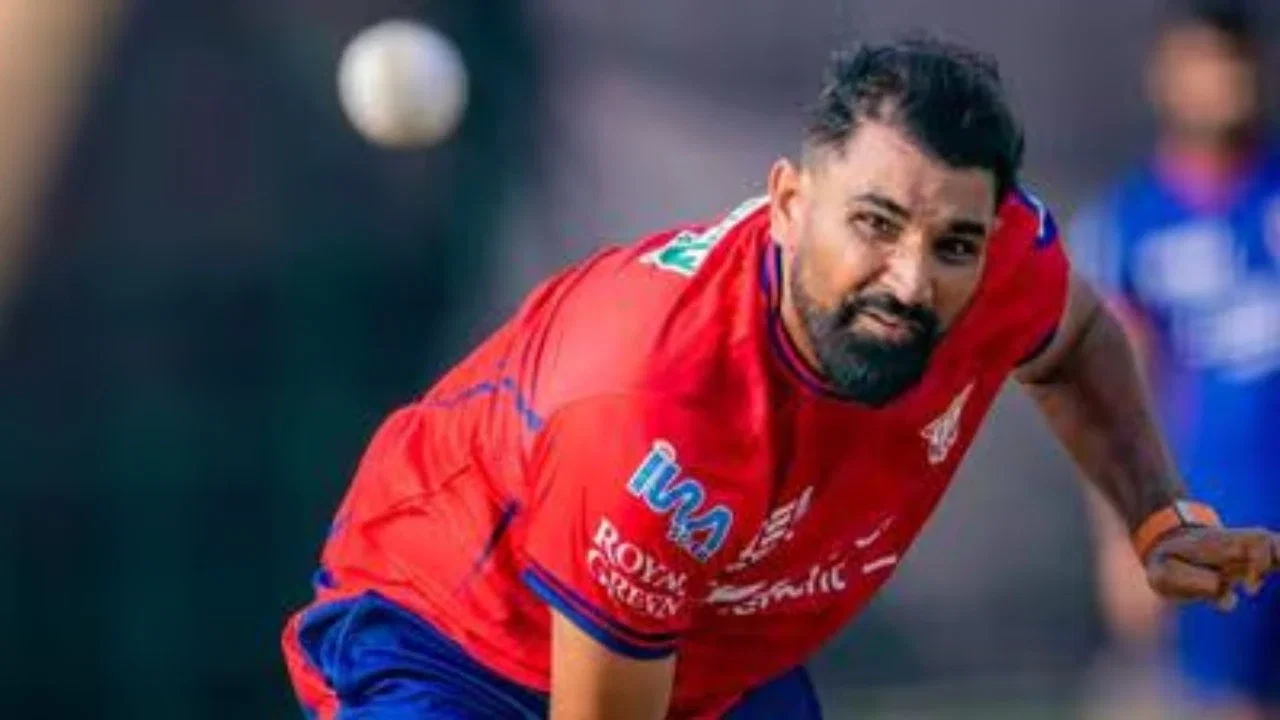
Mohammed Shami reveals IPL 2026 Top 4, leaves out five-time champions
Mohammed Shami hits back at Ravichandran Ashwin over LSG’s poor IPL 2026 prediction
Riyan Parag mocked Sanju Samson? Batter’s muscle-flex celebration after sensational 6 vs CSK goes viral
IPL 2026 hit by tragedy! British broadcast engineer dies in Mumbai hotel room
Brad Haddin reveals reality of Shreyas Iyer as captain