

Shoaib Akhtar shifts blame to Salman Ali Agha after Pakistan’s T20 World Cup exit
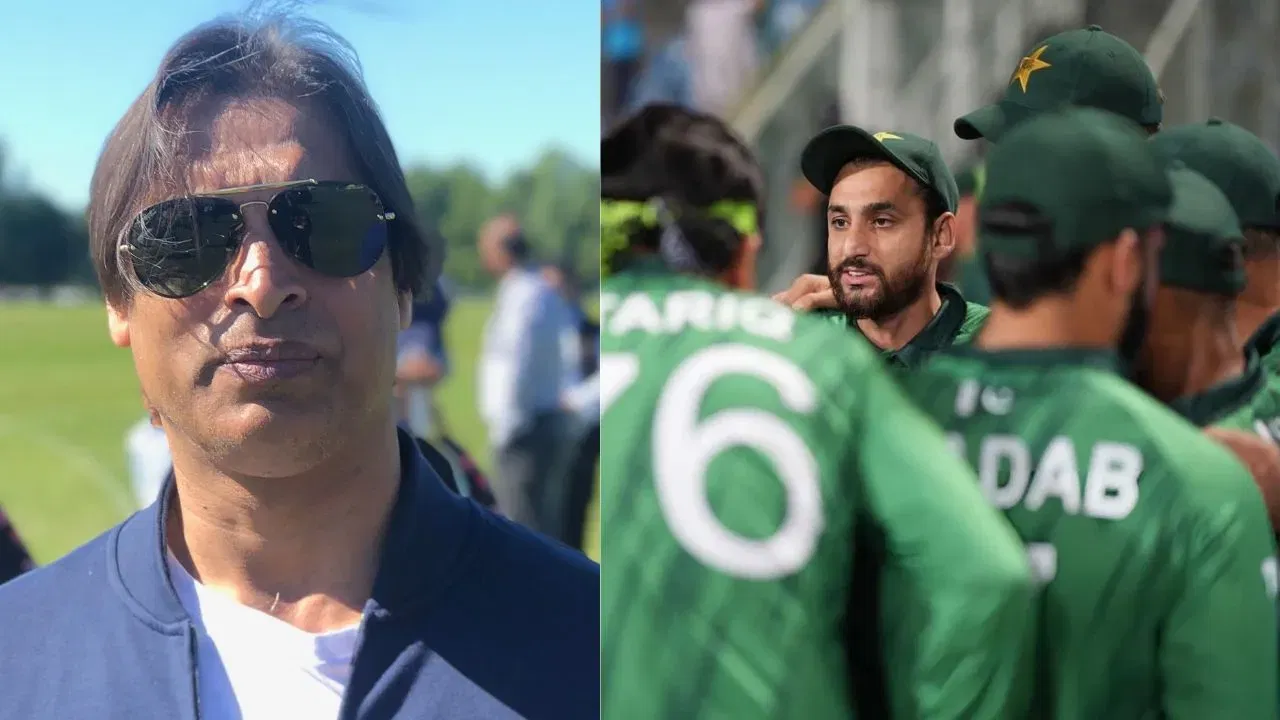
Pakistan’s hopes for qualifying in the 2026 T20 World Cup have been dashed after a heartbreaking loss to England by just two wickets. This defeat came after their first match against New Zealand was washed out, making it a must-win game for Salman Ali Agha’s team. Unfortunately, they were unable to secure a victory, leaving them with just one point and a slim chance of progressing to the next stage of the tournament.
Former Pakistani fast bowler Shoaib Akhtar, known for his outspoken nature, showcased his double standards when commenting on the Pakistan team. Initially, he was confident that the Men in Green would beat England and qualify for the semi-finals. He even took a dig at arch-rival India, whose situation was similar. However, after Pakistan’s loss, Akhtar had to change his tune, pointing out internal issues within the team.
Before the crucial match against England, Akhtar had boldly stated that he hoped England would play poorly so that Pakistan could secure two points. He also expressed a desire for India to be knocked out of the tournament. However, after the game, his tone shifted as he criticized Agha’s leadership qualities and questioned his captaincy abilities, stating that Agha was not cut out for the job.
This sharp contrast in Akhtar’s statements before and after the match highlighted the unpredictability of sporting events like the T20 World Cup. Pakistan’s history of underperforming in high-stakes games was evident once again, as they extended their record of never having beaten England in T20 World Cups to 4-0.
Salman Ali Agha, the captain of the Pakistani team, has been under scrutiny for his poor performance in the tournament. With just 60 runs in five innings and no fifties to his name, Agha’s leadership and form have been called into question. Former pacer Mohammad Amir even suggested that Agha would be removed from the captaincy after the event, with reports indicating that Shadab Khan might take over as the T20I captain.
One bright spot for Pakistan in the tournament has been opener Sahibzada Farhan, who has been the team’s standout performer. Farhan is the leading run-scorer for Pakistan and the tournament, with 283 runs at an average of 70.75, including two fifties and a hundred. However, the lack of support from other Pakistani batters, with no other player scoring a fifty, has highlighted the team’s batting struggles in the competition.
As Pakistan faces an uncertain future in the 2026 T20 World Cup, questions loom over the team’s leadership, performance, and ability to compete against quality opposition. With pressure mounting on both the captain and the head coach, Pakistan will need to regroup and reassess their strategy if they hope to salvage their chances in the tournament.
Impact of Pakistan’s Loss on Fans and Cricket Enthusiasts
While the disappointment of Pakistan’s loss in the 2026 T20 World Cup may have been felt most keenly by the team and its management, the impact was also significant on fans and cricket enthusiasts across the country. The rollercoaster of emotions that accompanies supporting a team in a high-stakes tournament like the T20 World Cup can be intense, with hopes soaring and crashing with each match result.
For many Pakistani fans, the performance of the national team is not just a matter of sporting pride but also a source of national identity and unity. Cricket has a special place in the hearts of millions of Pakistanis, and the success or failure of the team can have a profound effect on the collective mood of the nation. The loss to England was undoubtedly a bitter pill to swallow, especially after the initial hopes and expectations that were raised before the match.
Lessons Learned for Future Tournaments
As Pakistan reflects on their performance in the 2026 T20 World Cup, there are valuable lessons to be learned for future tournaments. The importance of consistency, mental resilience, team cohesion, and strategic planning cannot be overstated in the context of elite international cricket. It is essential for the team to address any internal issues, work on individual and collective skills, and develop a winning mindset that can withstand the pressures of top-level competition.
Furthermore, the role of leadership in a cricket team cannot be underestimated. The captain sets the tone for the entire squad, both on and off the field, and plays a crucial role in decision-making, strategy implementation, and team morale. Salman Ali Agha’s struggles as captain in the 2026 T20 World Cup serve as a reminder of the immense responsibility that comes with leading a national team, and the need for strong, capable leadership in times of adversity.
Looking Ahead: The Road to Redemption
Despite the disappointment of their early exit from the 2026 T20 World Cup, all is not lost for Pakistan cricket. The team has a chance to regroup, learn from their mistakes, and come back stronger in future competitions. The road to redemption may be long and challenging, but with the right attitude, dedication, and hard work, Pakistan has the potential to reclaim their status as a cricketing powerhouse.
As fans eagerly await the next chapter in Pakistan’s cricketing journey, there is a sense of anticipation and hope that the team will rise to the occasion and deliver performances that do justice to the talent and potential within the squad. The unpredictability of cricket means that anything is possible, and Pakistan has the opportunity to write a new chapter of success and achievement in the years to come.
While the disappointment of Pakistan’s loss in the 2026 T20 World Cup may have been felt most keenly by the team and its management, the impact was also significant on fans and cricket enthusiasts across the country. The rollercoaster of emotions that accompanies supporting a team in a high-stakes tournament like the T20 World Cup can be intense, with hopes soaring and crashing with each match result.
Latest News
We would be silly to ignore that: Ryan Burl takes a dig at India’s spin struggle
Shoaib Akhtar shifts blame to Salman Ali Agha after Pakistan’s T20 World Cup exit
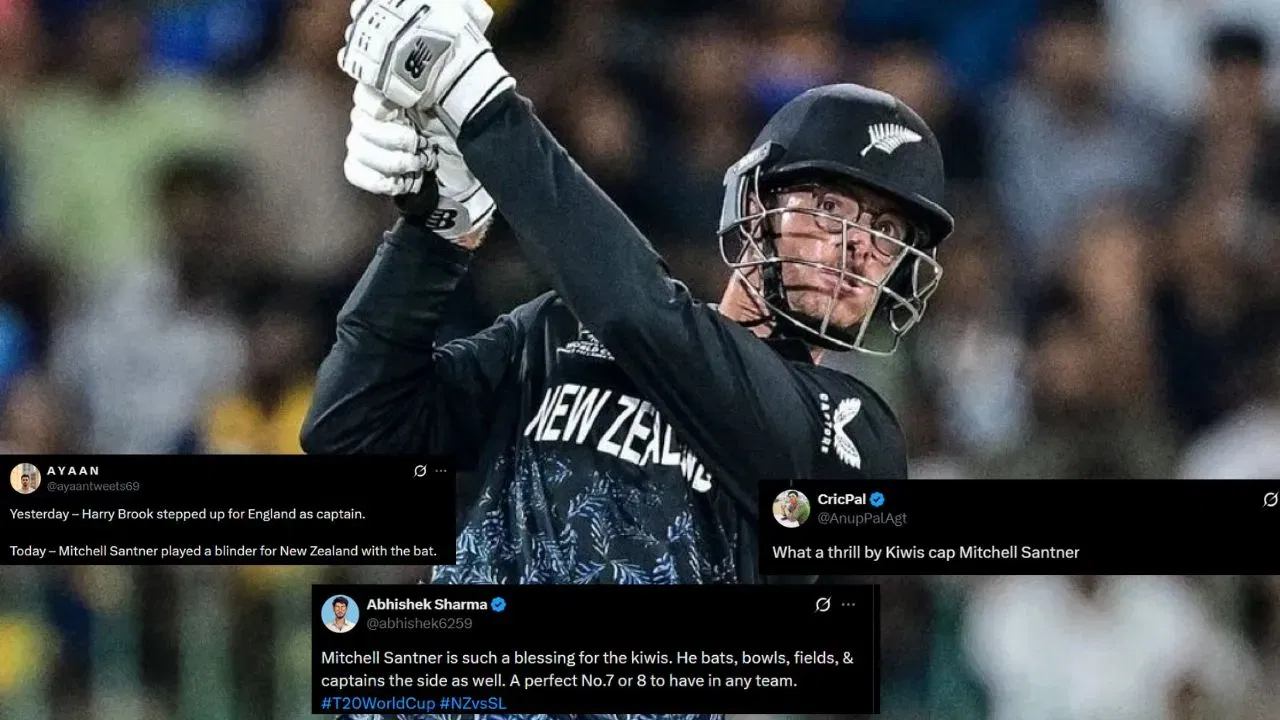
Fans react as Mitchell Santner saves New Zealand from a humiliating first innings total against Sri Lanka
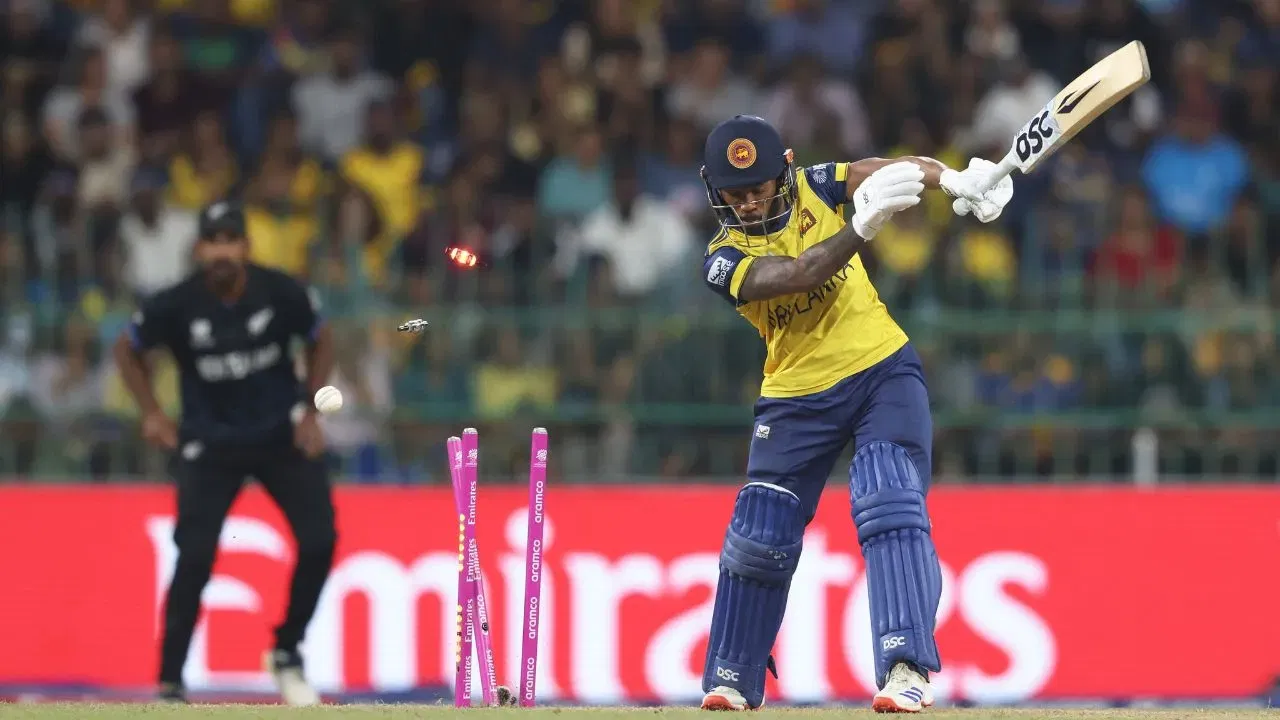
Watch: Matt Heney cleans up Pathum Nissanka with unplayable delivery
Sack Brendon McCullum now! Ex-England star issues explosive ultimatum to ECB

India don’t struggle on slow pitches: Sitanshu Kotak makes nonsense claim
ICC cracks down on Pakistan star with big punishment amid T20 World Cup 2026
WI vs SA Preview – Match 47, Super 8 Group 1: Free Live Streaming, Pitch & Weather Report, Head-to-head | T20 World Cup 2026
WI vs SA Match Prediction – Who Will Win Match 47, Super 8 Group 1? | T20 World Cup 2026
West Indies Playing XI vs South Africa Playing XI – Match 47, Super 8 Group 1 | ICC T20 World Cup 2026
Family matter? Revealed: Why Paras Dogra headbutted KV Aneesh during Ranji Trophy final
PSL final to be shifted outside Pakistan as Mohsin Naqvi makes shocking move
IND vs ZIM Preview – Match 48, Super 8 Group 1: Free Live Streaming, Pitch & Weather Report, Head-to-head | T20 World Cup 2026
IND vs ZIM Match Prediction – Who Will Win Match 48, Super 8 Group 1? | T20 World Cup 2026

