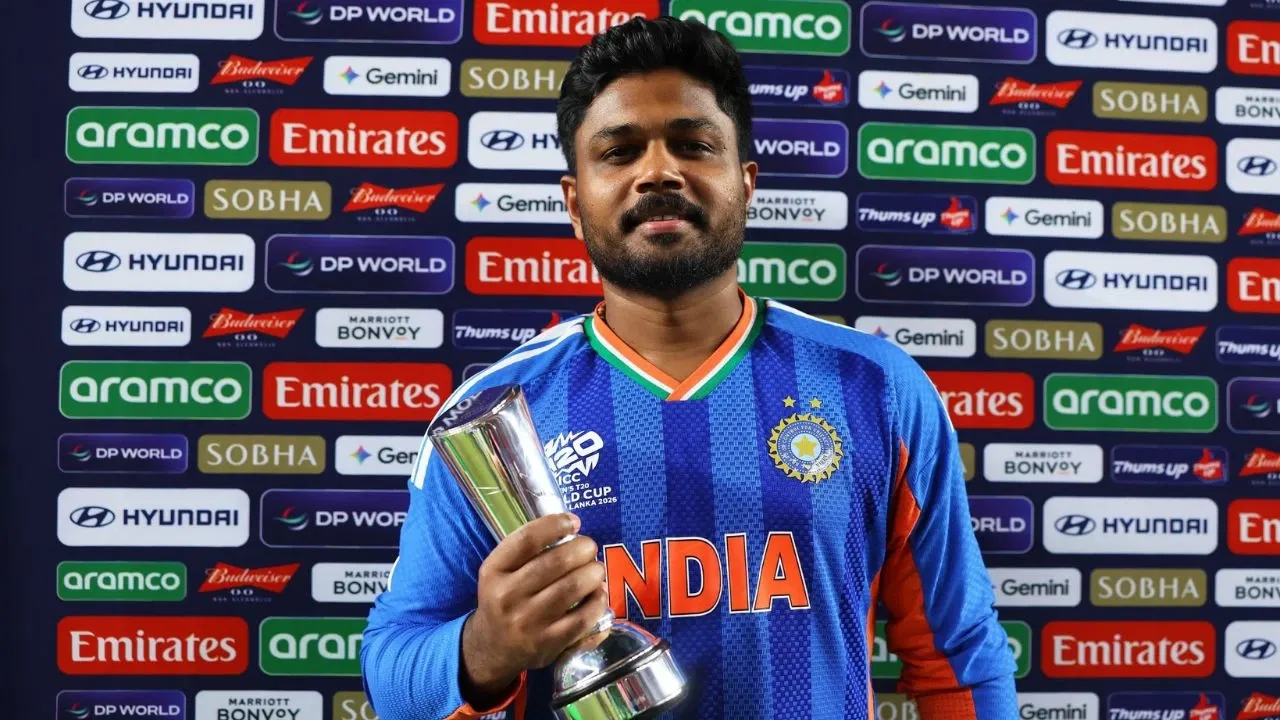
Shocking! Ajit Agarkar rejected Gautam Gambhir’s demand and dropped Shubman Gill for T20 World Cup 2026
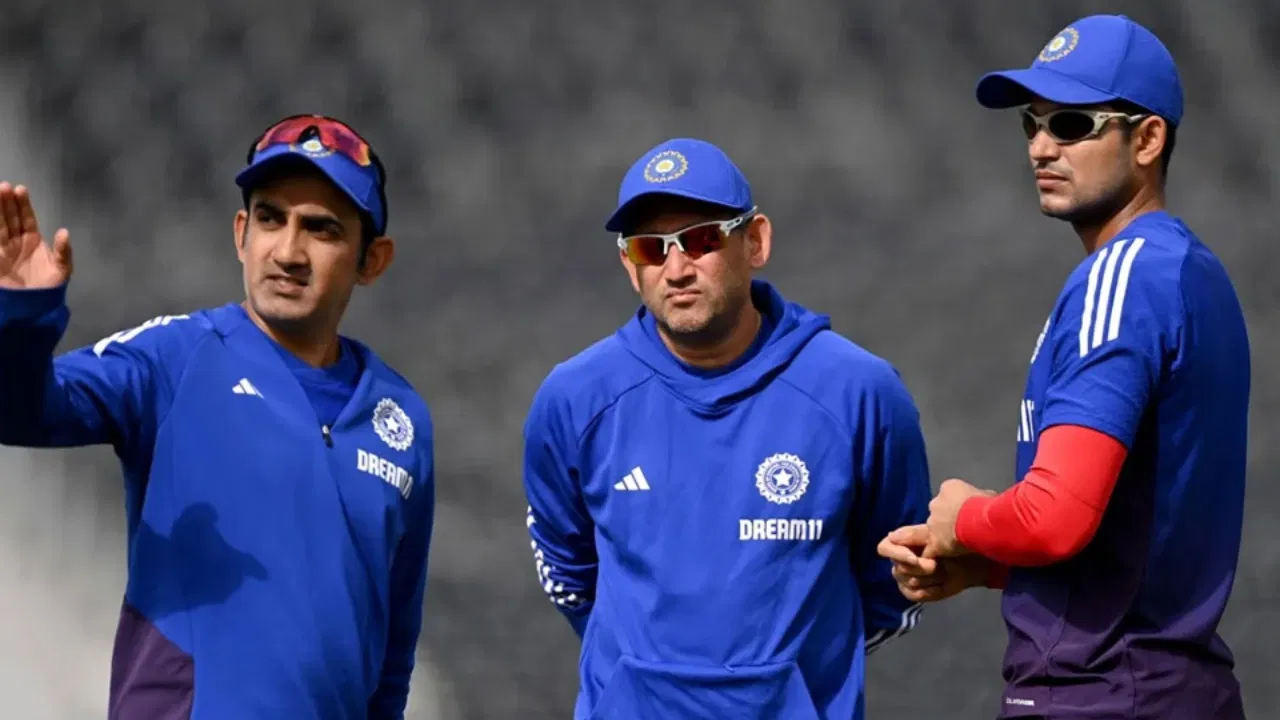
India’s T20 World Cup 2026 Victory Sparks Controversy Over Squad Selection
India’s triumph in the T20 World Cup 2026 sent the nation into a frenzy of celebration, with head coach Gautam Gambhir hailed for his bold leadership and strategic planning. However, amidst the jubilation, a shocking revelation emerged regarding the selection process for the historic tournament.
Tough Calls by Chief Selector Ajit Agarkar
Chief selector Ajit Agarkar was credited with making some tough decisions that ultimately led to India’s success on March 8. Notably, one of the most controversial moves was the exclusion of vice-captain Shubman Gill from the T20 World Cup squad. Despite his leadership role in T20Is, Gill was left out in favor of explosive players like Ishan Kishan and Rinku Singh, a decision that sparked heated debates among fans and experts alike.
According to reports by the Indian Express, head coach Gautam Gambhir had pushed for Gill’s inclusion in the squad. However, Agarkar stood firm in his decision, citing Gill’s lackluster performance in T20Is as a key factor in the selection process. The selectors believed that the team already had strong options and that tough decisions had to be made to ensure the best possible lineup for the tournament.
In response to the controversy, Agarkar stated, “Your opinion could differ from mine. We still think he’s a quality player. Someone has to miss out, and it’s him—not because he isn’t good enough. Fortunately, Indian cricket has options.”
Gambhir’s Reflection on the Tournament
Despite the controversy surrounding squad selection, India’s journey in the T20 World Cup 2026 was filled with memorable moments, none more significant than the final showdown against New Zealand at Ahmedabad’s Narendra Modi Stadium. Head coach Gautam Gambhir highlighted wicketkeeper-batter Sanju Samson’s pivotal innings of 97 runs against the West Indies as a turning point in the tournament.
Gambhir praised Samson for his composure under pressure and strategic shot selection, which helped India secure a spot in the semifinals. The coach emphasized the confidence boost that Samson’s innings provided to the team, setting them on the path to eventual victory.
Reflecting on the tournament, Gambhir commented, “It’s very difficult to say, but I still believe that Sanju’s 97 against the West Indies was the turning point of this campaign. With the ease and calmness with which he batted, it gave us a lot of confidence in the group that now we were probably on the right track.”
Gambhir also highlighted the team’s adaptability and unity, noting that players readily accepted different roles for the team’s benefit, a testament to their collective spirit and determination.
Overall, India’s T20 World Cup 2026 victory was not only a triumph on the field but also a showcase of the team’s resilience, strategic planning, and unwavering belief in their abilities.
Controversy Over Squad Selection: The Aftermath
Following India’s T20 World Cup 2026 victory, the controversy surrounding squad selection continued to reverberate within the cricketing community. Fans, analysts, and former players all weighed in on the contentious decision to exclude Shubman Gill from the squad, sparking further debates on the role of statistics versus potential in team selection.
Some argued that Gill’s previous performances in T20Is did not accurately reflect his potential and that his exclusion was a missed opportunity to harness his talent on the global stage. On the other hand, supporters of Agarkar’s decision pointed to the need for a balanced and dynamic team, emphasizing the importance of players who could adapt to various match situations.
Amidst the discussions, Chief Selector Ajit Agarkar remained steadfast in his choices, reiterating the complexities of squad selection and the need to make tough decisions for the team’s success. The controversy served as a reminder of the intense scrutiny and pressure faced by selectors in the high-stakes world of international cricket.
Impact of India’s Victory on Future Tournaments
India’s triumph in the T20 World Cup 2026 not only solidified their reputation as a cricketing powerhouse but also set the stage for future tournaments. The team’s strategic approach, adaptability, and unwavering belief in their abilities served as a blueprint for success, inspiring younger players and shaping the trajectory of Indian cricket.
Head coach Gautam Gambhir’s leadership style and tactical acumen came under the spotlight, with many praising his ability to motivate and guide the team to victory. Gambhir’s focus on mental strength, disciplined training, and strategic planning set a new standard for coaching in the cricketing world, emphasizing the importance of holistic player development and team cohesion.
As India celebrated their historic win, cricketing experts and analysts began to speculate on the team’s prospects in upcoming tournaments, with discussions already turning to the ICC Cricket World Cup in 2027. The T20 World Cup victory served as a springboard for India’s aspirations in other formats, fueling optimism and excitement among fans and stakeholders.
Lessons Learned and Future Challenges
While India basked in the glory of their T20 World Cup triumph, the team and its management remained cognizant of the challenges that lay ahead. The lessons learned from the tournament, including the importance of strategic squad selection, adaptability on the field, and mental resilience in high-pressure situations, would serve as valuable assets in future competitions.
Looking ahead, India’s cricketing authorities were tasked with maintaining the team’s momentum, nurturing young talent, and addressing areas for improvement to stay competitive on the global stage. The T20 World Cup victory was a milestone in Indian cricket history, but it also marked the beginning of a new chapter filled with fresh challenges and opportunities for growth.
As the cricketing world awaited the next chapter in India’s sporting journey, one thing was certain—the legacy of the T20 World Cup 2026 victory would continue to inspire and shape the future of cricket in the country for years to come.
By delving deeper into the aftermath of India’s T20 World Cup victory, the expanded content provides readers with a broader perspective on the impact of the tournament, the lessons learned, and the challenges that lie ahead for the team.
Latest News
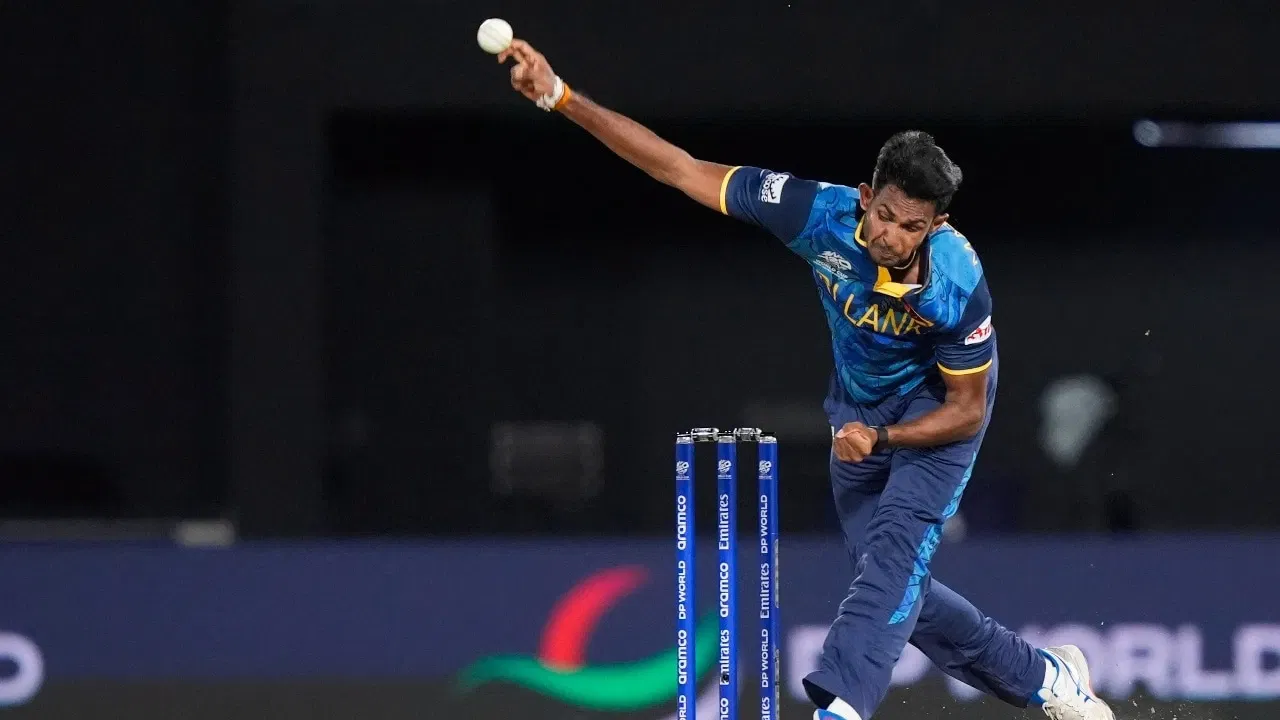
Bad news for KKR: Matheesha Pathirana stays back in Sri Lanka ahead of IPL 2026
Shocking! Ajit Agarkar rejected Gautam Gambhir’s demand and dropped Shubman Gill for T20 World Cup 2026

Shreyas Iyer’s Punjab Kings insulted as RCB’s IPL 2026 opening match revealed
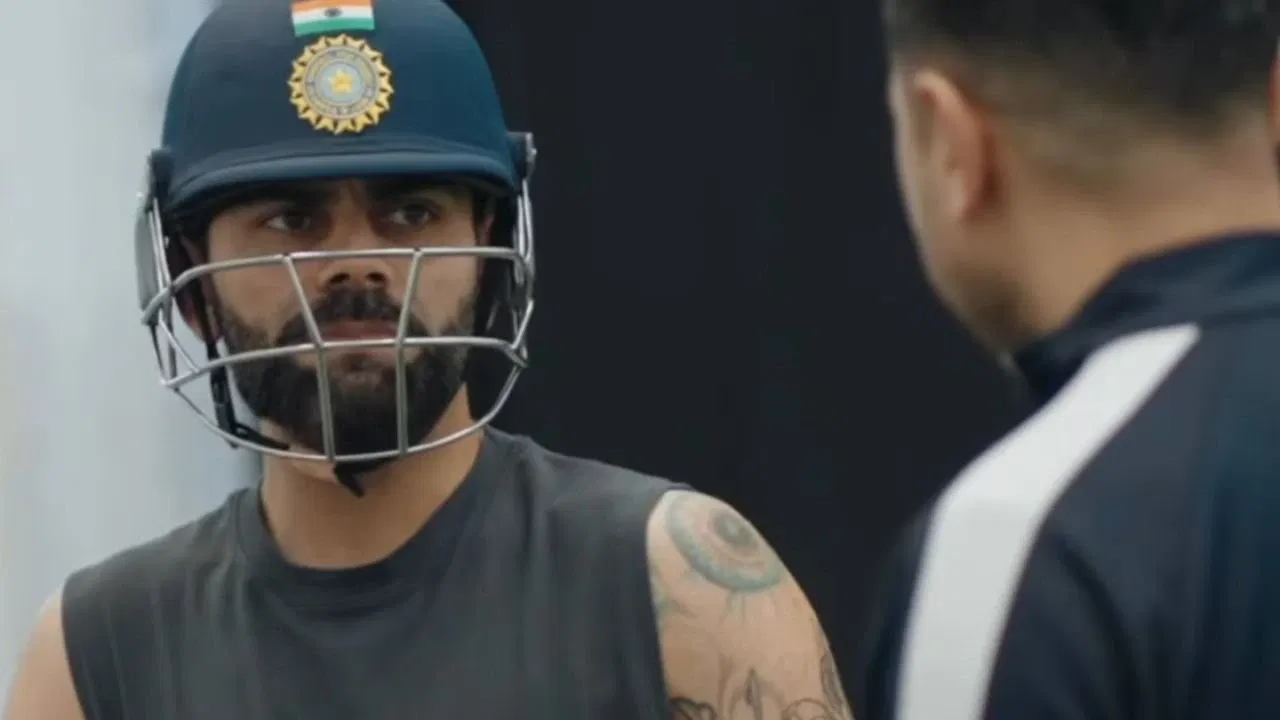
Virat Kohli sends warning to CSK, MI and others with intense IPL 2026 training video
Gautam Gambhir unleashes brutal attack on Kriti Azad over controversial temple remarks

Gautam Gambhir angry at Jay Shah for punishing Arshdeep Singh over Daryl Mitchell incident

Not Gautam Gambhir! Ajit Agarkar stopped Hardik Pandya from becoming India T20I captain
Not 2027 World Cup or 2028 Olympics! Gautam Gambhir reveals his next target

Gautam Gambhir goes insane against Virat Kohli, confirming ‘stardom’ a closed chapter in Team India
Gautam Gambhir fired shots at MS Dhoni? India coach drops “people have not been in that situation” bomb
Afghanistan vs Sri Lanka series gets new dates after cancellation due to West Asia war
Gautam Gambhir SLAPS Saqlain Mushtaq over pitch-tampering allegations against India
Babar Azam officially quits cricket! Shocking reason revealed

Jay Shah SLAPS Michael Vaughan after bias claims over SA, WI, ENG travel plans amid West Asia war