Shocking!! BCCI supports PCB’s bid against ICC’s Andy Pycroft
IPL Chairman Arun Dhumal Addresses Handshake Controversy in India vs. Pakistan Clash
The recent Asia Cup 2025 match between India and Pakistan has sparked a major controversy surrounding the lack of customary handshakes between the two teams. IPL chairman Arun Dhumal has shared his views on the incident, shedding light on the situation and addressing the concerns raised by Pakistan.
Indian Team’s Refusal to Shake Hands
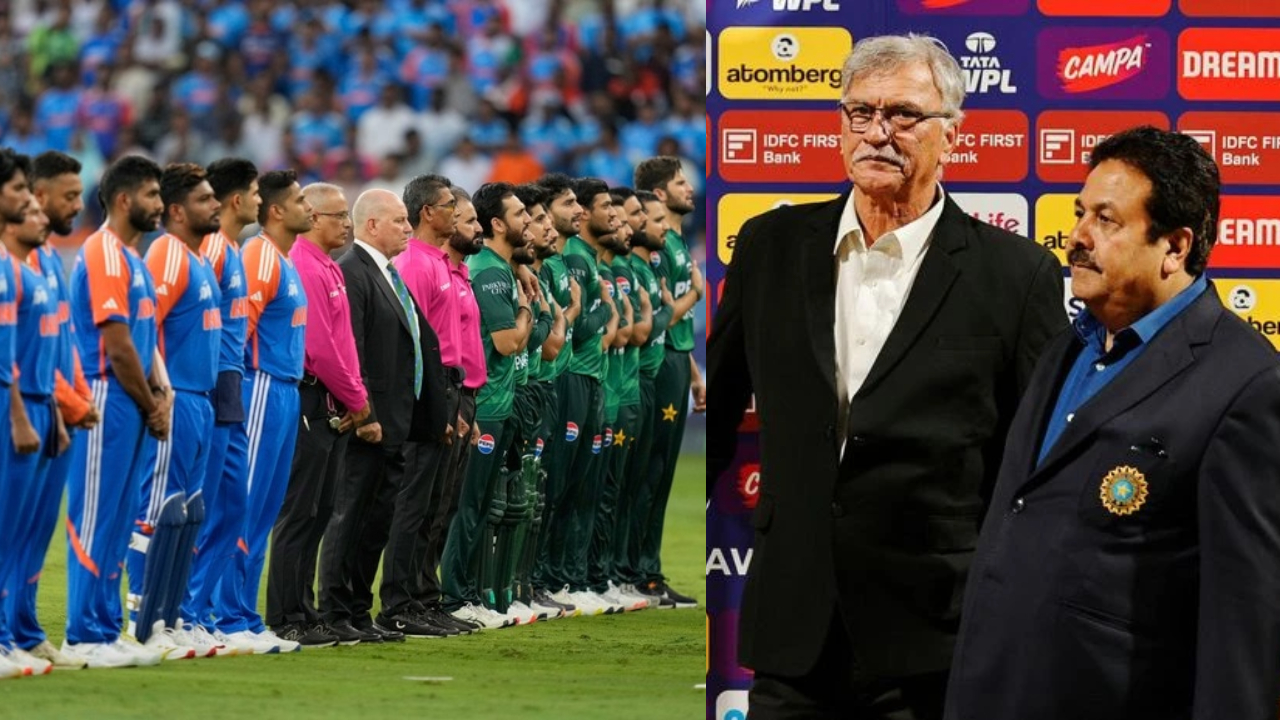
Throughout the match, the Indian team refrained from participating in any customary handshakes with the Pakistani team. Captain Suryakumar Yadav notably did not shake hands with his Pakistani counterpart at the toss, setting the tone for the rest of the game. After securing victory with the winning runs, Suryakumar and his partner Shivam Dube opted to walk straight back to the dressing room, completely bypassing any handshake gestures.
Following the conclusion of the match, while the Pakistan players seemed to approach the Indian dugout for handshakes, the Indian players and coaches chose to leave the field without engaging in the traditional post-match pleasantries. Pakistan captain Salman Ali Agha even skipped the post-match presentation ceremony, although head coach Mike Hesson did attend the press conference.
PCB’s Complaint Against Match Referee Andy Pycroft
In response to the controversial handshake incident, the Pakistan Cricket Board (PCB) filed a complaint against match referee Andy Pycroft, accusing him of violating the code of conduct. The PCB went as far as threatening to withdraw from the tournament if Pycroft was not removed from his position. However, the International Cricket Council (ICC) has rejected the PCB’s request, leaving the final decision on Pakistan’s participation in the tournament to be made on Wednesday.
Arun Dhumal’s Response and Clarifications
Addressing the ongoing controversy, Arun Dhumal assured that the ICC will thoroughly review the PCB’s complaint and take appropriate action if any misconduct is found. He also clarified the Indian government’s stance on bilateral matches between India and Pakistan.
Dhumal stated, “The ICC will carefully review any issues raised by Pakistan regarding the recent match, and if any official misconduct is discovered, suitable measures will be taken.” He further added, “The Indian government has decided that while bilateral matches with Pakistan will not be scheduled, Indian teams will participate in multilateral and international competitions. If Pakistan’s team needs to travel to India for such events, the Indian government will facilitate the issuance of visas.”
India’s Performance in the Asia Cup 2025
Despite the controversy surrounding the handshake incident, the Indian team has performed exceptionally well in the Asia Cup 2025, securing victories in their first two matches. They began their campaign with a dominant 9-wicket win over the UAE before defeating Pakistan by 7 wickets. India’s final group game is slated against Oman as they aim to continue their winning streak and advance to the Super 4s of the tournament.
Stay tuned for more updates on the Asia Cup 2025 and the evolving developments in this gripping cricket saga.
Impact of Social and Political Factors on Cricket Rivalries
The longstanding rivalry between India and Pakistan in cricket is deeply intertwined with social and political dynamics that extend beyond the boundaries of the sport. The historical context of partition in 1947 and the subsequent conflicts between the two nations have contributed to the intense competitiveness and emotional stakes associated with their matches. These factors often manifest in moments like the recent handshake controversy, reflecting the complex relationship between the two countries.
It is essential to recognize that gestures such as handshakes are not merely symbolic actions but can carry significant political and nationalistic implications in the context of India-Pakistan cricket encounters. The decision of the Indian team to abstain from handshakes can be seen as a reflection of broader sentiments and sensitivities surrounding bilateral relations between the two nations. Understanding these underlying tensions can provide a more nuanced perspective on the actions of the players and officials involved.
Role of Sportsmanship and Diplomacy in Cricket
Cricket has long been regarded as a gentleman’s game, emphasizing values of sportsmanship, respect, and fair play. Traditionally, post-match handshakes have been a symbol of mutual respect and goodwill between competing teams, irrespective of the result. In the context of the India-Pakistan rivalry, these gestures can serve as opportunities for diplomatic gestures and bridge-building efforts, transcending the boundaries of sport.
While competitive spirit is inherent in sporting contests, it is equally important to uphold the principles of sportsmanship and camaraderie. The absence of handshakes in the recent match raises questions about the balance between on-field intensity and off-field decorum. As cricket continues to serve as a platform for cultural exchange and dialogue, it becomes imperative for players and officials to navigate these complexities with a sense of responsibility and maturity.
The Future of India-Pakistan Cricket Relations
As cricket fans eagerly anticipate the next chapter in the storied rivalry between India and Pakistan, uncertainties loom over the future of bilateral cricketing ties between the two nations. The decision of the Indian government to refrain from scheduling bilateral matches with Pakistan underscores the broader geopolitical context in which sports operate. However, the participation of both teams in multilateral tournaments like the Asia Cup signifies a continued engagement on the international stage.
Looking ahead, the onus is on cricketing authorities, players, and policymakers to navigate the delicate balance between sporting competition and political realities. While the passion and fervor surrounding India-Pakistan clashes will undoubtedly endure, finding avenues for constructive engagement and mutual respect remains paramount. The evolving landscape of cricket diplomacy will shape the trajectory of this iconic rivalry, transcending boundaries and embodying the spirit of the game.
Conclusion
In conclusion, the handshake controversy in the recent India-Pakistan match serves as a microcosm of the broader narratives and complexities that define their cricketing rivalry. As stakeholders and fans alike reflect on the implications of such incidents, it becomes evident that cricket is not just a sport but a reflection of societal, political, and cultural dynamics. By acknowledging these multifaceted dimensions, we can gain a deeper appreciation for the game and its capacity to transcend differences, unite communities, and inspire generations.
Latest News
SRH suffer huge blow! Daniel Vettori confirms another overseas pacer injured amid crisis
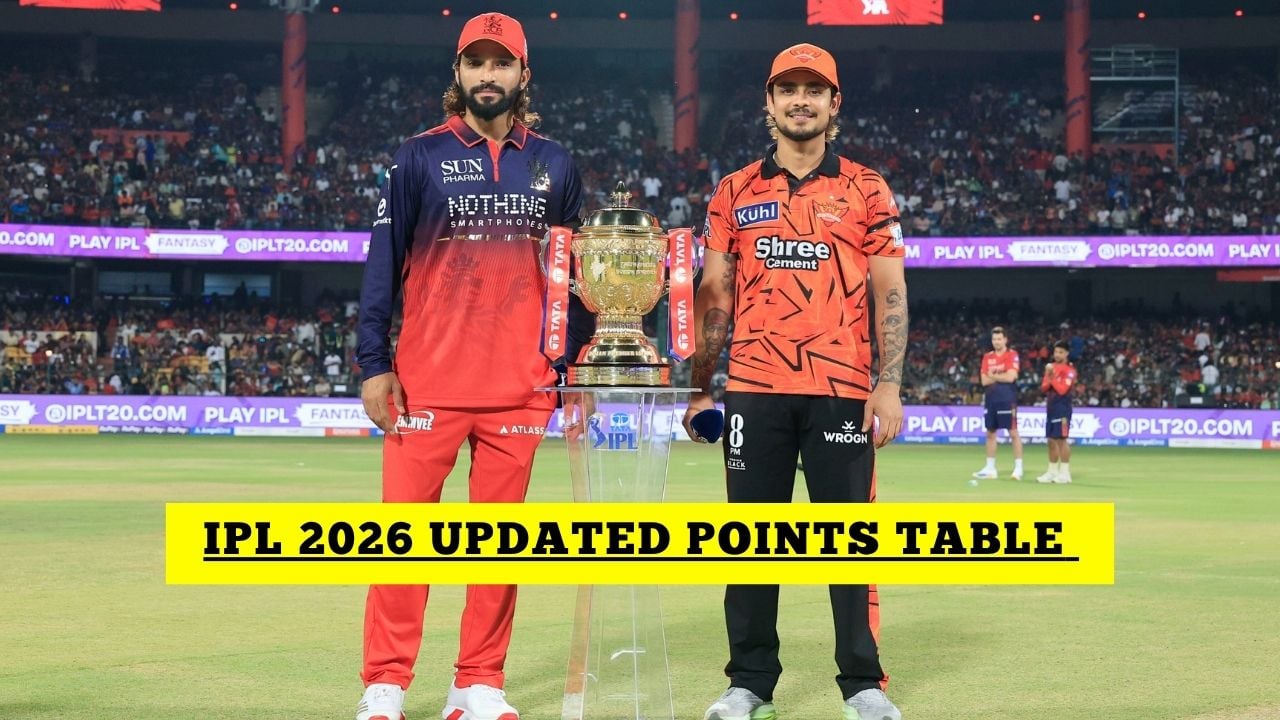
IPL Points Table 2026: Updated Standings, Orange Cap, Purple Cap After RCB vs SRH Match 1
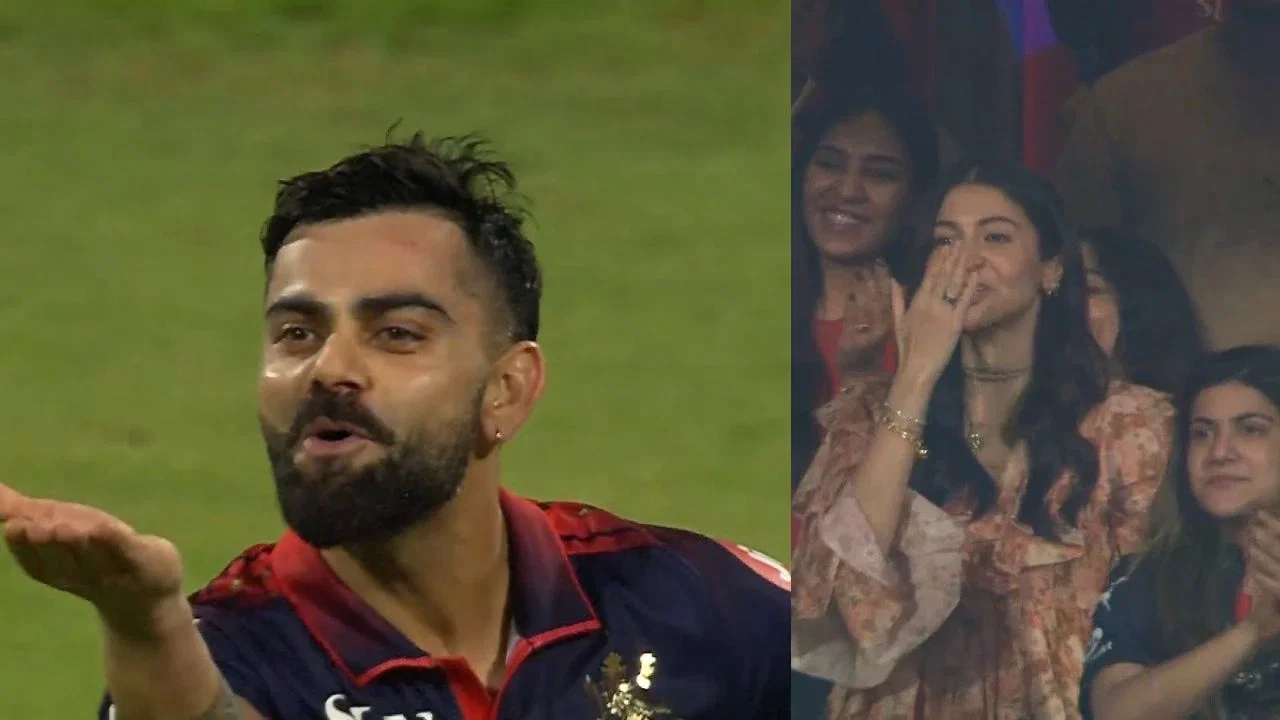
Virat Kohli, Anushka Sharma share adorable flying kiss moment after RCB vs SRH clash
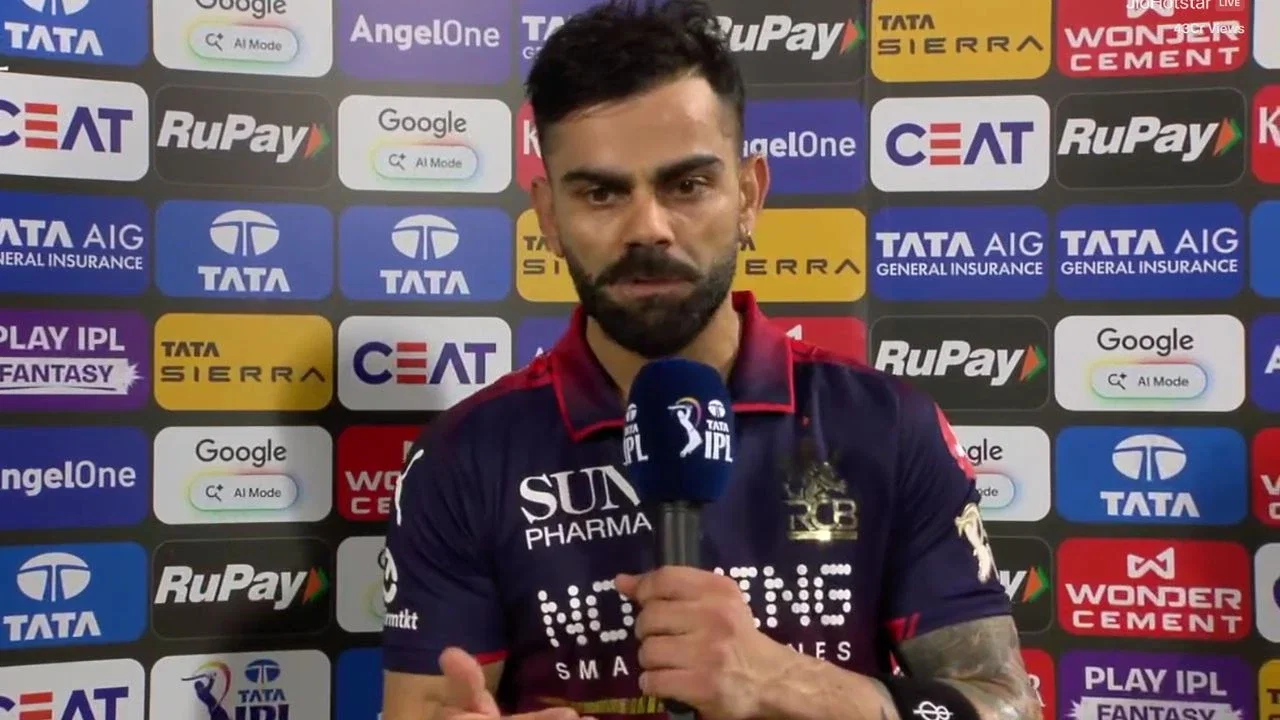
“Absolutely world-class”: Virat Kohli backs Devdutt Padikkal for permanent Team India spot
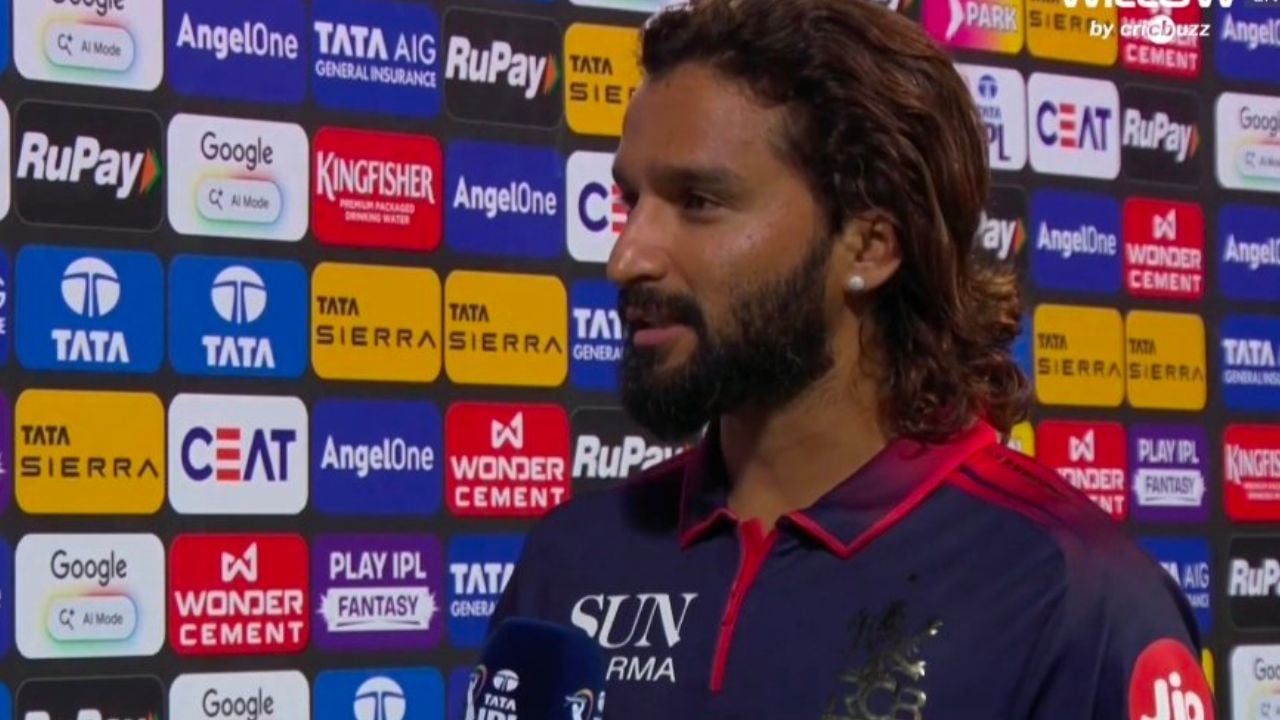
Rajat Patidar refuses to comment on Virat Kohli; Ishan Kishan admits enjoying after SRH’s loss to RCB
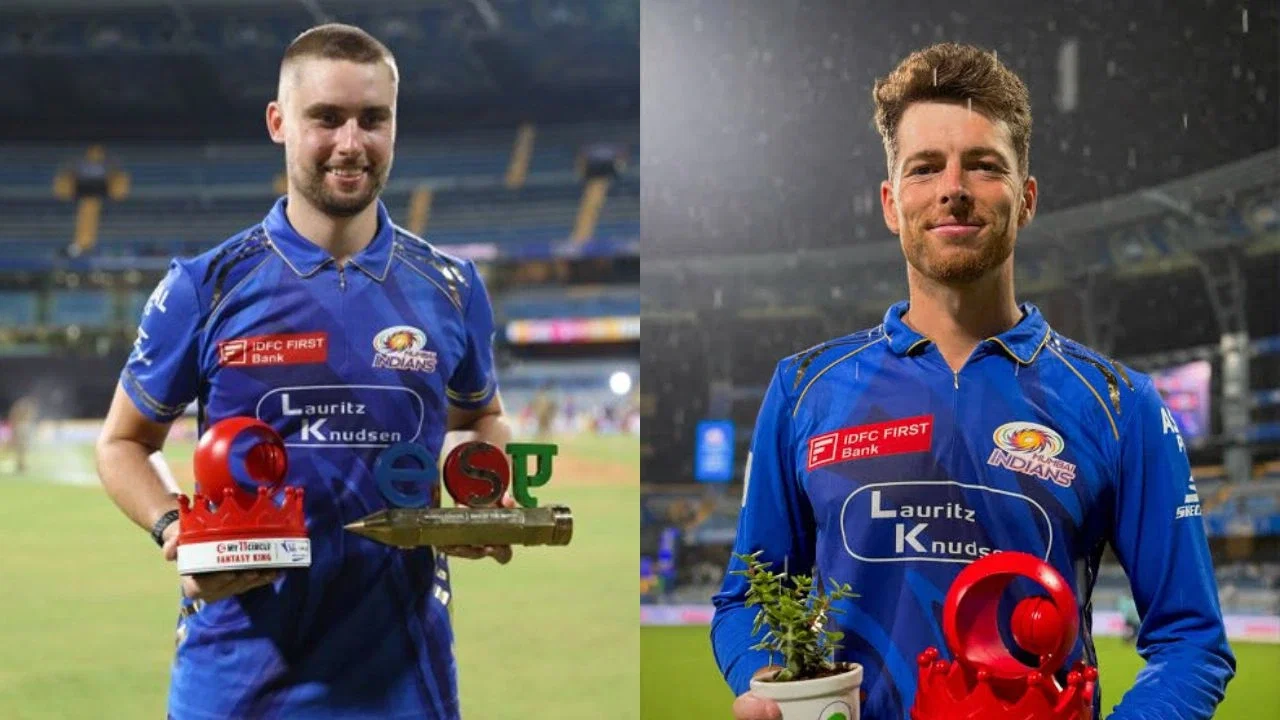
Mumbai Indians suffer blow! Mitchell Santner, Will Jacks ruled out of IPL 2026 games
MI vs KKR Match Prediction – Who Will Win Match No.2? | IPL 2026
Mumbai Indians Playing XI vs Kolkata Knight Riders Playing XI- Match No. 2 | IPL 2026
MI vs KKR Match 2 Preview: Free Live Streaming, Pitch & Weather Report, Head-to-Head | IPL 2026
Not English cricket! Jos Buttler credits IPL for his success as a cricketer
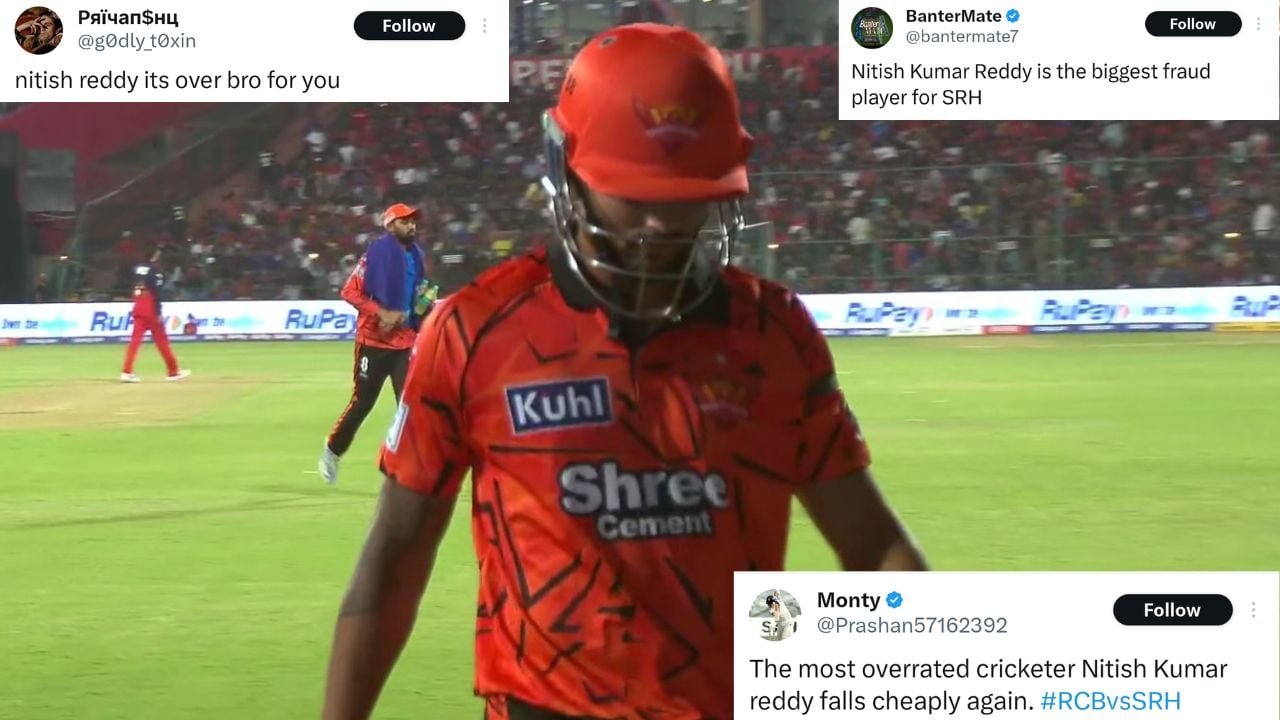
“Nitish Kumar Reddy is biggest fraud”: Fans fume as SRH star fails vs RCB in IPL 2026 opener
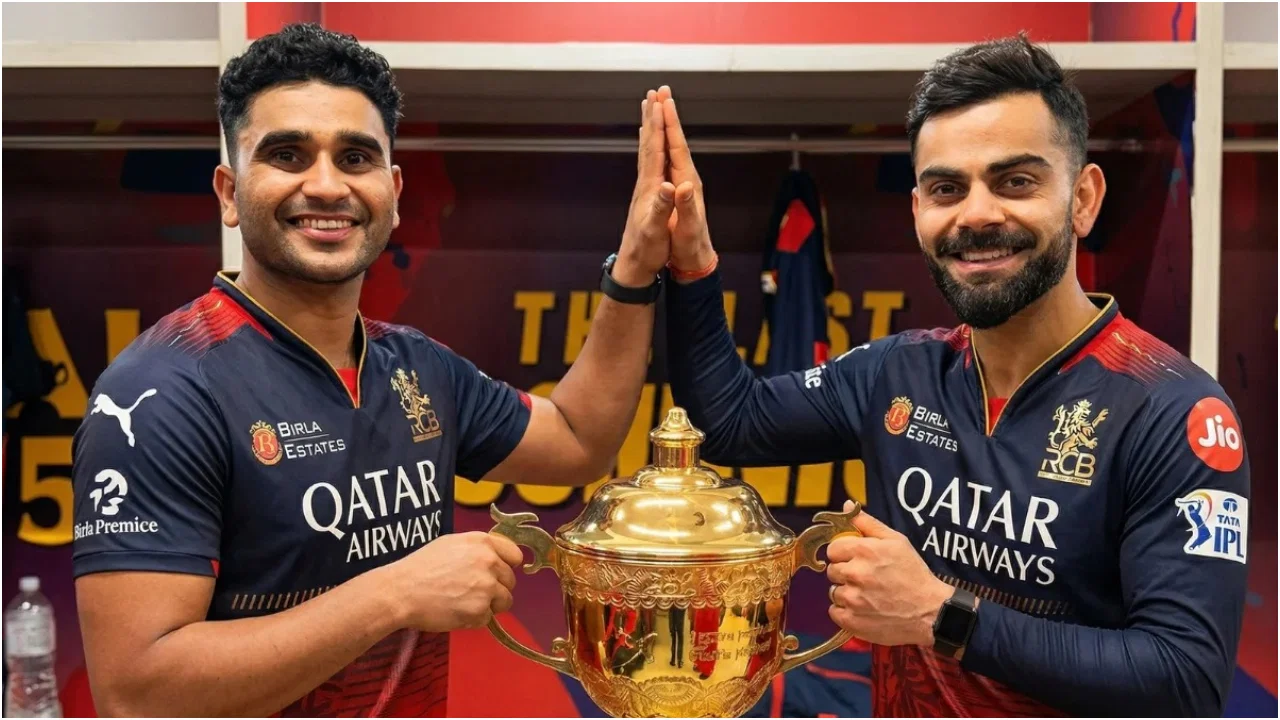
Who is Abhinandan Singh? The Virat Kohli troublemaker who made his IPL debut for RCB vs SRH
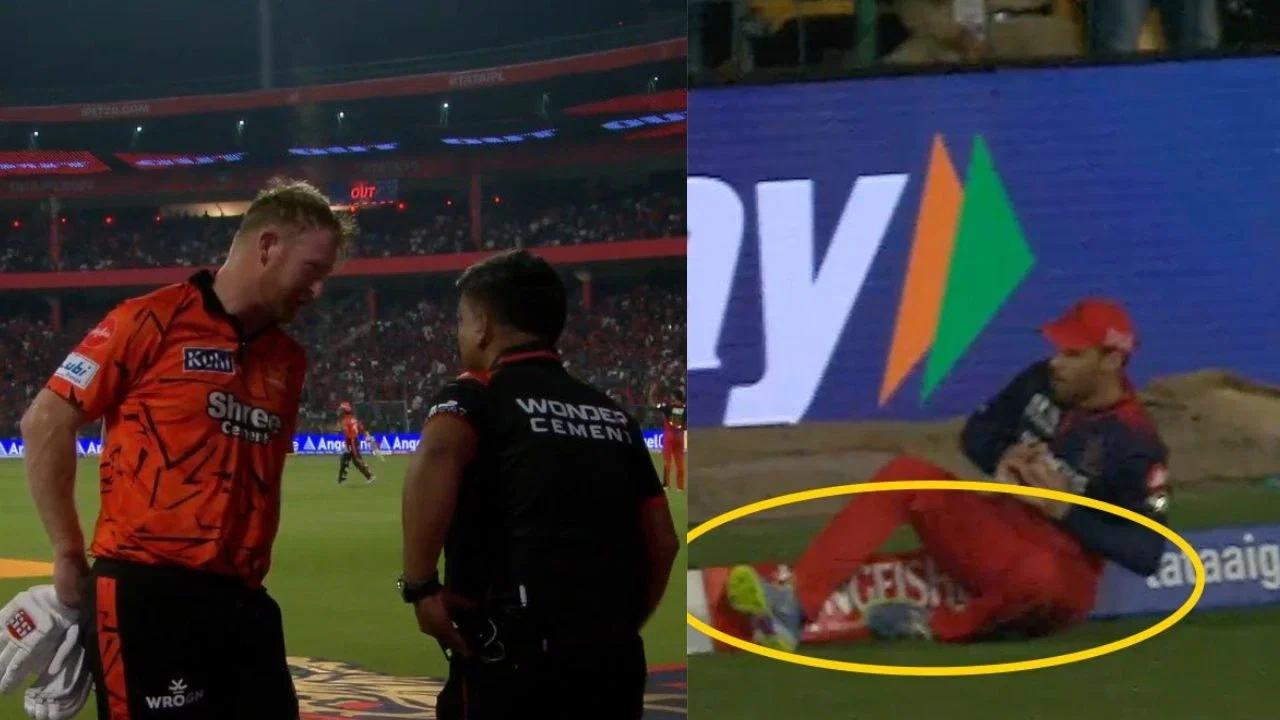
Heinrich Klaasen engages in heated chat with 4th umpire after Phil Salt’s controversial catch in IPL 2026
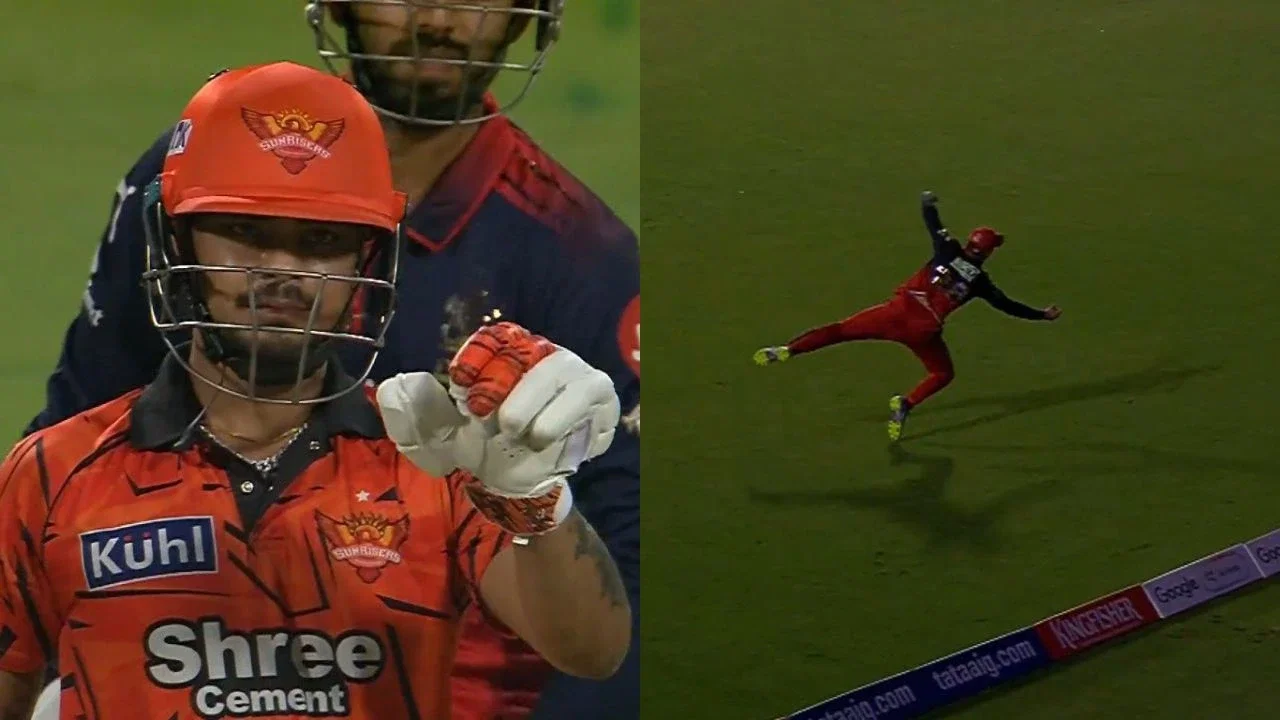
Phil Salt grabs one of the greatest catches in IPL history to dismiss Ishan Kishan