

Shocking! ICC punishes Suryakumar Yadav over ‘Pahalgam’ remarks; Haris Rauf, Sahibzada Farhan brutally sanctioned
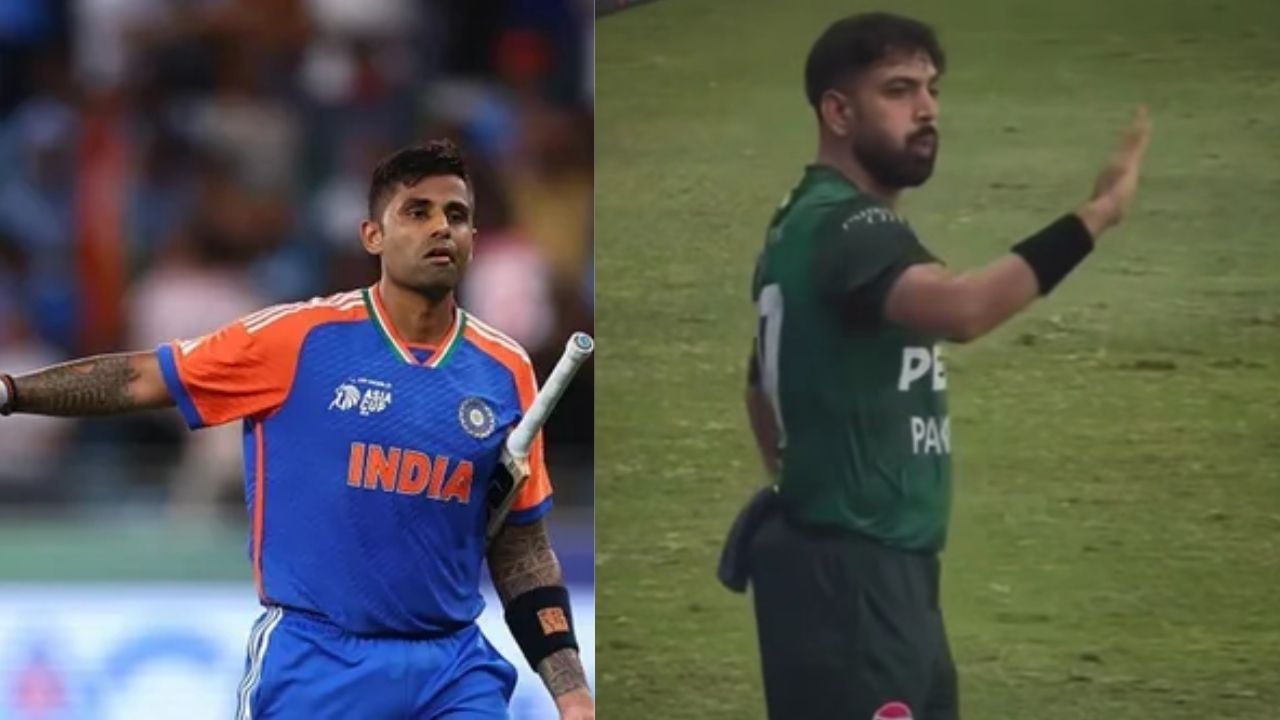
Pakistan’s Haris Rauf and Indian Captain Suryakumar Yadav Fined for Misconduct Ahead of Asia Cup Final
In a highly anticipated match between India and Pakistan in the Asia Cup 2025, tensions ran high as players from both teams engaged in controversial behavior. Pakistani pacer Haris Rauf was fined 30 percent of his match fees for making obscene gestures towards the Indian crowd. Meanwhile, his teammate Sahibzada Farhan received a formal warning for his actions. On the other side, Indian skipper Suryakumar Yadav was also fined 30 percent of his match fees.
Incident Details
The incidents occurred amidst the backdrop of the Pahalgam terror attack, which had escalated tensions between the two nations, leading to a war-like situation. The match between India and Pakistan became a platform for players to express their emotions and sentiments, resulting in fines and warnings being issued by the ICC.
Haris Rauf’s actions included mocking the Indian crowd with obscene hand gestures and making a controversial 6-0 signal, alluding to Pakistan’s claim of shooting down six Indian fighter jets. Sahibzada Farhan, on the other hand, celebrated his fifty against India with a gun gesture, which attracted attention and warranted a formal warning.
ICC’s Response
Both Haris Rauf and Sahibzada Farhan appeared before the ICC’s disciplinary hearing along with their team manager, Naveed Akram Cheema. Despite pleading not guilty to the charges of provocative conduct, Rauf and Farhan faced consequences for their actions. Indian skipper Suryakumar Yadav was also penalized for statements made during the post-match presentation, prompting a formal complaint from the PCB.
While Suryakumar Yadav’s statements did not spark political controversies within the BCCI, the team filed an appeal against his financial penalty. Despite the fines, all players avoided bans, ensuring their availability for the upcoming Asia Cup final between India and Pakistan.
Rivalry Reignites
With India securing a spot in the finals after winning all their matches in the tournament, they are set to face Pakistan, who emerged as the second-best team. Both sides have showcased strong performances throughout the Asia Cup, with India defeating Pakistan twice in the tournament. Pakistan, despite suffering losses against India, managed to secure victories against other opponents, securing their place in the final by defeating Bangladesh in the group stage.
The upcoming final between India and Pakistan marks a significant moment in cricket history, as the two teams face off in a final match for the first time since the 2017 ICC Champions Trophy. Fans are eagerly awaiting the showdown between the arch-rivals, hoping for a thrilling and competitive match on the cricket field.
Impact of the Incidents
The misconduct displayed by Haris Rauf, Sahibzada Farhan, and Suryakumar Yadav not only resulted in fines but also sparked a heated debate among fans, analysts, and cricketing authorities. The behavior exhibited during the India-Pakistan match highlighted the intensity of the rivalry between the two nations and the emotional investment of players in such high-stakes games.
Furthermore, the incidents brought into focus the role of sportsmanship and respectful conduct on the field. While competitive spirit is integral to sports, maintaining decorum and upholding the spirit of the game is equally important. The fines and warnings issued by the ICC served as a reminder to players about the standards of behavior expected from professional athletes, especially in matches of significant importance.
Political Context
The backdrop of the Pahalgam terror attack added a layer of complexity to the India-Pakistan cricketing rivalry. The political tensions between the two nations spilled over into the sporting arena, amplifying the emotions and reactions of players on both sides. The incidents during the Asia Cup final served as a reflection of the broader geopolitical climate, where sports became intertwined with nationalism and regional conflicts.
Despite efforts to keep politics out of sports, the realities of the India-Pakistan relationship often seep into cricketing engagements, affecting players, fans, and the overall atmosphere surrounding the matches. The fines imposed on players for their actions highlighted the need for sports to be a unifying force rather than a divisive one, especially in the context of sensitive political dynamics.
Preparation for the Asia Cup Final
As the India-Pakistan rivalry reignites in the Asia Cup final, both teams are gearing up for a high-pressure match that holds immense significance for players and fans alike. The intense competition between the two cricketing powerhouses is expected to draw a global audience, eager to witness the clash of titans on the field.
For India, the final presents an opportunity to assert their dominance and continue their winning streak in the tournament. On the other hand, Pakistan will be looking to avenge their previous defeats against India and clinch the title in a dramatic showdown. The final match is poised to be a test of skill, strategy, and mental fortitude for both teams as they vie for cricketing supremacy in the region.
Anticipation and Excitement
As the countdown to the Asia Cup final begins, cricket enthusiasts around the world are buzzing with anticipation and excitement. The historic rivalry between India and Pakistan, combined with the dramatic buildup to the final, has set the stage for a thrilling contest that is sure to captivate audiences and leave a lasting impact on the cricketing landscape.
With players facing consequences for their actions, the focus now shifts to the game itself, where talent, strategy, and sportsmanship will take center stage. The Asia Cup final promises to be a spectacle of sporting excellence, where the best of Indian and Pakistani cricket will be on display, showcasing the rich heritage and competitive spirit of the sport.
By delving into the broader implications of the incidents, the political context surrounding the match, the preparations for the final, and the overall anticipation for the game, this expanded content provides a comprehensive perspective on the upcoming Asia Cup final between India and Pakistan.
Latest News
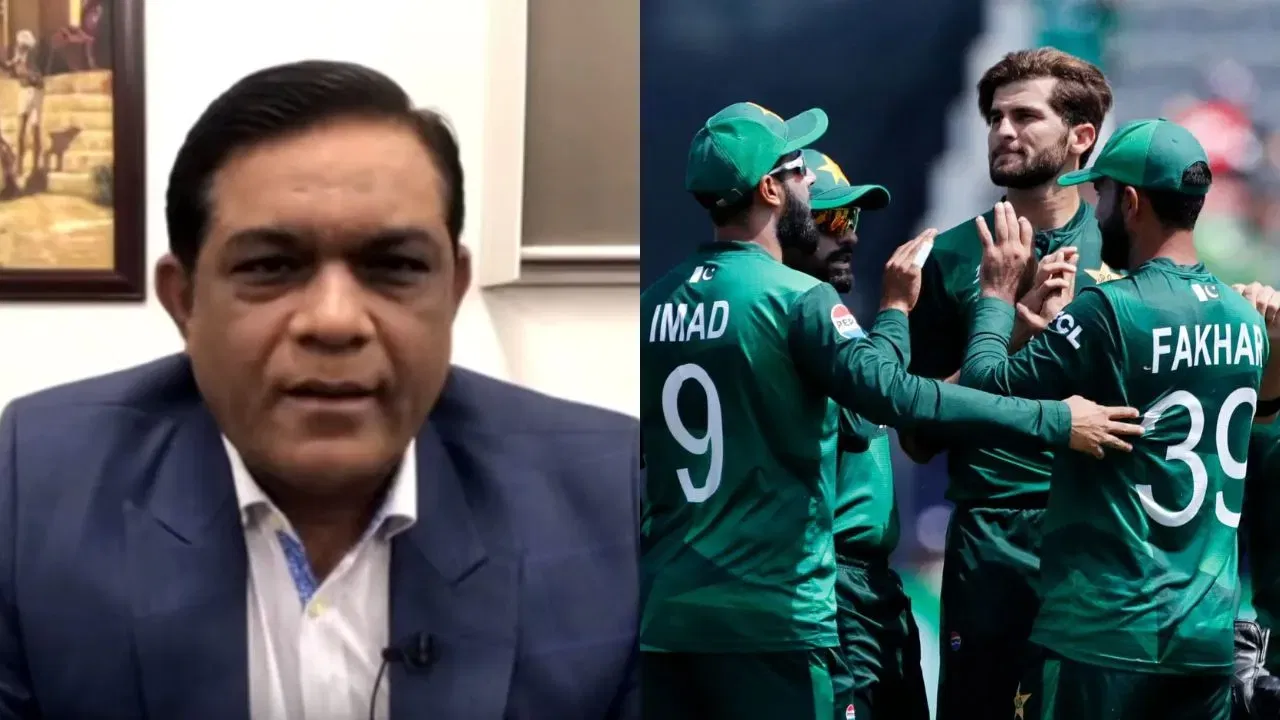
Rashid Latif claims PSL ball-tampering row was deliberately created for attention amid IPL rivalry
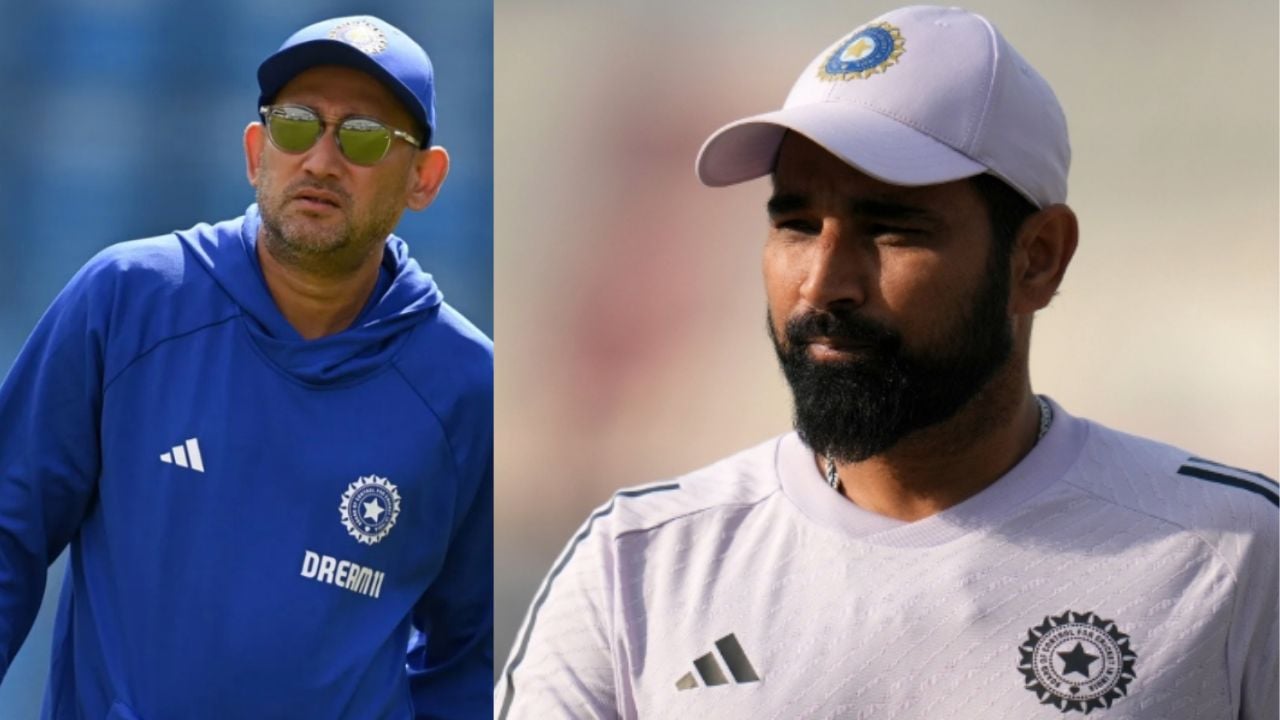
Mohammed Shami breaks silence on retirement buzz after India snub; has special message for LSG
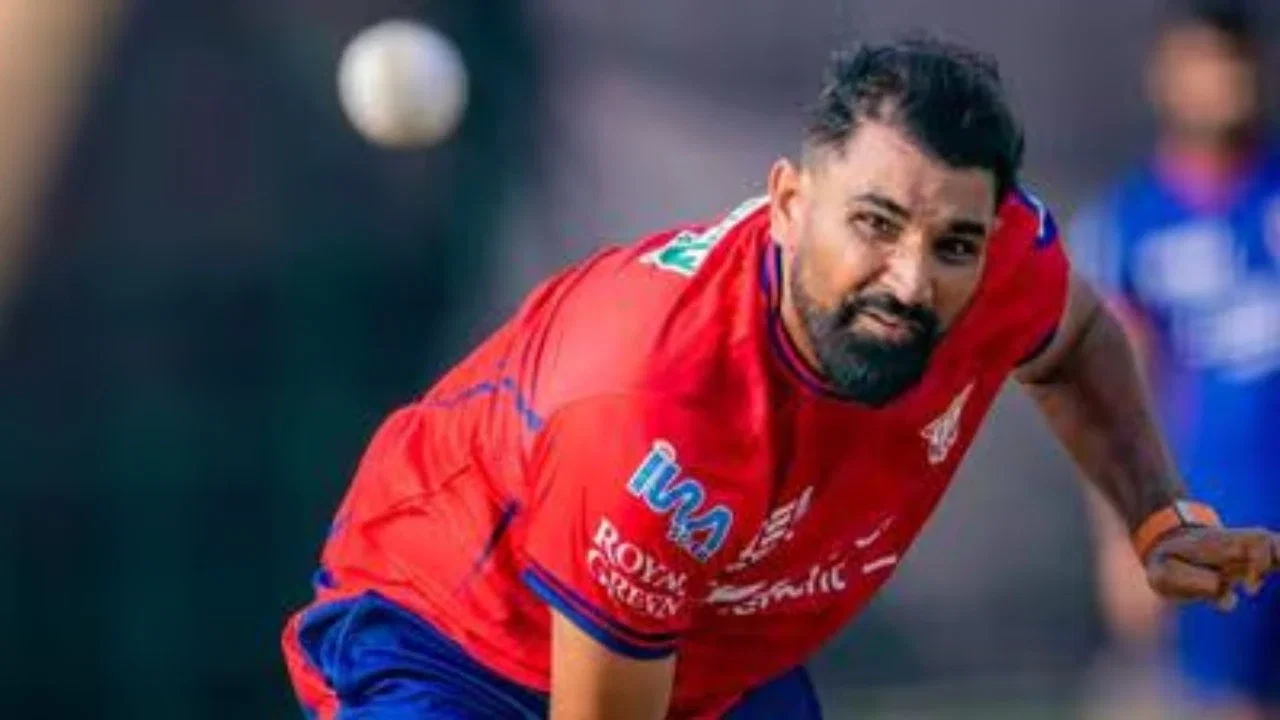
Mohammed Shami reveals IPL 2026 Top 4, leaves out five-time champions
Mohammed Shami hits back at Ravichandran Ashwin over LSG’s poor IPL 2026 prediction
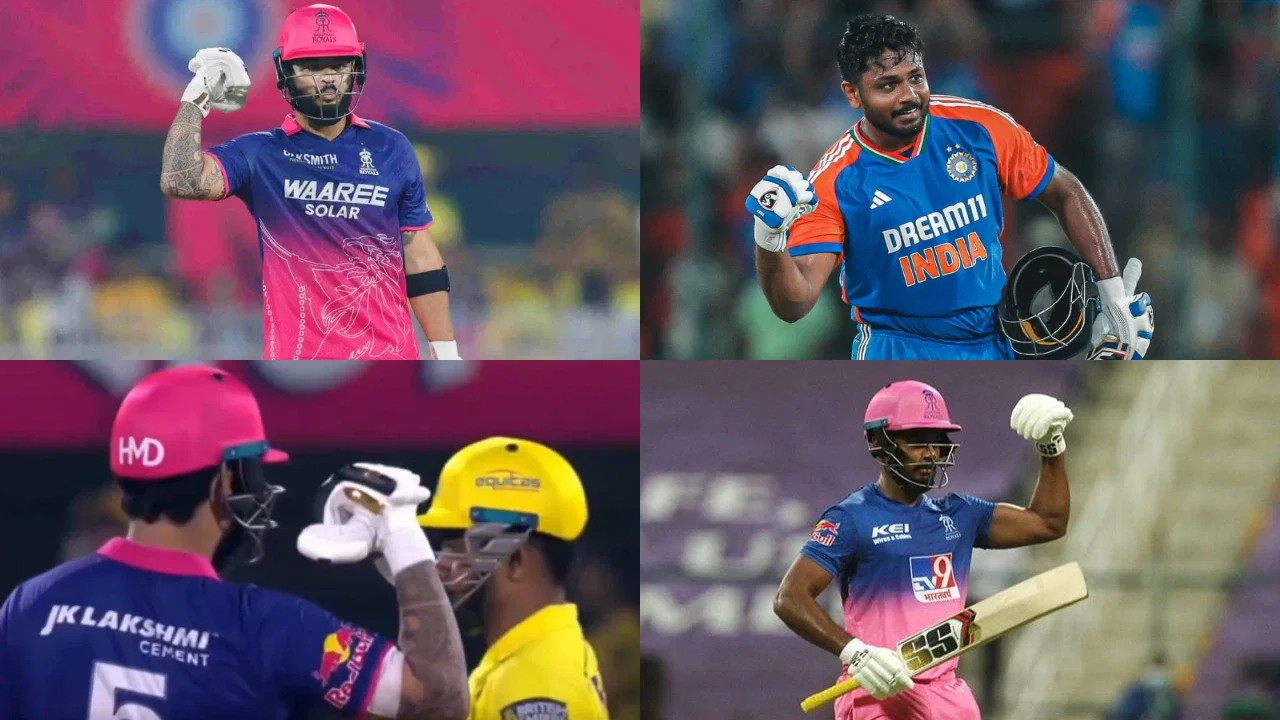
Riyan Parag mocked Sanju Samson? Batter’s muscle-flex celebration after sensational 6 vs CSK goes viral
IPL 2026 hit by tragedy! British broadcast engineer dies in Mumbai hotel room
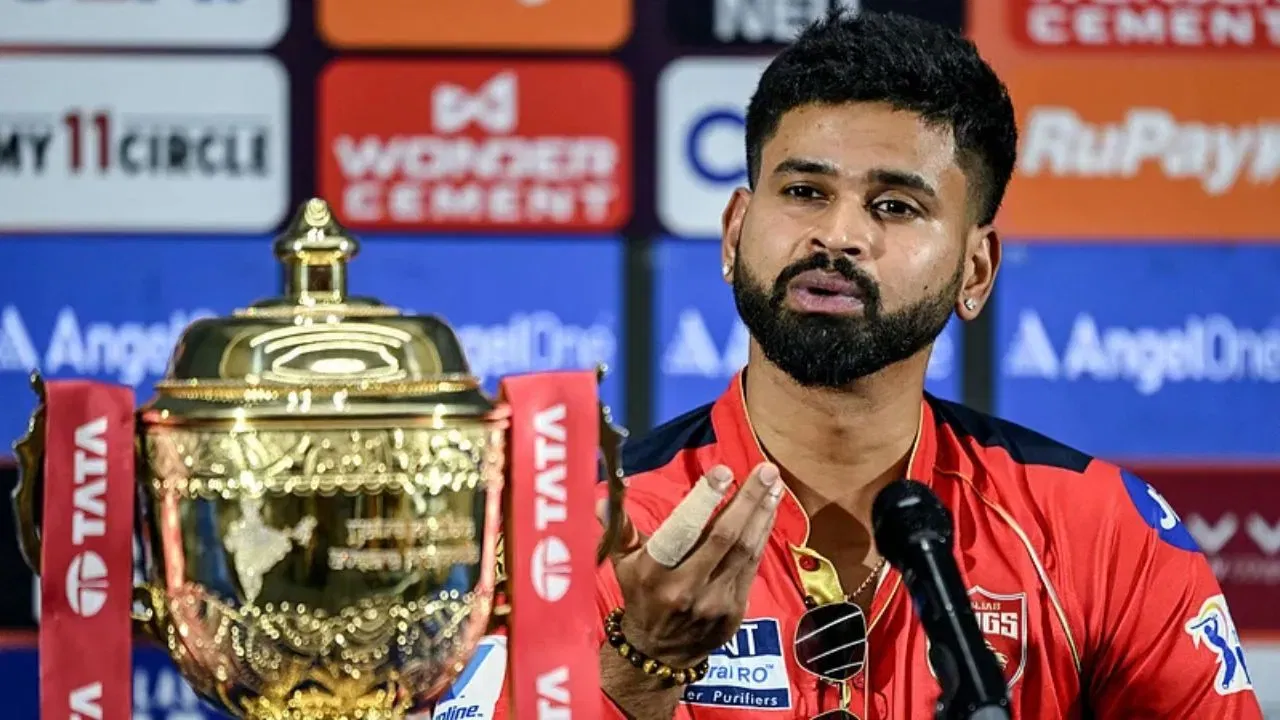
Brad Haddin reveals reality of Shreyas Iyer as captain
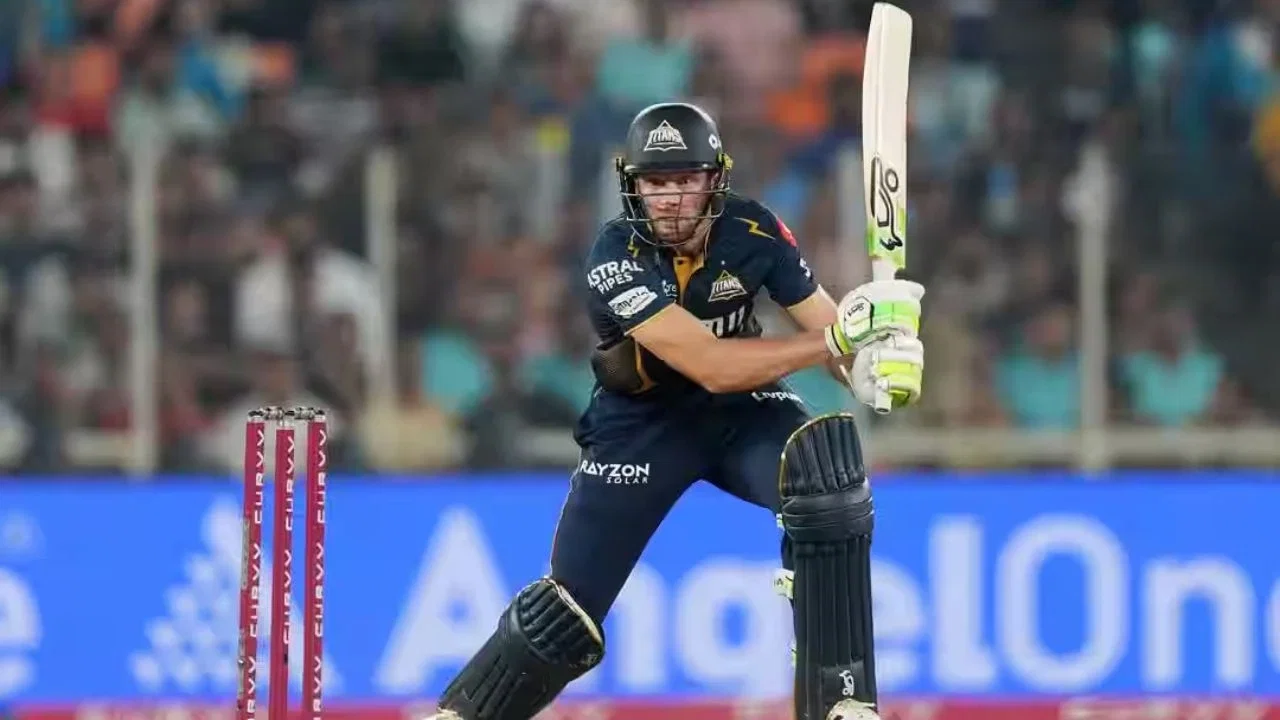
Jos Buttler set to dominate IPL 2026, thanks to Ashish Nehra
Ravindra Jadeja says he had no conversation with MS Dhoni after RR move
Mohsin Naqvi totally angry and stressed as PSL 2026 controversies escalate
Mohsin Naqvi saves Naseem Shah from two-year ban, shocking claim emerges after controversy
Michael Vaughan claims Vaibhav Sooryavanshi’s India call-up for England tour is confirmed
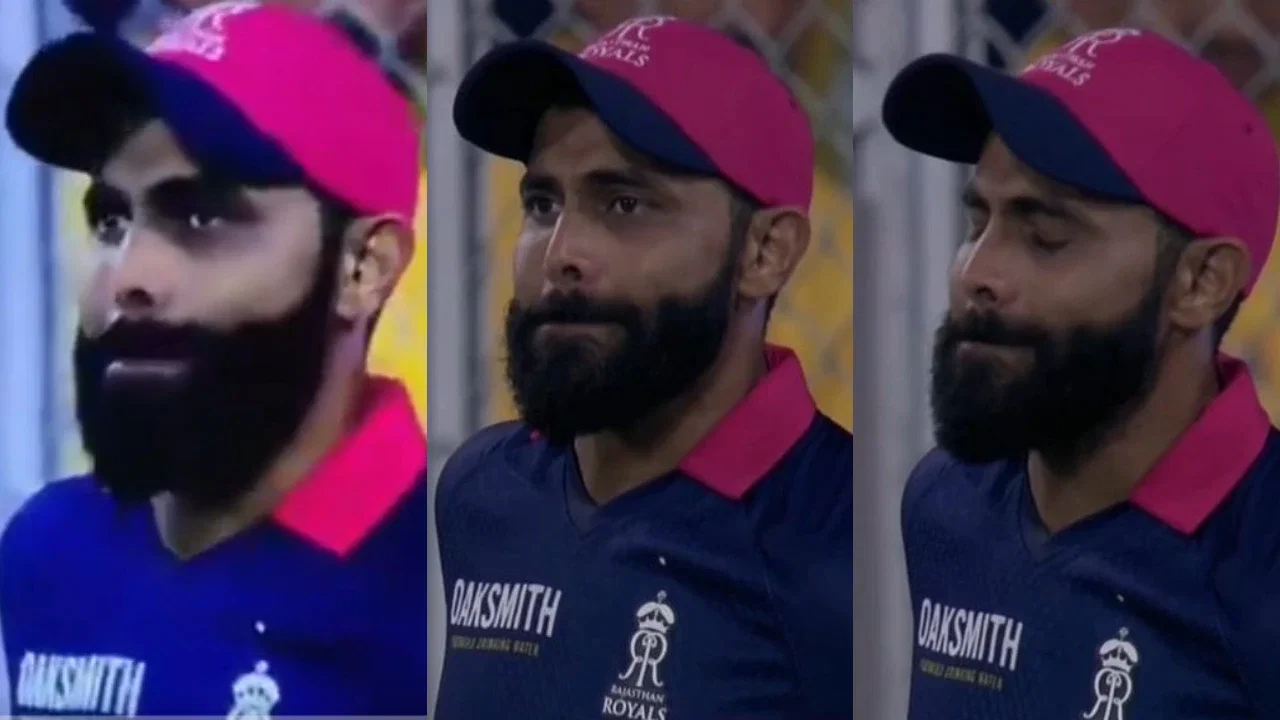
Ravindra Jadeja’s teary-eyed reaction goes viral after RR demolish CSK in IPL 2026 clash

New Zealand ODI and T20I squads for Bangladesh tour officially announced

