Shocking! Pakistan announce boycott ahead of Asia Cup 2025 match against UAE
Pakistan Contemplates Boycotting Asia Cup 2025 Amid Controversy
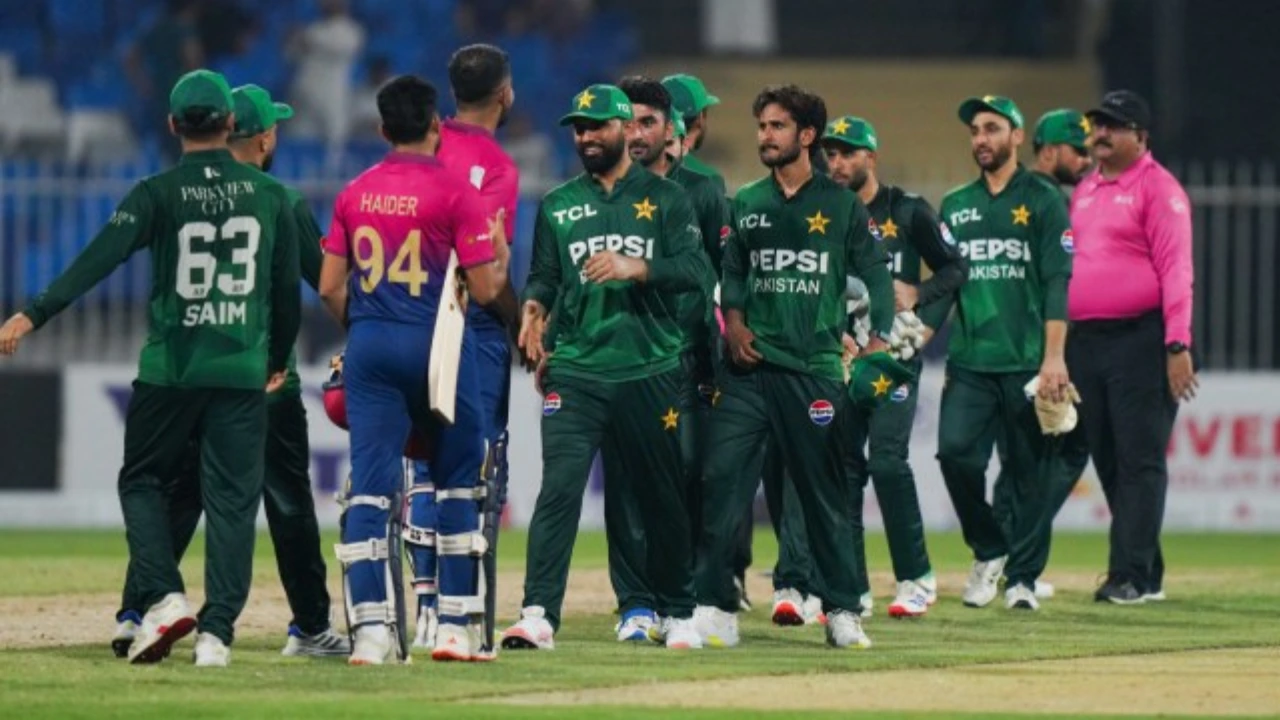
As the Asia Cup 2025 continues to unfold, Pakistan has shocked fans and officials alike by announcing a potential boycott ahead of their crucial Group A match against the UAE. Scheduled to face the UAE on September 17 in Dubai, Pakistan’s decision stems from the International Cricket Council’s (ICC) refusal to remove match referee Andy Pycroft following a handshake controversy that overshadowed India’s recent victory.
Boycott Threats and Tensions Rise
With tensions escalating, Pakistan has called off their pre-match press conference in Dubai, signaling a potential withdrawal from the Asia Cup 2025. The Pakistan Cricket Board (PCB) is reportedly considering pulling out of the tournament in protest of ICC’s decision, leaving both officials and players frustrated.
Despite the uncertainty surrounding their participation, the Pakistani team continues to practice in Dubai as the fate of their Group A match hangs in the balance. A final decision on the boycott is expected to be announced soon, potentially altering the dynamics of the tournament.
Controversy and Consequences
The decision to boycott comes on the heels of Pakistan’s contentious defeat to India, where tensions ran high over the conduct of the match and the subsequent handling of the situation. The refusal of Indian players to shake hands with Pakistan’s captain after the match further fueled the growing animosity between the teams.
If Pakistan follows through with the boycott, it could have significant implications for the tournament standings. The UAE, currently tied with Pakistan on points, would secure a direct spot in the Super Four stage, bypassing any further competition. This turn of events would not only affect the teams involved but also impact the overall dynamics of the Asia Cup 2025.
Stakes Are High
As the race for the Super Four spots heats up, teams like Pakistan, the UAE, Bangladesh, and Afghanistan are vying for a chance to advance in the tournament. With Sri Lanka and India already securing their spots, the remaining teams are locked in a tight battle for the final two positions.
While the drama surrounding Pakistan’s potential boycott unfolds, fans and critics alike are keeping a close eye on developments that could shape the outcome of the Asia Cup 2025. The controversy surrounding the tournament serves as a reminder of the passion and intensity that defines cricket in the Asian region.
As the cricketing world awaits Pakistan’s final decision, the future of the Asia Cup 2025 hangs in the balance, with the potential for a major reshuffle in the tournament standings.
Pakistan’s Cricketing History and ICC Relations
To understand the magnitude of Pakistan’s potential boycott of the Asia Cup 2025, it is essential to look at the country’s history in cricket and its relationship with the International Cricket Council (ICC). Pakistan has a rich cricketing heritage, producing legendary players and achieving success on the international stage. However, the nation has also faced its fair share of controversies and challenges, both on and off the field.
Over the years, Pakistan has had a complicated relationship with the ICC, often finding itself at odds with the governing body over various issues. From match-fixing scandals to disputes over scheduling and umpiring decisions, Pakistan’s cricket administration has had its fair share of disagreements with the ICC. The current standoff over the match referee appointment is just the latest chapter in this ongoing saga.
Impact on Players and Fans
The potential boycott of the Asia Cup 2025 not only has ramifications for the tournament itself but also for the players and fans involved. Cricket is more than just a sport in Pakistan; it is a way of life that unites people across the country. The decision to withdraw from a major tournament like the Asia Cup would undoubtedly disappoint and frustrate fans who have been eagerly following their team’s progress.
For the players, the uncertainty surrounding their participation in the tournament can be mentally and emotionally draining. The dedication and hard work put into preparing for such competitions can be overshadowed by external controversies and administrative decisions. The impact of a boycott goes beyond the cricket field, affecting the morale and confidence of the players representing Pakistan.
Broader Implications for Asian Cricket
While the focus is currently on Pakistan and the Asia Cup 2025, the potential boycott has broader implications for the state of cricket in the Asian region. As one of the powerhouses of cricket on the continent, Pakistan’s actions can set a precedent for how other nations navigate their relationships with the ICC and handle disputes in the future.
The controversy surrounding the handshake incident and the subsequent boycott threat highlight the complexities and sensitivities involved in international cricket diplomacy. As the sport continues to evolve and grow in popularity, issues of sportsmanship, fair play, and governance become increasingly important in shaping the future of cricket in Asia and beyond.
Looking Ahead
As Pakistan weighs its options and deliberates on whether to boycott the Asia Cup 2025, the cricketing world holds its breath, waiting for a resolution to the unfolding drama. The decision will not only impact the tournament standings but also have lasting repercussions for the relationships between Pakistan, the ICC, and other cricketing nations.
Regardless of the outcome, the controversy surrounding the Asia Cup 2025 serves as a reminder of the passion, intensity, and unpredictability that define cricket as a sport. As fans, players, and officials navigate the choppy waters of cricket politics, one thing remains certain – the love for the game transcends borders and boundaries, uniting people in their shared passion for cricket.
With the stakes high and tensions mounting, the Asia Cup 2025 continues to be a stage for drama, excitement, and unexpected turns, showcasing the rollercoaster nature of international cricket.
Latest News
Harry Brook and Jacob Bethell punished after conduct probe by cricket regulator

Sanjiv Goenka engages in heated chat with LSG coaches after loss to DC
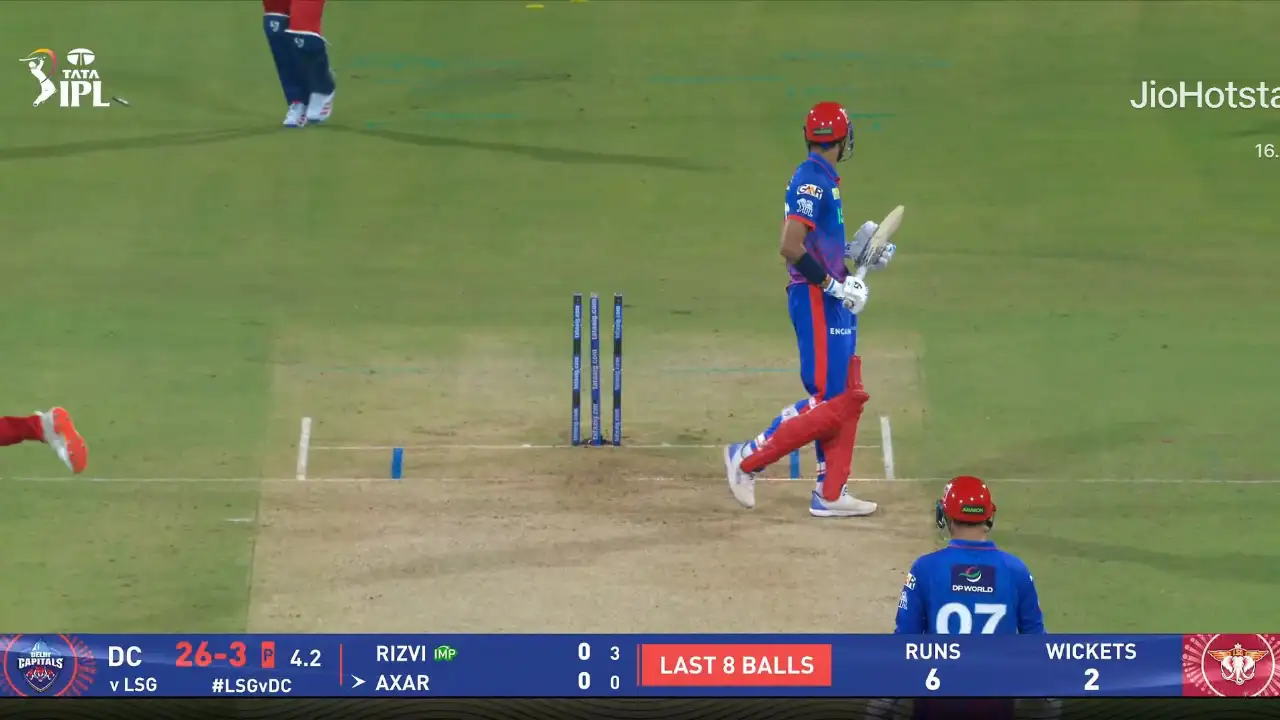
Axar Patel dismissed on ‘Golden Duck’ by Prince Yadav in LSG vs DC IPL 2026 clash
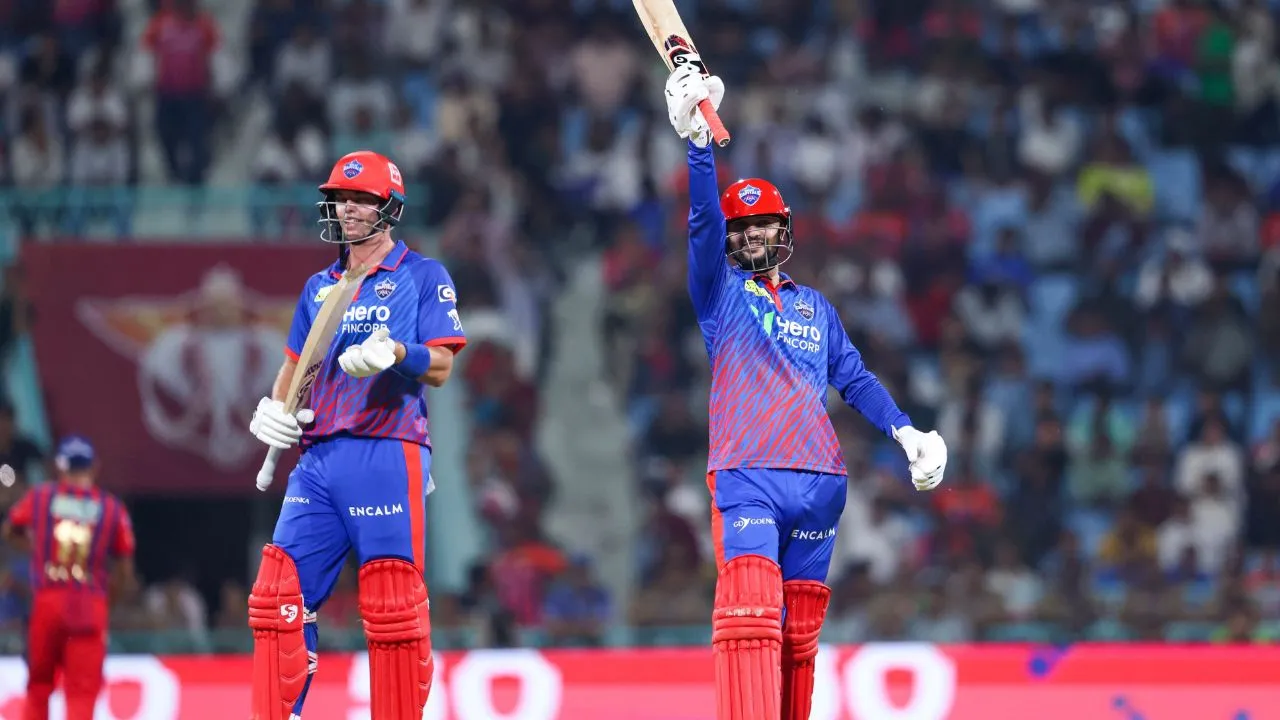
IPL Points Table 2026: Updated Standings, Orange Cap, Purple Cap After LSG vs DC Match 5
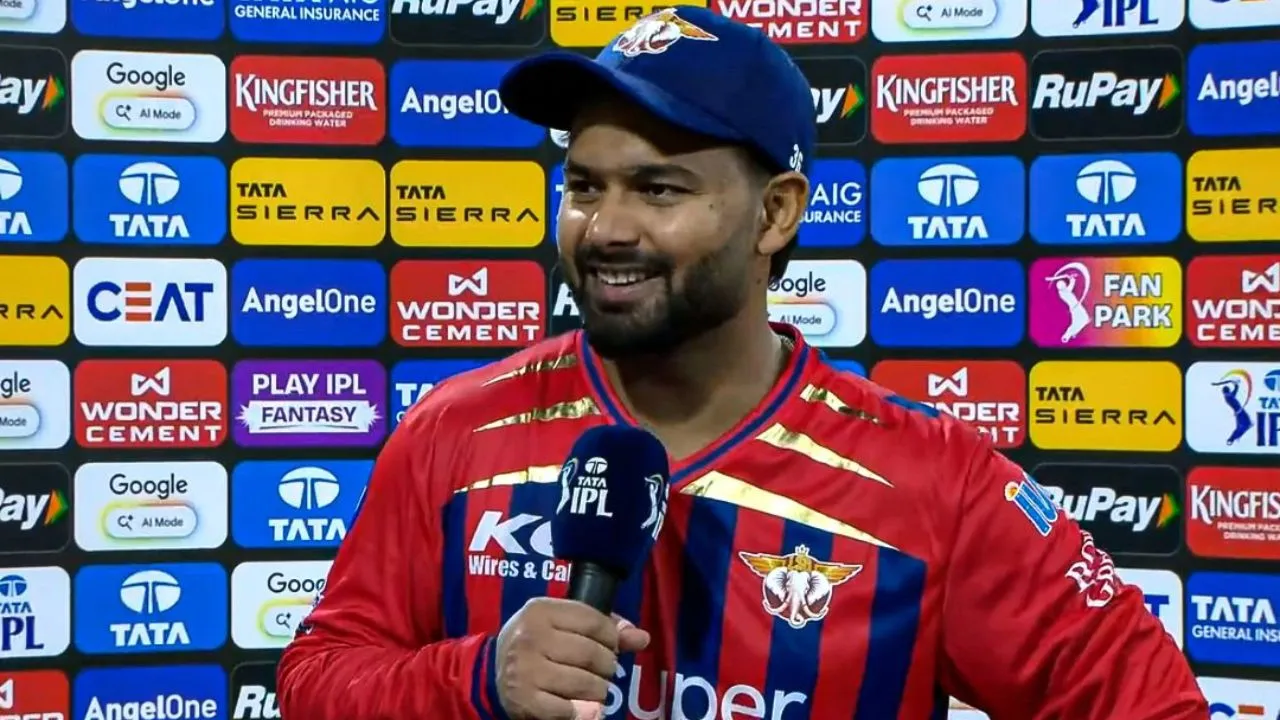
“We didn’t have enough”: Rishabh Pant takes responsibility after LSG’s batting failure in loss to DC in IPL 2026

“Works hard on his game”: Axar Patel lauds Sameer Rizvi after match winning knock vs LSG

KKR vs SRH Match No. 6 Preview: Free Live Streaming, Pitch & Weather Report, Head-to-Head | IPL 2026
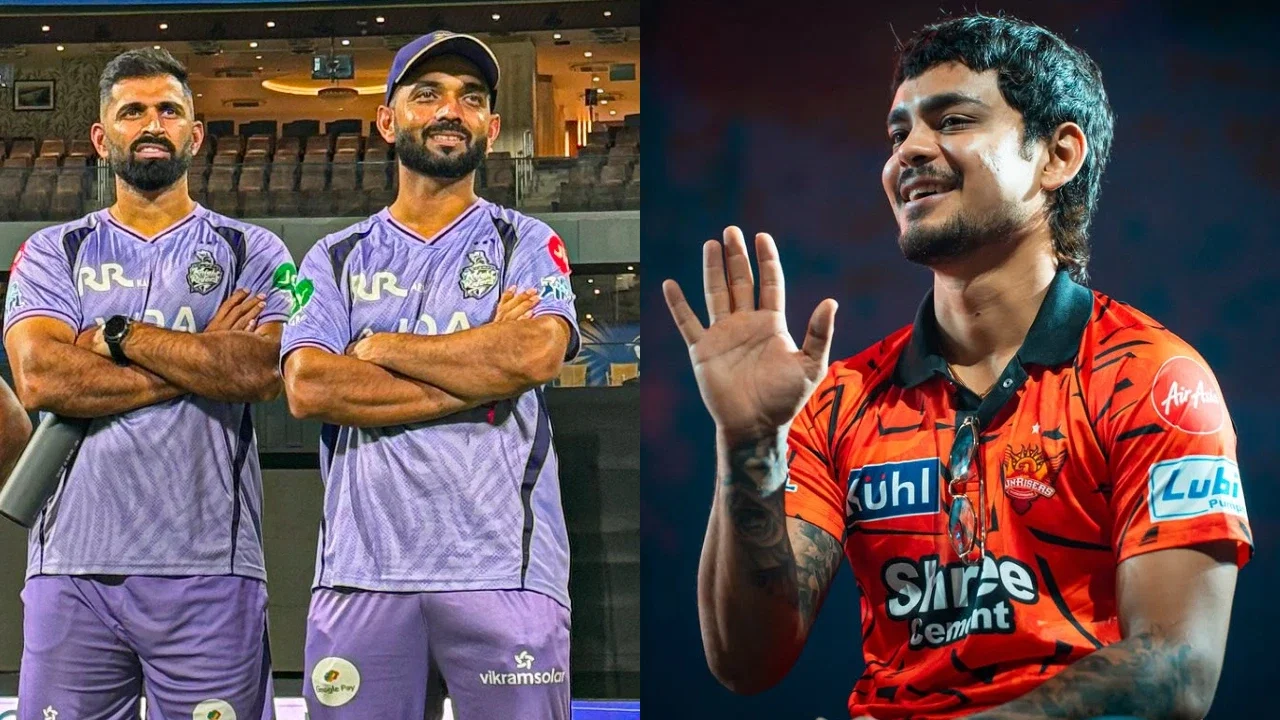
KKR Playing XI vs SRH Playing XI – Match No. 6 | IPL 2026
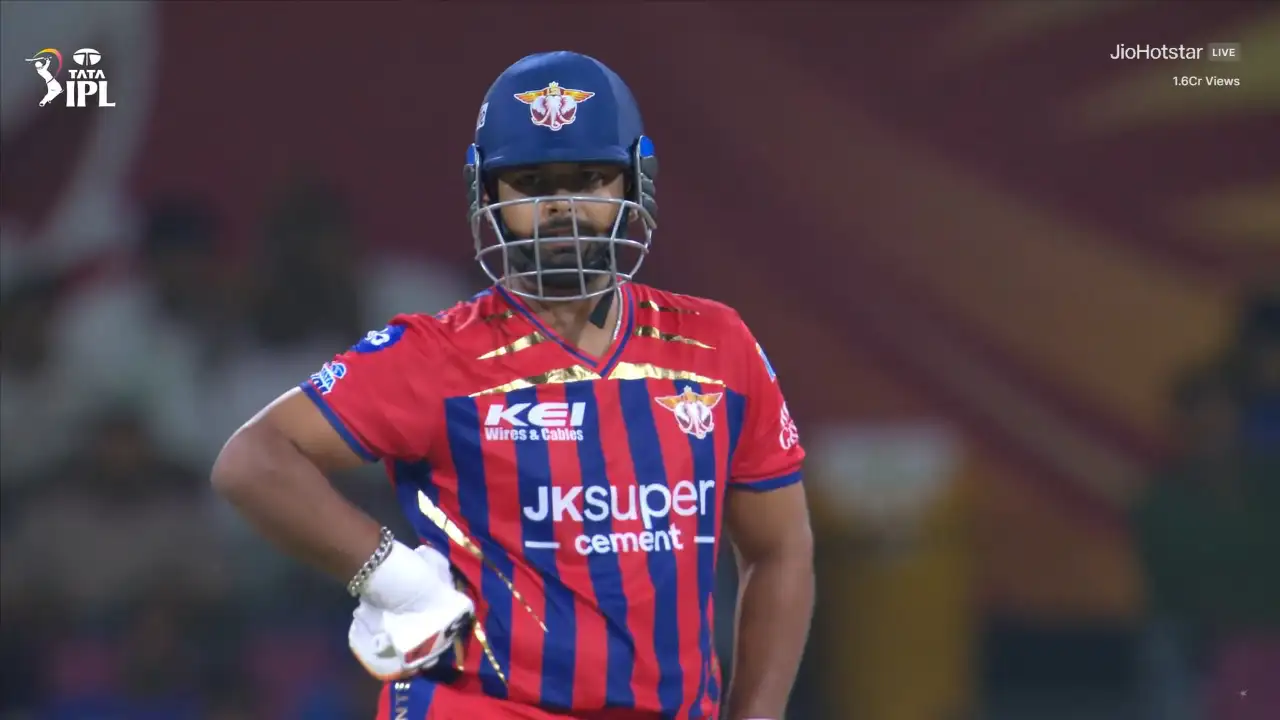
Rishabh Pant’s opening stint cut-short by run-out at non-striker’s end
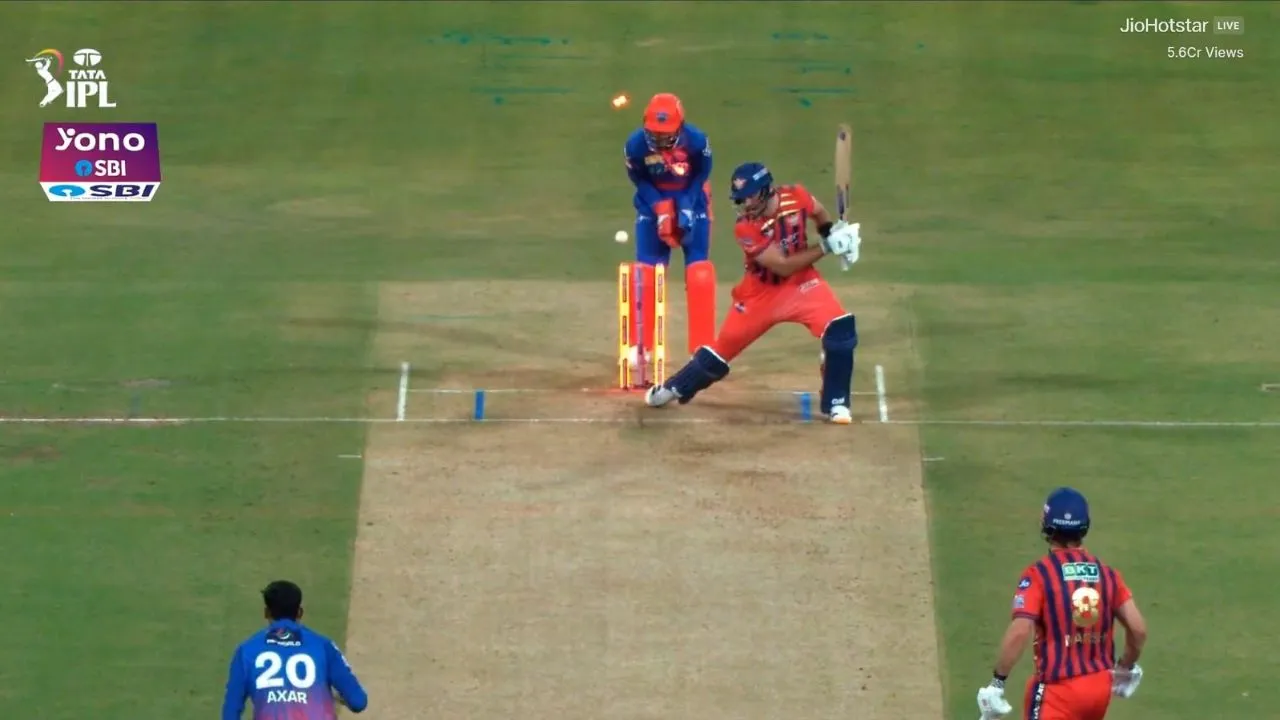
Axar Patel produces a peach to dismiss Aiden Markram in LSG vs DC IPL 2026 clash
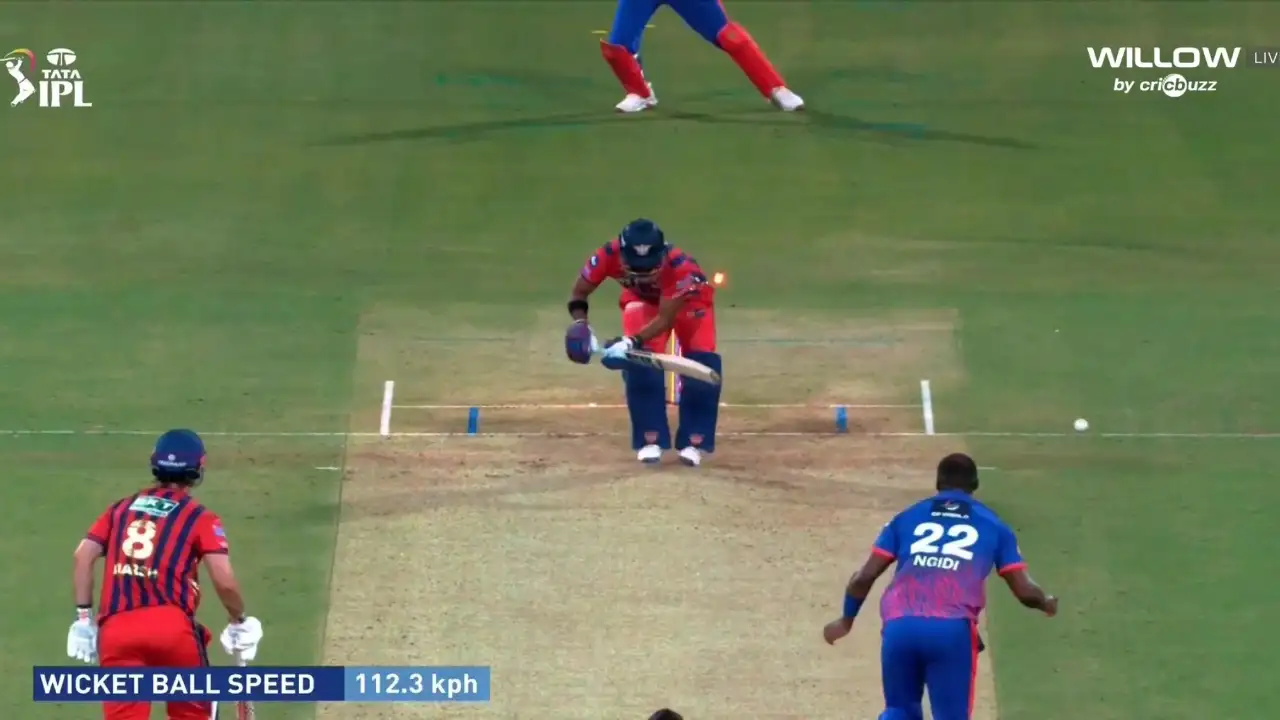
Lungi Ngidi bamboozles Nicholas Pooran with stunning off-cutter in LSG vs DC IPL 2026 clash

Lungi Ngidi credits KKR mentor after amazing bowling display vs LSG in IPL 2026 clash

Mohammed Shami gets a dream start dismisses KL Rahul for a golden duck in LSG vs DC IPL 2026 clash
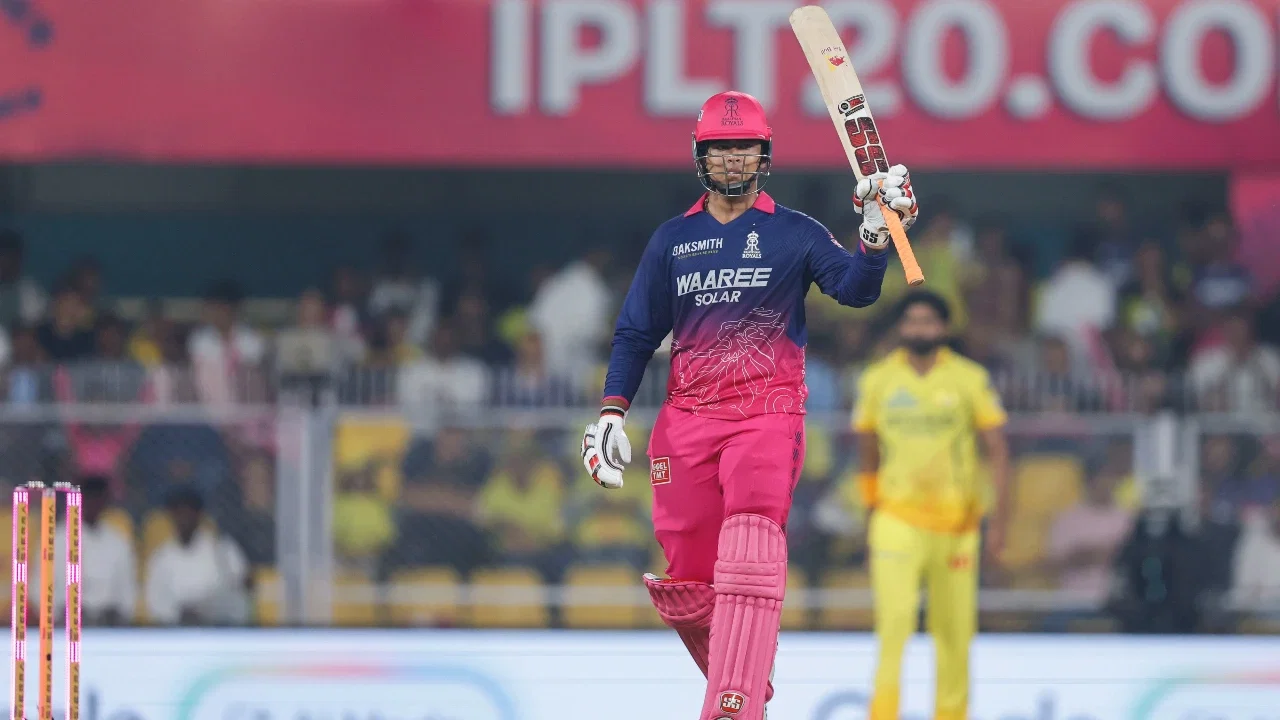
Vaibhav Sooryavanshi to share dressing room with Rohit-Kohli after IPL 2026, predicts ex-Pakistan star